








Cat toys
5-Piece Cat Toy Variety Set with Fish, Carrot and Rope Toys
- Options
- 7 to choose from
From $13.99
Free US shipping over $49 · 30-day free returns · Happy pets, happy homes
Pet care guidesCats
Pounce, chase, play.
9 items picked for everyday life with your pet, with shipping estimates on every item.
 A little fun goes a long way.
Find their favorites
Choose a section to narrow the range.
Cat toys
From $13.99


Cat toys
$13.99


Cat toys
From $11.99

A little guidance
Buying guides and care advice written for this range: what to measure, what matters and what to skip.
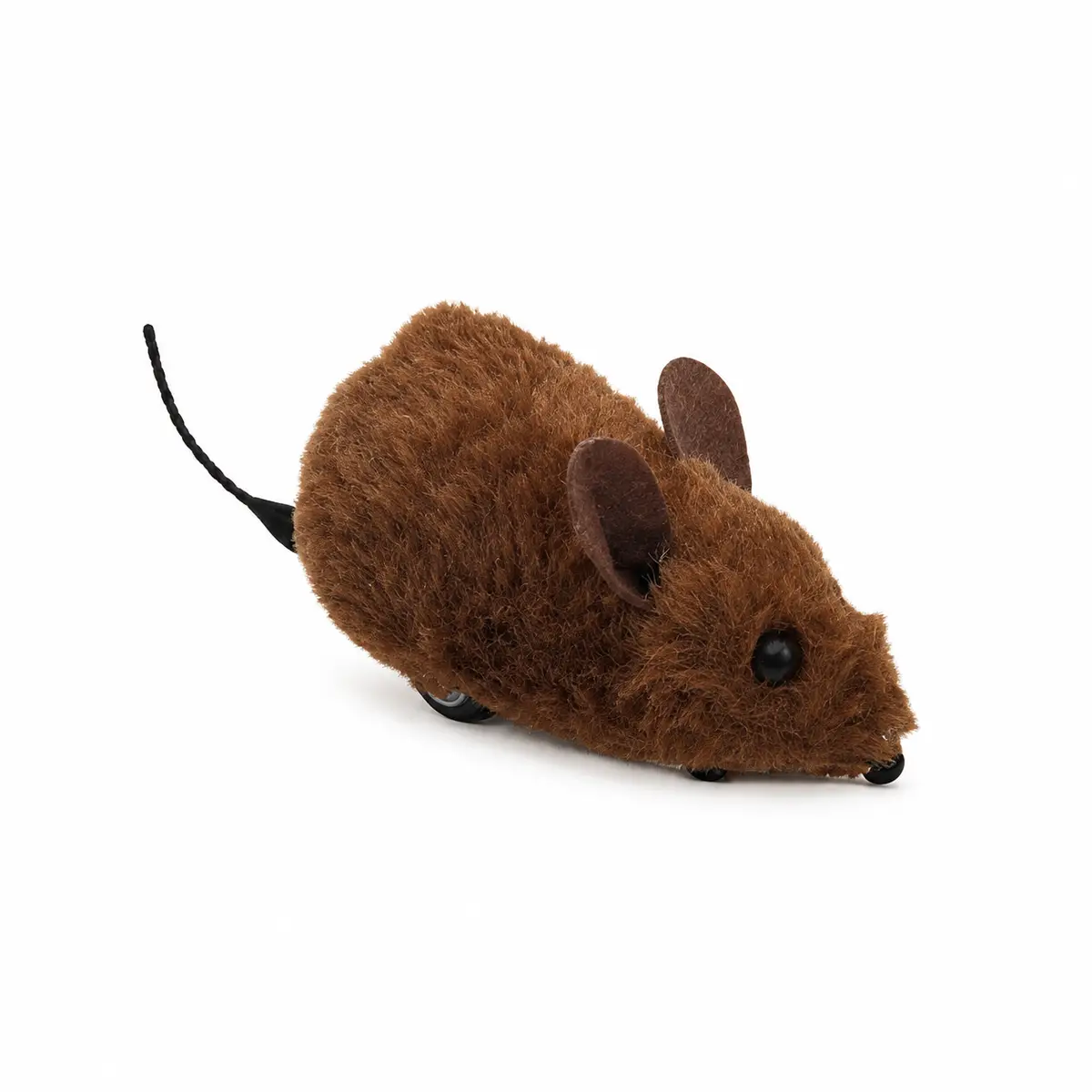
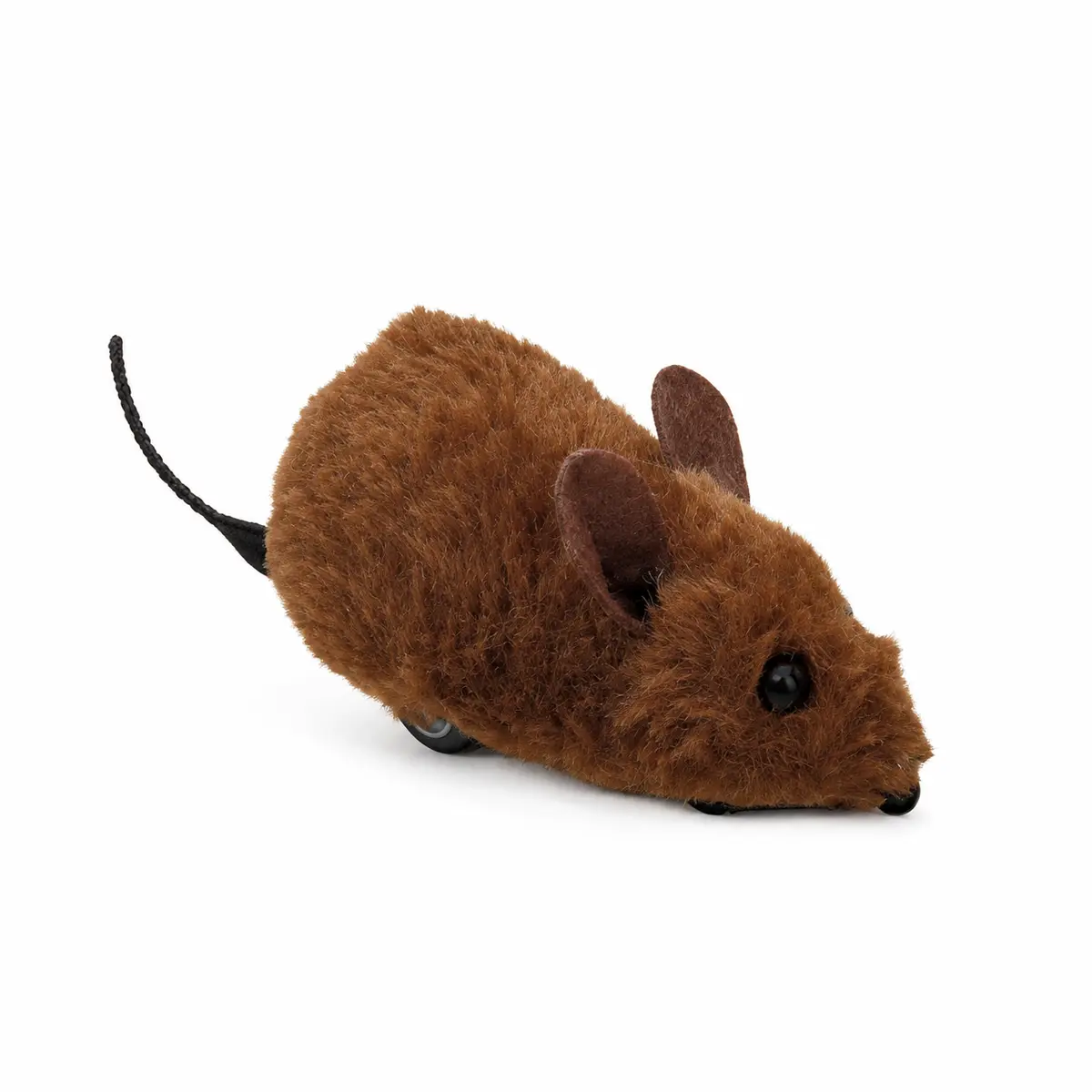
This page narrows our Cat Toys range to mouse toys: interactive smart mice that move on their own, electric scurrying mice that dart and change direction across the floor, and a variety set with a plush mouse alongside fish, carrot and silvervine toys. They are for cats who love to chase, pounce and bat things across the floor, and for owners looking for a toy that keeps a cat moving while they are busy. The guide below covers getting the most from them safely.
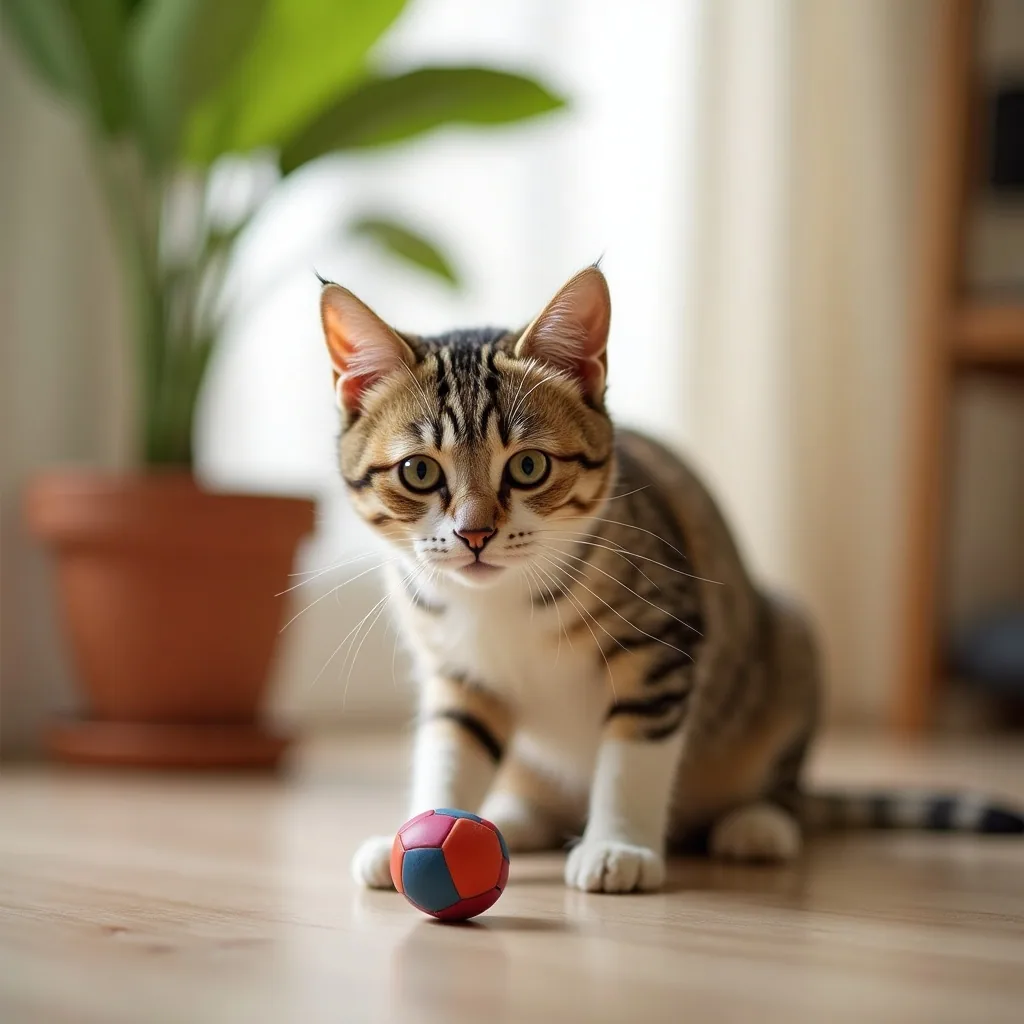
Small rodents are a natural prey item for cats, and a toy mouse fits the instinct perfectly: small, quick, easy to bat and carry. Cats stalk it, pounce, flip it in the air and often carry it off proudly. Classic plush mice are among the simplest toys a cat can own, yet many cats prefer them to anything else.
Moving mice take this further. An electric mouse that scurries, stops and changes direction behaves more like real prey, which can spark interest in cats who ignore still toys and gives indoor cats a burst of exercise.
Interactive smart mice run on a rechargeable battery and move unpredictably across hard floors, often with sensors that make them turn when they bump into something or are touched. Some react to a cat's paw, starting or stopping in response, which keeps the chase going.
They work best on smooth floors such as hardwood, tile and low-pile rugs; thick carpet slows them down. Start sessions in an open area, and keep them short at first, since some cats are startled by a toy that suddenly moves on its own.
Plush mice and variety sets are quiet, light and easy to carry, perfect for batting under the couch and bringing back. Silvervine and catnip-scented toys in the same set add a scent many cats respond to. Rotate toys so each feels new when it returns.
A cat who brings you a toy mouse is often inviting play. Toss it for them, and many cats will fetch it back again and again. Collect plush mice at night or they tend to disappear under furniture.
Small parts such as plastic eyes, bells, tails and whiskers can be chewed off and swallowed. Check toys regularly and throw away any that are coming apart. Supervise play with battery-powered mice, and store them away from your cat when not in use, so batteries and electronics cannot be chewed.
If you think your cat has swallowed part of a toy, a string tail or a battery, call your vet straight away. Signs such as repeated vomiting, loss of appetite or straining in the litter box need prompt attention.
Many do, because the moving, darting motion looks like real prey. Some cats are startled at first, so start with short sessions in an open area and let your cat approach.
Yes, with checks. Throw away toys that are losing eyes, tails or stuffing, and supervise battery-powered mice. Store electric toys away when not in use.
They run best on hard floors and low-pile rugs. Thick carpet slows most electric mice down, so play on a smooth surface for the best chase.
It is often an invitation to play or a natural hunting behavior. Toss the mouse for your cat, and many will bring it back for another round.
Replace them as soon as they show loose parts or torn seams. Rotating several mice keeps your cat interested and spreads the wear. Throw away any mouse that has been chewed down to a small size.