







Cats
Cat scratchers
Stretch, climb, repeat.
94 items picked for everyday life with your pet, with shipping estimates on every item.
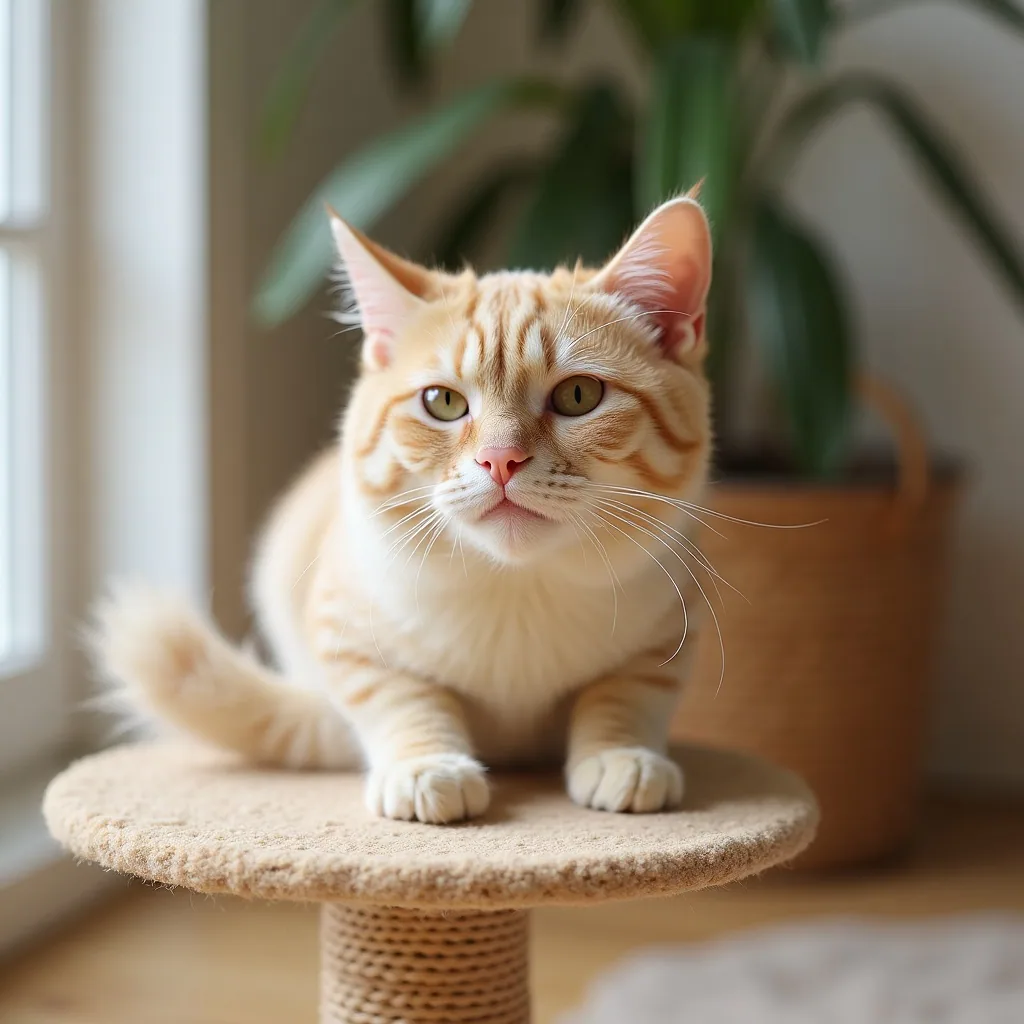 A place of their own to scratch and survey.
All cats toys & play →Cat toys →Interactive cat toys →Cat tunnels →Cat scratching posts →Cat puzzle feeders →Cat exercise wheels →Cat scratch deterrents →Catnip & silvervine toys →
↗Tracked US shippingEstimates on every item↶Returns & refundsHow it works♡Here to helpTalk to Giddy Pets
Find their favorites
Shop cat scratchers by type
Choose a section to narrow the range.
All cat scratchers
Little essentials. Lots of love.
Cat scratching posts
20.9-Inch Sisal Cat Scratching Post, Wall or Floor Mount
- Options
- 4 to choose from
From $23.99

Cat toys
Electric Triangle Turntable Cat Toy with Ball Track and Scratch Pad
- Options
- 2 to choose from
From $34.99


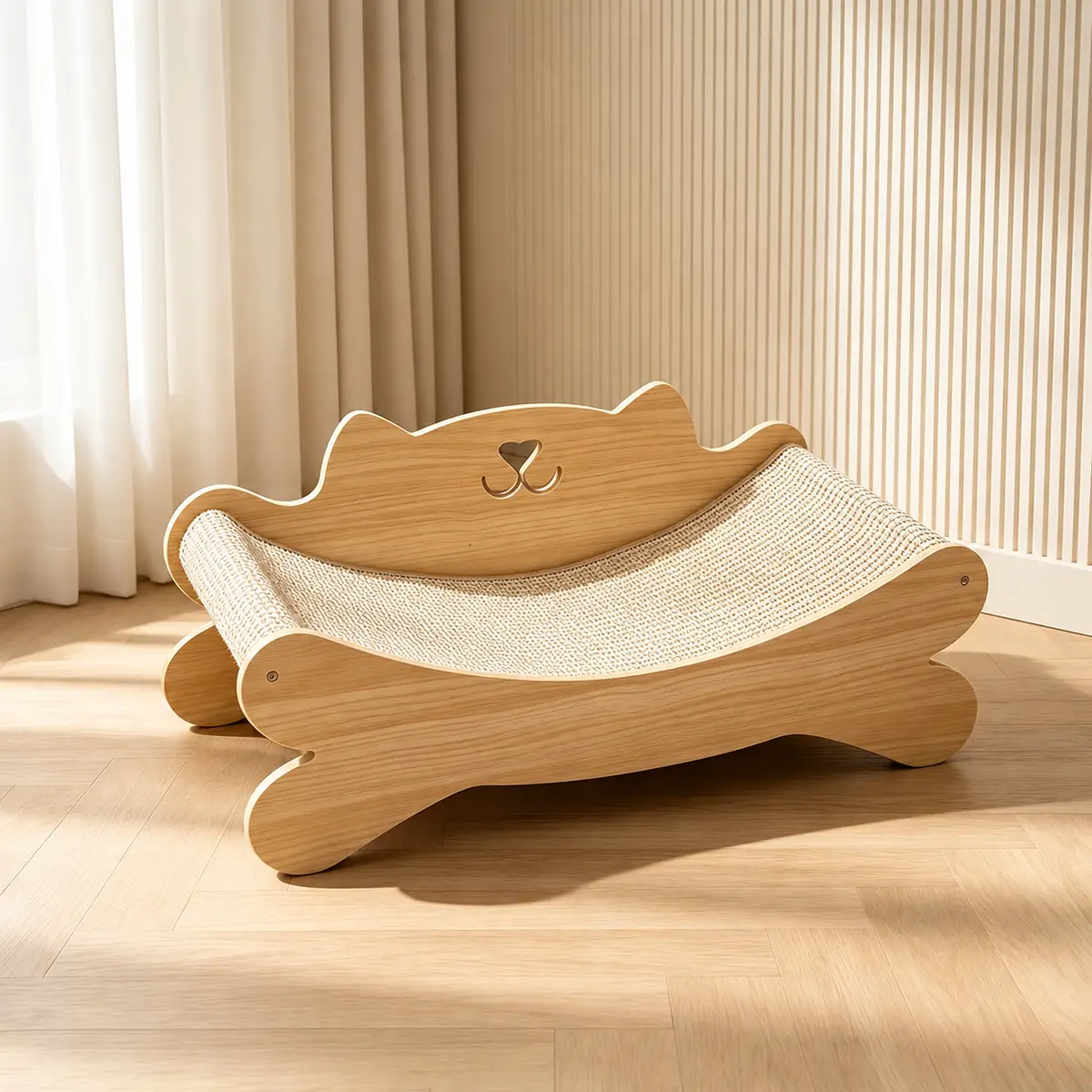

Cat furniture
Compact Sisal Cat Scratching Post with Mouse and Ball Toys
- Options
- 3 to choose from
$33.99


Cat scratching posts
Animal-Shaped Cat Scratching Post with Lounging Tunnel
- Options
- 5 to choose from
From $75.99

Cat trees
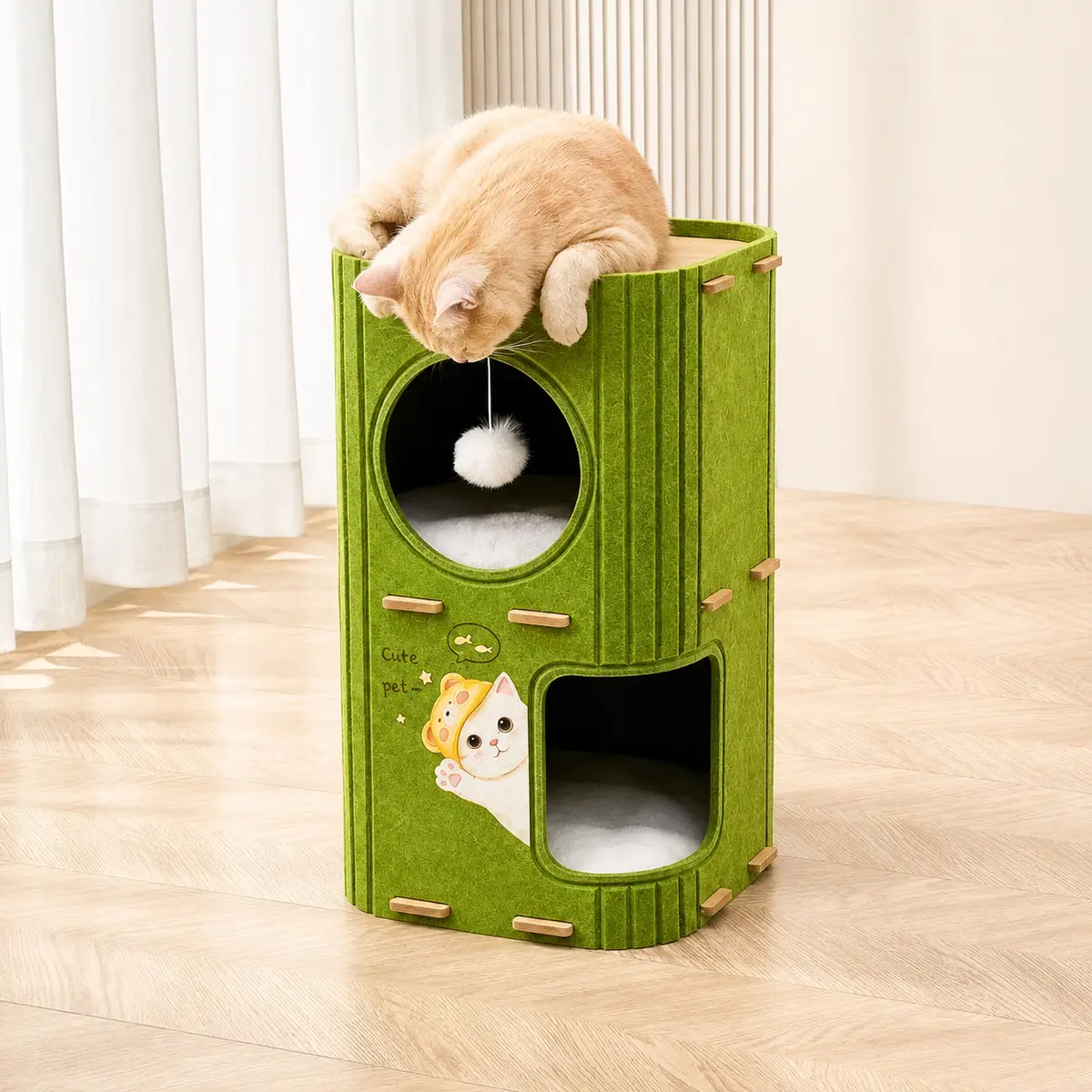
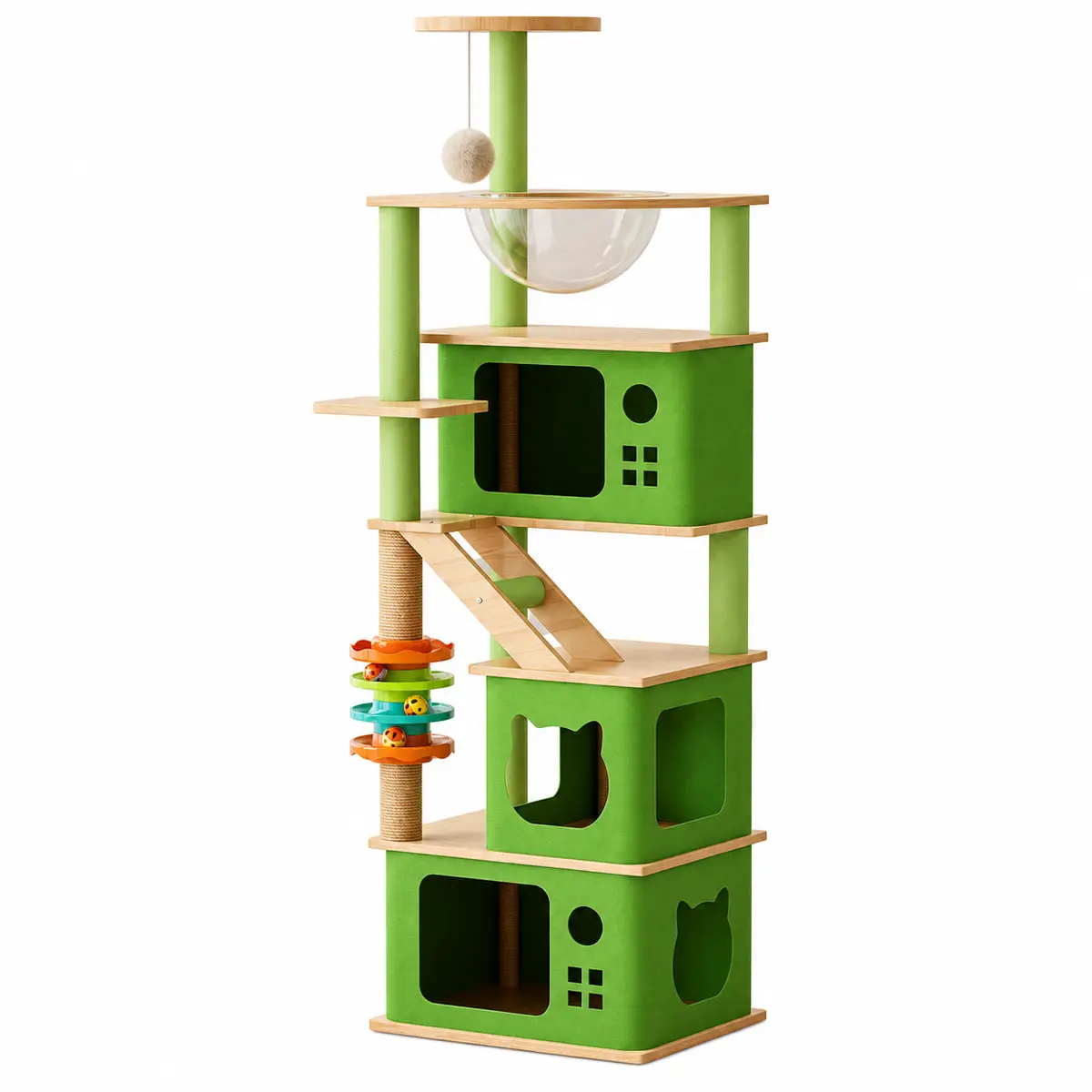
Green Felt Cat Tower with Hideaway Nests and Hanging Ball
- Options
- 2 to choose from
From $52.99


Cat trees
Multi-Level Cat Tree with Condos, Clear Dome Perches and Ladder
- Options
- 2 to choose from
From $129.99

Cat scratchers
Adjustable Wooden Cat Scratcher Bed with Replaceable Corrugated Core
- Options
- 5 to choose from
From $39.99


Cat toys
Stackable Cardboard Cat Hideout Box Set with Colored Rings
- Options
- 7 to choose from
From $15.99


Cat scratching posts
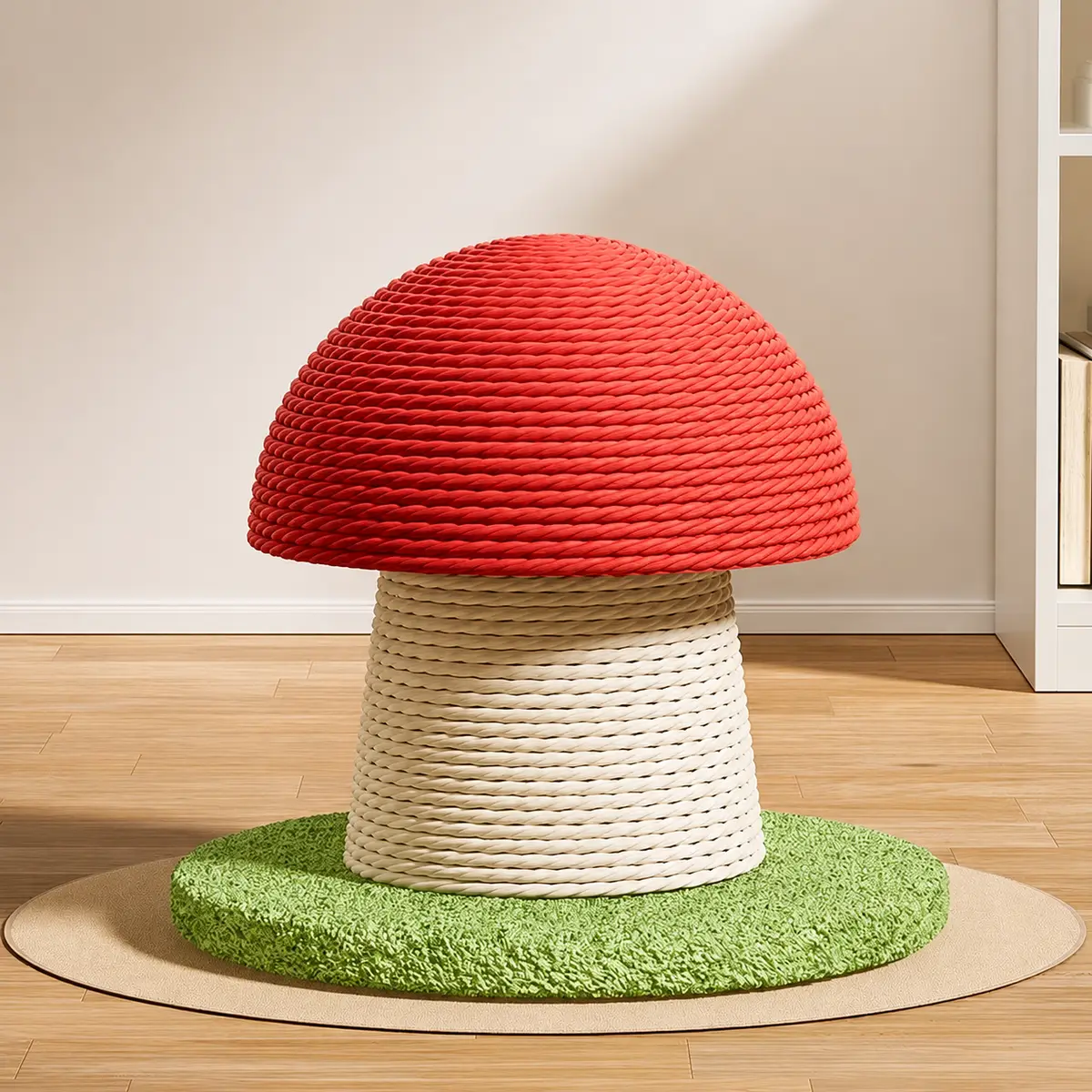
Red Mushroom Sisal Cat Scratching Post in Several Styles
- Options
- 7 to choose from
From $29.99
A little guidance
Help choosing cat scratchers
Buying guides and care advice written for this range: what to measure, what matters and what to skip.
From our guides
These are cat scratchers for cats who scratch horizontally or at an angle: corrugated cardboard pads, bowls and oval beds, accordion-style folding scratchers with balls, sisal boards and mats, scratcher houses and tunnels, a sisal lounge chair, and self-adhesive wall-mounted sets. It is for owners who want a scratch outlet that fits on the floor or wall, and the guide below helps you choose the surface and shape.
Horizontal scratchers and the cats who prefer them
Not every cat scratches upward. Cornell Feline Health Center notes that cats who scratch along carpets or rugs often prefer a flat surface, while cats who stretch up drapes and couch backs want a tall post. If your cat digs at the floor, a scratcher pad is likely to succeed where a post failed.
Many cats use both styles at different times, often a long stretch on a vertical post after waking and a quick scuff on a flat pad after eating. A scratcher on the floor beside a post covers both habits without taking much extra room.
Cardboard or sisal?
Corrugated cardboard is soft, satisfying and inexpensive, and most cats take to it immediately. It sheds bits as it wears, which is normal, and many cardboard scratchers can be flipped or have replaceable inserts. Bowls, ovals and lounges double as beds, so cats scratch and nap in one spot.
Sisal boards and mats last longer and suit cats who shred cardboard in a week. The Humane Society names sisal as its top recommendation because claws catch and pull it well. A sisal mat placed in front of a couch can protect the floor at the exact spot your cat targets.
Shapes: pads, bowls, houses and tunnels
Flat pads and boards are the simplest, and they slide under a couch when not in use. Curved bowls and oval scratcher beds give a cat something to knead and curl into. Two-layer scratcher houses and tunnels add a hiding place, which shy cats appreciate.
Accordion-style folding scratchers can be shaped into a ring, a tunnel or a wave and usually come with a bell ball for play. Some round bowls include a ball track around the rim, turning a scratch break into a short game.
Wall-mounted and furniture-style scratchers
Self-adhesive wall scratchers protect corners and door frames, which are common targets in apartments. Fix them at the height your cat already scratches. Wooden cat houses with a scratch-pad roof and integrated sisal lounges look like furniture and suit living rooms.
Wherever you put a scratcher, the Humane Society's advice holds: location matters. Place it right next to the surface you want your cat to stop scratching, then reward use with praise, a treat or a sprinkle of catnip.
Keeping a scratcher useful
Scratchers wear out, and that is the point. Replace cardboard when it is flattened rather than shredded, and vacuum the bits around it as needed. A sisal scratcher can last years, and frayed fibers make it more attractive to most cats, not less.
If a new scratcher is ignored, try rubbing it with catnip or silvervine, dragging a wand toy across it, or moving it closer to the problem spot. Weighting a light pad with a rubber mat stops it sliding, which is a common reason cats give up on one.
Do cats prefer cardboard or sisal scratchers?
Many cats love cardboard because it is soft and easy to shred, while others prefer the tougher grip of sisal. A small cardboard pad is an inexpensive way to test your cat's preference before buying something larger.
Are cardboard cat scratchers worth it?
Yes, for most cats. They are inexpensive, popular and often double as a bed. They wear out faster than sisal, so expect to replace or flip them every few months with an enthusiastic scratcher.
How many scratchers does a cat need?
At least one per favorite scratching spot, and one per cat in multi-cat homes. A mix of horizontal and vertical options covers cats who scratch in more than one direction.
Can a scratcher stop my cat scratching the couch?
It usually helps a great deal if it sits right beside the couch and matches the surface your cat likes. Reward every use, and make the couch less appealing with a throw while the habit changes.