







Cat scratching posts
20.9-Inch Sisal Cat Scratching Post, Wall or Floor Mount
- Options
- 4 to choose from
From $23.99
Free US shipping over $49 · 30-day free returns · Happy pets, happy homes
Pet care guidesCats
Stretch, climb, repeat.
34 items picked for everyday life with your pet, with shipping estimates on every item.
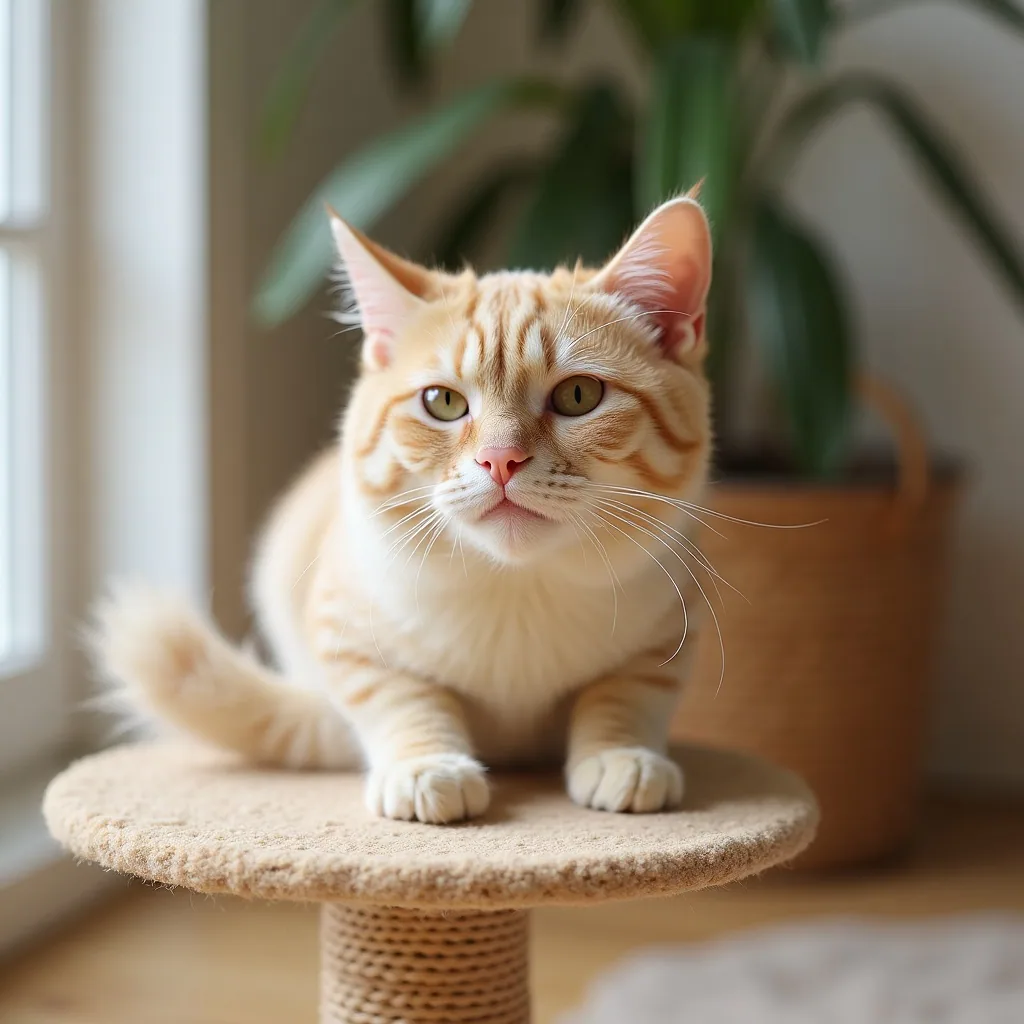 A place of their own to scratch and survey.
Cat scratching posts
From $23.99


Cat furniture
$33.99

Cat scratching posts
From $75.99


Cat scratching posts
From $41.99

Cat scratchers
From $75.99


Cat scratching posts
From $128.99


Cat scratchers
$99.99


Cat scratchers
From $17.99
A little guidance
Buying guides and care advice written for this range: what to measure, what matters and what to skip.
These are our scratching posts for cats and kittens: sisal-wrapped single posts, mushroom and tower designs, multi-post cat trees, wall shelves with posts attached, carpeted pet steps that double as scratchers, and replacement sisal rope for refreshing a worn post. It is for owners who want to save the furniture, and the guide below covers height, stability and where to put a post so your cat actually uses it.
Scratching is normal and necessary. It sheds the old outer layer of the claw, stretches the shoulders and back, and leaves a scent mark from glands in the paws. Telling a cat not to scratch rarely works; giving them a better place to do it does.
A good post redirects the habit away from your sofa and carpet. The Humane Society advises putting the post where your cat already scratches, such as right next to the couch arm they favor, and then rewarding them for using it.
The Humane Society recommends a post at least 32 inches tall, and Cornell's guidance is that it should be at least as tall as your cat standing on its hind legs with front legs outstretched. A full stretch is half the point of scratching, so short posts often go unused by adult cats.
Stability matters just as much. A post that wobbles or tips teaches a cat it is not safe. Look for a broad, heavy base or a wall mount, and check that the post does not rock when you push the top with your hand.
Sisal rope is the most widely recommended surface because claws catch and shred it satisfyingly. Most posts on this page are sisal-wrapped, and the replacement rope lets you rewrap a post rather than throw it away. Carpeted posts suit cats who already target rugs.
Cornell suggests matching the material to what your cat scratches now. A cat shredding a nubby fabric couch will usually take to sisal; a cat pulling at carpet may prefer carpet. If your cat scratches flat surfaces, a horizontal cardboard scratcher may suit them better than any post.
Wall shelves with posts attached give climbing cats a vertical route and save floor space in apartments. They must be screwed into studs or with suitable anchors, because a cat jumping onto a shelf puts sudden force on the fixings.
Carpeted pet steps with scratching posts help cats who struggle to jump onto a high bed or sofa, including seniors and short-legged breeds. These combine a ramp of steps with posts on each side, so one piece covers access and scratching.
Place the post beside the furniture your cat already scratches, then move it gradually once the habit transfers. Rub a little catnip or silvervine on the sisal, drag a wand toy up the post, and praise or treat your cat when they scratch it.
In a home with several scratching spots, Cornell suggests putting a post near each one. Do not replace a post just because it looks shredded. A worn post is one your cat likes, and a new one smells unfamiliar.
At least 32 inches for most adult cats, according to the Humane Society. The post should be tall enough for your cat to stretch fully on its hind legs without the post rocking.
Sisal is the most popular with cats and the most widely recommended. Carpet can suit cats who already scratch rugs. Matching what your cat scratches now gives the best chance of success.
Put it right next to the place your cat already scratches, usually a sofa arm or doorway. Cats also like to scratch after waking, so a post near a favorite sleeping spot is useful.
Yes. Introducing a post early builds the habit before furniture becomes the target. A shorter, very stable post suits small kittens, with a taller one added as they grow. Praise and a treat each time your kitten scratches the post help the habit stick.