







Dogs
Dog winter coats
Ready for any weather.
90 items picked for everyday life with your pet, with shipping estimates on every item.
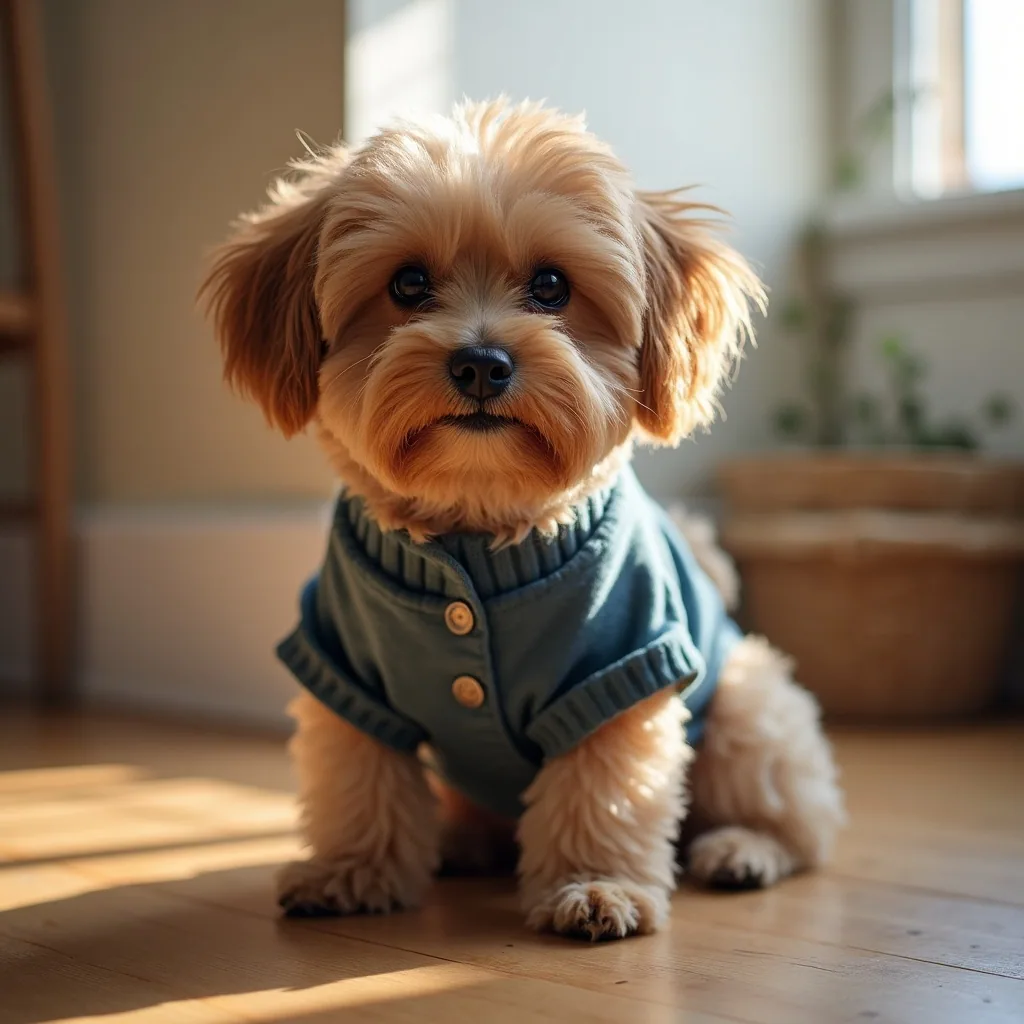 Snug, dry and looking the part.
All dogs clothing & boots →Dog sweaters →Dog clothes →Dog bandanas →Dog shoes & boots →Dog hoodies →Dog raincoats →Dog shirts →Funny dog costumes →Dog bathrobes & drying coats →Dog dresses →Waterproof dog boots →Waterproof dog coats →
↗Tracked US shippingEstimates on every item↶Returns & refundsHow it works♡Here to helpTalk to Giddy Pets
All dog winter coats
Little essentials. Lots of love.


Dog coats with harness hole
Contrast-Zipper Polyester Dog Coat with Buckled Webbing
- Options
- 18 to choose from
From $19.99


Reflective dog coats
Padded Hooded Dog Coat with Reflective Sleeve Strips
- Options
- 10 to choose from
From $18.99


Winter coats for large dogs
Faux-Leather Look Dog Jacket for Medium and Large Breeds
- Options
- 24 to choose from
From $28.99


Winter coats for small dogs
Hooded Parka-Style Dog Coat with Two Back Pockets
- Options
- 13 to choose from
From $19.99


Dog puffer jackets
Color-Block Hooded Dog Jacket with Front Sleeves
- Options
- 45 to choose from
From $18.99


Designer dog clothes
Leather-Look Winter Dog Jacket with Fleece Collar for Big Dogs
- Options
- 3 to choose from
From $28.99

Winter coats for large dogs
High-Collar Nylon Dog Coat with Buckled Belly Strap
- Options
- 12 to choose from
From $23.99


A little guidance
Help choosing dog winter coats
Buying guides and care advice written for this range: what to measure, what matters and what to skip.
From our guides
- Best Winter Coats for Dogs: How to Choose a Warm One That Fits →
- Do Dogs Get Cold? Signs, Risks and When They Need a Coat →
- How to Keep Outdoor Dogs Warm in Winter →
- How Cold Is Too Cold for Dogs? →
- Best Brush for Doodles: How to Keep a Curly Coat Mat-Free →
- Best Brush for Huskies: How to Choose Tools for a Double Coat →
Shop dog jackets for winter: padded and quilted coats, windproof fleece-lined jackets, waterproof coats with warm polyester filling, hooded teddy fleece, shearling-lined faux leather, and coats with a built-in harness or a back lead ring, plus a padded coat for cats. This page is for owners of small, short-coated, senior and slim dogs who walk in cold, wind, rain and snow. Below is how to choose the right warmth, measure correctly and keep a coat working all season.
Does your dog need a winter coat
Breeds with thick double coats, like huskies and malamutes, usually do not. Dogs that benefit are small breeds, short-coated dogs, lean sighthounds, puppies, seniors and dogs with health conditions that make them feel the cold. The ASPCA suggests a coat or sweater with a high collar for short-haired dogs, covering from the base of the tail to the belly.
Watch your dog on a cold walk. Shivering, hunching, lifting paws, slowing down or trying to turn home are all signs it is cold. Cold also stiffens older joints, so a senior dog often walks more comfortably in a coat.
Padded, fleece-lined or waterproof
Padded and quilted coats with polyester filling are the warmest choice for freezing days and long walks. Fleece-lined jackets with a windproof shell suit dry, bitter wind. Teddy fleece hoodies are soft and cozy for short outings and chilly homes but soak through in rain.
For wet winters, sleet and snow, choose a waterproof outer. Most of the padded coats here combine a water-resistant shell with insulation, which is the most versatile option. Shearling-lined faux leather jackets look smart and are warm for dry, cold city walks.
Built-in harness and lead ring coats
Coats with a built-in harness let you clip the leash directly to the coat, so you put on one item instead of two and there is no harness rubbing over the fabric. Check that the harness is a real, adjustable chest harness, and fit it as carefully as you would a standalone one.
Coats with a back lead hole or ring let you wear your dog's own harness underneath and clip through the coat. That is the better choice if your dog already has a harness that fits well, or uses a no-pull design. A matching lead set is a nice extra.
Measuring for a coat
Measure the back from the base of the neck to the base of the tail, the chest around its widest point behind the front legs, and the neck. Chest size matters most for comfort, because a tight chest limits movement, while back length decides how much of your dog is covered.
Deep-chested breeds such as greyhounds and boxers often need a size by chest and accept a slightly long back. On male dogs, check the belly panel stops short of where they pee. If your dog is between sizes, go up, since a coat sits over the fur.
Winter walks and coat care
Reflective trim and bright colors help drivers see your dog on dark winter afternoons. Take the coat off once you are home, so your dog does not overheat indoors, and dry it before the next walk. Wipe your dog's paws after walks on salted sidewalks, as the ASPCA advises, and check between the toes for ice.
Most padded coats can be machine washed on a gentle cycle and line dried. Fleece-lined styles dry quickly. Keep a second coat if you walk twice a day in rain, so one is always dry. Store coats clean and dry over summer.
What temperature does a dog need a coat?
Small, short-coated and senior dogs often benefit once it is cold enough that you need a winter coat yourself, or in wind and wet. Watch for shivering or reluctance to walk rather than relying on one number.
Should a dog coat cover the belly?
For small and short-coated dogs, yes, because the belly is close to cold, wet ground. The ASPCA suggests coverage from the base of the tail to the belly. On males, the panel should end short of where they pee.
Can a dog wear a harness under a coat?
Yes, with a coat that has a lead hole or back ring, so you can clip through it. Coats with a built-in harness replace the separate harness completely, which is simpler and avoids rubbing.
Are waterproof dog coats warm?
Only if they are insulated. A thin rain shell keeps water out but adds little warmth. Padded waterproof coats combine a weather-resistant shell with filling, which suits cold, wet winter walks.
How do I measure my dog for a winter coat?
Measure the back from neck base to tail base, the widest part of the chest behind the front legs, and the neck. Pick the size by chest and back length, and size up if your dog is between sizes.