







Cats
Cat bowls
Little things. Happy cats.
97 items picked for everyday life with your pet, with shipping estimates on every item.
 A happy life, one little thing at a time.
All cats bowls & feeding →Cat water fountains →Automatic cat feeders →Cat slow feeders →Cat water dispensers →
↗Tracked US shippingEstimates on every item↶Returns & refundsHow it works♡Here to helpTalk to Giddy Pets
Find their favorites
Shop cat bowls by type
Choose a section to narrow the range.
All cat bowls
Little essentials. Lots of love.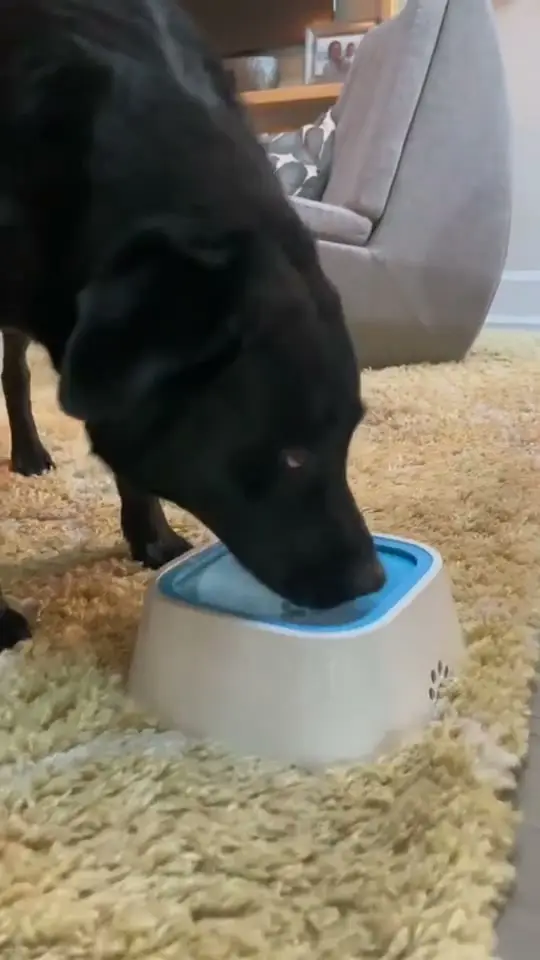

Stainless steel dog bowls
Double Stainless Steel Pet Bowl with Spill-Catching Tray
- Options
- 3 to choose from
From $29.99



No-spill dog water bowls
25 fl oz (750 mL) Floating-Disk Pet Water Bowl in Three Colors
- Options
- 3 to choose from
$26.99

Cat slow feeders
Cat-Shaped Silicone Slow Feeder with Ball and Suction Base
- Options
- 2 to choose from
$21.99

Travel dog bowls
Collapsible Double Travel Bowl with Raised-Edge Mat
- Options
- 4 to choose from
From $19.99

Slow feeder dog bowls
Ceramic Slow Feeder Bowl for Cats and Dogs with Optional Wood Stand
- Options
- 6 to choose from
From $27.99

Puppy essentials
Stainless Steel Puppy and Kitten Litter Weaning Bowl
- Options
- 4 to choose from
From $18.99

Dog bowls
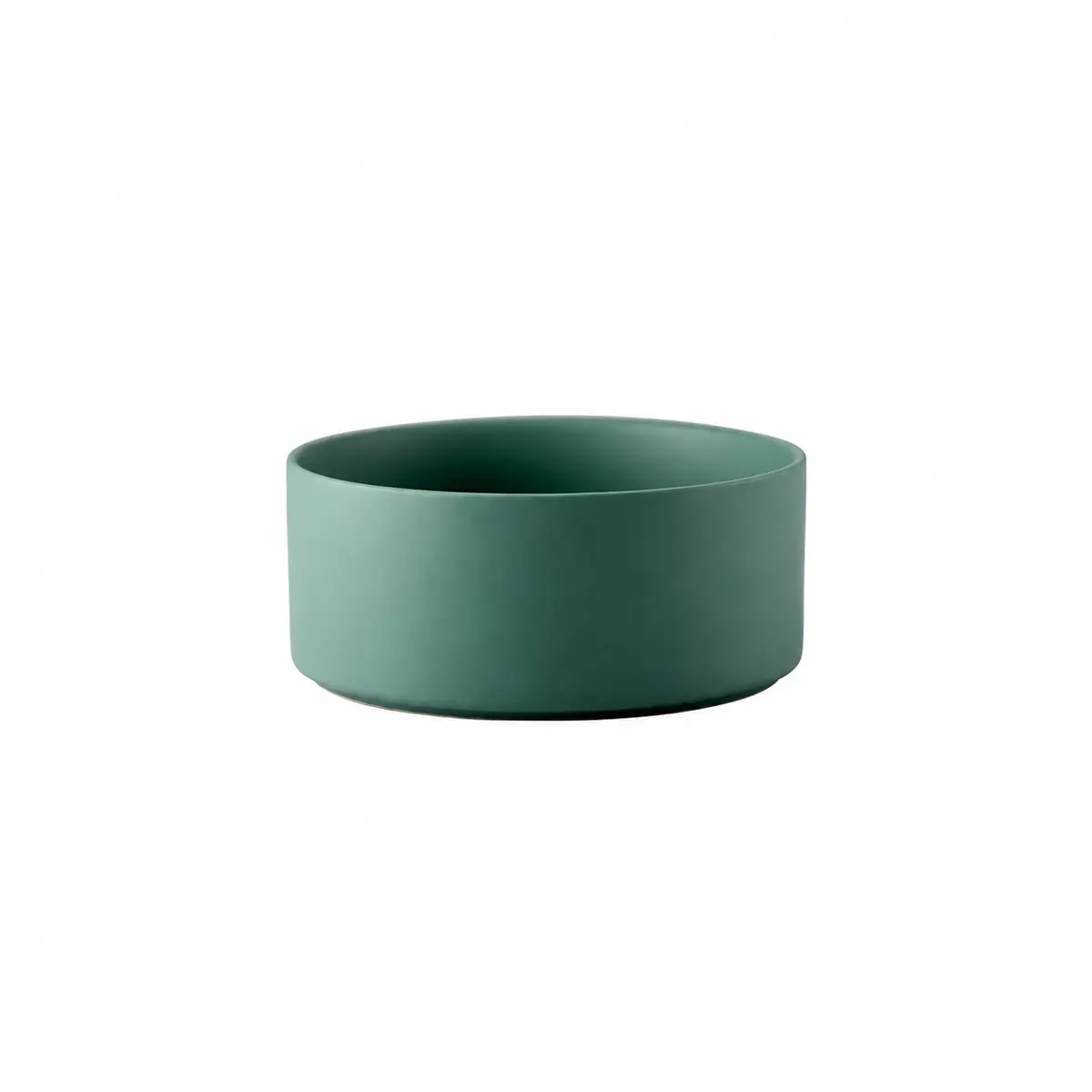
Ceramic Pet Food Bowl, Single or Double with Wooden Stand
- Options
- 54 to choose from
From $21.99

Stainless steel dog bowls
Non-Slip Stainless Steel Dog and Cat Bowl
- Options
- 12 to choose from
From $12.99

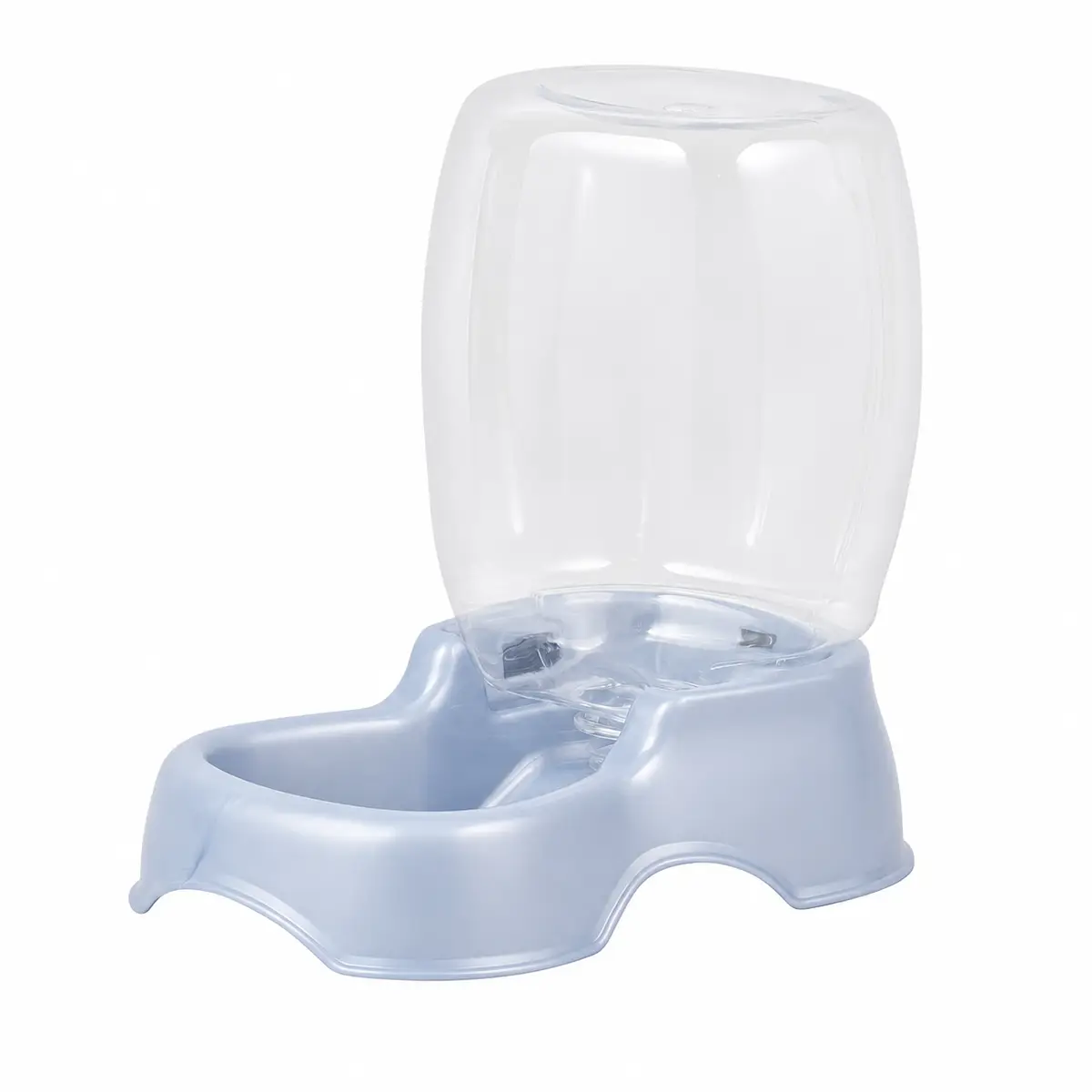
Automatic dog water dispensers
Beige 118 fl oz (3.5 L) Gravity Water Dispenser, Lift-Off Reservoir
$44.99

Elevated dog bowls
Solid Wood Raised Single Pet Bowl Stand with Optional Bowl
- Options
- 5 to choose from
From $41.99


No-spill dog water bowls
68 fl oz (2 L) Floating-Disk Pet Water Bowl and Filter Option
- Options
- 2 to choose from
$35.99


A little guidance
Help choosing cat bowls
Buying guides and care advice written for this range: what to measure, what matters and what to skip.
From our guides
- Best Cat Bowls: How to Choose Food and Water Dishes for Your Cat →
- Best Elevated Cat Bowls: What to Look For Before You Buy →
- Best Stainless Steel Cat Bowls: What to Look For →
- Best Kitten Food: How to Choose What Your Kitten Needs →
- Why Do Cats Have Whiskers? →
- Best Cat Water Fountains: How to Choose One Your Cat Will Use →
This page holds feeding bowls for cats: ceramic and novelty-shaped dishes, raised and tilted double bowls that protect the neck, anti-slip double bowls, cat-shaped and anti-choke slow feeders, a smart auto-lid bowl with a stainless steel insert, a gravity feeder and water set, plus treat spoons and measuring scoops. It is for cat owners choosing a first set of bowls or replacing plastic ones.
Shallow, wide bowls and whisker comfort
Many cats prefer to eat from a shallow, wide dish where their whiskers do not brush the sides. Some cats with deep, narrow bowls pick food out with a paw, leave the middle untouched or drop food on the floor. A wide ceramic dish or a flat plate often solves it.
Flat-faced breeds such as Persians and exotic shorthairs find shallow bowls much easier, since they cannot reach the bottom of a deep one. Tilted bowls angle the food toward the cat, which helps these breeds too.
Raised and tilted double bowls
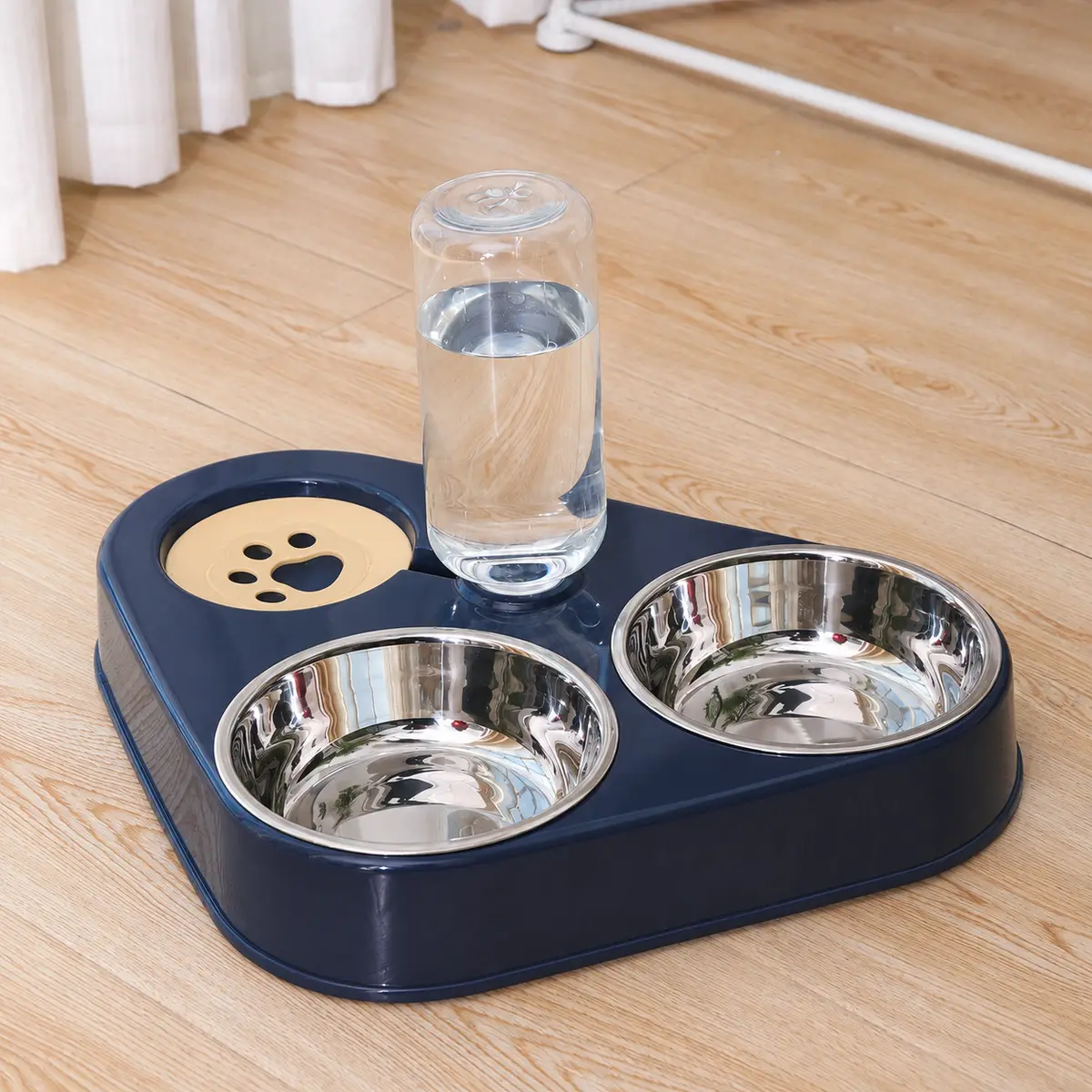
Raised double bowls lift food and water to a more comfortable height and are sometimes described as protecting the cervical spine, since the cat does not have to crouch as low. They suit older cats with stiff joints and cats that vomit after eating hunched over a floor bowl, though your vet should look at any cat that vomits regularly.
Double bowls keep food and water in one tidy place, and anti-slip bases stop them sliding. Many cats prefer their water away from their food, though, so if your cat drinks little, try a separate water bowl or fountain in another spot.
Materials
Ceramic bowls are heavy, stable and easy to clean, and the glaze resists scratches; check they are food-safe and replace any that chip. Stainless steel is light, durable and dishwasher safe. Plastic is cheap but scratches, and scratched plastic holds bacteria.
Some cats with chin acne do better on ceramic or steel than on plastic. Whatever the material, wash food bowls after every meal of wet food and at least daily for dry food.
Slow feeders and gravity feeders
Slow feeder bowls have ridges or a maze that break up the food, which helps cats that gulp and then vomit their meal. Start with a gentle pattern so your cat does not give up.
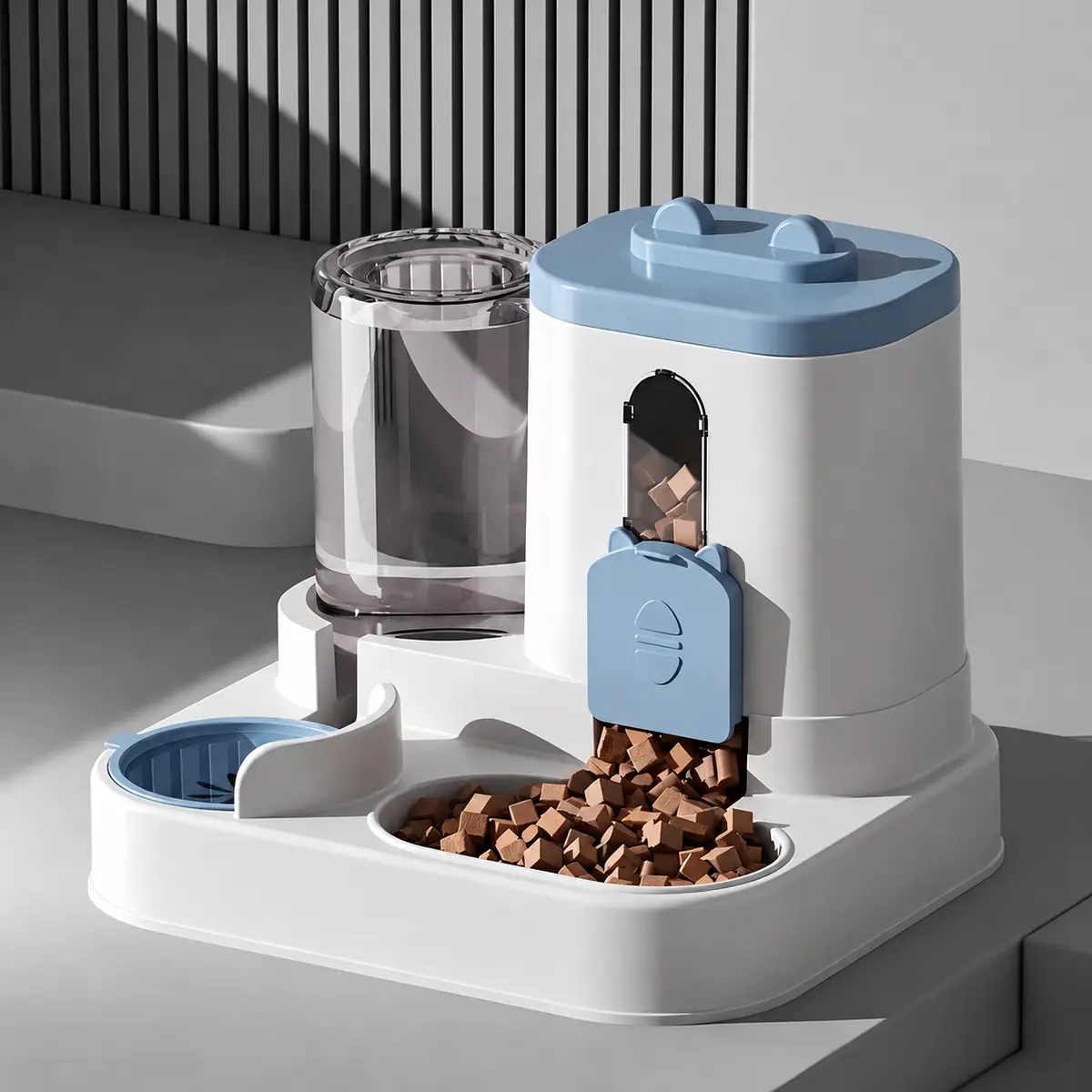
Gravity feeders refill the bowl from a hopper as the cat eats. They suit cats that graze sensibly but not cats that overeat, and they make it hard to track how much your cat is eating. Auto-lid bowls keep food covered between visits, which helps with ants and other pets.
Placement and multi-cat homes
Put food bowls in a quiet spot away from the litter box and away from busy walkways. Cats are wary eaters and may skip meals if they feel exposed or if a dog or another cat hovers.
In multi-cat homes, give each cat its own bowl and, if possible, its own feeding spot. If you notice a change in appetite, weight or eating speed, mention it to your vet, since it can be an early sign of illness.
Bowls for kittens and senior cats
Kittens need shallow, stable dishes they can reach into without climbing in, and small portions served often. Heavy ceramic or a non-slip base stops a playful kitten tipping the bowl over or chasing it across the floor.
Senior cats may develop dental problems or stiff necks, which can make eating from a low, deep bowl uncomfortable. A raised, tilted or wide shallow bowl often helps. If an older cat drops food, chews on one side or eats less than usual, ask your vet to check its mouth and teeth.
Bowl bodies and condition checks
| Material | Physical construction | Inspect and verify |
|---|---|---|
| Ceramic | A fired body with a stated surface finish | Chips,cracks and food-contact suitability |
| Stainless steel | A metal vessel | Edges,surface condition and cleaning instructions |
| Plastic | A molded vessel | Scratches,cracks and cleaning instructions |
What kind of bowl is best for cats?
A wide, shallow bowl in ceramic or stainless steel suits most cats. It is easy to clean, does not hold odors and keeps whiskers from brushing the sides.
Are raised cat bowls better?
They can be more comfortable for older cats and cats that crouch awkwardly at floor level. A slight tilt helps flat-faced breeds. Your cat's preference is the deciding factor.
What is whisker fatigue?
It is the idea that some cats dislike their whiskers brushing the sides of deep bowls. Whatever the cause, many cats eat more happily from shallow, wide dishes.
Should cat food and water bowls be separate?
Many cats prefer water placed away from their food. A double bowl is convenient, but if your cat drinks little, try a separate bowl or fountain in another room.