








Cats
Cat water fountains
Little things. Happy cats.
33 items picked for everyday life with your pet, with shipping estimates on every item.
 A happy life, one little thing at a time.
All cats bowls & feeding →Cat bowls →Automatic cat feeders →Cat slow feeders →Cat water dispensers →
↗Tracked US shippingEstimates on every item↶Returns & refundsHow it works♡Here to helpTalk to Giddy Pets
Find their favorites
Shop cat water fountains by type
Choose a section to narrow the range.
All cat water fountains
Little essentials. Lots of love.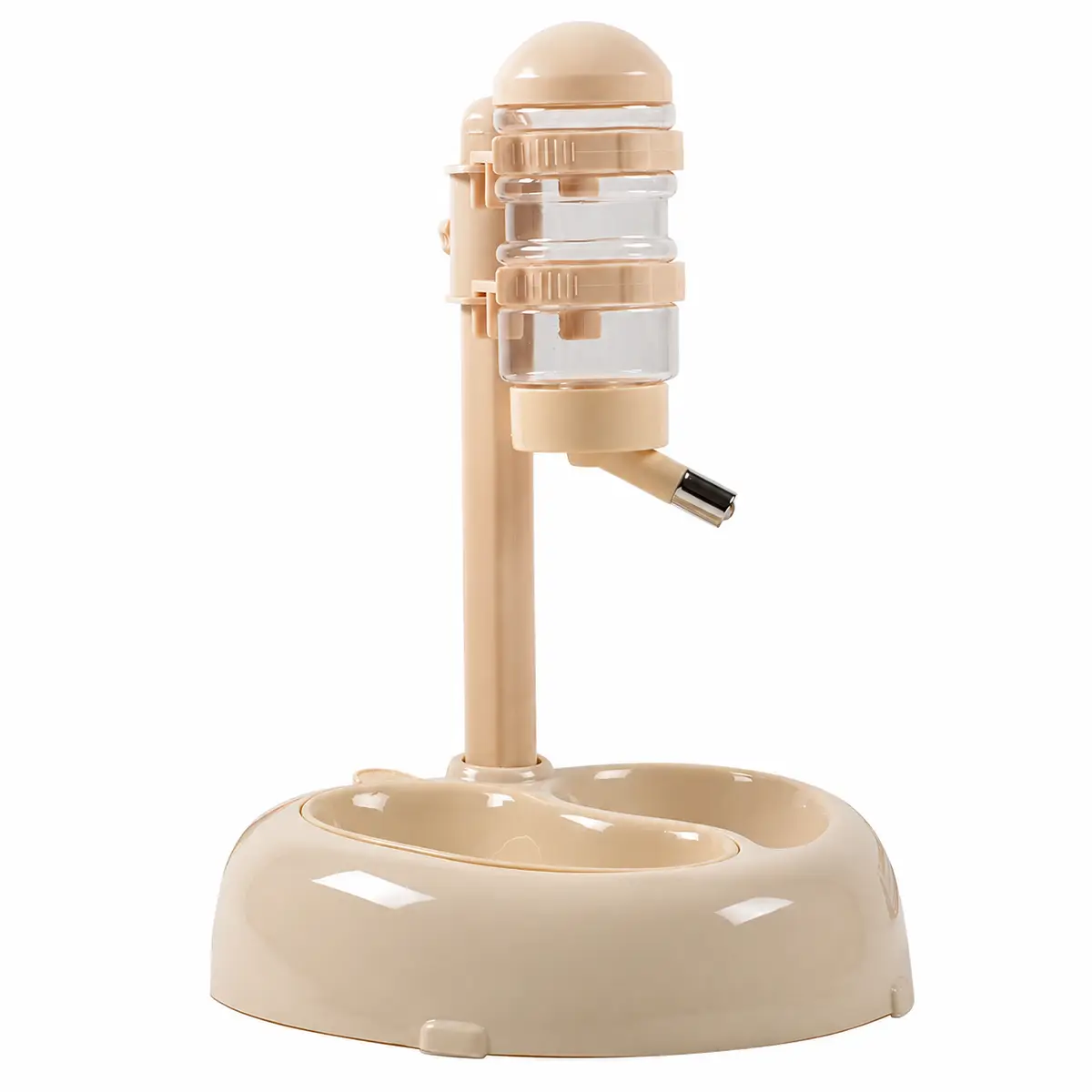
Automatic dog water dispensers
Pet Sipper Bottle and Bowl Station in Seven Configurations
- Options
- 7 to choose from
From $17.99


Automatic cat feeders
Gravity Pet Feeder and Water Dispenser with Clear Canister
- Options
- 8 to choose from
$34.99

Cat water fountains
108 fl oz (3.2 L) Stainless Steel Pet Water Fountain with Window
- Options
- 3 to choose from
From $50.99

Automatic dog water dispensers
Rounded Gravity Pet Food Feeder or Water Dispenser
- Options
- 6 to choose from
From $53.99

Cat water fountains
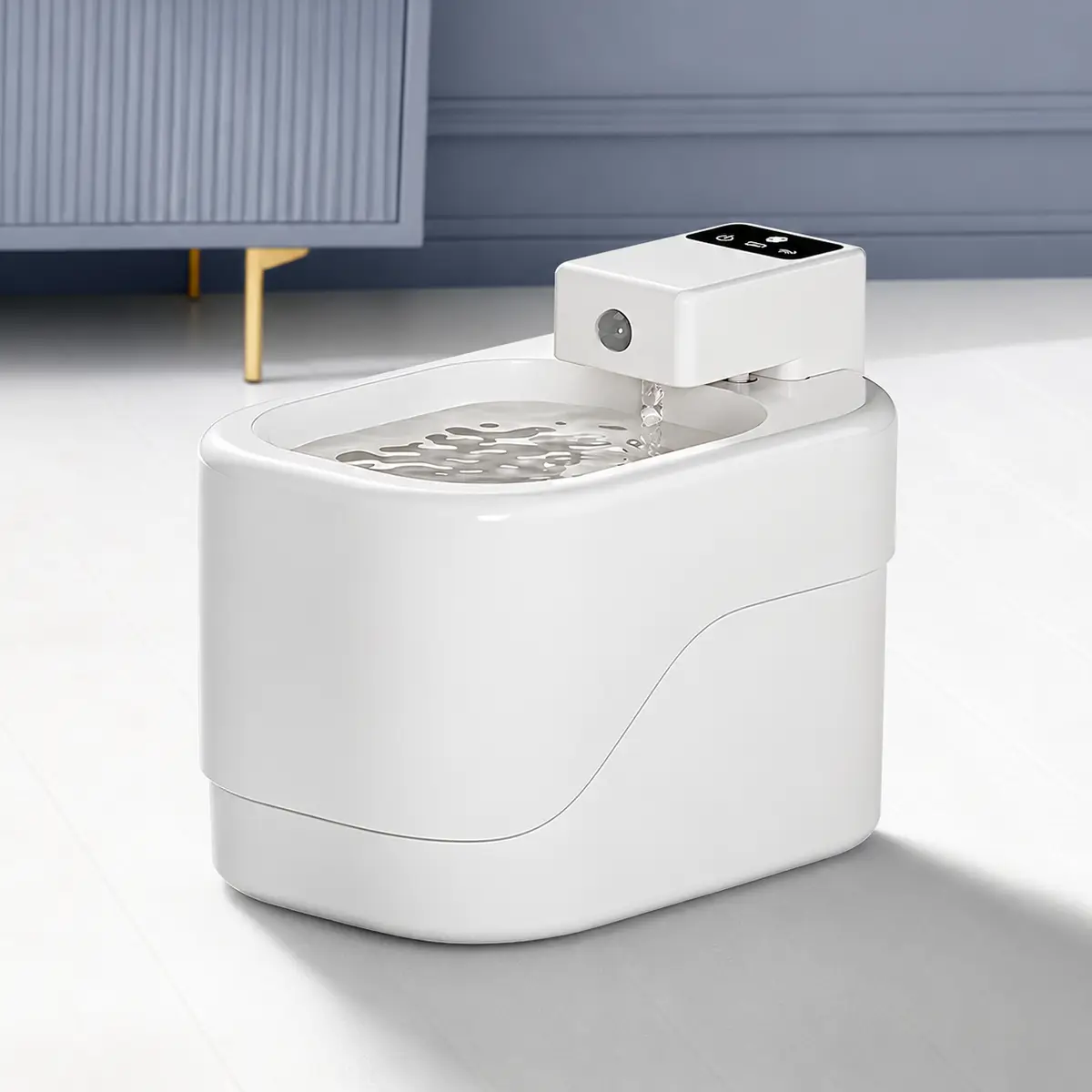
108 fl oz Cordless Stainless Steel Pet Fountain with Motion Sensor
- Options
- 7 to choose from
From $20.99

Cat water fountains
304 Stainless Steel Pet Water Fountain with Filter and USB Power
- Options
- 2 to choose from
$43.99

Cat water fountains
51 fl oz (1.5 L) USB Cat Water Fountain with Filter and 3 Flow Speeds
- Options
- 9 to choose from
$31.99

Cat water fountains
74 fl oz (2.2 L) Pet Water Fountain with T-Shaped Spout and LED Light
- Options
- 2 to choose from
From $39.99

Cat water fountains
85 fl oz (2.5 L) Circulating Pet Water Fountain with Filter, White
- Options
- 2 to choose from
$46.99


Cat water fountains
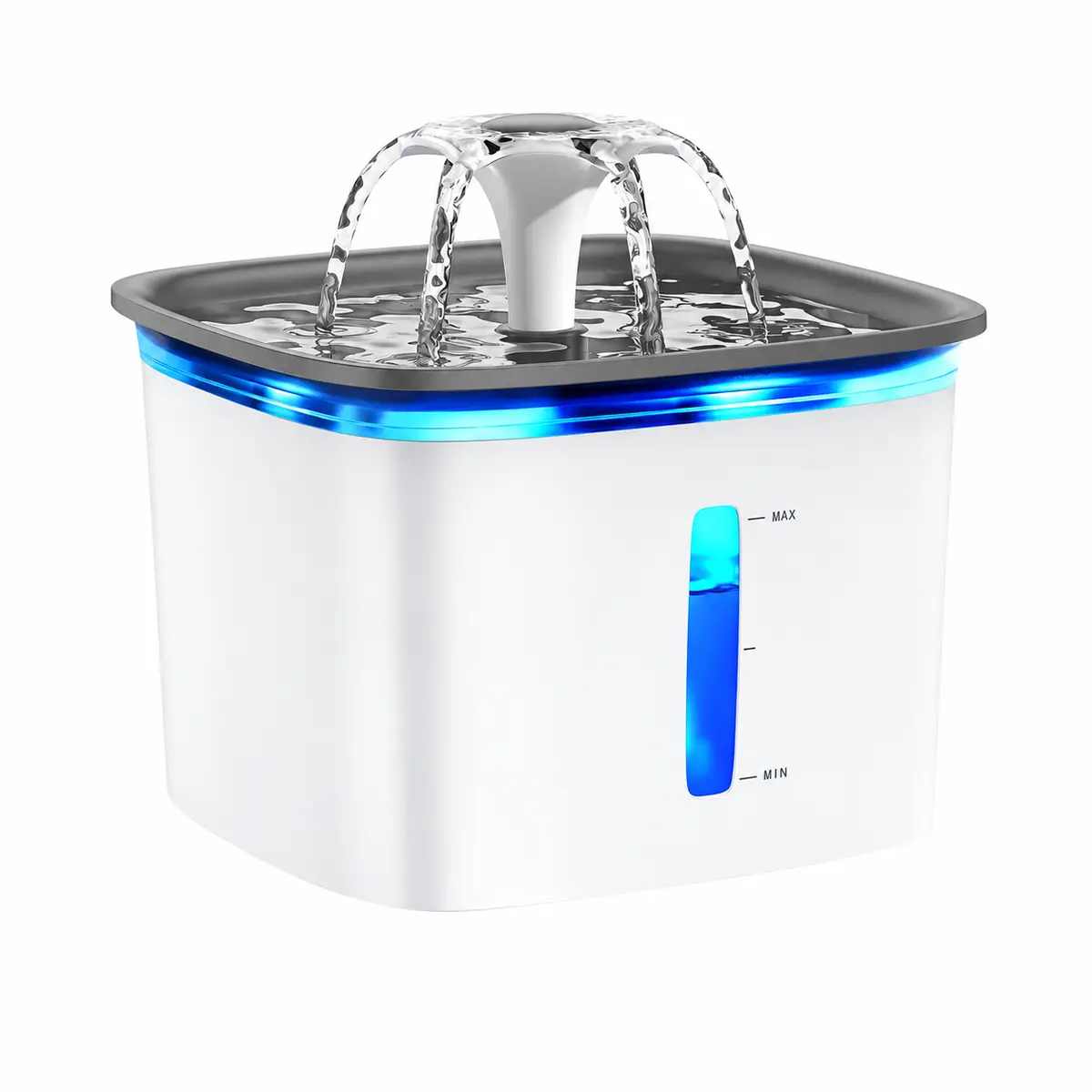
Automatic Cat Water Fountain with Built-In Food Bowl, 95 fl oz (2.8 L)
- Options
- 2 to choose from
$37.99

Cat water fountains
Automatic Circulating Pet Water Fountain with 51 fl oz (1.5 L) Tank
- Options
- 36 to choose from
From $25.99

Cat water fountains
Battery-Powered Ceramic Pet Water Fountain with Sensor, 101 fl oz
- Options
- 9 to choose from
From $82.99

Cat water fountains
Ceramic Cat Fountain and Bowl Set on a Raised Stand
- Options
- 3 to choose from
From $95.99

Cat water fountains
Ceramic Leaf-Shaped Cat Water Fountain in White or Pink
- Options
- 2 to choose from
$55.99


Cat water fountains
Clear Cat Water Fountain, 60.9 fl oz with Two Flow Modes
- Options
- 7 to choose from
From $54.99



Cat water fountains
Quiet Stainless Steel Pet Water Fountain with Flower or Faucet Spout
- Options
- 12 to choose from
From $45.99
A little guidance
Help choosing cat water fountains
Buying guides and care advice written for this range: what to measure, what matters and what to skip.
From our guides
- Best Cat Water Fountains: How to Choose One Your Cat Will Use →
- Best Ceramic Cat Water Fountains: What Actually Matters →
- Best Cordless Cat Water Fountain: What Actually Matters →
- Do Cats Need a Water Fountain? →
- Easiest-to-Clean Cat Water Fountains: What to Look For →
- How to Clean a Cat Water Fountain →
This page covers cat water fountains: filtered plastic fountains, stainless steel and ceramic fountains, motion-sensor models that run when your cat approaches, and cordless battery-driven units, in sizes from compact bowls to around 3 liters. It is for owners whose cats drink too little, prefer running water from the faucet, or who want fresh water available through the day.
Why cats drink from fountains
Many cats prefer moving water, and the Cornell Feline Health Center notes that some cats increase their water intake when given a fountain, though preferences vary from cat to cat. Running water stays aerated and cooler, and the sound helps some cats find it. A fountain is not a cure for anything, but it is an easy way to make water more appealing.
Cornell puts a cat's daily needs at about 4 ounces of water per 5 pounds of lean body weight, roughly one cup for a 10 lb cat. Cats on wet food get much of that from their meals and may drink less. Lethargy, poor appetite and dry gums can be signs of dehydration, and Cornell advises contacting a vet promptly if you suspect it.
Stainless steel, ceramic or plastic
Stainless steel and ceramic bowls are easy to scrub, do not scratch as readily as plastic and are less likely to hold the film and odors that build up in fountain water. They are a good choice for cats prone to chin acne or owners who dislike cleaning plastic. Ceramic is heavier, which keeps the fountain steady on hard floors.
Plastic fountains are lighter and usually larger for the money, and many have a clear reservoir that shows the water level at a glance. Look at how many parts come apart. A fountain that disassembles fully into bowl, pump, filter and cover is one you will actually clean.
Pumps, sensors and cordless models
Wired fountains run continuously and are the simplest. Sensor fountains run only when a cat comes near, which reduces noise and wear and can stretch a filter's life. Cordless models use a rechargeable battery so the fountain can sit away from an outlet, but they need charging on a schedule.
Listen to a pump before you settle on a spot. Most are quiet, but any pump hums if the water drops too low, and some cats will not drink beside a noise. Keep the reservoir topped up so the pump never runs dry, which is the most common reason fountains fail early.
Cleaning and filters
Plan to clean the whole fountain about once a week, more often in multi-cat homes. Empty it, take the pump apart and wipe the impeller, scrub the bowl with warm soapy water and rinse well. Replace filters on the schedule the manufacturer gives, and sooner if the water looks cloudy.
Top up with fresh water daily rather than letting it run down. If you notice your cat suddenly drinking much more or much less than usual, or urinating more, mention it to your vet, because a change in thirst can be an early sign of illness.
Choosing a size and placement
Capacity sets how often you refill, not how much your cat drinks. A 2 to 2.5 liter fountain suits one or two cats with daily top-ups, and a 3 liter model gives a little more slack in a multi-cat home. Smaller fountains are easier to clean in a sink.
Place the fountain away from the litter box and a little apart from the food bowl, in a quiet spot where your cat can see around it. Cornell suggests fresh water in several locations for cats that need encouragement, so a fountain can sit alongside, rather than replace, an ordinary water bowl.
Are water fountains good for cats?
For many cats, yes. The Cornell Feline Health Center notes that some cats drink more from fountains, though not all. Keep a plain bowl available too until you know your cat uses it.
How often should I clean a cat water fountain?
Clean the bowl and pump about weekly, top up the water daily and change filters on the manufacturer's schedule. Clean more often with several cats or if the water looks cloudy.
Is a stainless steel cat fountain better than plastic?
Stainless steel resists scratches and buildup and is easy to scrub. Plastic is lighter and often larger. Either works if it comes apart fully for cleaning.
Why won't my cat drink from the fountain?
Some cats are wary of new objects or pump noise. Place it in a quiet spot away from the litter box, keep the old bowl nearby, and give your cat a week or two to investigate.