







Automatic cat feeders
1.1 gal (4 L) Automatic Pet Feeder with 1080p Camera and App Control
- Options
- 2 to choose from
From $129.99
Free US shipping over $49 · 30-day free returns · Happy pets, happy homes
Pet care guidesCats
Little things. Happy cats.
58 items picked for everyday life with your pet, with shipping estimates on every item.
 A happy life, one little thing at a time.
Find their favorites
Choose a section to narrow the range.
Automatic cat feeders
From $129.99

Automatic dog feeders
From $74.99

Automatic dog water dispensers
$44.99


Automatic cat feeders
$75.99

Automatic dog feeders
From $127.99

Automatic dog water dispensers
$41.99

Automatic cat feeders
$83.99

Automatic dog feeders
$80.99
Automatic dog water dispensers
From $33.99

Automatic cat feeders
From $143.99

Automatic dog feeders
From $100.99

Automatic dog water dispensers
From $53.99


Automatic dog water dispensers
$41.99

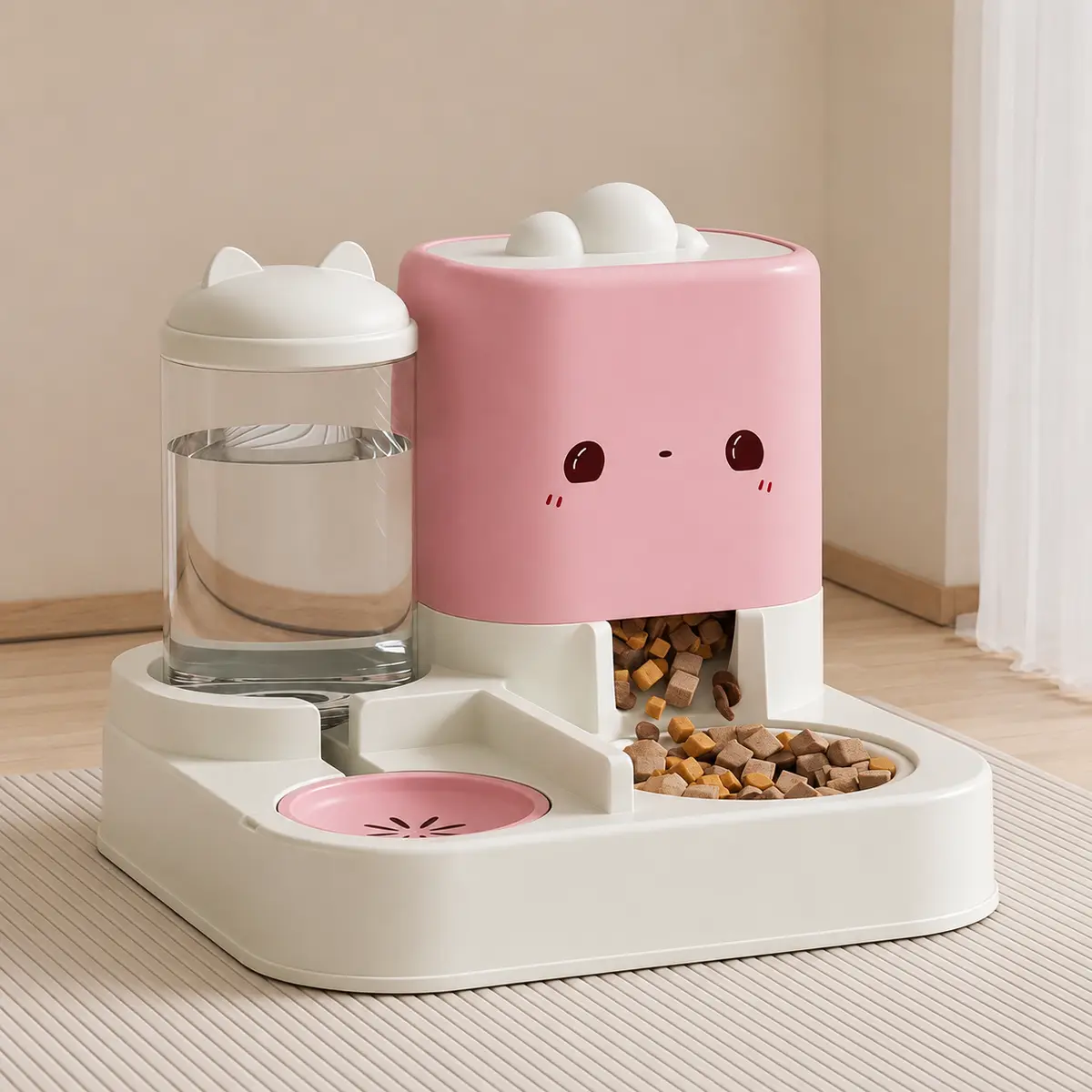

Automatic cat feeders
From $110.99
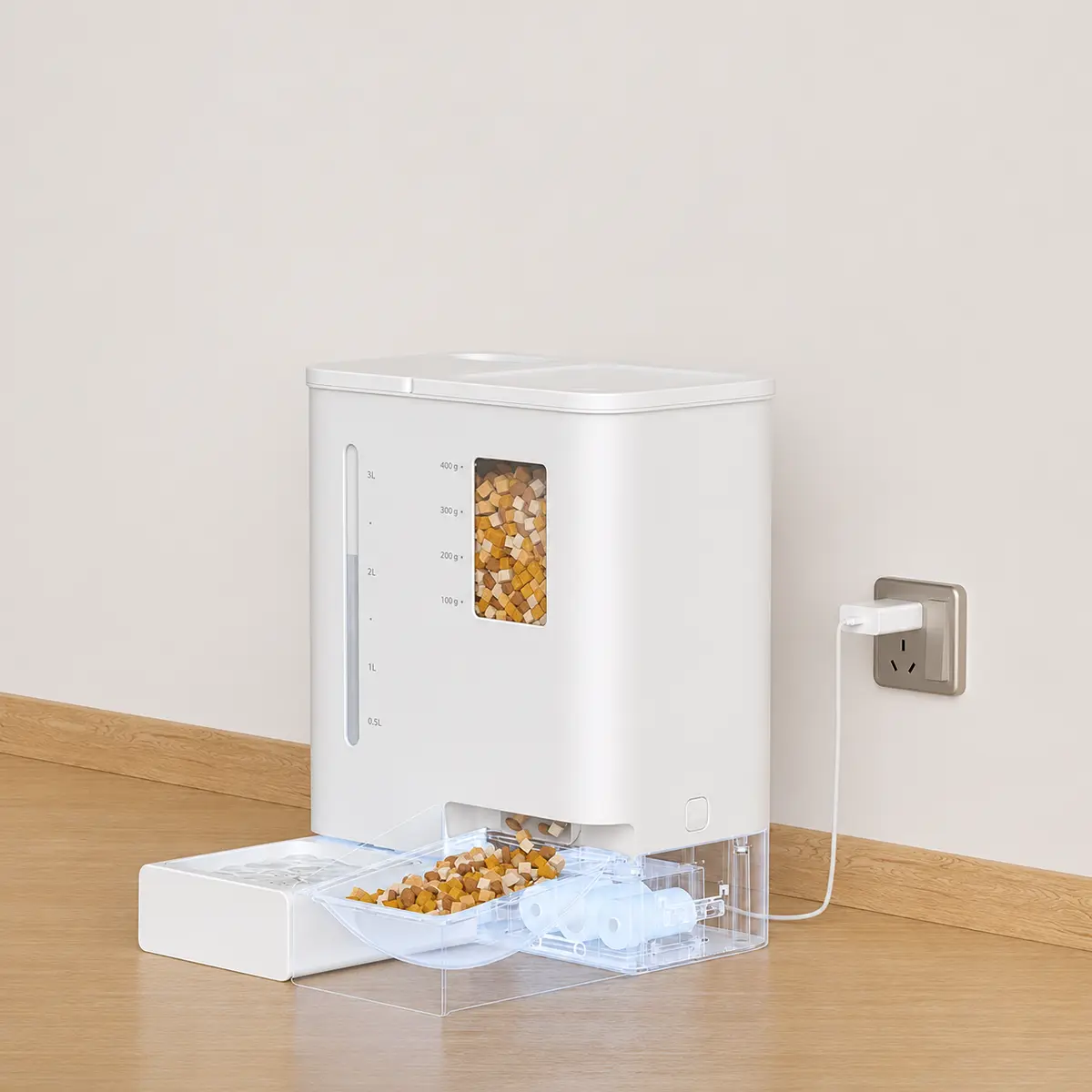

Automatic cat feeders
$134.99
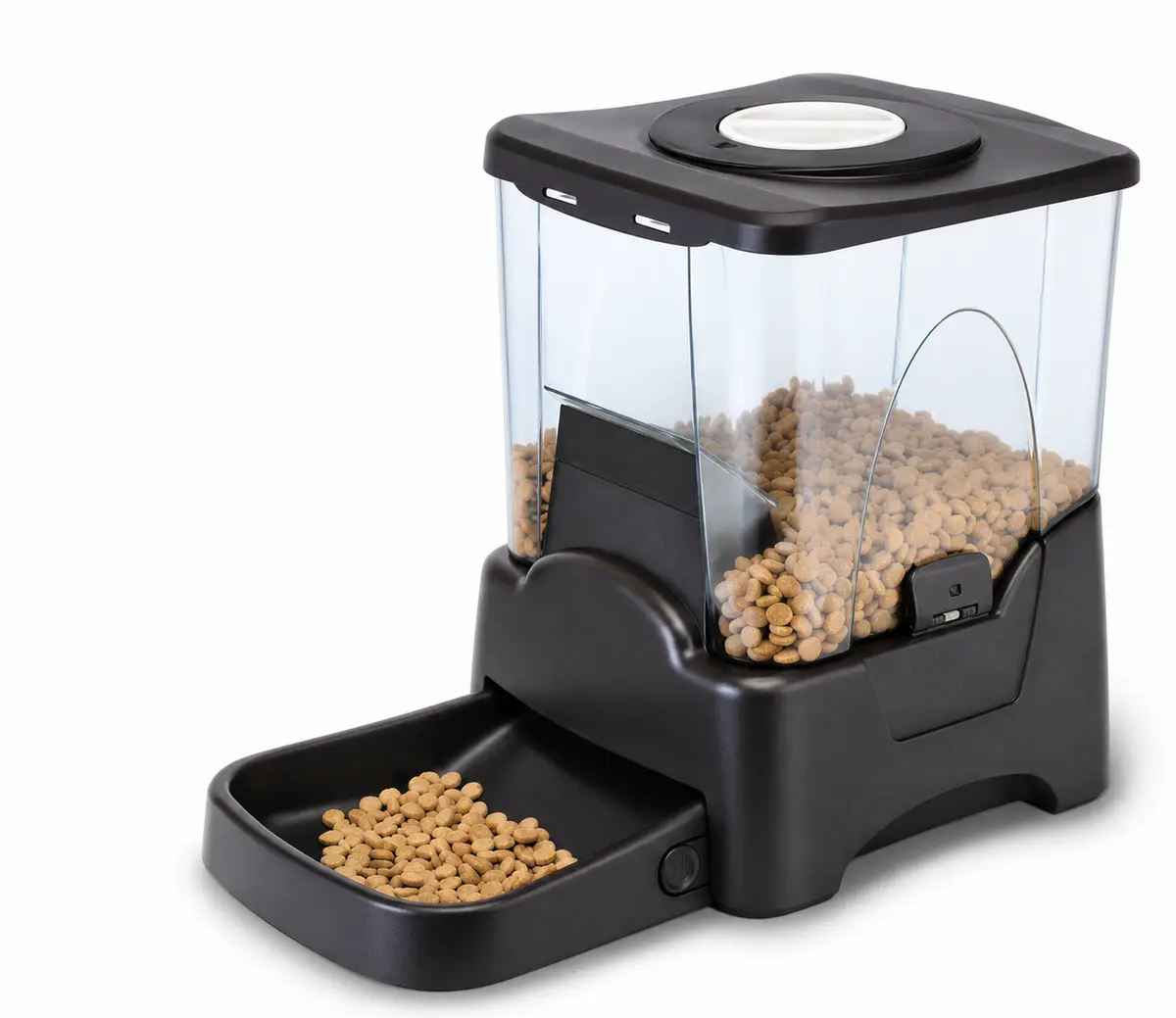


Automatic dog feeders
From $81.99
A little guidance
Buying guides and care advice written for this range: what to measure, what matters and what to skip.
Shop automatic cat feeders that dispense dry food on a schedule: timed feeders with up to five meals a day, app-controlled Wi-Fi feeders, twin-bowl models for two cats, a stainless steel bowl feeder, and a feeder and water fountain set. This page is for owners who work long days, travel overnight, or want to split their cat's food into small, regular meals. The guide explains how each type works and how to set one up so your cat eats the right amount.
Every feeder here holds dry kibble in a sealed hopper and releases a set portion into a bowl at the times you choose. Timed feeders are programmed on the unit with buttons and a display. Wi-Fi feeders connect to an app, so you can change the schedule, trigger an extra meal and see when food was dispensed from your phone.
These feeders are for dry food. Wet food spoils at room temperature, so a feeder that holds kibble for days is not suitable for it. If your cat eats wet food, a feeder can cover the dry part of the diet while you handle wet meals yourself.
Leaving a full bowl down all day suits some cats, but many overeat. The Cornell Feline Health Center calls obesity the most common nutrition-related problem in cats, linked to arthritis and diabetes. A feeder lets you measure the day's food and split it into several small meals, which is closer to how cats naturally eat.
Ask your vet what your cat's ideal weight is and how much it should eat a day, then divide that by the number of meals. Weigh the first few portions on a kitchen scale, because portion sizes vary with kibble shape and size.
In a multi-cat home, one cat often eats the other's share. Twin-bowl feeders, like the two-bowl models in this range, split each portion between two bowls at once, so both cats eat at the same time from their own dish. Place the bowls a little apart.
If one cat is on a prescription diet or still bolts both bowls, a shared feeder will not fix it, and separate feeding rooms are the answer. For cats that simply eat too fast, a slow feeder bowl under the feeder spout can help.
A missed meal is the main worry, so look at the power setup. Many feeders run on mains power with batteries as backup, and keep the schedule during a power cut. Wi-Fi models still dispense on the stored schedule if the internet drops, but you lose alerts.
Small round kibble flows best. Large, flat or oily kibble can jam the dispenser, so test your cat's food for a few days while you are home. Keep the hopper lid locked, because some cats learn to tip feeders or pry the lid open.
Introduce the feeder slowly. Put it where your cat normally eats, add a few treats to the bowl, and run a few small meals while you are home so the motor noise becomes normal. Keep the feeder away from the litter box, since cats dislike eating near it.
Wash the bowl every few days and the hopper every couple of weeks, drying it fully before refilling so leftover oil does not go rancid. A feeder is not a substitute for a check-in: if you travel, have someone see your cat daily.
They help most cats, because they deliver measured portions on a schedule and stop free-feeding. They are especially useful for overweight cats and for owners away for long days. Introduce one gradually.
Not the feeders on this page, which are designed for dry kibble. Wet food spoils at room temperature within hours, so it needs refrigerated storage and should be served fresh.
A feeder can cover a long day or an overnight trip, but someone should still check on your cat daily for water, the litter box and health. Do not rely on a feeder alone for longer trips.
Many feeders take backup batteries and keep the schedule in memory during a power cut. Check the listing, fit fresh batteries, and test the backup before you rely on it.
A twin-bowl feeder gives each cat a portion at the same time. If one cat still finishes both, feed them in separate rooms, or ask your vet about a microchip-controlled bowl.