






Cats
Cat toys
Pounce, chase, play.
210 items picked for everyday life with your pet, with shipping estimates on every item.
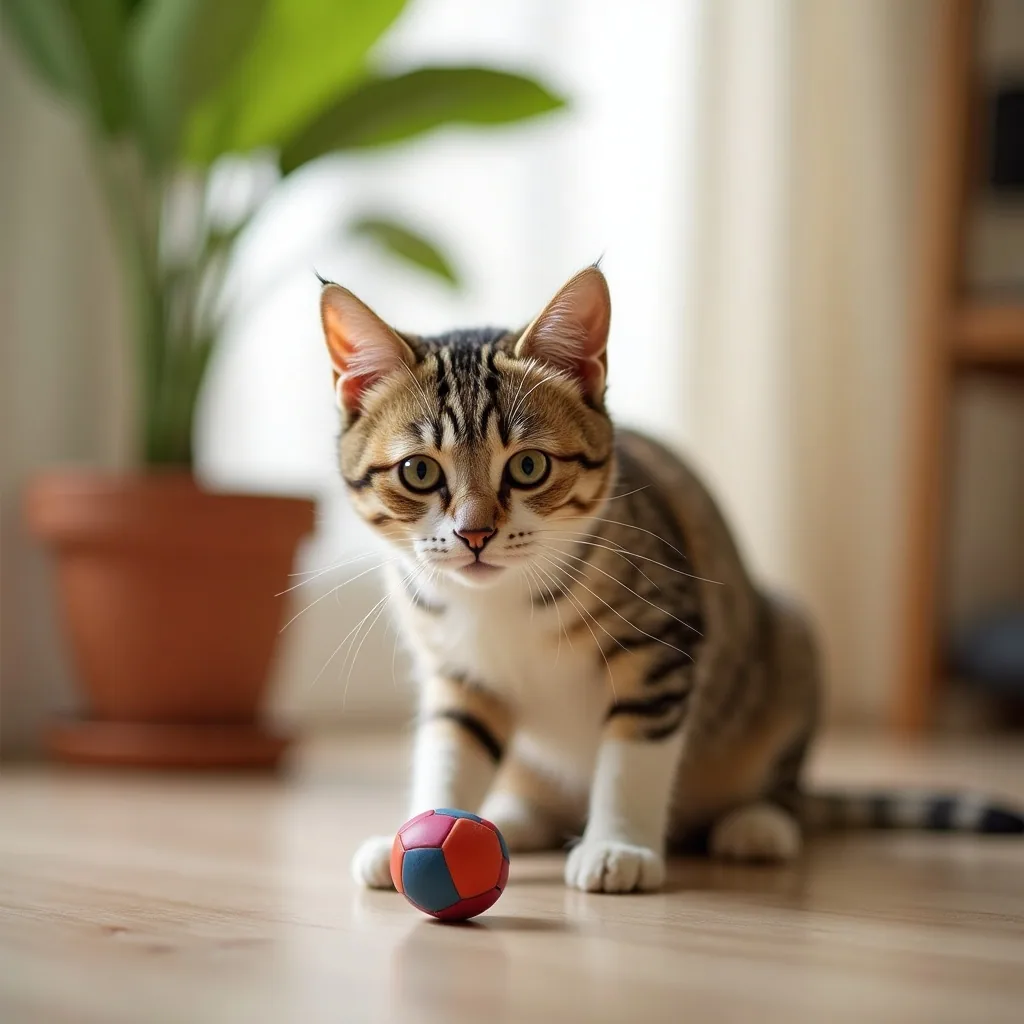 A little fun goes a long way.
All cats toys & play →Cat scratchers →Interactive cat toys →Cat tunnels →Cat scratching posts →Cat puzzle feeders →Cat exercise wheels →Cat scratch deterrents →Catnip & silvervine toys →
↗Tracked US shippingEstimates on every item↶Returns & refundsHow it works♡Here to helpTalk to Giddy Pets
Find their favorites
Shop cat toys by type
Choose a section to narrow the range.
All cat toys
Little essentials. Lots of love.



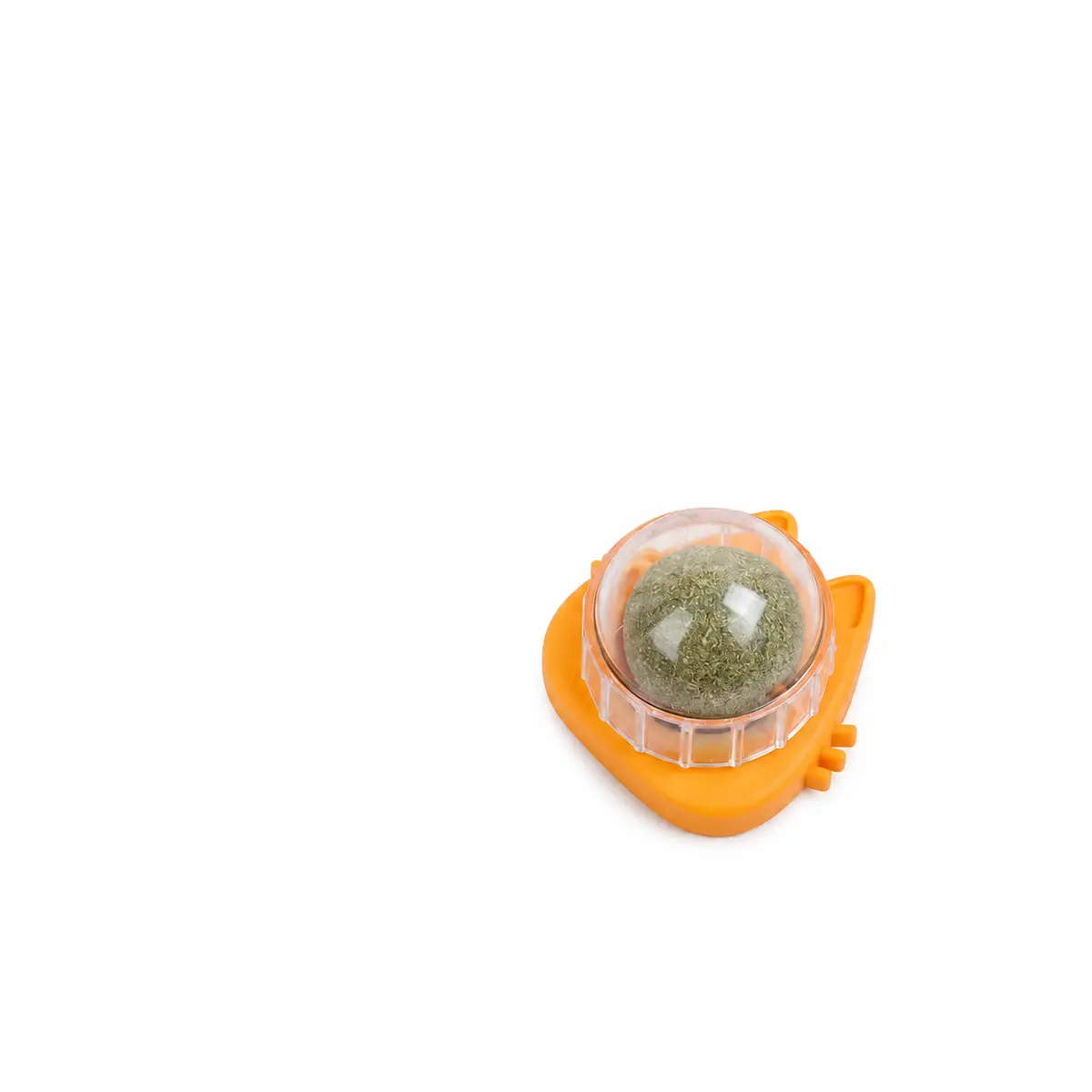
Catnip & silvervine toys
Catnip Ball Toy with Shaped Plastic Holder and Clear Cover
- Options
- 9 to choose from
$11.99

Cat exercise wheels
Cat Exercise Wheel, 31.5 in, with Carpet Track and Safety Lock
- Options
- 3 to choose from
From $81.99

Cat furniture
Compact Sisal Cat Scratching Post with Mouse and Ball Toys
- Options
- 3 to choose from
$33.99


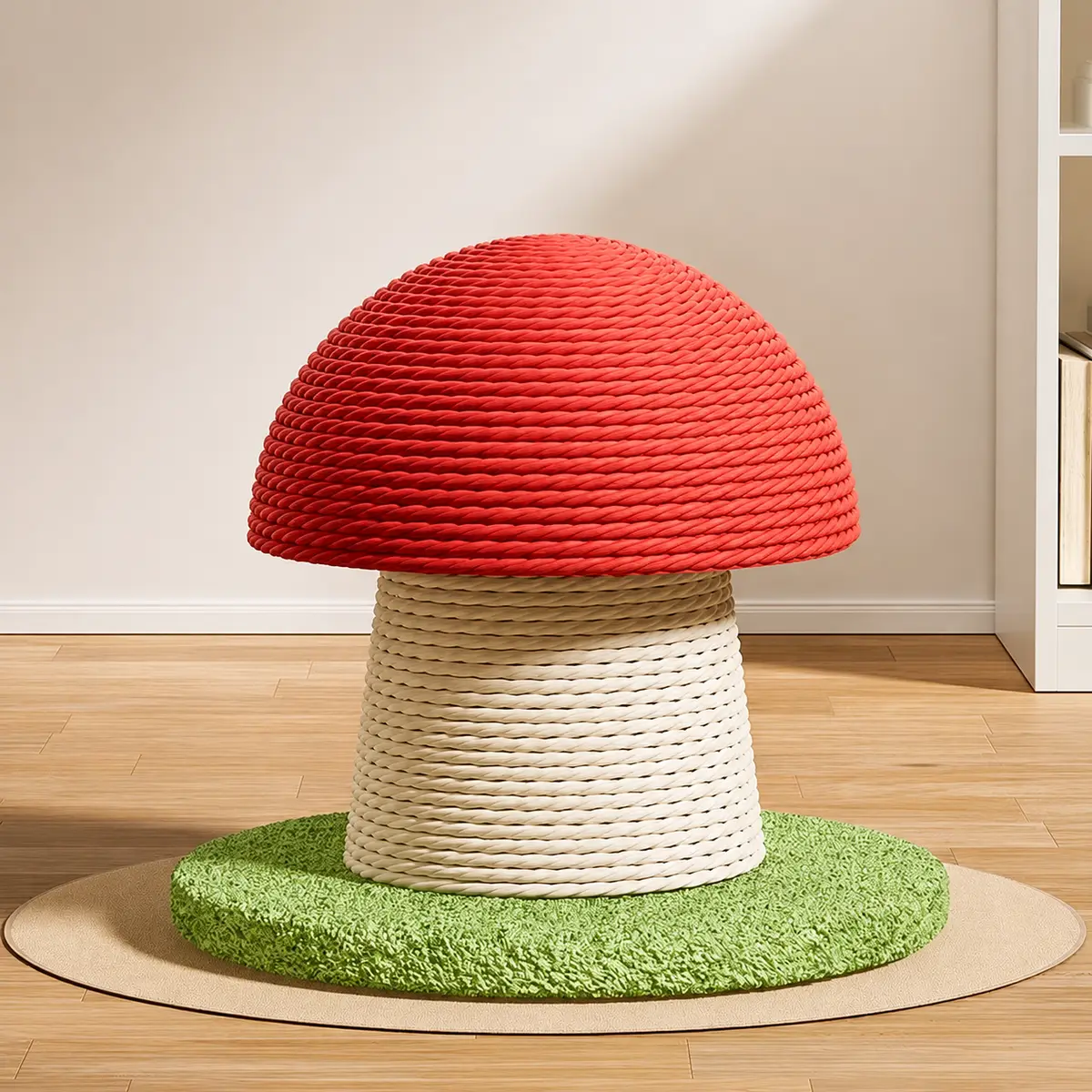
Cat scratching posts
Red Mushroom Sisal Cat Scratching Post in Several Styles
- Options
- 7 to choose from
From $29.99


Interactive dog toys
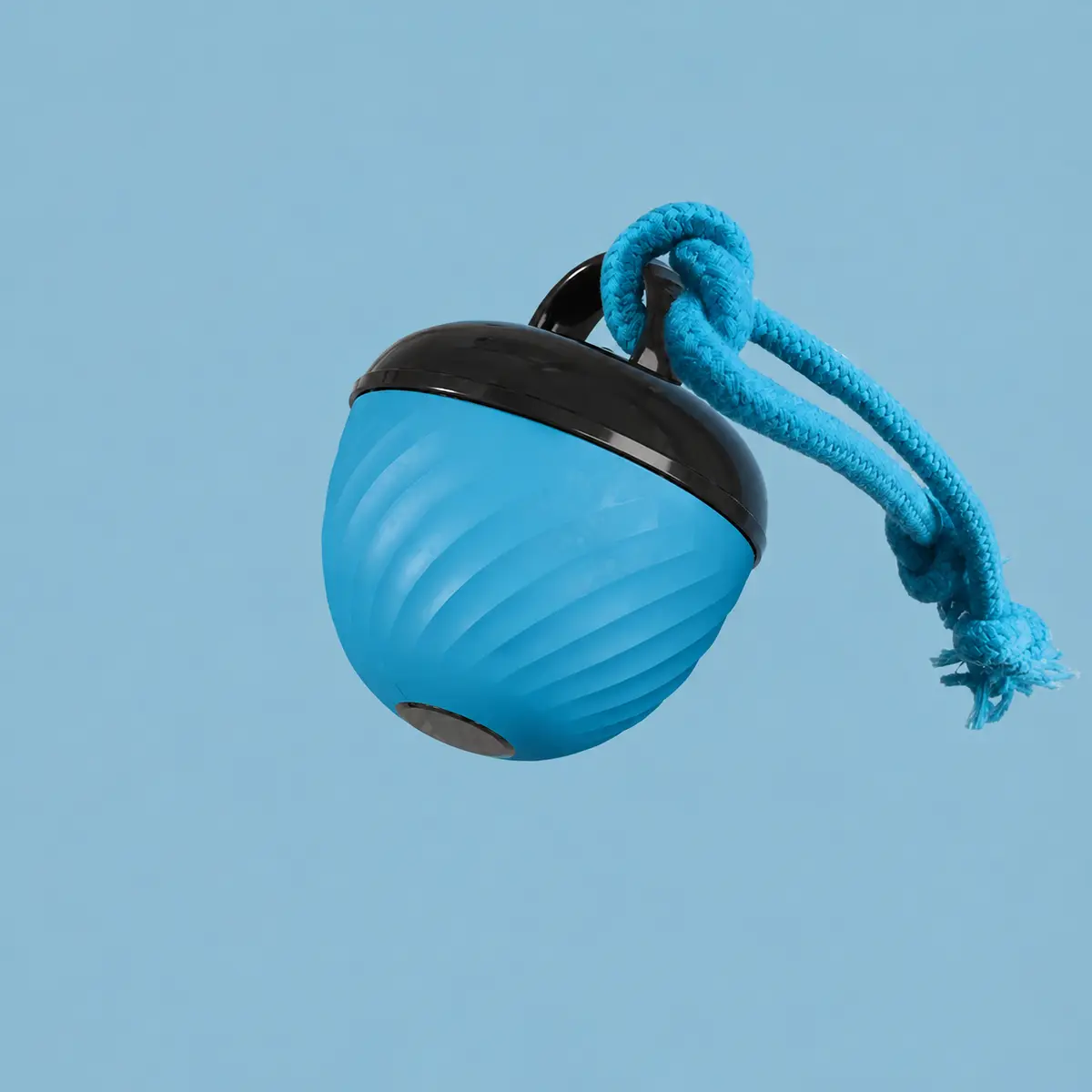
Rechargeable Moving Ball Toy with Rope for Dogs and Cats
- Options
- 2 to choose from
$19.99




Interactive dog toys
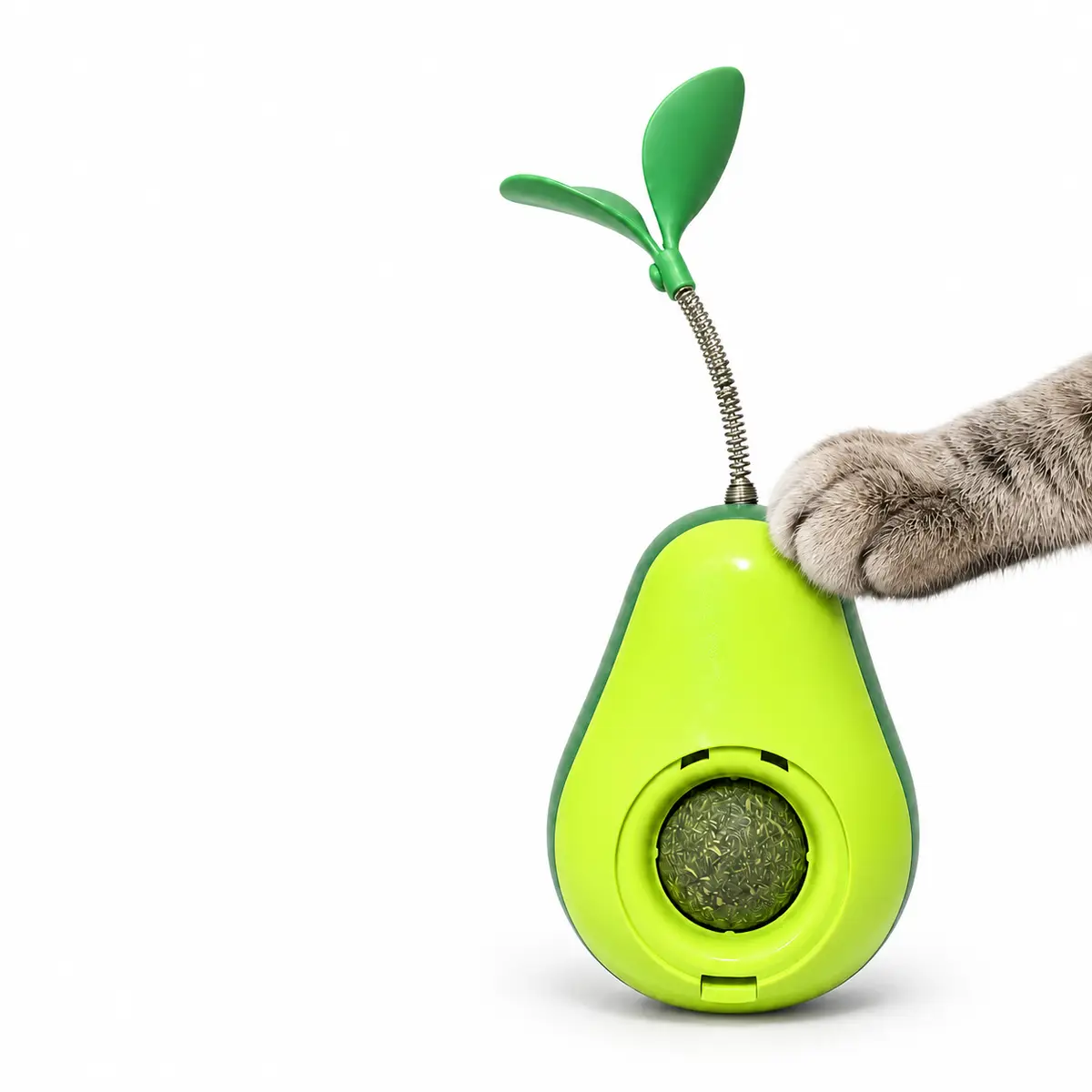
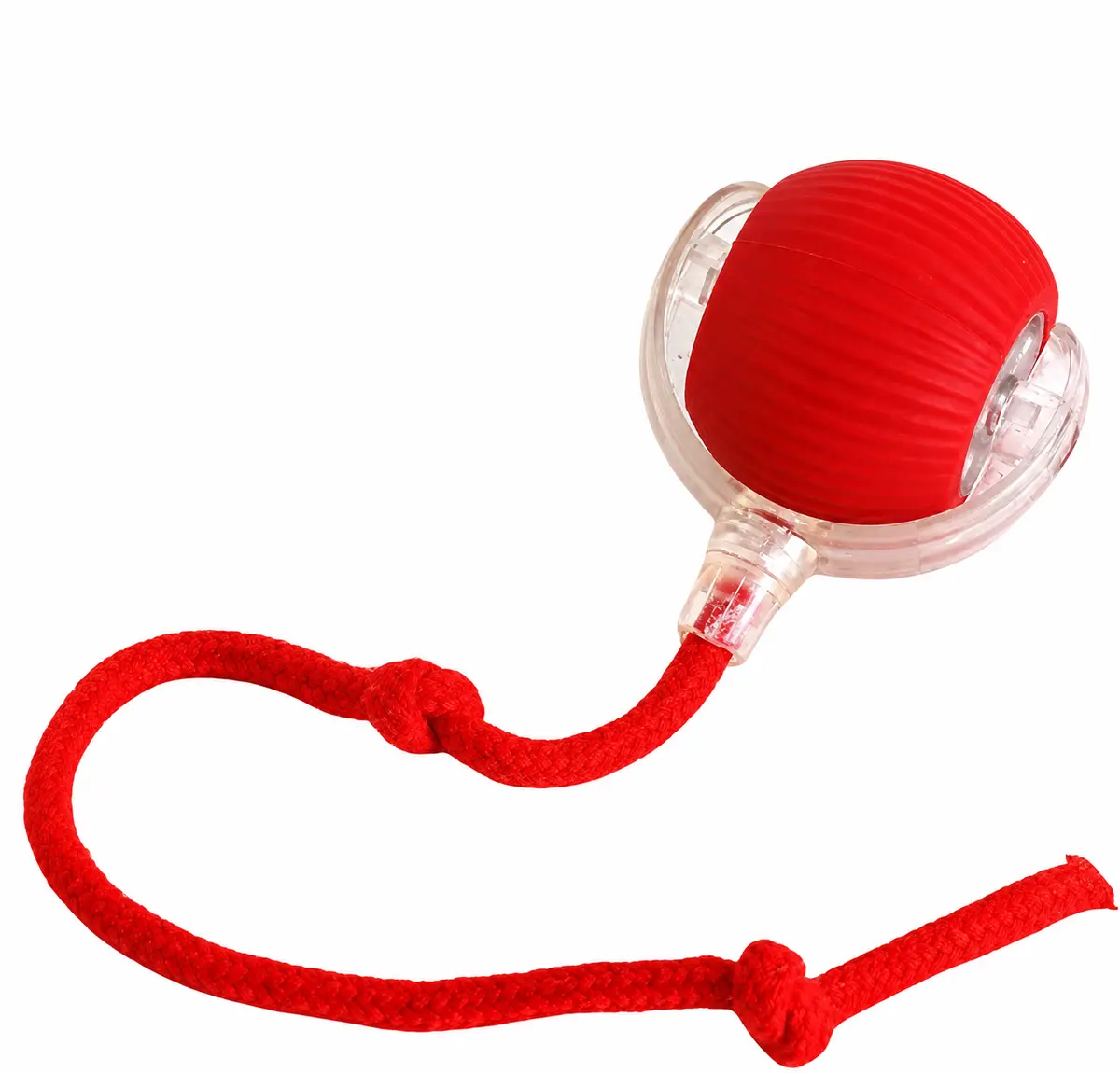
Self-Rolling Dog Ball Toy with Rope for Tug and Chase
- Options
- 3 to choose from
$15.99
A little guidance
Help choosing cat toys
Buying guides and care advice written for this range: what to measure, what matters and what to skip.
From our guides
- Best Cat Toys: How to Choose Toys Cats Actually Use →
- DIY Cat Toys: Easy Homemade Toys Cats Love →
- Best Automatic Cat Toys: What Actually Matters →
- Best Catnip Toys: How to Choose Ones Your Cat Will Love →
- Best Kitten Toys: What to Look For and What to Avoid →
- Best Cat Kicker Toys: What Actually Matters →
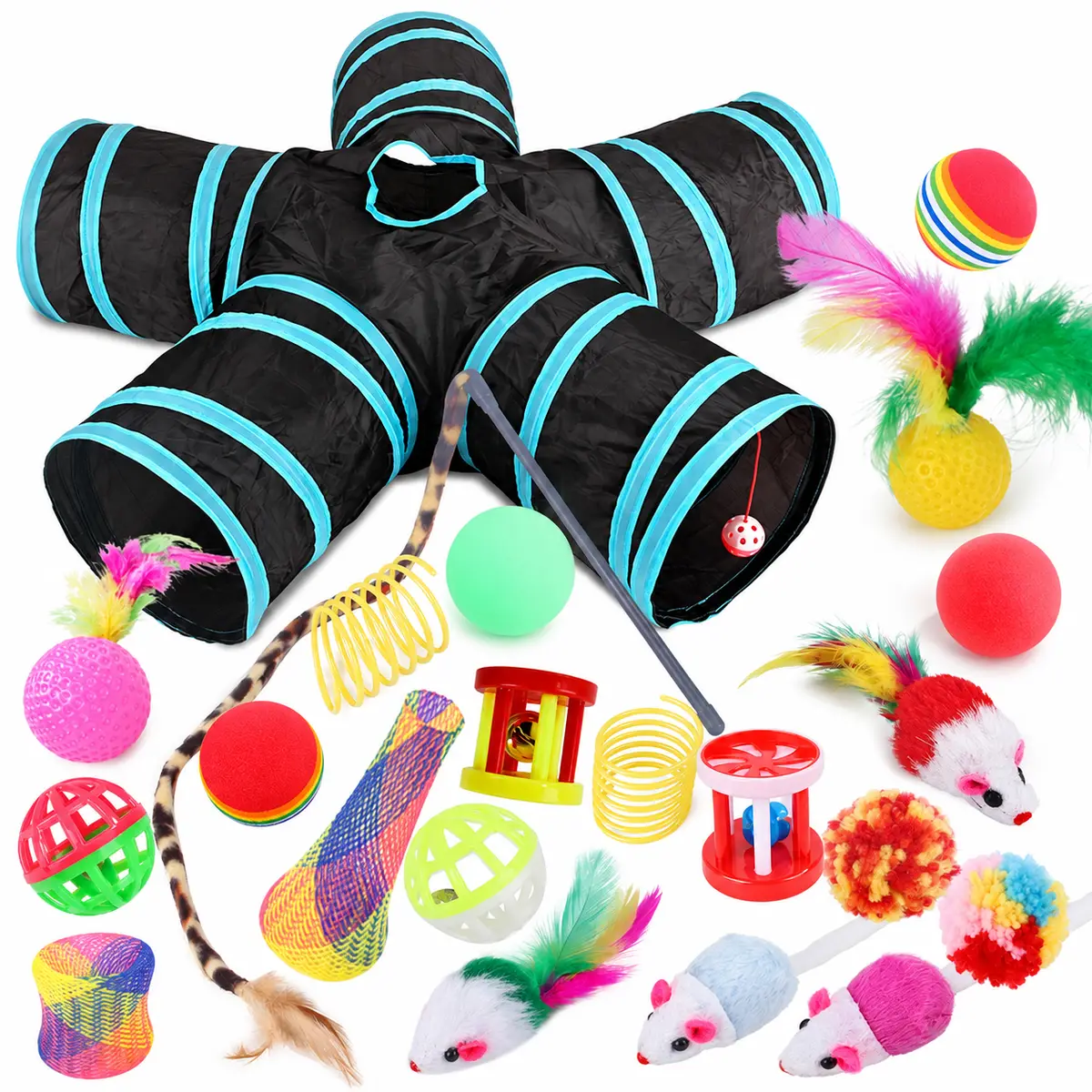
Here you will find toys for indoor cats and kittens: feather and pom-pom wands, catnip and silvervine plush kickers, plastic springs, ball track towers, self-righting tumblers, rechargeable laser toys and cardboard scratcher toys with built-in balls. It is for owners who want to keep a house cat active, and the guide below explains which kind of toy suits which kind of play.
Why indoor cats need daily play
Cats are built to hunt in short bursts: stalk, chase, pounce, then rest. An indoor cat with nothing to chase often finds substitutes, such as ankles, curtains or a sleeping housemate. Two or three short play sessions a day, each ending with a catch, gives that energy somewhere to go.
The range on this page covers both halves of that need. Interactive toys such as wands and lasers let you play the prey, while solo toys such as springs, tumblers and track balls keep a cat busy when you are at work. Most homes need at least one of each.
Interactive toys: wands and lasers
Feather and pom-pom wands are the closest thing to real prey. Move the lure away from your cat and along the floor, let it hide behind furniture, and allow a catch at the end so the session feels finished. Retractable wands pack away neatly, and replacement heads extend their life.
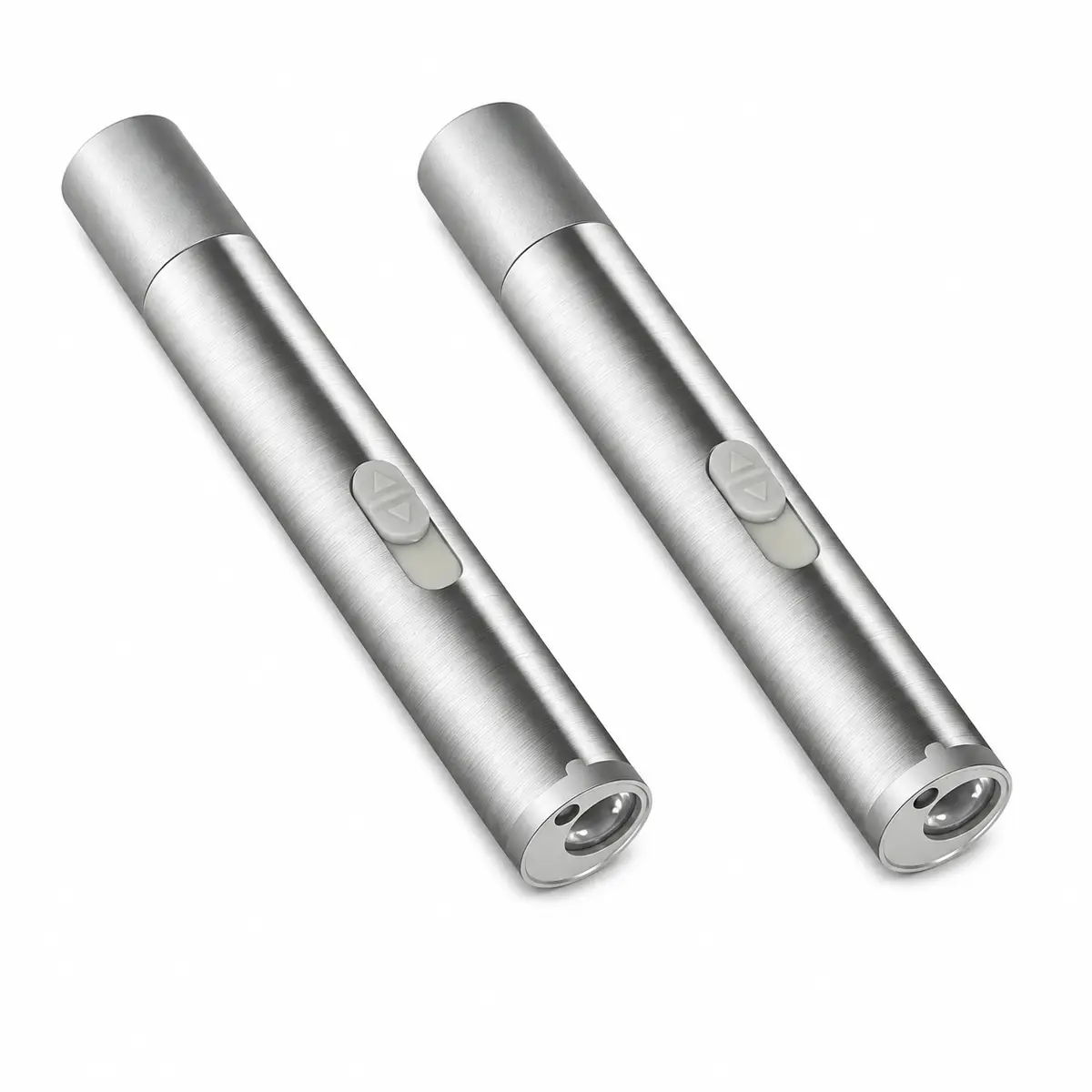
Rechargeable laser pointers are popular with cats who chase fast, but a cat can never catch a dot. End each laser session by landing the beam on a treat or a plush toy so your cat gets a real capture. Never shine the beam into eyes, yours or the cat's.
Catnip, silvervine and plush kickers
The vegetable- and fish-shaped plush toys here are filled or scented with catnip or silvervine. Many cats respond to catnip with rolling, rubbing and bunny-kicking, though some cats show no interest, and young kittens rarely react at all. Silvervine is worth trying for cats who ignore catnip.
Kicker toys are long enough for a cat to hug with its front paws and rabbit-kick with its back feet, which is a natural part of predatory play. Rotate scented toys in and out of a sealed bag so the scent stays strong and the toy feels new each time it comes back.
Solo toys for when you are out
Plastic springs, wobble tumblers and multi-level ball tracks need no batteries and no person. Springs bounce unpredictably on hard floors, tumblers rock back upright when batted, and track towers keep balls inside a ring so they do not vanish under the couch.
Cardboard scratcher toys with a ball track or bell combine two needs at once, and folding accordion-style scratchers can be reshaped into a tunnel or circle. Put a few solo toys out at a time and swap them weekly; novelty matters more to cats than the size of the toy pile.
Keeping play safe
String, ribbon and elastic are a real hazard if swallowed, and VCA Animal Hospitals describes how a long thin object can cause serious intestinal injury. The ASPCA advises keeping anything with strings out of a cat's reach, so store wand toys in a closet after play rather than leaving them on the floor.
Check plush toys for loose eyes, bells and seams, and retire anything that is coming apart. If your cat vomits repeatedly, stops eating, or you think a piece of toy or string has been swallowed, call your vet the same day rather than waiting to see if it passes.
What toys do cats like the most?
Most cats respond best to toys that move like prey, which is why feather wands top the list. Catnip kickers and balls in a track are close behind. Every cat is different, so a small variety pack helps you learn what yours prefers.
Are laser toys bad for cats?
Laser toys are fine in moderation, but a cat can never catch the dot. Finish each session by pointing the beam at a treat or a toy your cat can grab, and keep the light away from eyes.
How many toys should a cat have?
There is no set number. A few interactive toys plus four or five solo toys, rotated every week or so, keeps interest higher than a large pile left out all the time.
Are cat toys safe for kittens?
Most are, with supervision. Choose toys too large to swallow, avoid loose strings and small parts, and put wand toys away after use. Young kittens often ignore catnip, so try a moving toy instead.