







Small pets
Rabbit hutches
Small pets, big personalities.
94 items picked for everyday life with your pet, with shipping estimates on every item.
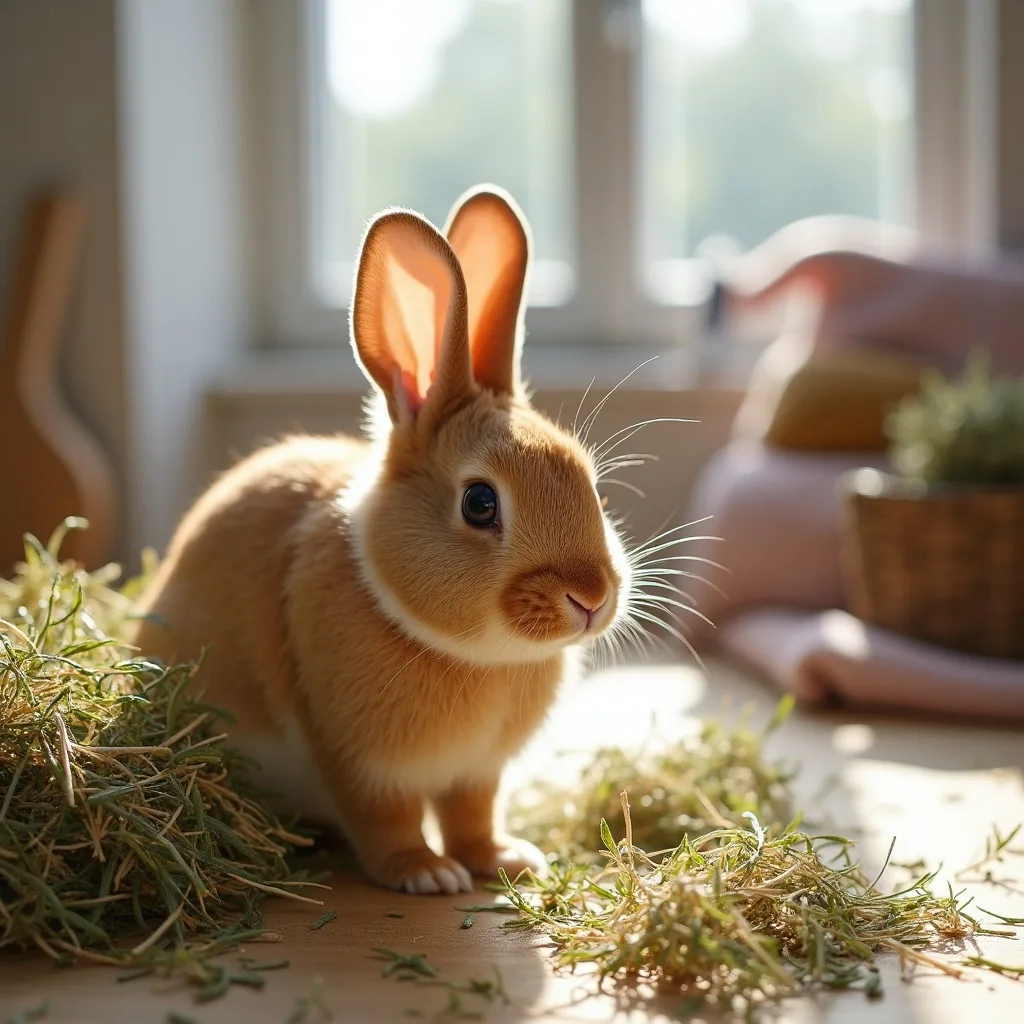 Happy homes for little ones.
All small pets homes, cages & gates →Hamster cages →Outdoor rabbit hutches →Small animal playpens →Ferret cages →Large hamster cages →Indoor rabbit cages →Rabbit cages →Chinchilla cages →Glass hamster cages →Large rabbit cages →Rabbit runs →Hamster bedding →
↗Tracked US shippingEstimates on every item↶Returns & refundsHow it works♡Here to helpTalk to Giddy Pets
All rabbit hutches
Little essentials. Lots of love.


A little guidance
Help choosing rabbit hutches
Buying guides and care advice written for this range: what to measure, what matters and what to skip.
From our guides
- Best Rabbit Hutch: How to Choose a Safe Outdoor One →
- Best Hay Feeders for Rabbits and Guinea Pigs: How to Choose →
- Best Rabbit Cage for Indoor Bunnies: What Size and Type to Choose →
- Best Rabbit Chew Toys: What Is Safe and What to Look For →
- Best Rabbit Harness: What Actually Matters →
- Best Rabbit Litter Box: Size, Litter and Setup Guide →
Shop rabbit hutches for indoors and outdoors: wooden two-story hutches with ramps, hutches with an attached run, A-frame cages, weatherproof elevated hutches with asphalt roofs, openable tops and lockable doors, rolling indoor hutches and desk-height designs. Many also suit guinea pigs. This page is for rabbit owners choosing a first home or upgrading, and it covers how much space a rabbit needs, what to look for in an outdoor hutch, and how to make cleaning easy.
How much space a rabbit needs
Rabbits need far more room than most cages offer. The House Rabbit Society recommends that a resting cage be three to four times the rabbit's stretched-out adult body length, and that it work as a bedroom inside a larger exercise area rather than the whole home. A medium rabbit that stretches to around 18 inches therefore needs a hutch of about 54 to 72 inches long.
That is why the largest hutches here, around 58 to 83 inches with two stories and a run, are the better buy for most rabbits. Rabbits need daily time out to run, hop and binky, and the smaller the hutch, the more exercise time it needs.
Two-story hutches and runs
Two-story hutches give a sheltered sleeping level and a lower level for eating and moving around, joined by a ramp. Check that the ramp has cross slats for grip and is not too steep for an older rabbit.
Hutches with an attached run, or an open-bottom run area, give daytime space for exercise and grazing. Move runs around the lawn so the grass recovers, and only use them on grass that has not been treated with chemicals. Always add a secure lid if hawks, cats or dogs could reach the run.
Outdoor hutch essentials
An outdoor hutch has to keep out weather and predators. Look for an asphalt or solid waterproof roof that overhangs the sides, legs that raise the floor off damp ground, and lockable latches. Raccoons can open simple bolts, so two-step locks are worth having.
Place the hutch in shade, out of the wind and away from where dogs and foxes can pace and frighten your rabbit. Rabbits cope with cold better than heat; in summer, shade and airflow are essential, and in winter extra bedding and a cover over part of the front help. Many owners bring rabbits indoors during heat waves and hard freezes.
Indoor hutches and cages
Indoor hutches, including the rolling and desk-height styles here, let a house rabbit live where the family is. Wheels make cleaning and rearranging easy. Treat the hutch as a base, with the door open into a rabbit-proofed room or pen whenever you can supervise.
Hide electrical cords, remove toxic houseplants, and give your rabbit a litter box inside the hutch, since most rabbits can be litter trained. A solid floor is kinder to feet than wire, and a washable rug or mat gives grip on smooth floors.
Cleaning and wooden hutch care
A removable pull-out tray is the feature that makes daily cleaning quick. Spot clean every day, change litter and soiled bedding a few times a week, and scrub the whole hutch with a pet-safe cleaner every week or two. Openable tops and large doors make it much easier to reach every corner.
Rabbits chew wood, so check bars and panels regularly for gnawed edges. Re-treat outdoor wood with a pet-safe exterior stain when it starts to look dry. Watch your rabbit as you clean; a rabbit that stops eating or passing droppings for even half a day needs a vet promptly.
What size hutch does a rabbit need?
The House Rabbit Society suggests a resting cage at least three to four times your rabbit's stretched-out length, plus a larger exercise area. For most rabbits that means a hutch around 5 to 6 feet long.
Can rabbits live outside in a hutch?
Some do, but they need a weatherproof, predator-proof hutch, shade in summer, extra bedding in winter and daily company and exercise. Many owners bring rabbits inside during extreme heat or cold.
Do rabbit hutches need a run?
A hutch on its own is rarely enough space. An attached run or a separate pen gives your rabbit daily room to run and graze, which it needs for health and good behavior.
How often should I clean a rabbit hutch?
Spot clean daily, change litter and soiled bedding a few times a week, and do a full clean with a pet-safe cleaner every week or two. A pull-out tray makes the daily job quick.
Can guinea pigs use a rabbit hutch?
Yes, many of these hutches suit guinea pigs. Guinea pigs do not climb as well as rabbits, so a single-level hutch with a large floor or a gentle ramp is better than a tall design.