







Small pets
Indoor rabbit cages
Small pets, big personalities.
28 items picked for everyday life with your pet, with shipping estimates on every item.
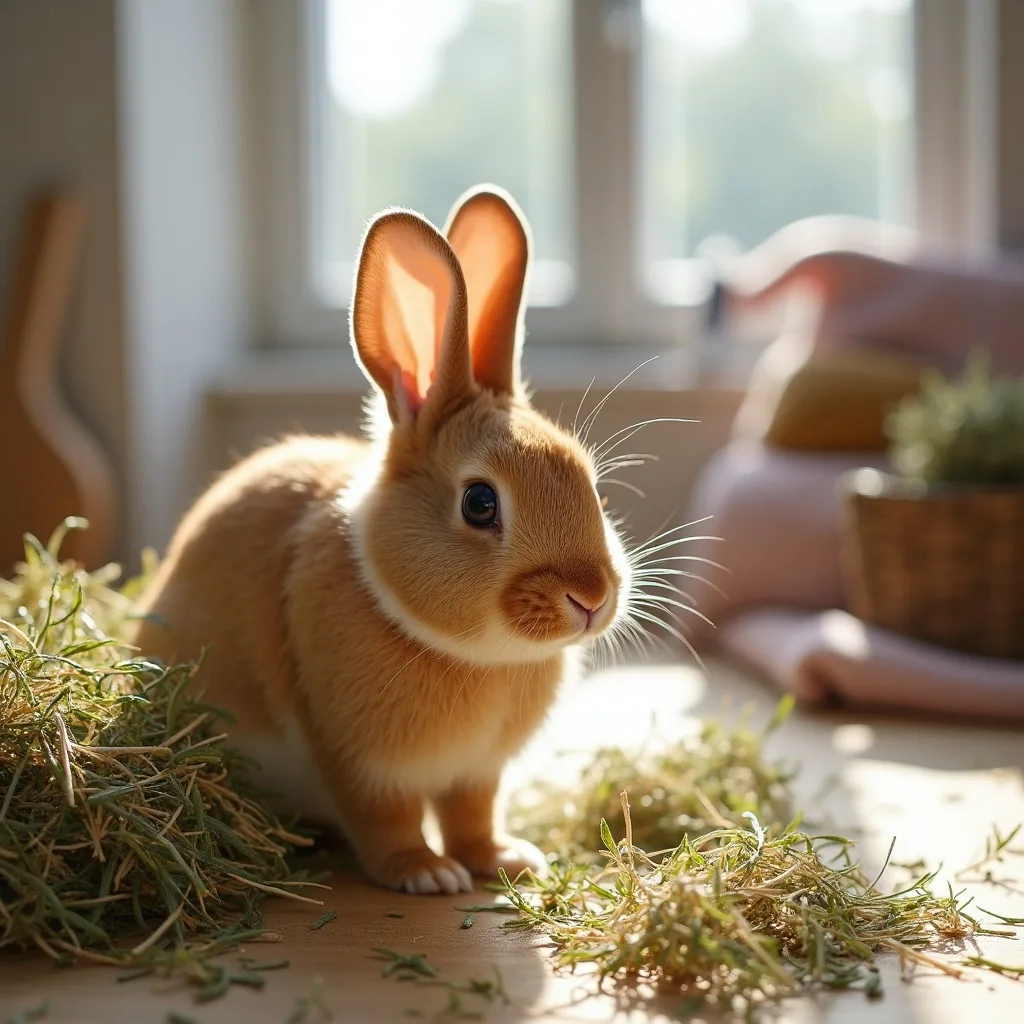 Happy homes for little ones.
All small pets homes, cages & gates →Rabbit hutches →Hamster cages →Outdoor rabbit hutches →Small animal playpens →Ferret cages →Large hamster cages →Rabbit cages →Chinchilla cages →Glass hamster cages →Large rabbit cages →Rabbit runs →Hamster bedding →
↗Tracked US shippingEstimates on every item↶Returns & refundsHow it works♡Here to helpTalk to Giddy Pets
All indoor rabbit cages
Little essentials. Lots of love.


A little guidance
Help choosing indoor rabbit cages
Buying guides and care advice written for this range: what to measure, what matters and what to skip.
From our guides
- Best Rabbit Cage for Indoor Bunnies: What Size and Type to Choose →
- Best Bird Cages: How to Choose the Right Size, Shape and Bars →
- Best Budgie Cage: How to Choose a Safe, Roomy Home →
- Best Chinchilla Cage: Size, Levels and Safety →
- Best Ferret Cage: How to Choose a Safe, Roomy Enclosure →
- Best Gerbil Cages: What Actually Matters →
This page narrows our Rabbit Cages range to enclosures designed for inside the home: wooden indoor hutches with pull-out trays, elevated wooden enclosures, rolling metal hutches with lockable wheels, two-story cages that lift off their stand, and indoor hutches with a run attached. They are for house rabbits and the owners who want them close to the family. The guide below covers space, flooring and fitting a rabbit setup into a home.
Why keep a rabbit indoors
Rabbits are social animals who bond strongly with their people, and living indoors lets them be part of daily life. Indoor rabbits are protected from predators, extreme heat and cold, and from the stress of noises and animals outside at night. Many owners find their rabbit becomes far more affectionate once it lives inside.
Indoor living also makes it easier to spot health problems early. You see your rabbit eat, drink and use the litter box every day, which matters for an animal that hides illness and can go downhill quickly when it stops eating.
Space indoors
An indoor cage is a base, not a full-time home. The House Rabbit Society describes a cage as a quiet resting space, sized at about three to four times the rabbit's stretched-out length, with a 4 by 4 foot exercise pen and free-roam time as an ideal setup for most rabbits.
Plan the cage and a pen or bunny-proofed room together. Leave the cage door open during the day so your rabbit can come and go, and give at least four hours of active play outside the cage daily. Indoor hutches with an attached run give a head start on that extra space.
Floors, trays and cleaning
Pull-out trays make daily cleaning easier and help keep the room fresh. Rabbits are easy to litter train, so put a litter box with paper-based litter and hay in one corner of the cage, and most rabbits will use it. Spot-clean the box every day or two.
Cover any wire flooring with a mat, rug or grass mat, because bare wire is uncomfortable for rabbit feet. Rolling cages with lockable wheels let you move the cage to clean underneath, then lock it in place so it does not roll when your rabbit hops inside.
Bunny-proofing the room
Rabbits chew, and indoors that includes cables, baseboards, furniture legs and houseplants, some of which are toxic. Cover cables with protective tubing or move them out of reach, block access behind furniture, and give your rabbit plenty of hay and safe chew toys.
Place the cage away from heaters, direct sun and drafts, in a room with some daily activity so your rabbit has company. Rabbits are sensitive to heat, so keep the room comfortable in summer. If your rabbit stops eating or producing droppings, contact a rabbit-savvy vet urgently.
What size indoor cage does a rabbit need?
Choose a cage about three to four times your rabbit's stretched-out length as a resting base, and pair it with a 4 by 4 foot exercise pen or a bunny-proofed room for several hours of daily play.
Can a rabbit live in an indoor cage all day?
No. Rabbits need several hours of active exercise every day outside the cage. Leave the cage door open into a pen or safe room so your rabbit can come and go.
How do I stop my indoor rabbit cage from smelling?
Litter train your rabbit, use paper-based litter topped with hay, spot-clean the box every day or two and change bedding weekly. Pull-out trays make this much easier.
Are wooden rabbit hutches okay indoors?
Yes. Wooden indoor hutches look good in a home, but rabbits may chew the wood. Provide plenty of chew toys and hay, and use the hutch as a base with time outside it.
Where should I put an indoor rabbit cage?
Choose a room where the family spends some time, away from heaters, direct sun, drafts and loud speakers. Rabbits like company but also need a quiet corner, so a spot beside a wall in a living room often works well.