







Small pets
Large rabbit cages
Small pets, big personalities.
38 items picked for everyday life with your pet, with shipping estimates on every item.
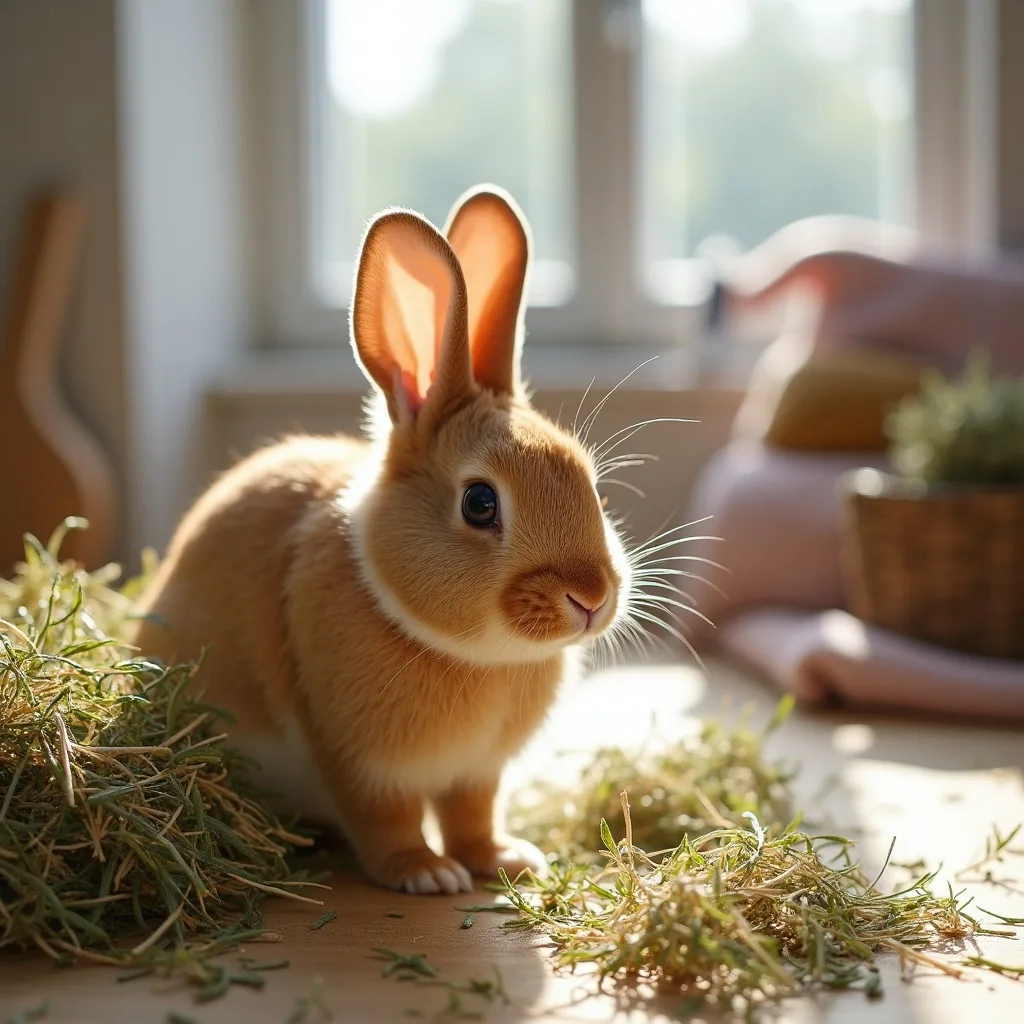 Happy homes for little ones.
All small pets homes, cages & gates →Rabbit hutches →Hamster cages →Outdoor rabbit hutches →Small animal playpens →Ferret cages →Large hamster cages →Indoor rabbit cages →Rabbit cages →Chinchilla cages →Glass hamster cages →Rabbit runs →Hamster bedding →
↗Tracked US shippingEstimates on every item↶Returns & refundsHow it works♡Here to helpTalk to Giddy Pets
All large rabbit cages
Little essentials. Lots of love.


A little guidance
Help choosing large rabbit cages
Buying guides and care advice written for this range: what to measure, what matters and what to skip.
From our guides
- Best Rabbit Cage for Indoor Bunnies: What Size and Type to Choose →
- Best Bird Cages: How to Choose the Right Size, Shape and Bars →
- Best Budgie Cage: How to Choose a Safe, Roomy Home →
- Best Chinchilla Cage: Size, Levels and Safety →
- Best Ferret Cage: How to Choose a Safe, Roomy Enclosure →
- Best Gerbil Cages: What Actually Matters →
These are the bigger homes from our small pet range: two-story wooden rabbit hutches of around 54 to 90 inches, deluxe outdoor rabbit houses, wood and metal hutches, oversized cages with two running spaces, and a multi-tier rolling small-animal cage. They are for rabbit owners who know a small pet store cage is not enough and want the most space they can fit.
How much space a rabbit needs
The House Rabbit Society says a rabbit's cage should be at least three to four times the rabbit's stretched-out adult body length, and that cages work best as a sleeping area attached to a larger exercise pen, which is now the favored way to house rabbits. A rabbit should be able to hop several times in a row, stand fully upright and stretch out flat.
The society also notes that the smaller the enclosure, the more time a rabbit needs outside it. Even the largest hutch here should be paired with daily exercise time in a safe, rabbit-proofed room or pen.
Two-story hutches
Two-story hutches add a second level with a ramp, which gives a rabbit somewhere to climb and look out and a separate area to sleep. Floor area on the lower level still matters most, because rabbits move by hopping, not climbing.
Check the ramp is not too steep and has grip, especially for older or larger rabbits. Solid floors are kinder to feet than wire. Line the floor with bedding and put a litter box in a corner, since most rabbits can be litter trained.
Indoor or outdoor
Many hutches here are sold for outdoor or indoor use. Outdoor rabbits need shelter from rain, wind, frost and summer heat, and protection from predators such as raccoons, foxes, dogs and birds of prey. Check every door has a secure latch and that mesh is strong enough to resist chewing and digging.
Rabbits also need company and are sensitive to heat. An indoor setup in a quiet room keeps a rabbit cooler in summer, safer from predators and closer to the family. If you keep a hutch outdoors, place it in shade and bring rabbits in during extreme weather.
Cleaning and wood care
Spot clean the litter box and soiled bedding daily and do a full clean weekly. Wooden hutches absorb urine over time, so a pull-out tray and a waterproof liner make cleaning much easier and help the wood last.
Rabbits chew, so give them hay and safe chews and check wooden edges for gnawing. Treat exterior wood only with a pet-safe finish, allowed to dry fully. A rabbit that stops eating or passing droppings needs to see a vet the same day.
How big should a rabbit cage be?
The House Rabbit Society suggests at least three to four times the rabbit's stretched-out length, ideally attached to an exercise pen. Your rabbit should be able to hop, stand upright and stretch out.
Is a hutch enough for a rabbit?
Not on its own. Rabbits need daily exercise time outside the hutch, and the House Rabbit Society says a smaller enclosure means more time is needed outside it.
Can rabbits live outside in a hutch?
They can with shelter from weather, protection from predators, company and daily attention. Many owners keep rabbits indoors, which protects them from heat and predators.
Are two-story rabbit hutches good?
They add climbing and a separate sleeping area, but floor space on the lower level matters most. Check the ramp is gentle and grippy. Check the ramp has grip for older rabbits.
What should go inside a rabbit hutch?
Hay, fresh water, a litter box, a hiding spot and safe chew toys. Give your rabbit somewhere to rest out of sight and enough floor space to hop, stretch out and stand upright.