








Cats
Cat litter boxes
Tidy home. Happy cat.
88 items picked for everyday life with your pet, with shipping estimates on every item.
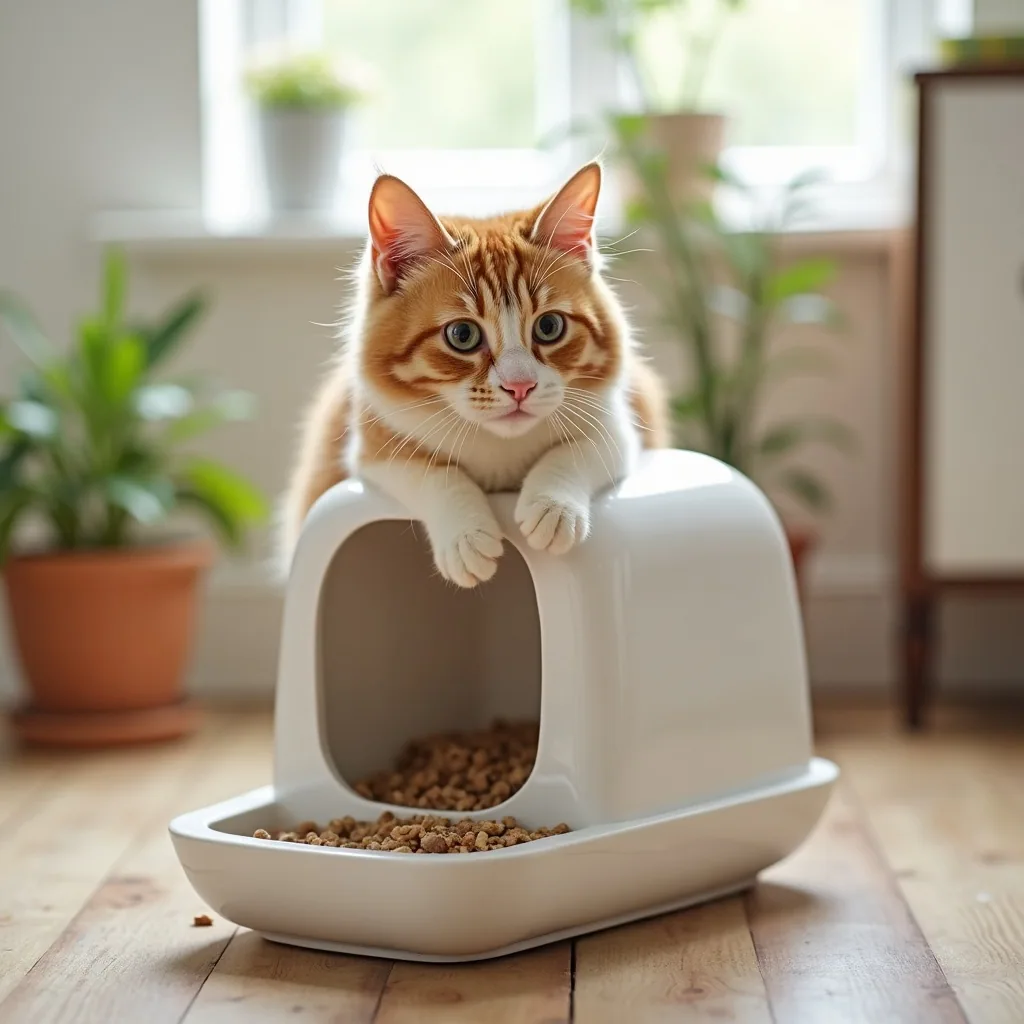 The everyday essentials, sorted.
All cats grooming & hygiene →Cat brushes →Litter box furniture & enclosures →Cat grooming supplies →Litter accessories →Litter mats →Cat deshedding brushes →Cat nail clippers →Cat shampoo →Cat litter →Self cleaning litter boxes →
↗Tracked US shippingEstimates on every item↶Returns & refundsHow it works♡Here to helpTalk to Giddy Pets
Find their favorites
Shop cat litter boxes by type
Choose a section to narrow the range.
All cat litter boxes
Little essentials. Lots of love.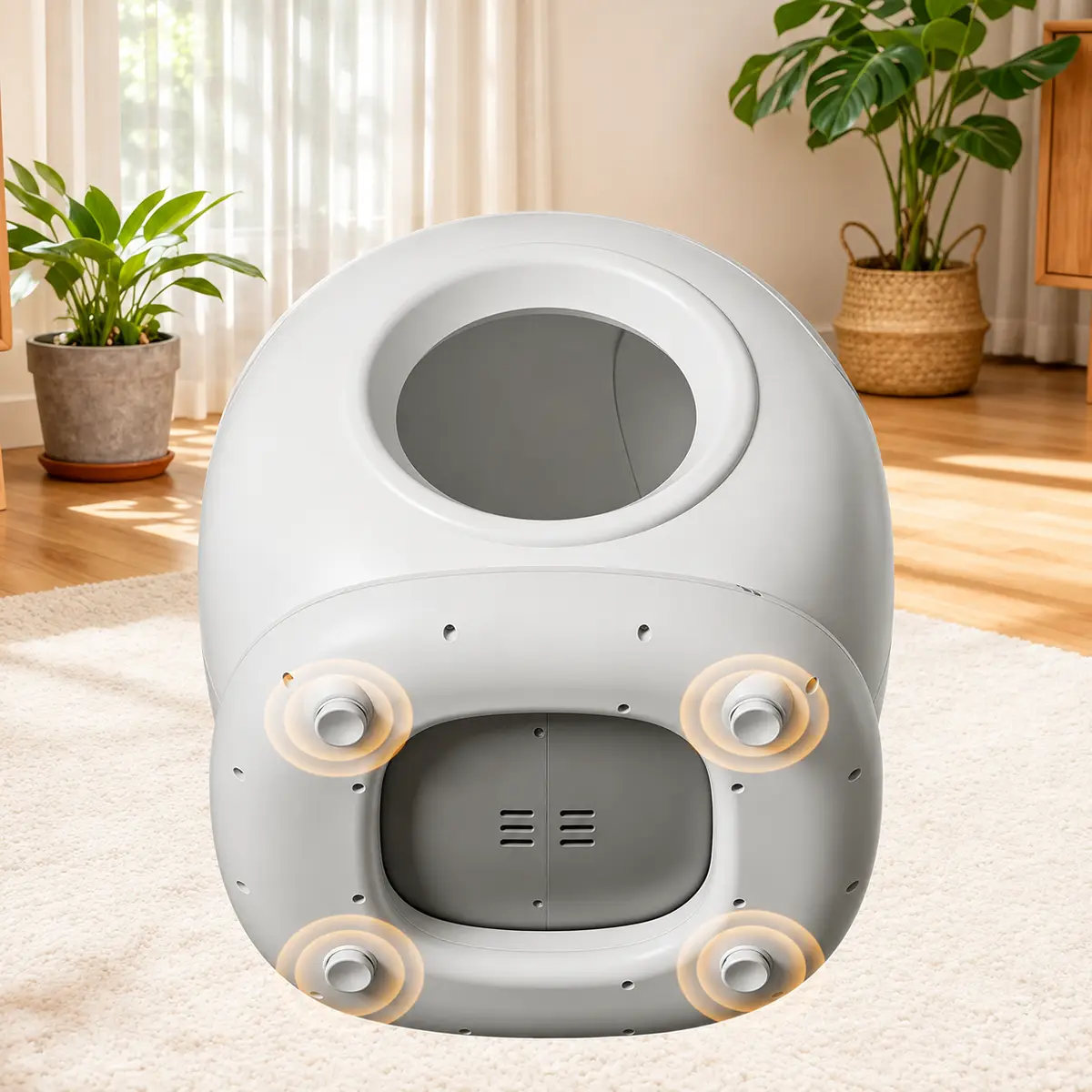


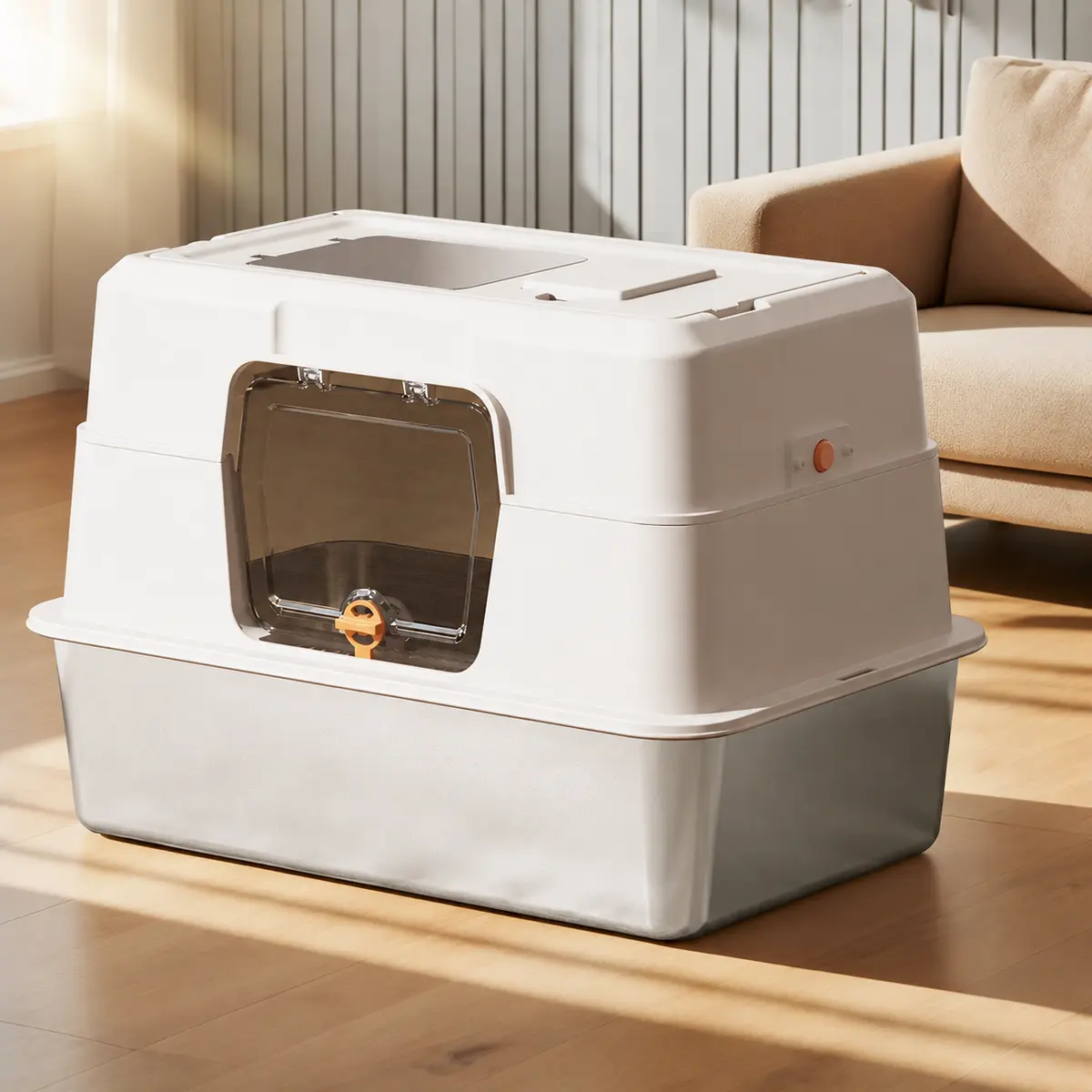


A little guidance
Help choosing cat litter boxes
Buying guides and care advice written for this range: what to measure, what matters and what to skip.
From our guides
- Best Disposable Litter Box: What Actually Matters →
- Best Litter Boxes for Odor Control: How to Choose the Right One →
- How Many Litter Boxes Per Cat Do You Need? →
- Best Stainless Steel Cat Litter Box: What Matters →
- Where to Put a Litter Box (and How to Hide It) →
- Best Covered Litter Boxes: What to Look For Before You Buy →
This page holds our full range of cat litter boxes: open trays with scoops, hooded and fully enclosed boxes with front or top entry, dual-entry and convertible-lid designs, high-sided stainless steel boxes and drawer-style boxes. Many come with a scoop, a litter mat or deodorizing bags. It is for anyone setting up a first box, replacing a worn one or adding a box for a second cat.
Open, covered and top-entry boxes
Open trays are the simplest and the easiest to check and scoop. The ASPCA notes that most cats do not like lids, so an open box is the safest first choice for a new cat or one with litter box problems. Hooded and fully enclosed boxes hide the litter, cut down on scatter and keep dogs out, and several here have a front door flap or a top exit.
Top-entry boxes make the cat jump in through the lid, which almost eliminates kicked litter but does not suit kittens, seniors or cats with stiff joints. Dual-entry and convertible-lid boxes let you try a cover and remove it if your cat objects.
Plastic or stainless steel
Most boxes are molded plastic, which is light and inexpensive. Thick, rigid plastic resists bending when you lift a full box, and a smooth finish is easier to clean. Over time plastic scratches, and those scratches can hold odor, so plan to replace a plastic box every year or two.
Stainless steel boxes do not scratch or absorb smell, and the high-sided ones stop cats who spray or dig hard from sending litter over the edge. They cost more up front but last for years, and they are easy to disinfect.
Getting the size right
Size matters more than style. The ASPCA says most cats prefer large boxes they can enter easily. A good rule is a box about one and a half times your cat's length from nose to base of tail, so your cat can turn around and dig without stepping out. Large cats, such as Maine Coons, need an extra large box; see our large litter boxes page for those.
Kittens, seniors and arthritic cats need a low entry they can step over without a jump. If your older cat has started going beside the box, a lower entry is the first thing to try.
How many boxes and where
The ASPCA recommends one box per cat plus one extra, so two cats need three boxes, and a box on each floor of a multistory home. Boxes side by side in one spot count as one in a cat's mind, so spread them around.
Choose quiet places away from loud appliances like a washer, and not right next to food and water. A cat should be able to see who is coming and have more than one way out, which is why a box wedged into a tight closet corner can put a nervous cat off.
Keeping a box clean and odor free
Scoop at least once a day. Once a week, the ASPCA suggests emptying the box, washing it with warm water and unscented soap or baking soda, and refilling with fresh litter. Strong perfumes and citrus cleaners can put cats off the box.
Drawer-style and sifting boxes make scooping faster, and boxes with deodorizing bags or a carbon filter help in small apartments. A litter mat at the entrance catches granules from paws before they reach the floor.
When a cat stops using the box
A cat that suddenly goes outside the box is often telling you something is wrong with the box, its location or its health. Try a bigger, uncovered box with fresh unscented litter in a quiet place first.
If your cat strains in the box, goes often with little result, cries while urinating or has blood in the urine, call your vet the same day. A male cat that cannot pass urine is an emergency, so go straight to a vet.
What size litter box should I get?
Aim for a box roughly one and a half times your cat's body length, nose to base of tail. Bigger is almost always better, and large cats need an extra large box.
Do cats prefer covered or uncovered litter boxes?
The ASPCA says most cats do not like lids. Many cats will use a covered box, but if yours avoids it, try removing the cover before anything else.
How many litter boxes do I need for two cats?
Three. The usual rule is one box per cat plus one extra, placed in different spots rather than side by side.
What is the easiest litter box to clean?
Open boxes with smooth sides, drawer-style boxes and stainless steel boxes are the quickest to clean. Steel does not scratch, so it holds less odor over time.
How often should I change the litter completely?
Scoop daily and do a full change once a week, washing the box with warm water and unscented soap, as the ASPCA advises.