






Buying guides
How Many Litter Boxes Per Cat Do You Need?
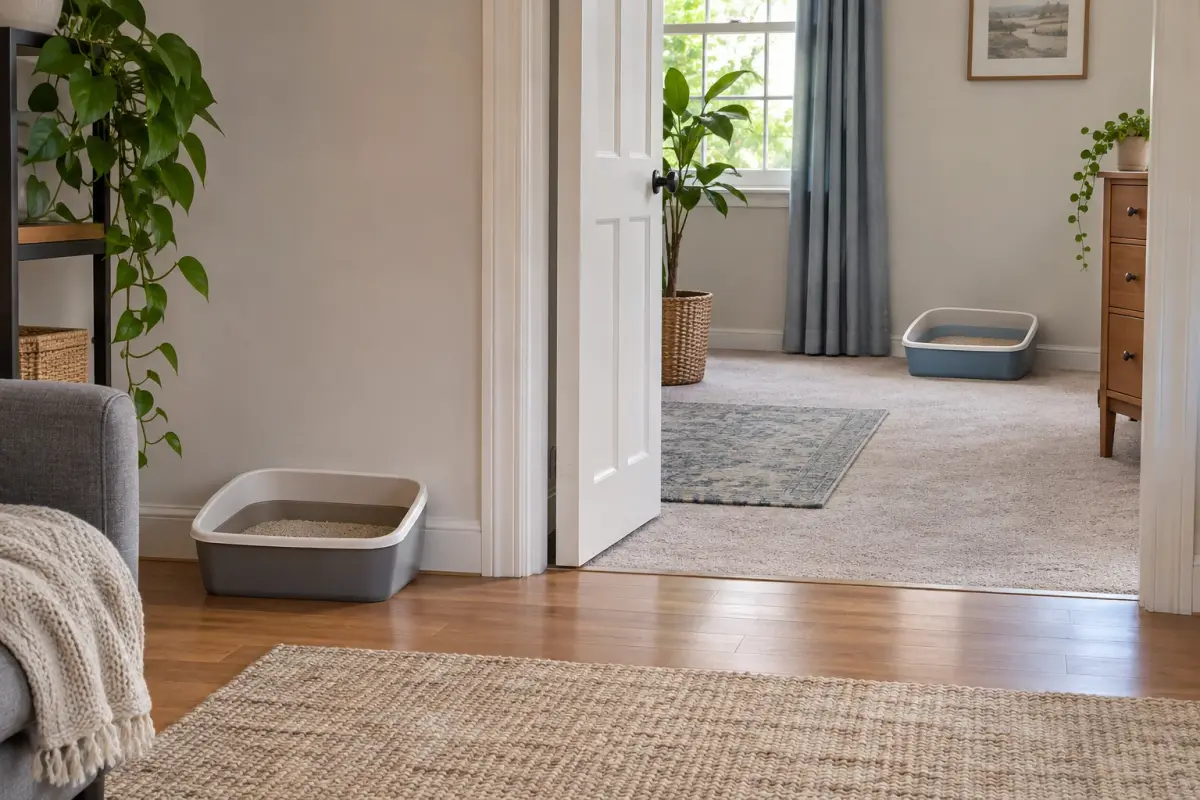
You need one cat litter box per cat, plus one extra. One cat needs two boxes, two cats need three, three cats need four. The ASPCA, Cornell Feline Health Center and VCA all give this N+1 rule. The boxes should be in different spots, not lined up side by side, and a multi-level home should have at least one on every floor.
By Matt GarnettUpdated November 9, 20264 min read3 sources
Why one per cat plus one
Cats do not like to share a toilet, and many prefer to urinate in one box and pass stool in another. A spare box means there is always a clean option, even if one has just been used or you have not scooped yet. It also gives a nervous cat a way to avoid a housemate who guards a particular box.
Litter box problems are one of the most common reasons cats are seen for behavior issues, and Cornell lists not enough boxes and conflict between cats among the causes. Adding a box is one of the cheapest fixes there is, and often the first thing a vet or behaviorist will suggest.
Do boxes next to each other count?
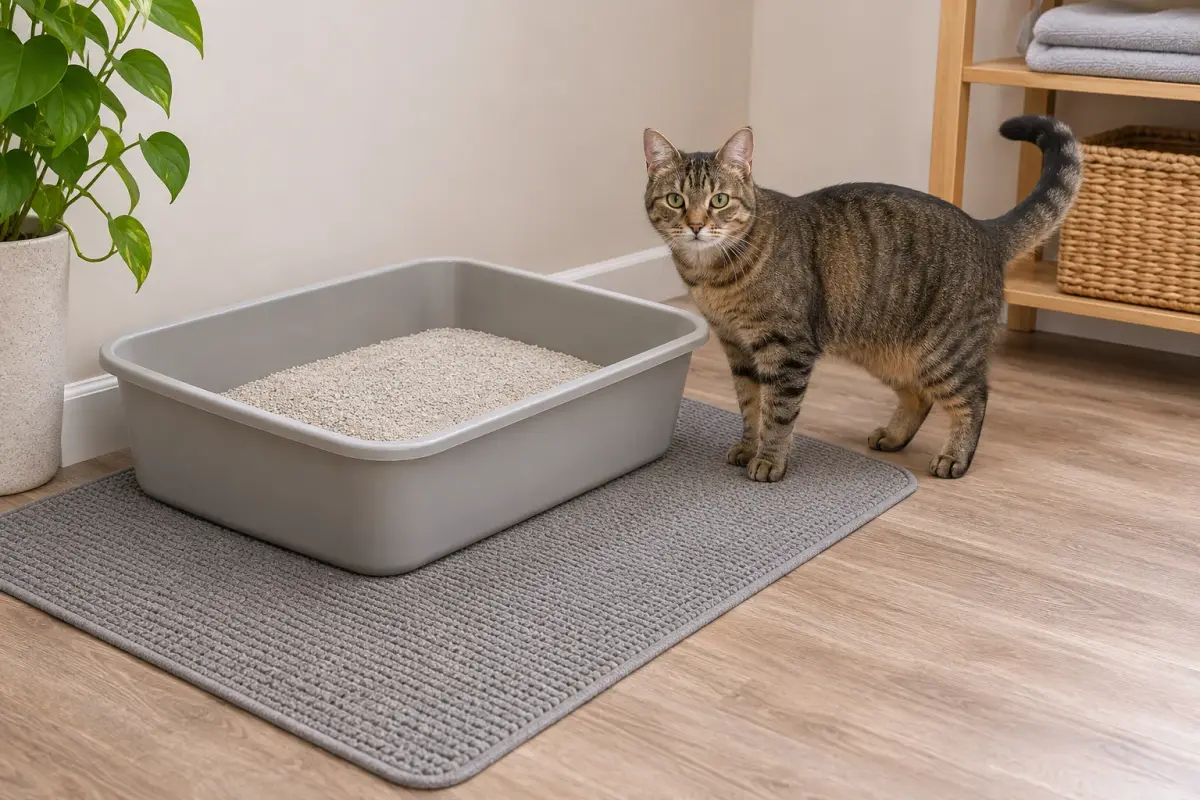
Not really. Two boxes pushed together in the same corner function like one large box. If another cat is sitting nearby, or a noisy appliance starts up, both are equally unappealing. The ASPCA and Cornell both advise spreading boxes across different areas of the home.
Aim for boxes in at least two separate rooms, each in a quiet spot with more than one way in and out, so a cat using it cannot be cornered. Our guide on where to put a litter box goes through the options room by room. VCA notes that playful cats sometimes ambush each other at the box, and separation removes that chance.
Multi-level homes and large houses
Put at least one box on every floor your cat uses. The ASPCA recommends this specifically, and it matters most for kittens, seniors and any cat with stiff joints, since a long trip downstairs can mean an accident on the way.
In a large single-story home, place boxes near the areas where your cat spends most of its time, such as near its favorite resting spots but not right next to its bed or food. VCA recommends keeping boxes away from food dishes and beds.
Small apartments and one-cat homes
For one cat in a small apartment, two boxes is still the target, but you have to be practical. A bathroom and a quiet corner of a bedroom or living room is a common pairing. Furniture-style litter box enclosures can make a second box easier to live with, as long as your cat accepts the extra enclosure.
If you truly can only fit one box, make it a large, uncovered box (browse our large litter boxes) and scoop it at least twice a day. Watch for signs of reluctance, such as leaving the box quickly or going next to it, which suggest your cat would be happier with a second option.
Choosing the right size and style
Size matters as much as number. VCA recommends a box about one and a half times your cat's body length, big enough to turn around in without touching the sides. Many commercial boxes are too small for an adult cat; a large plastic storage tote with an entry cut into one side is a popular alternative the ASPCA mentions.
Most cats prefer uncovered boxes (an open litter basin is the simplest kind), which let odor escape and let them watch their surroundings. Kittens, older cats and cats with arthritis need a low entry; a box with an adjustable front is one style to look at. Cats that stand to urinate need high sides or a splash guard. Our guide to the best litter boxes compares styles, and the one on large litter boxes for cats covers bigger cats.
When adding boxes is not enough
If your cat still goes outside the box after you add boxes (see our page on cats peeing outside the litter box), clean them more often and use unscented litter, call your vet. Cornell lists urinary tract inflammation, kidney disease, thyroid disease, diabetes and digestive problems among medical causes, and many cats with these do not look unwell. Straining with little or no urine needs to be seen the same day.
Stress from a new pet, a move or outdoor cats at the window can also play a part, and your vet can help you work through it.
This page is general information, not veterinary advice, and it cannot replace an examination by the vet who knows your pet.
Common questions
Can two cats share one litter box?
Some do, but it is not ideal and often leads to accidents. Two cats should have three boxes in different places. If they must share for now, scoop at least twice daily and watch for either cat avoiding the box.
How many litter boxes do I need for three cats?
Four, following the one per cat plus one rule. Spread them across different rooms and floors so that no single cat can control access to all of them at once.
Does a self-cleaning litter box count as more than one?
No. An automatic box is still one box in one location. The ASPCA suggests switching back to a traditional box if an automatic one causes problems, and VCA notes most are not safe for very young kittens.
Sources we checked
This guide is general information, not veterinary advice. If your pet is unwell or injured, contact your veterinarian.


