







Dogs
Dog toys
Playtime, all the time.
162 items picked for everyday life with your pet, with shipping estimates on every item.
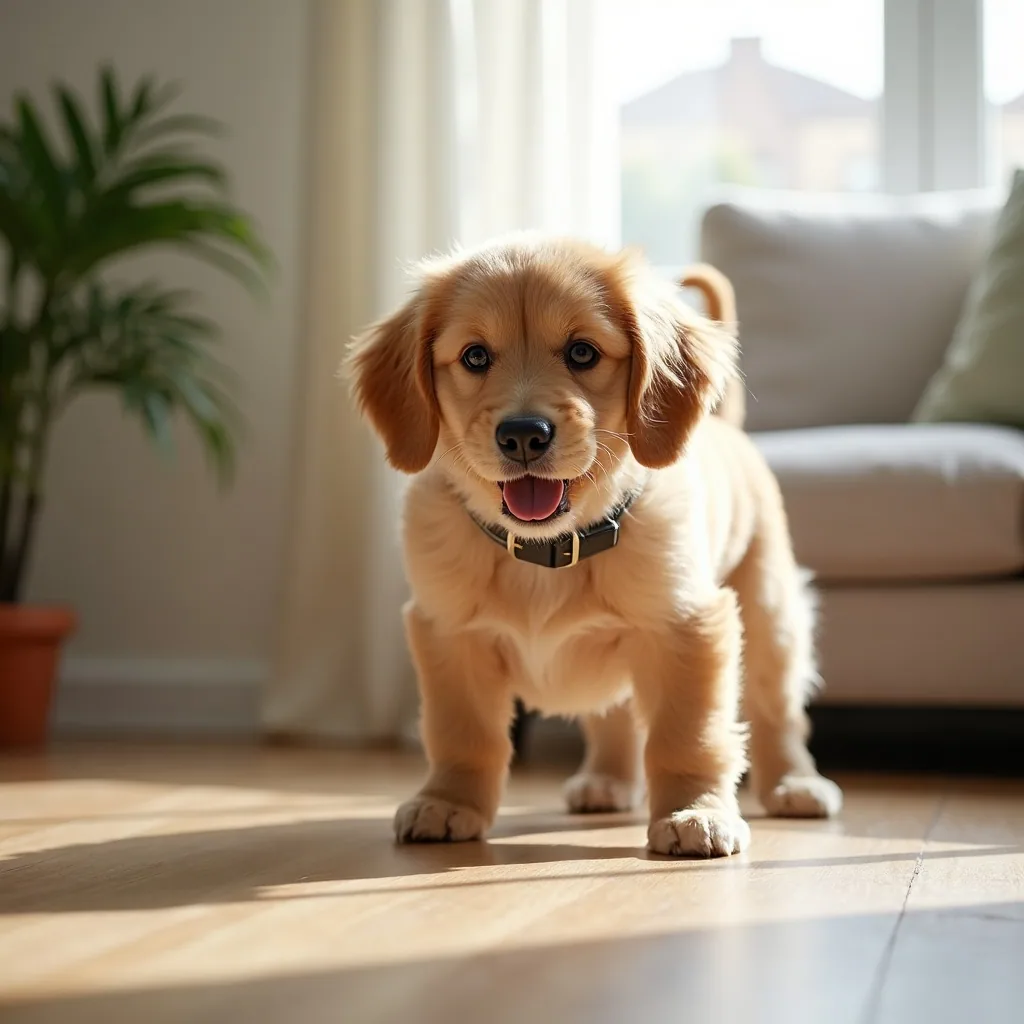 Toys worth getting excited about.
All dogs toys & play →Snuffle mats →Dog agility equipment →Interactive dog toys →Dog treat balls →Dog balls →Dog puzzle toys →Dog chew toys →Puppy teething toys →Herding balls →Dog puzzle feeders →Automatic ball launchers →Dog pools →
↗Tracked US shippingEstimates on every item↶Returns & refundsHow it works♡Here to helpTalk to Giddy Pets
All dog toys
Little essentials. Lots of love.

Puppy teething toys
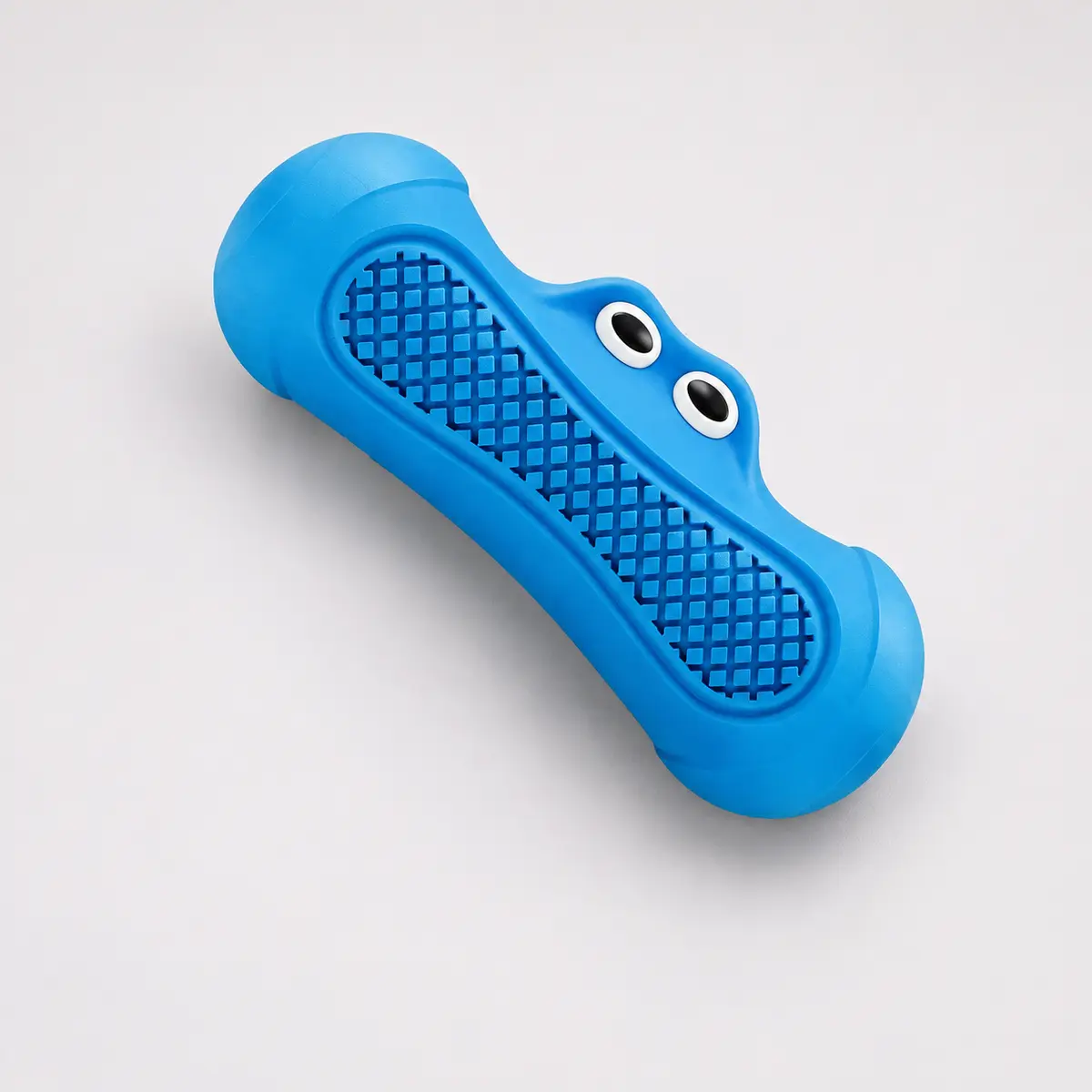
Bone-Shaped TPR Chew Toy with Spiral Grooves and Nubs, 5.5 Inch
- Options
- 3 to choose from
$14.99

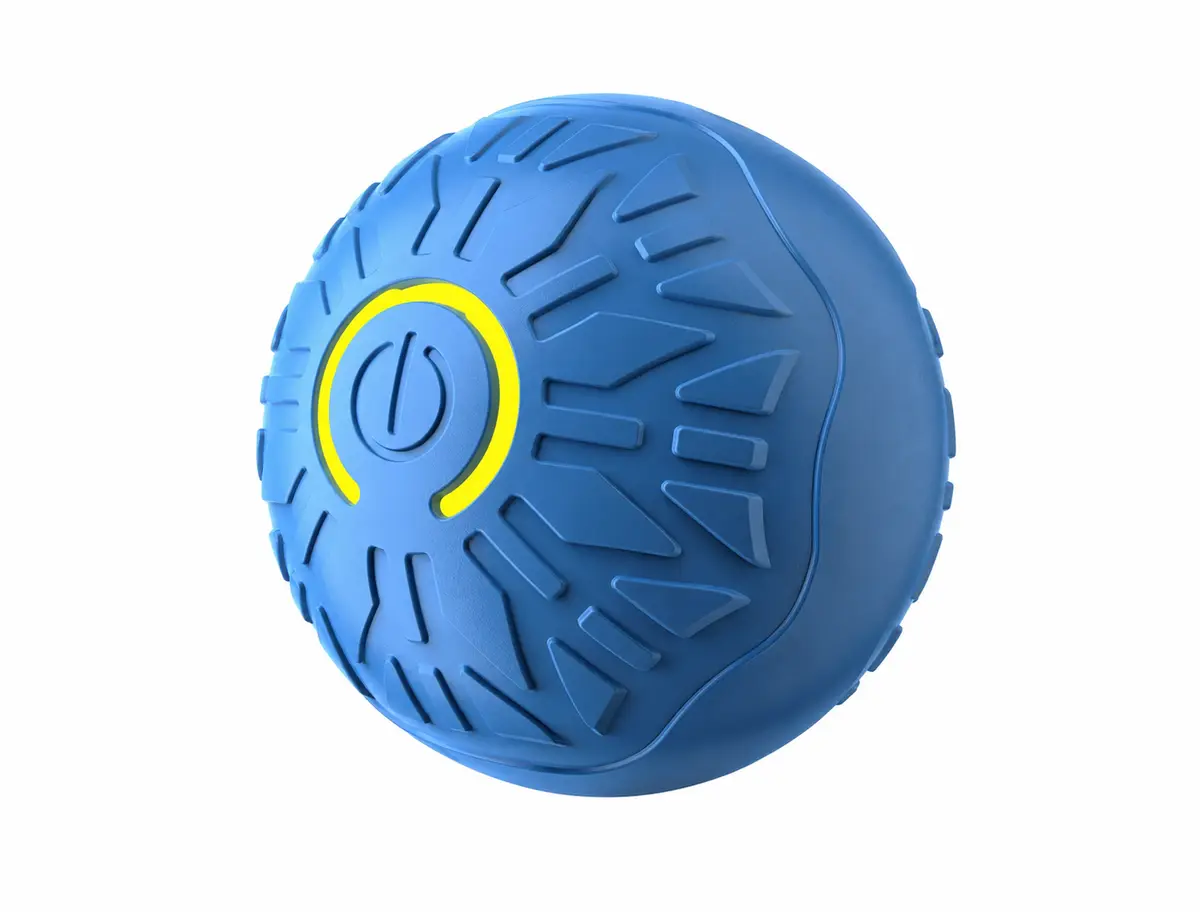
Interactive dog toys
Electric Jumping Ball Toy for Dogs with Replaceable Housing
- Options
- 14 to choose from
From $11.99




Tactical dog harnesses
Adjustable Dog Vest Set with Three Pouches and Two Flag Patches
- Options
- 6 to choose from
From $76.99

Dog pool floats
Blue-and-Orange TPR Squeaky Dog Toy in Three Shapes
- Options
- 3 to choose from
From $17.99


Herding balls
Inflatable Dog Soccer Ball with Nylon Tabs and Hand Pump
- Options
- 14 to choose from
From $19.99




A little guidance
Help choosing dog toys
Buying guides and care advice written for this range: what to measure, what matters and what to skip.
From our guides
- How to Clean Dog Toys: Plush, Rubber, Rope and More →
- Best Bird Toys: What Actually Matters →
- Best Dog Enrichment Toys: What Actually Matters →
- Best Dog Toys for Aggressive Chewers: How to Choose Safely →
- Best Hamster Toys: What Is Safe and Worth Having →
- Best Interactive Dog Toys for Large Dogs: What Actually Matters →
This is the full dog toy range: plush squeaky animals, no-stuffing crinkle toys, rope tug toys, rubber and bell balls, soft flying discs, heartbeat comfort toys for puppies, motion balls and treat puzzles. It is for anyone buying for a new puppy, a bored adult dog or a dog that destroys toys in minutes, and it explains how to pick the right type rather than the cutest one.
Types of dog toys in this range
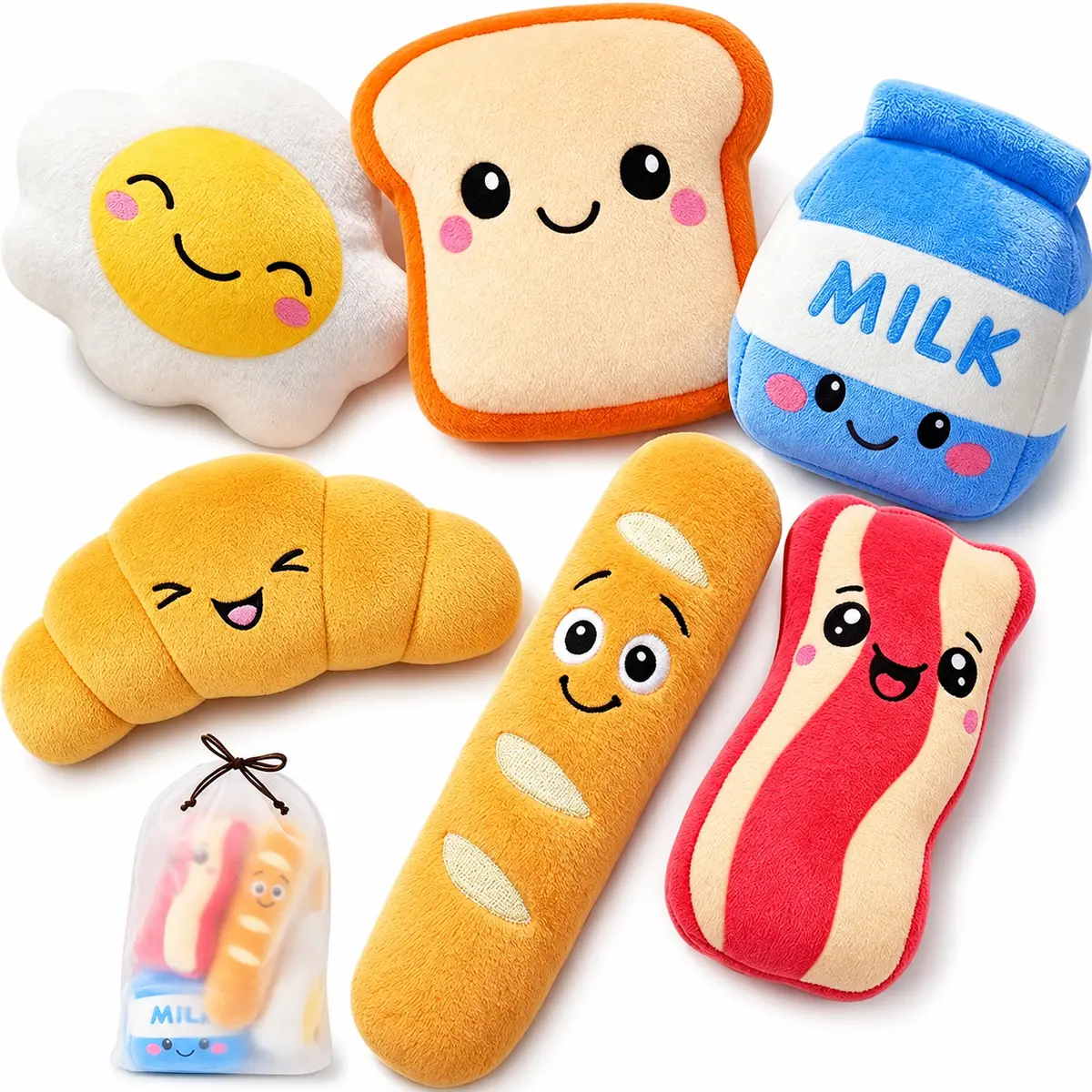
Plush and squeaky toys are the biggest group: stuffed animals with squeakers, corduroy multi-packs, rope-tail plush and no-stuffing crinkle toys that make noise without leaving fluff on the floor. They are comfort and play toys, good for gentle mouthers, carrying and short games of fetch, and they are not meant for hard chewing.
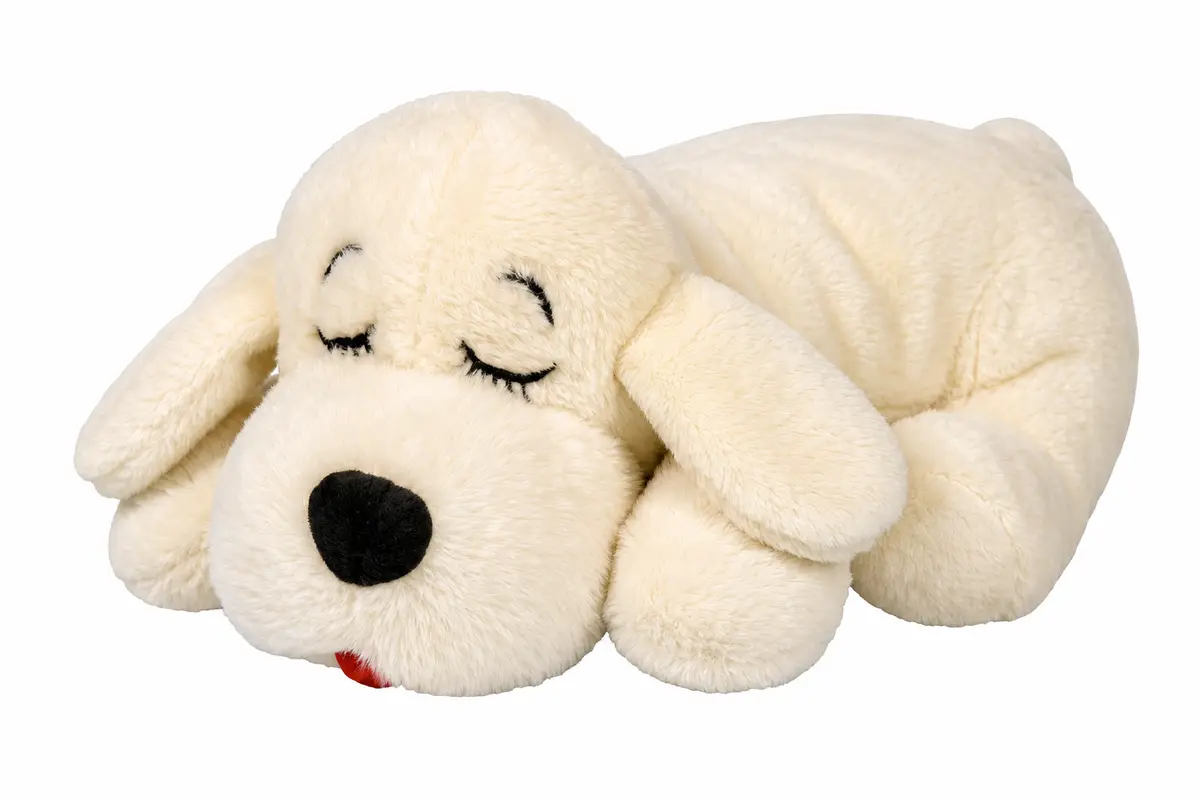
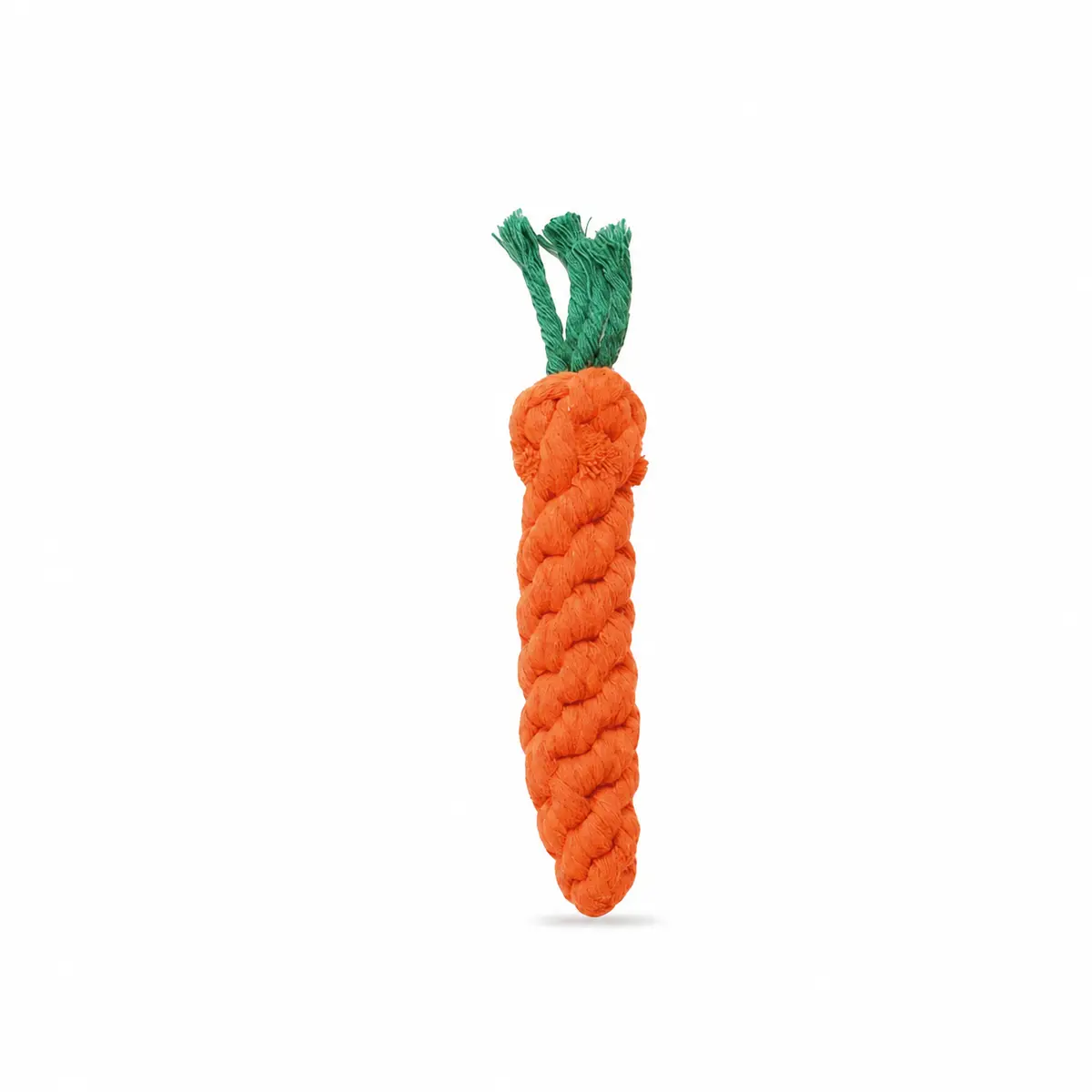
Rope toys suit tug games and dogs that like to shake and pull. Rubber balls, bell balls and giggle balls are fetch and chase toys. Soft flying discs are made for catching without hurting teeth. Interactive toys, including motion-activated and self-rolling balls and treat puzzles, keep a dog busy when you cannot play, and heartbeat plush toys are aimed at puppies settling into a new home.
Choosing the right size
Size is a safety question. A ball or toy should be too large to fit fully into your dog's mouth or slip to the back of the throat. As a working rule, a ball for a large dog should be wider than the gap between its back teeth when the mouth is open, and toys sold for small dogs should never be given to a big one.
Multi-packs are often sized for medium and large dogs, while small plush toys suit toy breeds and puppies. If you share toys between two dogs of different sizes, buy for the larger one. Retire any toy once it has been chewed down small enough to swallow.
Match the toy to the chewing style
Gentle players carry toys around, nibble and squeak. Almost anything here works for them. Moderate chewers will open seams on plush toys within days, so no-stuffing designs, double-stitched corduroy and rope toys last longer. Power chewers need firm rubber toys and supervised tug, and plush should be a supervised game rather than something left in the crate.
Whatever the style, watch the first few sessions with a new toy. Remove squeakers, stuffing and rope threads once they come loose, because swallowed fabric and string can cause a blockage. Vomiting, straining, a tight belly or refusing food after a toy goes missing are reasons to call your vet promptly.
Toys for puppies
Puppies explore with their mouths and go through a teething stage when their adult teeth come in. Soft plush, crinkle toys and rope toys are easy on young jaws, and a heartbeat toy can give a new puppy something warm-feeling to curl up with in its first nights away from the litter.
Keep puppy toys small enough to carry but too big to swallow, and rotate them so a few are out at a time. Teach a trade, swapping a toy for a treat, early on. It makes it much easier to take something unsafe out of a puppy's mouth later.
Keeping toys interesting
Dogs lose interest in toys that are always on the floor. Keep a basket out of reach and rotate three or four toys every few days, and the old ones feel new again. Interactive balls and treat puzzles are best saved for times when you are busy, so they stay special.
Most plush toys can be hand washed or put through a gentle cycle in a laundry bag, then air dried with the squeaker side down. Rubber toys can be scrubbed in warm soapy water. Check every toy when you wash it and throw away anything torn, cracked or chewed down.
Toy construction and ways to play
| Toy family | Construction or mechanism | How play happens |
|---|---|---|
| Plush or squeaky | Fabric body,with stuffing or a sound insert as listed | Carrying and gentle shared play |
| Rope | Twisted or knotted strands | Handler-led tug and shaking |
| Ball | Round body in the listed material | Rolling,chasing and fetch |
| Flying disc | A flatter throwing shape | Throw-and-retrieve games |
| Treat puzzle | Food spaces and movable parts | Searching or manipulating parts |
| Moving toy | A motion mechanism or rolling body | Chasing its particular movement |
What dog toys are safe for aggressive chewers?
Firm rubber toys and thick rope used during supervised tug are the safest options here. Plush toys, even durable ones, should only be given under supervision to strong chewers and removed once seams open.
How many toys does a dog need?
A handful is plenty if you rotate them. Aim for one comfort toy, one fetch toy, one tug toy and one puzzle, and swap a few in and out every few days.
Are squeaky toys bad for dogs?
No, but the squeaker is a small part. Supervise play, and take the toy away as soon as the squeaker is exposed or the fabric tears, since a swallowed squeaker can block the gut.
Can dogs play with toys unattended?
Only with toys they cannot break apart. Leave tough rubber toys or puzzles that suit your dog's size, and keep plush and rope toys for times when you can watch.