







Dog toys
Antler, Bone, Bamboo and Branch Shaped Chew Toys for Dogs, Two Sizes
- Options
- 8 to choose from
From $11.99
Free US shipping over $49 · 30-day free returns · Happy pets, happy homes
Pet care guidesDogs
Big welcomes for small paws.
25 items picked for everyday life with your pet, with shipping estimates on every item.
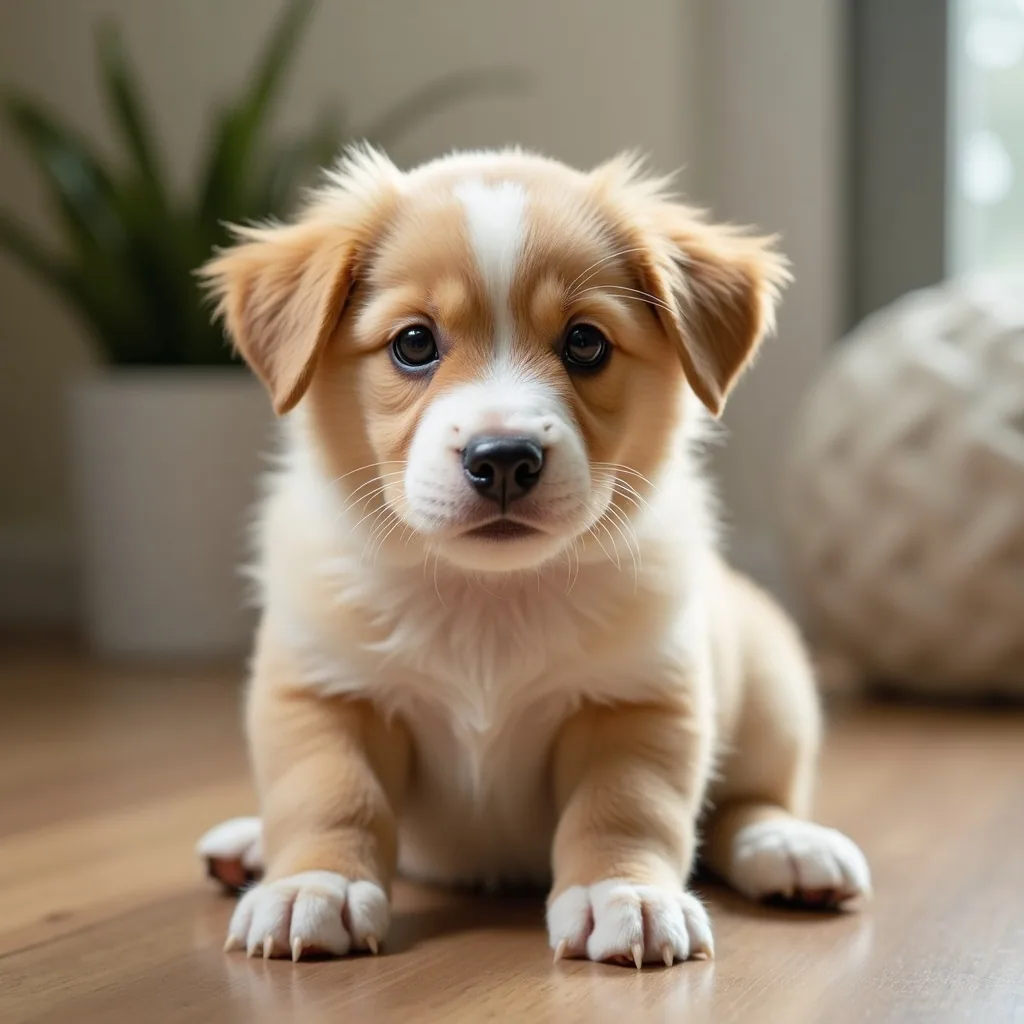 Everything for their first few weeks.
Dog toys
From $11.99

Puppy teething toys
$14.99






Dog toys
From $14.99


Puppy teething toys
$13.99


Dog toys
From $15.99


A little guidance
Buying guides and care advice written for this range: what to measure, what matters and what to skip.
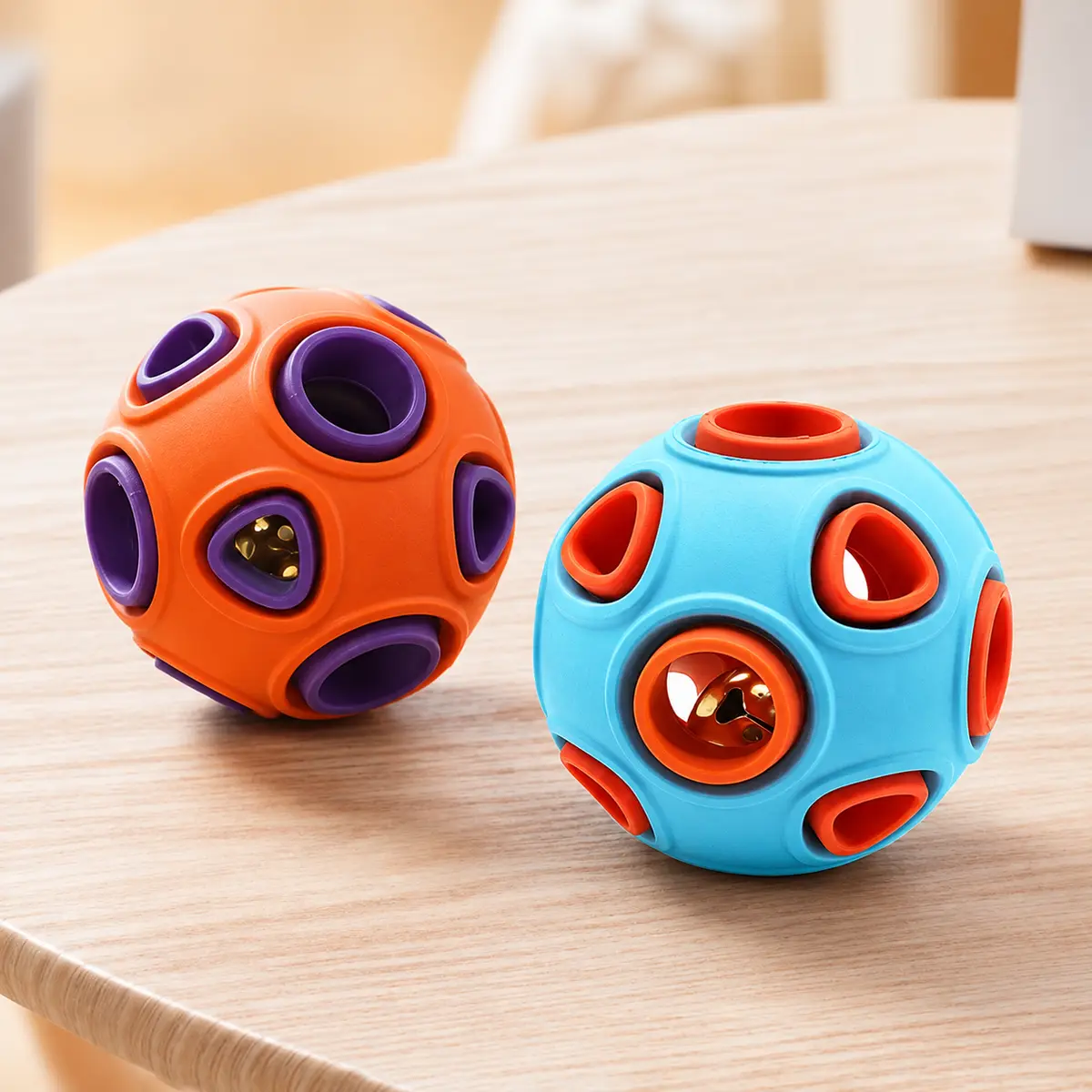
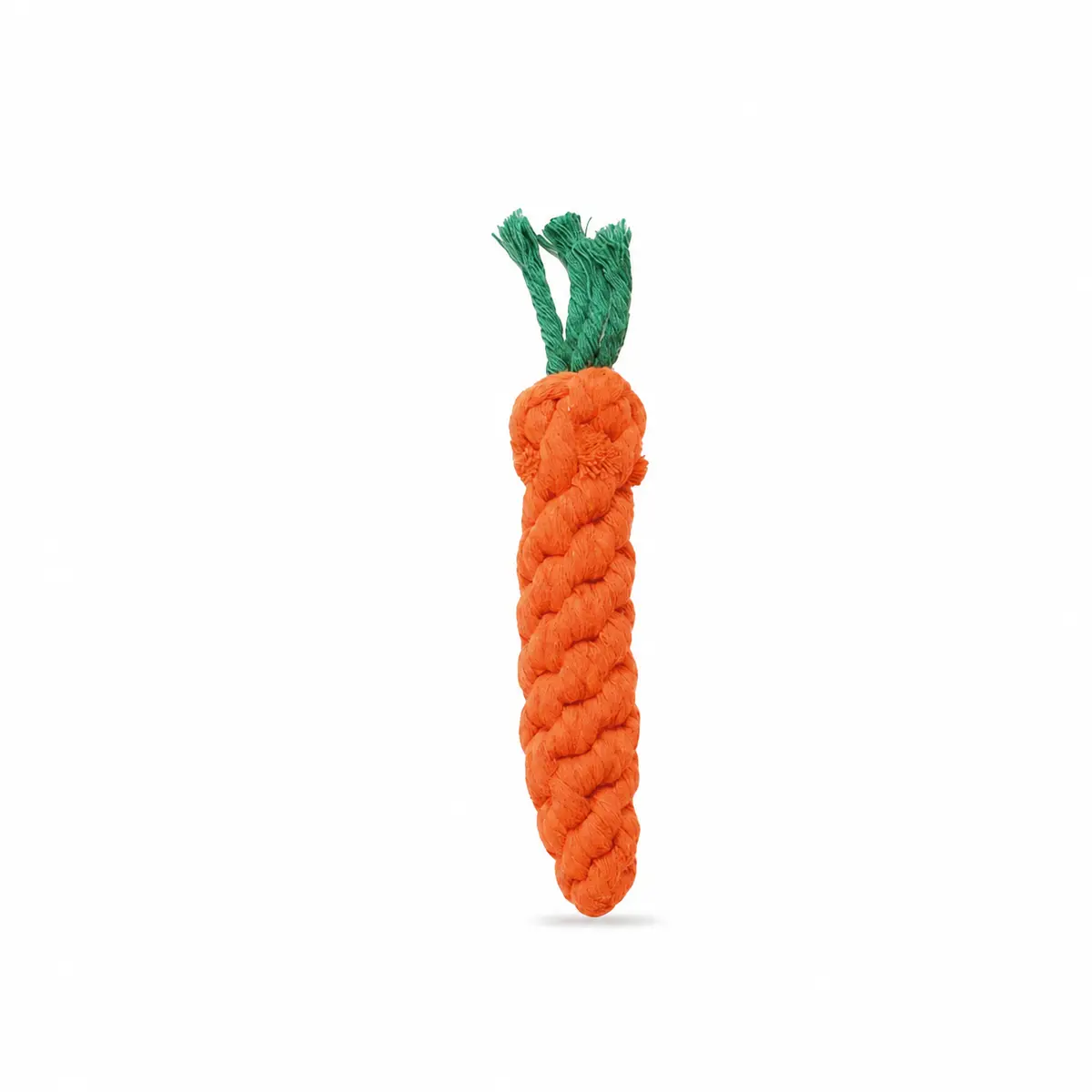
Shop puppy chew toys made for teething mouths: natural rubber chew sets, cotton rope carrots and tug toys, soft latex toys that squeak, and rubber balls with a bell inside. Several come as multi-piece sets, so you can rotate them through the weeks when your puppy wants to chew everything. This page is for owners of puppies from about eight weeks to the end of teething, and it explains what to give, when, and what to take away.
Puppies get their first teeth at two to four weeks and have about 28 baby teeth by six weeks. According to the AKC teething timeline, those teeth start to fall out at around 12 to 16 weeks as the adult teeth push through, and most puppies have all 42 adult teeth by about six months. You may find tiny tooth fragments on the floor, and that is normal.
Chewing eases sore gums, and it is also how puppies explore. Many go through a second chewing phase between about eight and ten months as the adult teeth settle. Giving the right toys through both phases is far cheaper than replacing a chair leg.
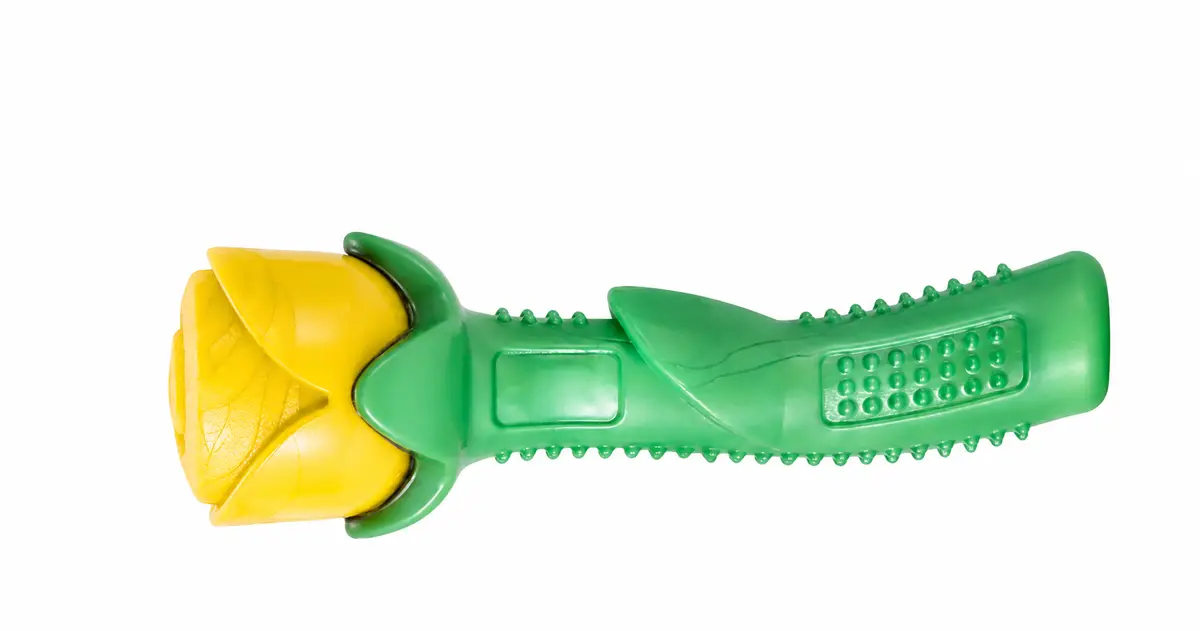
Natural rubber toys are the backbone of this range. Rubber has some give, so it is kind to baby teeth but stands up to steady gnawing, and textured nubs massage the gums. Rubber sets with a ball and a rope give a teething puppy a hard option and a soft one in the same pack.
Cotton rope toys, such as the carrot-shaped teethers, are good for gentle tug and for chewing on the fibers, but they are supervised toys. Once a rope frays into loose strands, take it away, since swallowed threads can tangle in the gut. Soft latex squeaky toys are for play and cuddling, not for unsupervised chewing sessions.
A chew toy should be too big to fit entirely in your puppy's mouth, yet small enough to carry comfortably. For a toy breed puppy under 10 pounds, mini balls and slim rubber shapes are right. For a large breed puppy that will grow past 50 pounds, move up a size every few weeks, because a toy that suited it at ten weeks can become a choking risk at four months.
Size up rather than down if you are unsure. Multi-piece sets are useful here, since they often include a range of shapes, and you can retire the small pieces as your puppy grows.
Supervise new toys at first and check them every day. Throw away anything your puppy can chew chunks from or pull stuffing or fibers out of. Rinse rubber toys in warm water every few days, and let rope toys dry fully after washing.
Rotate two or three toys so each feels new, and keep one within reach in every room where your puppy spends time. When your puppy mouths hands or furniture, swap in a toy and praise the chew. Take any broken baby tooth that has not fallen out by six months to your vet, who may need to remove it.
Puppy toys are softer than toys built for adult power chewers on purpose. Very hard chews, such as antlers and hard nylon, can chip young teeth, and the hardest adult toys are best left until the adult teeth are fully in at around six months.
Once your puppy has its adult teeth and you can see how hard it chews, move to toys matched to that style. Gentle chewers keep using rubber and plush. Strong chewers need tougher rubber designed for heavy chewing. That switch is usually easier than people expect.
Start at about eight weeks, when most puppies come home. Teething is most intense from around 12 to 16 weeks, when baby teeth fall out, and continues until the adult teeth are in at about six months.
They are fine for supervised chewing and tug. Remove a rope toy once it starts to fray, because puppies can swallow the loose strands, which can cause a blockage that needs a vet's attention.
Keep chew toys in every room, swap a toy in the moment your puppy starts on furniture, and praise it for chewing the toy. Puppy-proof the room and supervise until the habit is set.
Many owners chill rubber teething toys in the freezer to soothe sore gums. Check the product's care instructions first, and never freeze toys that are cracked or that hold water inside.
Three to five is plenty, ideally a mix of rubber and rope. Rotating them every few days keeps your puppy interested, so a multi-piece set covers the whole teething stage for most homes.