







Dogs
Dog puzzle feeders
Mealtimes, made easy.
28 items picked for everyday life with your pet, with shipping estimates on every item.
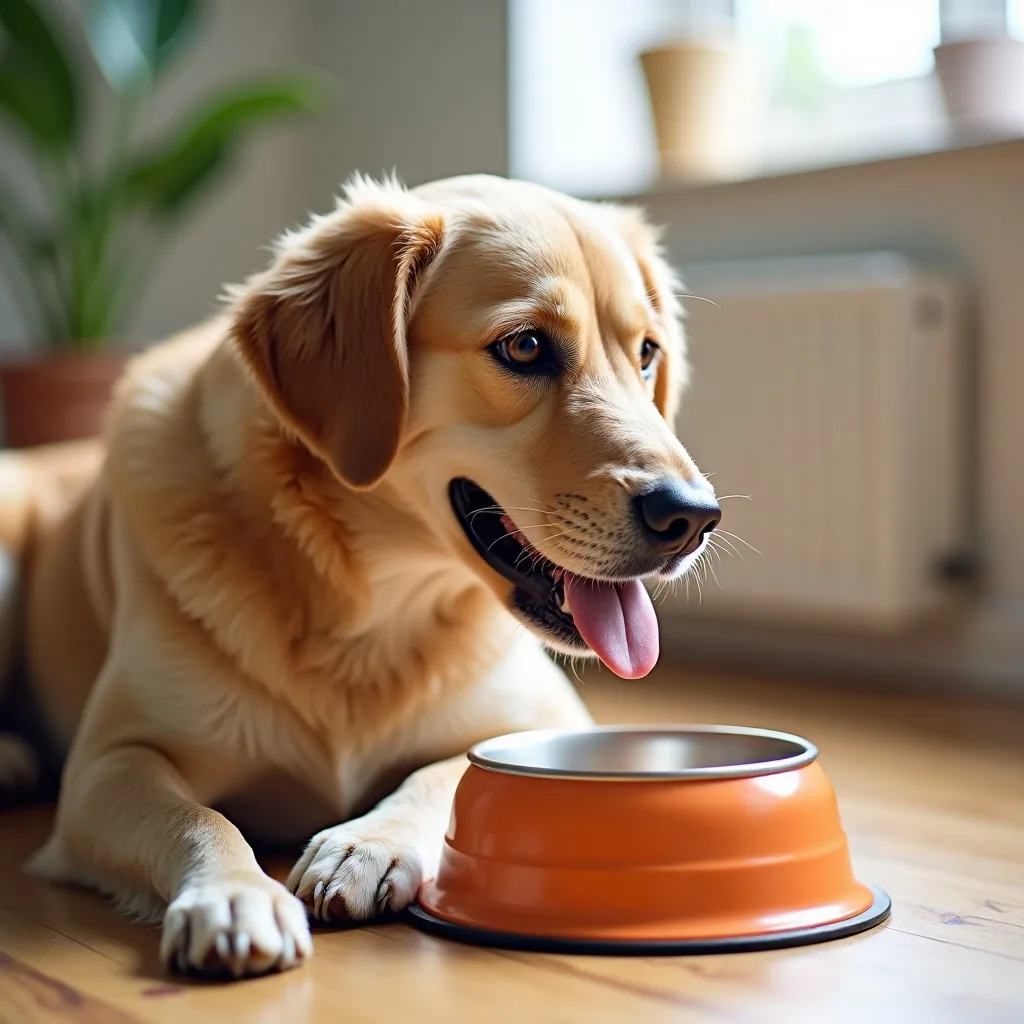 The right bowl makes every meal better.
All dogs toys & play →Dog toys →Snuffle mats →Dog agility equipment →Interactive dog toys →Dog treat balls →Dog balls →Dog puzzle toys →Dog chew toys →Puppy teething toys →Herding balls →Automatic ball launchers →Dog pools →
↗Tracked US shippingEstimates on every item↶Returns & refundsHow it works♡Here to helpTalk to Giddy Pets
All dog puzzle feeders
Little essentials. Lots of love.


Automatic dog feeders
Press-to-Dispense Dog Kibble Feeder Toy with Clear Hopper
- Options
- 2 to choose from
From $35.99


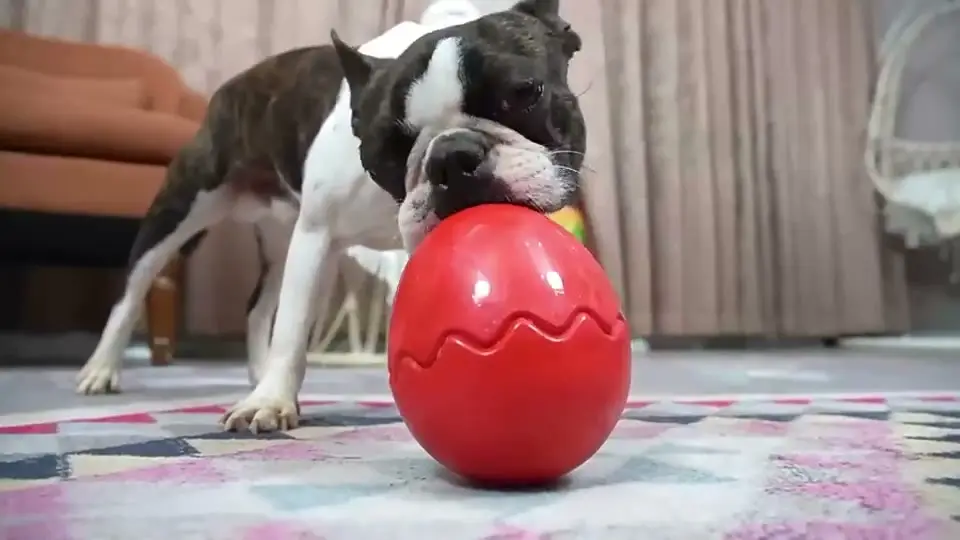


Dog puzzle toys
Dog Puzzle Slow Feeder Bowl in Footprint, Round or Hexagon Shape
- Options
- 10 to choose from
From $19.99

Dog puzzle feeders
Rotating Dog Slow Feeder Puzzle Toy with Covered Compartments
- Options
- 2 to choose from
$28.99


Dog puzzle toys
Interactive Dog Puzzle Feeder in Three Difficulty Levels
- Options
- 3 to choose from
From $33.99

Dog puzzle feeders
Rotating Roller Slow Feeder Puzzle Toy with Maze Base for Dogs
- Options
- 3 to choose from
$50.99

Dog puzzle toys
Interactive Dog Puzzle Feeder Toy in Paw, Round or Hexagon Shapes
- Options
- 10 to choose from
$20.99


A little guidance
Help choosing dog puzzle feeders
Buying guides and care advice written for this range: what to measure, what matters and what to skip.
From our guides
- Best Puzzle Feeders for Dogs: How to Choose One →
- Best Food for Border Collies: What to Look For →
- Best Automatic Dog Feeder: How to Choose One That Feeds Reliably →
- Best Chicken Feeders: What Actually Matters →
- Best Hay Feeders for Rabbits and Guinea Pigs: How to Choose →
- Best Puppy Puzzle Toys: How to Choose a Safe First Puzzle →
This page holds food puzzles for dogs: interactive treat puzzle feeders with sliders and lids, a rotating drum slow feeder with a maze bowl, a three-in-one rotating puzzle feeder, slow feeding puzzle bowls, a silicone slow feeder and a snuffle foraging mat. They are for dogs who gulp their food, get bored between walks, or need a mental workout when exercise is limited.
Why use a puzzle feeder
Dogs evolved to work for food, and a bowl emptied in thirty seconds skips all of that. VCA notes that food puzzles provide mental stimulation, can reduce stress and boredom, slow pets that eat too quickly and help inactive or overweight pets move more, and that dogs given food toys in studies barked less and were more active.
A puzzle feeder turns part of a meal into a short job. Ten minutes of thinking and sniffing can tire a dog as much as a walk, which makes puzzles useful on rainy days and for dogs on restricted exercise.
Maze and slow-feed bowls
Maze bowls have ridges and channels that force a dog to pick food out a few pieces at a time. They are the easiest puzzle to start with and work for every meal. The AKC notes that slow-feed bowls use raised ridges to slow eating and can make mealtime more fun.
Choose a bowl sized to your dog's muzzle. A deep, narrow maze frustrates a large dog, and a shallow one barely slows a small, determined eater.
Treat puzzles and rotating feeders
Interactive treat puzzles hide kibble under sliders, lids and spinning covers that a dog must nose or paw open. Rotating drum and three-in-one feeders turn as the dog works, releasing food in stages. They give a harder challenge for dogs who have mastered a maze bowl.
Silicone slow feeders and snuffle mats add texture and scent work, and silicone pieces can usually go in the dishwasher.
Getting started
Start easy so your dog succeeds. VCA advises choosing simple puzzles first, as some pets only solve complicated ones after an owner shows them how. Leave a few pieces in easy reach, praise every success, and make it harder over a week or two.
Use part of your dog's daily food, not extra treats, so you do not overfeed. VCA suggests low-calorie treats if you add any. Always supervise puzzle time at first.
Choosing a puzzle for your dog
Match the puzzle to your dog's size, jaw and temperament. Plastic puzzles with small removable parts are fine for gentle dogs, but strong chewers may break and swallow pieces; choose sturdy, one-piece designs for them and pick the puzzle up once the food is gone.
Puzzle level matters as well. A beginner or anxious dog does best with a simple maze; a clever, food-motivated breed such as a Border Collie or Labrador will soon need a multi-step puzzle.
Feeding and bloat
Slowing down eating is helpful for gulpers. If you have a large, deep-chested dog, ask your vet about bloat risk; vets commonly advise splitting food into smaller meals, slowing fast eaters and avoiding hard exercise right after eating.
A dog with a swollen belly, unproductive retching, restlessness or drooling after a meal needs an emergency vet straight away.
Cleaning a puzzle feeder
Food puzzles collect crumbs, oils and saliva in their corners and channels. Wash them after each use with warm soapy water and a small brush, rinse well and dry fully before the next meal. Many plastic and silicone puzzles are top-rack dishwasher safe; check the listing.
The AKC advises inspecting bowls regularly and replacing damaged ones, and the same goes for puzzles. Throw away a puzzle that is cracked, chewed or has a missing part, since sharp edges and loose pieces can injure a dog or be swallowed.
Are puzzle feeders good for dogs?
Yes. VCA notes food puzzles give mental stimulation, reduce boredom and slow fast eaters. Supervise use and start with easy puzzles.
How do I get my dog to use a puzzle feeder?
Start at the easiest level with a few tempting pieces in easy reach, praise every success and make it harder gradually.
Can I feed my dog every meal from a puzzle?
Many owners do, using maze bowls for daily meals. Check your dog finishes and is not frustrated.
What puzzle feeder is best for a large dog?
A wide maze bowl or a sturdy rotating feeder sized for a large muzzle, with no small parts a strong chewer could break off.
Do slow feeder bowls prevent bloat?
They slow eating, which helps gulpers, but bloat has several causes. Ask your vet about feeding a deep-chested dog.