







Dogs
Dog sweaters
Little things. Happy tails.
88 items picked for everyday life with your pet, with shipping estimates on every item.
 A happy life, one little thing at a time.
All dogs clothing & boots →Dog winter coats →Dog clothes →Dog bandanas →Dog shoes & boots →Dog hoodies →Dog raincoats →Dog shirts →Funny dog costumes →Dog bathrobes & drying coats →Dog dresses →Waterproof dog boots →Waterproof dog coats →
↗Tracked US shippingEstimates on every item↶Returns & refundsHow it works♡Here to helpTalk to Giddy Pets
All dog sweaters
Little essentials. Lots of love.


Dog Halloween costumes
Halloween Pumpkin Dog Hoodie, Pullover Sweatshirt
- Options
- 65 to choose from
From $15.99

Dog Thanksgiving outfits
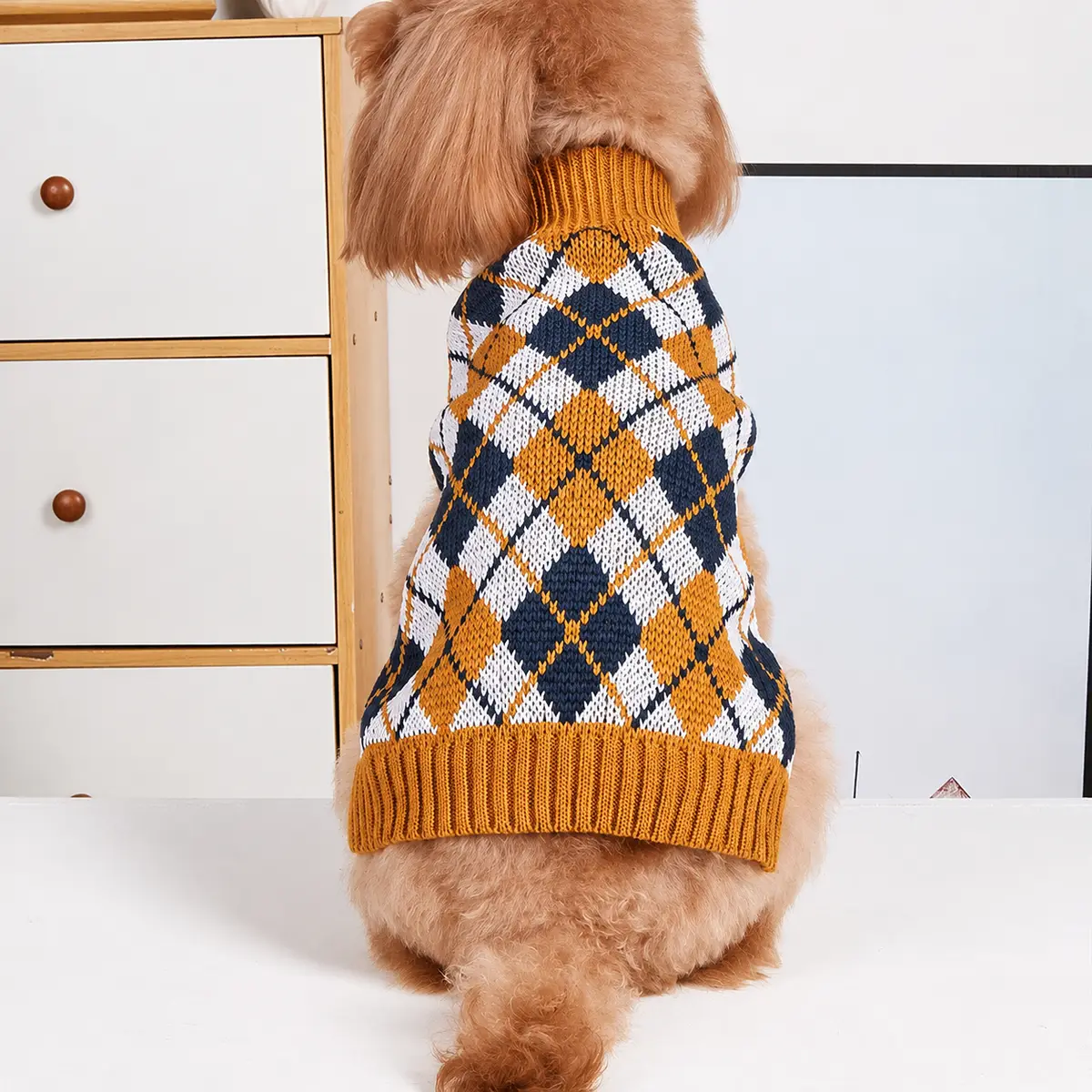
Acrylic Dog Sweater with Argyle and Holiday Designs
- Options
- 12 to choose from
From $16.99

Sweaters for large dogs
Large-Dog Colorblock Fleece Hoodie with Clear Back Pocket
- Options
- 10 to choose from
From $25.99


Dog Christmas sweaters
Christmas Bear Teddy Vest for Cats and Small Dogs
- Options
- 4 to choose from
From $15.99


Dog hoodies
Dog Pullover Hoodie with Front Pocket and Ribbed Cuffs
- Options
- 16 to choose from
From $18.99


Dog Christmas outfits
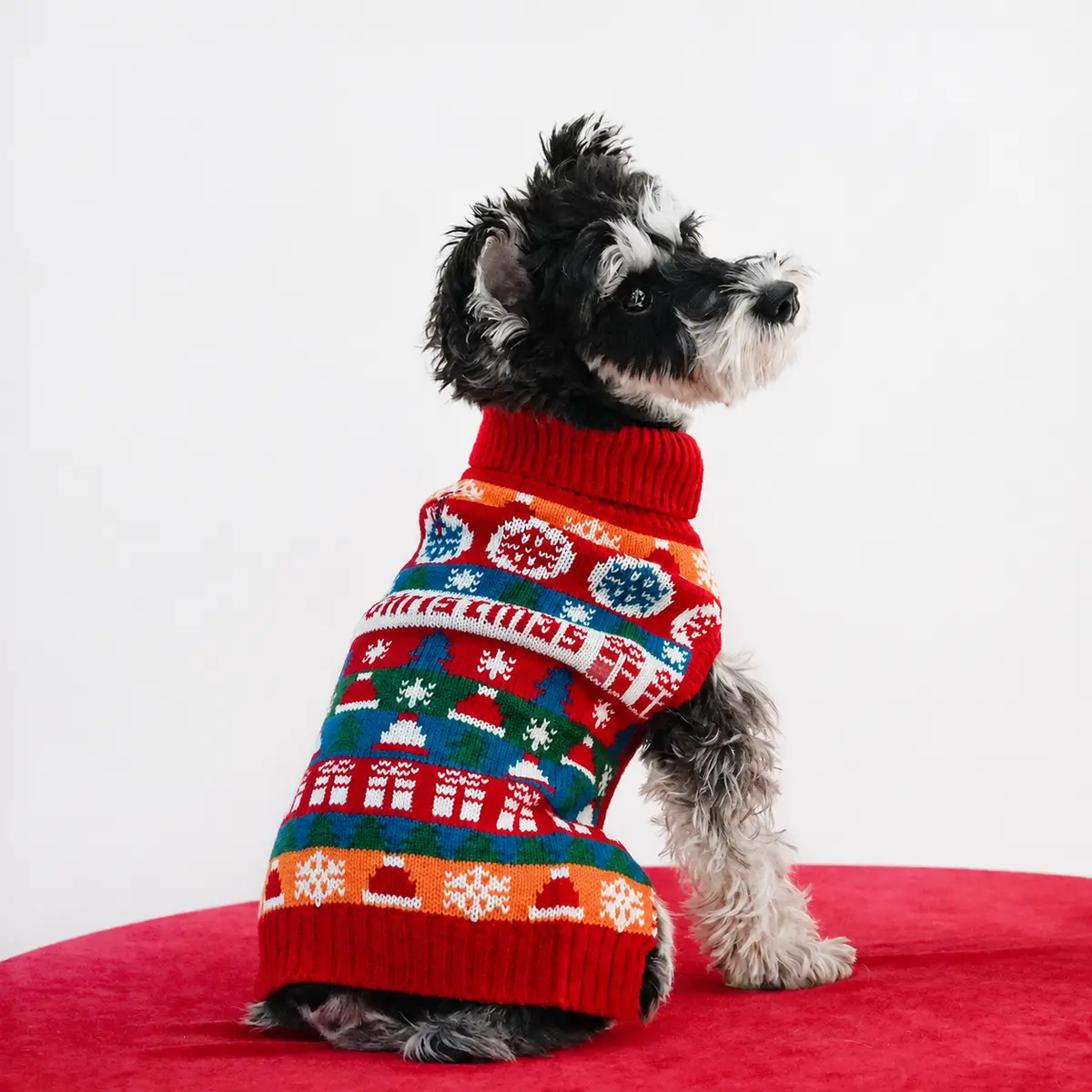
Red Acrylic Christmas Pet Sweater with Paw and Snowflake Knit
- Options
- 5 to choose from
From $16.99

Dog Christmas sweaters
Christmas Pattern Wool Dog Turtleneck Sweater
- Options
- 6 to choose from
From $17.99


Dog clothes
Smiley Face Knit Sweater for Dogs and Cats, Black and Yellow
- Options
- 7 to choose from
From $21.99


Dog Halloween costumes
Halloween Pumpkin Knit Dog Sweater with Turtleneck
- Options
- 20 to choose from
From $15.99
A little guidance
Help choosing dog sweaters
Buying guides and care advice written for this range: what to measure, what matters and what to skip.
From our guides
- Best Dog Sweaters: How to Choose a Warm One That Fits →
- Dog Sweater and Coat Size Chart: How to Measure Your Dog →
- Best Custom Dog Sweaters: What to Check Before You Personalize →
- Should Dogs Wear Clothes? When a Coat or Sweater Helps →
- Best Dog Bandanas: Fabric, Fit and Safety Checks →
- How Cold Is Too Cold for Dogs? →
Shop dog sweaters in knitted, cable-knit, waffle-knit and fleece styles: turtlenecks and roll necks, striped and cherry prints, preppy plaid, pom-pom hoods, holiday patterns, and cut-to-fit sweaters for whippets and Italian greyhounds, plus a few for cats and sphynx cats. This page is for owners of small, short-coated and slim dogs who feel the cold indoors and on walks, and it covers which dogs need a sweater, how to measure, and how sweaters differ from coats.
Which dogs actually need a sweater
Not every dog needs one. A husky or a thick-coated mixed breed is built for cold. Dogs that benefit most are small breeds that lose heat quickly, short-coated dogs such as Chihuahuas, Miniature Pinschers and Boston Terriers, lean sighthounds with little body fat, seniors, and dogs recovering from illness or a recent clip.
The ASPCA suggests a coat or sweater with a high collar or turtleneck for short-haired dogs in cold weather, covering from the base of the tail to the belly. If your dog shivers, lifts its paws, hunches or wants to turn home early on a cold walk, a layer will help.
Knit, cable-knit or fleece
Knitted sweaters are the classic choice. They stretch over the head, breathe well indoors and on dry walks, and come in the widest range of patterns here, from stripes to snowflakes. Cable-knit and roll-neck styles are thicker and warmer around the throat and chest.
Fleece sweaters and fluffy fleece sweaters are softer, lighter and dry faster than wool-style knits, and they are less likely to snag on brush. Neither knit nor fleece is waterproof, so for rain, sleet or snow choose a coat instead, or layer a thin sweater under a shell.
How to measure your dog
You need three numbers. Measure the back from the base of the neck, where a collar sits, to the base of the tail. Measure the chest around its widest point, just behind the front legs. Measure the neck where the collar sits. Do it with your dog standing and use a soft tape.
Chest is the measurement that decides the size; length can be a little short without trouble, but a tight chest restricts movement. Deep-chested dogs such as whippets and Italian greyhounds need a specific cut, which is why this range includes sweaters made for those shapes. If you are between sizes, go up.
Getting the fit and comfort right
A good fit sits close without pulling. You should be able to slip two fingers under the neck and chest, the legs should move freely, and on male dogs the belly panel should stop short of the penis so the sweater stays dry when they pee.
Introduce the sweater slowly. Let your dog sniff it, put it on for a few minutes indoors with treats, then build up. Take it off once your dog is back inside and warm, since dogs can overheat in a sweater by the radiator, and check under the arms for rubbing.
Holiday sweaters and caring for knits
Holiday patterns, including reindeer, gingerbread and snowflake knits, are popular from late fall through the new year for family photos and parties. Most are as warm as the plain styles, so they double as everyday sweaters through the cold months.
Wash knits on a gentle, cool cycle or by hand, reshape them and lay them flat to dry, because hot dryers shrink and felt them. Fleece can go in the washer and dryer on low. Keep two sweaters if your dog wears one daily, so one is always clean.
Do dogs need sweaters in winter?
Small, short-coated, lean and senior dogs often do. Thick double-coated breeds usually do not. If your dog shivers, hunches or lifts its paws on cold walks, a sweater with a high neck will help.
How should a dog sweater fit?
Snug but not tight: two fingers under the neck and chest, front legs moving freely, and the back reaching close to the base of the tail. Choose by chest size, and size up if your dog is between sizes.
Is a sweater or a coat better for my dog?
A sweater suits dry cold and chilly homes. A coat suits wind, rain and snow, because most coats have a weatherproof shell. Many owners use a thin sweater under a coat on the coldest days.
Can dogs wear sweaters all day?
Indoors only if your home is cold or your dog is very small or thin-coated. Take the sweater off when your dog is warm, at night and if it is wet, and check for rubbing under the legs.
Do you have sweaters for cats?
Yes. The range includes a waffle-knit polo and a knit sweater cut for sphynx cats, which have no coat to keep warm. Most cats need a slow introduction before they will wear one happily.