







Dogs
Dog clothes
Little things. Happy tails.
277 items picked for everyday life with your pet, with shipping estimates on every item.
 A happy life, one little thing at a time.
All dogs clothing & boots →Dog winter coats →Dog sweaters →Dog bandanas →Dog shoes & boots →Dog hoodies →Dog raincoats →Dog shirts →Funny dog costumes →Dog bathrobes & drying coats →Dog dresses →Waterproof dog boots →Waterproof dog coats →
↗Tracked US shippingEstimates on every item↶Returns & refundsHow it works♡Here to helpTalk to Giddy Pets
All dog clothes
Little essentials. Lots of love.

Dog clothes
Adjustable Polyester Dog Snood Head Cover in Five Colors
- Options
- 15 to choose from
From $12.99




Dog coats with harness hole
Contrast-Zipper Polyester Dog Coat with Buckled Webbing
- Options
- 18 to choose from
From $19.99


Reflective dog coats
Padded Hooded Dog Coat with Reflective Sleeve Strips
- Options
- 10 to choose from
From $18.99

Small dog clothes
Printed Polyester Four-Leg Dog Jumpsuit with Contrast Cuffs
- Options
- 30 to choose from
From $21.99

Winter coats for large dogs
Faux-Leather Look Dog Jacket for Medium and Large Breeds
- Options
- 24 to choose from
From $28.99

Raincoats for small dogs
Clear Hooded Dog Raincoat with Colored Edge Trim
- Options
- 20 to choose from
From $15.99


Matching dog and owner outfits
Matching Raglan-Sleeve Dog and Owner T-Shirt Options
- Options
- 32 to choose from
From $19.99


Dog Christmas outfits
Pet Costume Cape and Hat Set with Curly Hair Detail
- Options
- 40 to choose from
From $17.99

A little guidance
Help choosing dog clothes
Buying guides and care advice written for this range: what to measure, what matters and what to skip.
From our guides
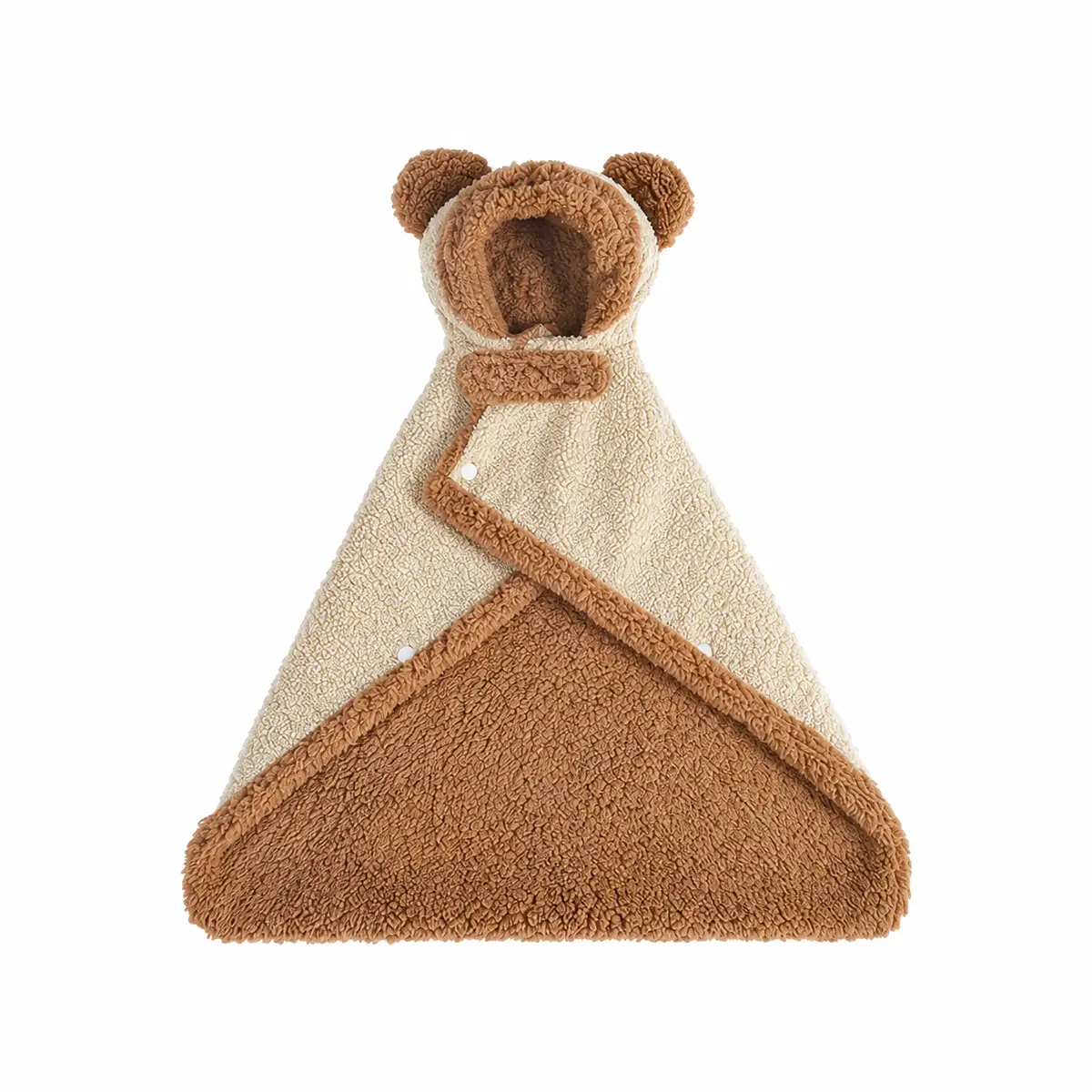
This hub gathers our dog clothes: hoodies and turtleneck shirts, padded coats with harness D-rings, water-repellent softshell jackets, tweed coats with bear-ear hoods, biker jackets, four-legged jumpsuits including waterproof versions with built-in harness, light vests, mesh summer tanks and knitted neck scarves. It is for owners of small and short-coated dogs who feel the cold, and for anyone who likes a dressed-up dog. The guide covers fit and when clothes help.
Which dogs benefit from clothes
Many dogs are perfectly comfortable without clothing, but some genuinely benefit. Small breeds such as Chihuahuas and toy terriers lose heat quickly, as do short-coated and lean breeds such as whippets, Italian greyhounds and Boxers. Senior dogs and dogs recovering from illness may also feel the cold more.
Thick-coated breeds such as Huskies and Malamutes rarely need a coat and can overheat in one. Watch for shivering, lifting paws off cold ground or reluctance to go outside, which suggest your dog would be more comfortable with an extra layer.
How to measure your dog
The AKC recommends three measurements: back length from the base of the neck to the base of the tail, chest girth around the widest part of the rib cage just behind the front legs, and neck girth where the collar sits. Measure with your dog standing naturally.
Check every brand's size chart, even one you have bought from before, because sizes vary. If your dog falls between sizes, choose the larger one. For male dogs, the AKC notes that a garment without a belly cutout may need a slightly shorter underside.
Coats and jackets for cold and wet weather
Padded coats trap warmth for winter walks, and many here have a D-ring opening so you can clip a lead to the harness underneath. Water-repellent softshell jackets suit drizzly spring and fall days. Tweed coats with fluffy hoods and biker jackets add style for town walks.
Four-legged jumpsuits cover the legs and belly, which helps keep long-haired and low-slung dogs cleaner on muddy trails. The waterproof jumpsuit with built-in harness is a practical choice for rainy regions. Our winter coats for small dogs page focuses on cold-weather options for smaller breeds.
Hoodies, shirts and summer wear
Hoodies and turtleneck shirts add a light layer indoors or on cool mornings, and they suit hairless and thin-coated breeds. Slogan hoodies and printed shirts are popular for photos and outings. Knitted neck scarves add warmth around the throat without a full garment.
For summer, breathable mesh vests and lightweight tanks offer a little sun cover without trapping heat. Even so, clothing can make overheating more likely, so keep outfits off on hot days and never leave a dressed dog unattended in warm weather.
Comfort and safety in dog clothing
A well-fitting garment lets your dog walk, sit, lie down and toilet without pulling. Check under the front legs and around the neck for rubbing after the first few wears. Remove anything with buttons or decorations your dog chews, as small parts can be swallowed.
Introduce clothing gradually with treats, and keep first sessions short. Wash garments regularly to remove dirt and skin oils, and dry them fully before use. A dog who freezes, scratches or tries to escape an outfit is telling you to try something lighter or skip it.
Do dogs need clothes in winter?
Small, short-coated, lean, senior and hairless dogs often benefit from a coat or sweater in cold weather. Thick double-coated breeds usually do not. Shivering or reluctance to go outside suggests an extra layer would help.
How do I know what size dog clothes to buy?
Measure back length, chest girth and neck girth, then compare all three to the brand's chart. Chest girth is usually the most important. Choose the larger size if your dog falls between two.
Is it okay for dogs to wear clothes all day?
Most dogs should not wear clothes all day. Use them for walks and cold spells, remove them indoors when your dog is warm, and check for rubbing. Never leave a dog in clothes unsupervised for long periods.
Can dogs wear clothes in summer?
Only very light, breathable pieces, and only if needed for sun protection on thin coats. Clothing can trap heat, so watch for heavy panting and remove the garment on hot days.