







Dog shoes & boots
Breathable Dog Boots with Hook-and-Loop Straps and Non-Slip Soles
- Options
- 6 to choose from
From $29.99
Free US shipping over $49 · 30-day free returns · Happy pets, happy homes
Pet care guidesDogs
Ready for any weather.
20 items picked for everyday life with your pet, with shipping estimates on every item.
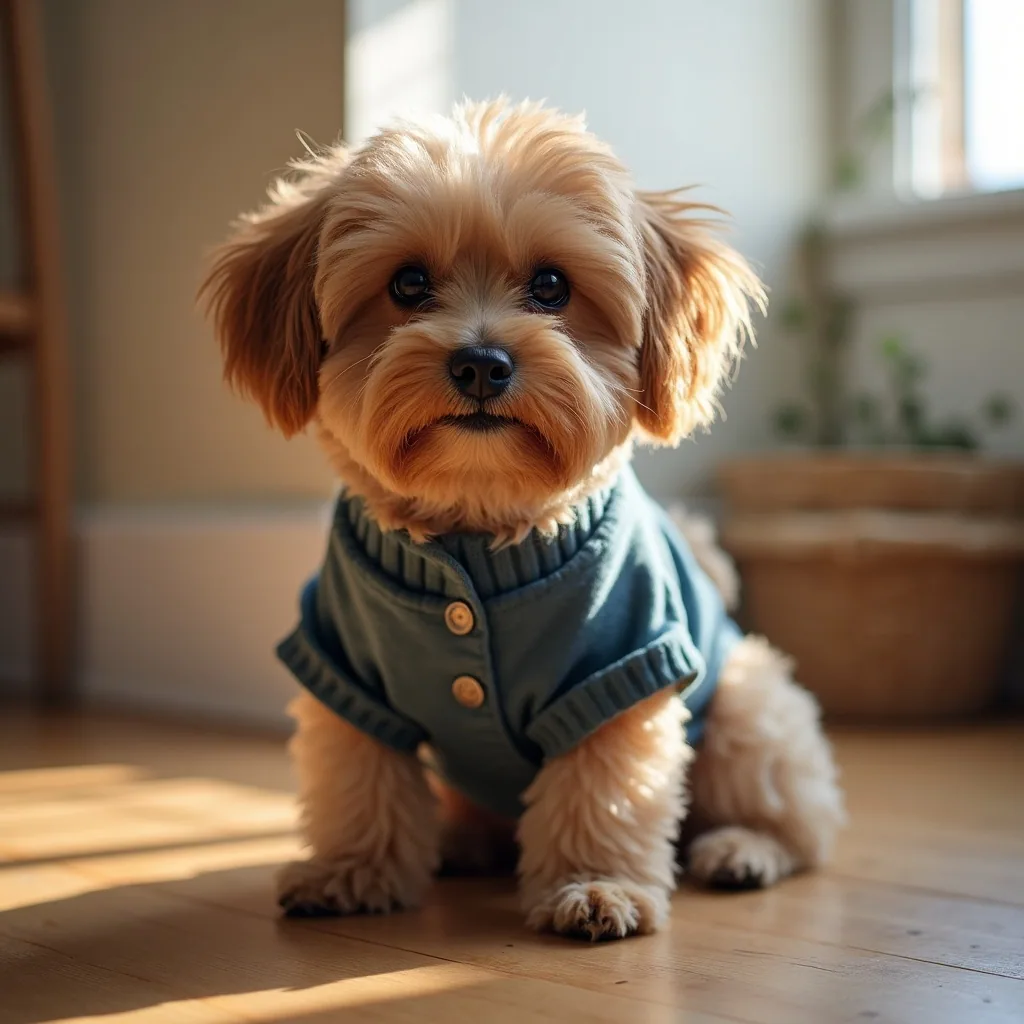 Snug, dry and looking the part.
Dog shoes & boots
From $29.99

Waterproof dog boots
From $18.99

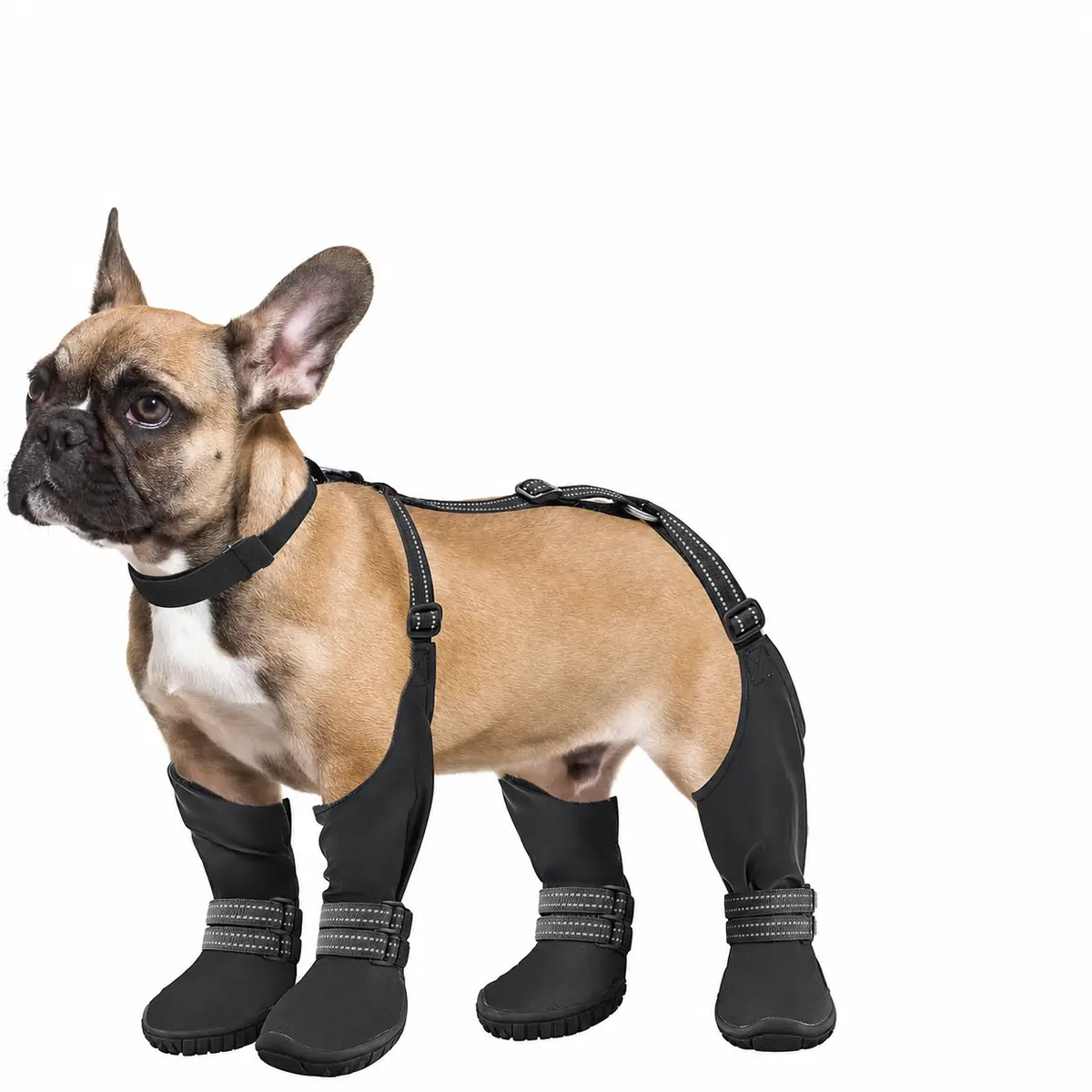

Dog shoes & boots
From $15.99

Waterproof dog boots
$21.99

Dog boots for snow
From $16.99

Dog shoes & boots
From $32.99

Waterproof dog boots
From $30.99

Dog boots for snow
$27.99


Waterproof dog boots
From $15.99


Waterproof dog boots
From $24.99

Dog shoes & boots
From $13.99


Dog shoes & boots
From $18.99


Dog shoes & boots
From $22.99
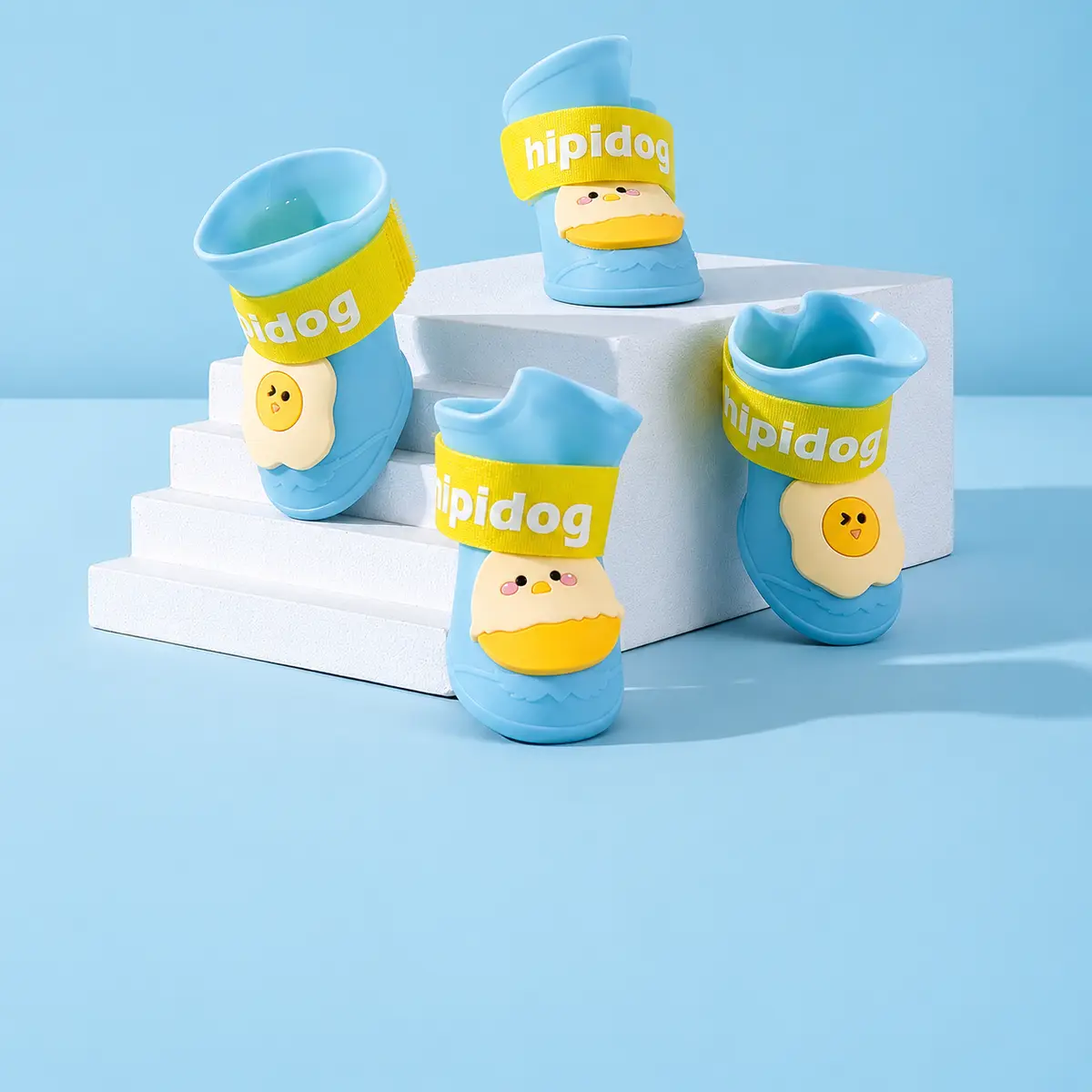
A little guidance
Buying guides and care advice written for this range: what to measure, what matters and what to skip.
This page narrows our dog clothing to waterproof footwear: silicone dog rain boots sold in sets of four, waterproof anti-slip boots, boots with reflective trim, fleece-lined snow boots, boots with suspender straps that stay on, breathable EVA boots, and waterproof anti-slip socks. They are for dogs who walk through puddles, mud, slush and salted sidewalks, and for owners tired of wiping eight paws after every rainy walk. The guide below covers sizing and getting a dog used to boots.
Boots keep paws dry and clean on wet walks, which saves cleanup and helps dogs with long fur between their toes, where mud and ice collect. In winter, they protect pads from deicing salt and chemical ice melt, which the ASPCA notes can irritate paws and can make a dog sick if licked off later.
Boots also help dogs with sensitive or injured pads, senior dogs who slip on wet surfaces, and dogs walking on rough ground. Anti-slip soles give grip on wet sidewalks and indoor floors.
Silicone rain boots are light, flexible balloon-style boots that slip on and seal out water. They are inexpensive and suit rain and puddles. Waterproof anti-slip boots have structured soles and fastenings, better for longer walks and mixed terrain.
Fleece-lined snow boots add warmth for cold weather. Boots with suspender straps link the pair over the back so they cannot fall off. Breathable EVA boots and waterproof socks are lighter options for dogs who dislike bulky footwear.
Stand your dog on a piece of paper with weight on the paw, mark the front and back and the widest points, then measure length and width. Measure the front paws, which are usually larger. Compare both measurements to the size chart, choosing by width if your dog falls between sizes.
Boots should be snug enough not to twist or slide, but not so tight that they pinch. Check for rubbing on the dewclaw and around the top of the boot after the first walks, and adjust straps evenly.
Most dogs walk strangely in their first boots, lifting their feet high. Introduce boots indoors with treats: put one on for a few seconds, reward, take it off. Build up to all four boots, then short walks around the house before going outside.
Keep sessions short and positive, and do not force it. Some dogs never accept boots, and the ASPCA suggests paw balm and wiping paws after walks as an alternative. Remove boots after walks so paws can dry and breathe.
| Style | Construction described | What to verify |
|---|---|---|
| Silicone rain boot | Flexible slip-on body | Opening and usable interior dimensions |
| Structured boot | Sole with fastening straps | Sole size and strap placement |
| Fleece-lined boot | Additional inner lining | Usable room after the lining |
| Suspender-linked boot | Straps connect boots over the back | Full strap route and individual fit |
| Lightweight EVA boot or sock | A lighter body format | Exact material and intended conditions |
Not all dogs, but boots keep paws dry and clean, protect against salt and chemicals in winter, and help dogs with sensitive pads or long fur between the toes.
Stand your dog on paper with weight on the paw, mark the front, back and widest points, and measure length and width. Use the front paws and compare to the size chart.
Choose the right width, tighten the straps snugly, and consider boots with suspender straps that connect over the back. Boots that are too big are the main reason they fall off.
It is normal at first, as dogs feel the ground differently. Short, rewarded practice sessions indoors usually help dogs adjust within a few days. Check that the boots fit snugly, since loose boots make the odd walk worse.
They are light, inexpensive and keep out water for rain and puddles. For long walks, rough ground or snow, structured boots with soles and fastenings last longer.