Buying guides
Best Dog Boots for Hot Pavement: What Protects Paws
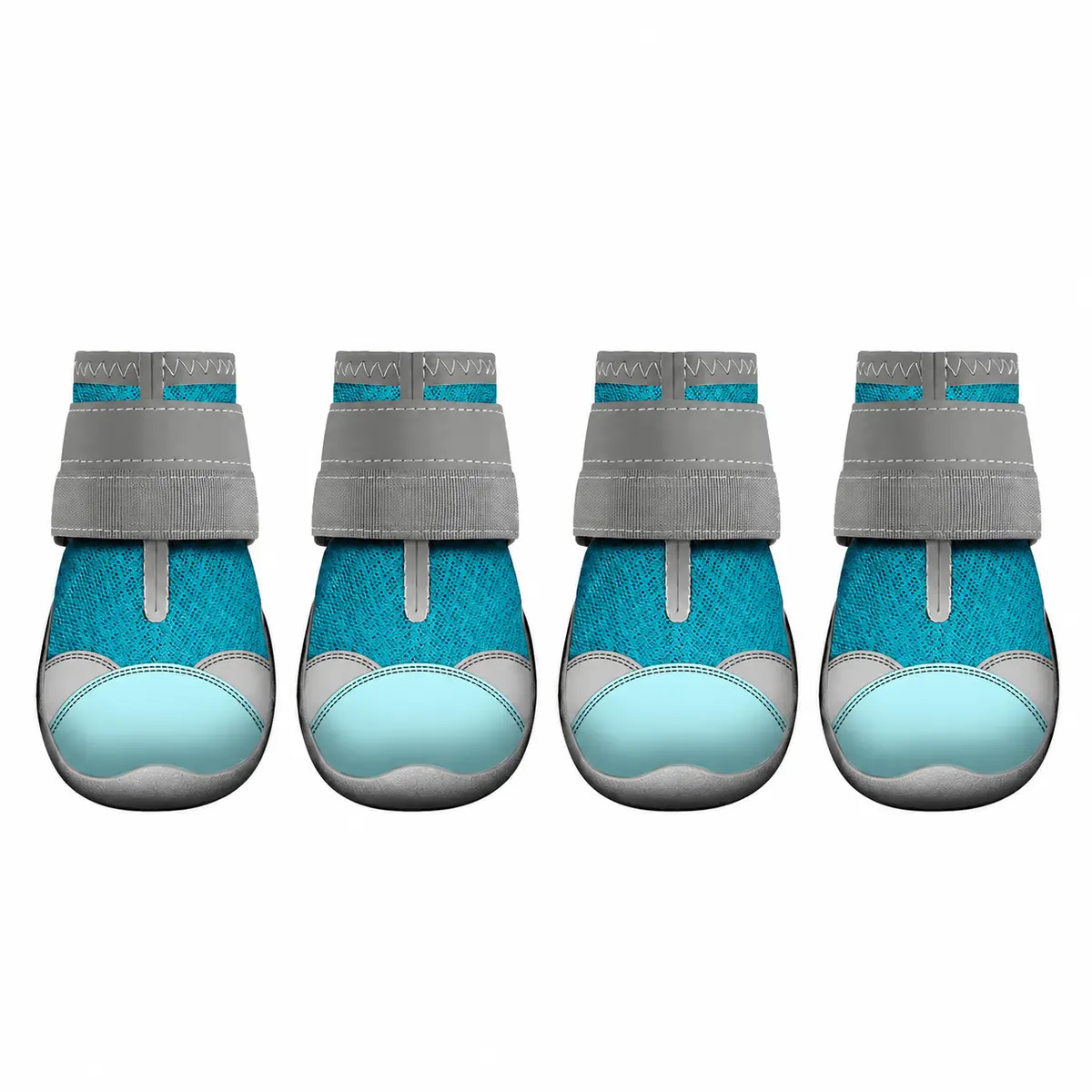
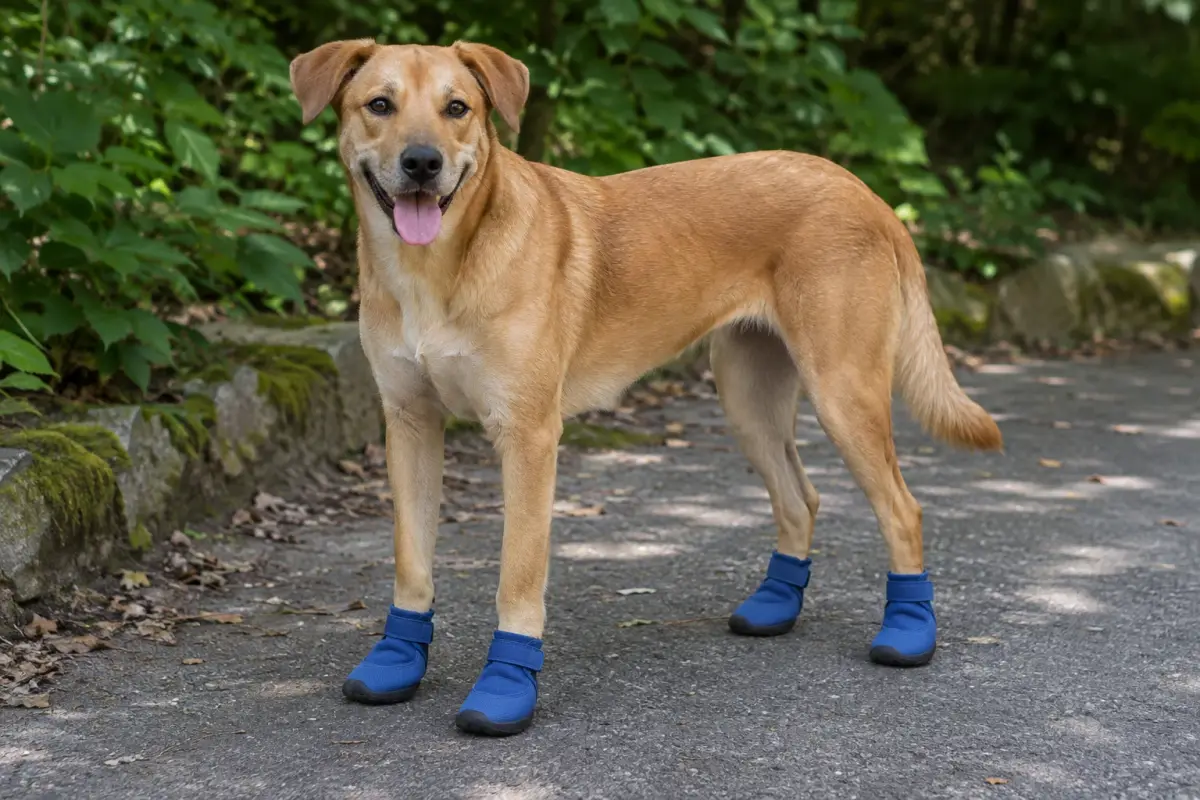
The best dog boots for hot pavement have a thin, flexible rubber sole that blocks heat, a breathable mesh upper so feet do not overheat, and wrap-around closures that stay on. Measure each paw by tracing it on paper, and train your dog to wear them indoors first. On the hottest days, timing your walk matters more than any boot.
By Matt GarnettUpdated November 14, 20263 min read2 sources
Why pavement matters
Pavement heats far beyond the air temperature. The AKC cites data showing asphalt reaching 135°F when the air was 86°F, and says that when air temperatures stay at 85°F or higher, the ground may be too hot for walking. Its quick test: put your hand on the pavement for ten seconds; if it is too hot for your hand, it is too hot for your dog's paws.
Burned pads can look red, blistered or darker than usual, and a dog may limp, lick its feet or refuse to walk. Rinse with cool water and call your vet; burns can be more serious than they first appear.
What matters most in hot-weather boots
The sole does the work in any pair of dog boots for hot pavement. The AKC notes lightweight boots that conform to the foot suit hot sidewalks, while grooved anti-slip soles help on uneven ground. A thin, flexible rubber sole lets the dog feel the ground and walk normally while blocking heat; thick hiking soles are often heavier than summer needs.
The upper should breathe. The AKC recommends mesh to help prevent cracked pads and bacterial buildup, and warns that boots that trap moisture can raise the risk of yeast infections. Wrap-around closures and full-foot grips keep the boot on; the AKC advises against products that stick to the pads.
Boot types compared
Lightweight summer boots with mesh uppers and rubber soles are the standard choice for city heat. Disposable natural rubber covers, which the AKC also mentions, give one-use protection and are thin enough that many dogs accept them quickly. Rugged hiking boots suit trails and rock but are warmer.
Paw wax and balms are not heat protection; they help condition pads but do not insulate from hot asphalt. Socks alone offer little protection. For dogs that refuse anything on their feet, change the walk instead: early morning, late evening, grass and shade.
How to measure and fit dog boots
The AKC method: put your dog's paw on a sheet of paper with weight on it, so it spreads as in walking, trace around it, and measure across the widest part. Measure front and back paws, because many dogs have larger front feet and some brands sell different sizes.
The fit should be snug but not tight, with room for the feet to breathe. Check for rubbing at the dewclaw and top of the paw after the first short walks. If a boot twists or slides off, try the next size down or a different closure, such as a zip-closure mesh boot.
Training your dog to wear boots
Most dogs walk oddly in boots at first. The AKC suggests letting your dog sniff the boots, pairing them with praise and high-value treats, starting with one boot and building up, and having the dog wear them indoors for short periods before going outside.
Even with boots, avoid the hottest part of the day, carry water and watch for heat stress: heavy panting, drooling, weakness or stumbling. Flat-faced breeds overheat especially fast. Any dog showing those signs needs shade, cool water and a call to your vet.
Boot upper and sole formats
| Format | Physical construction | Verify before choosing |
|---|---|---|
| Mesh upper with sole | Ventilated fabric above a separate sole | Paw fit,closure and sole condition |
| Thin rubber cover | Flexible rubber covering | Opening and material condition |
| Hiking boot | A more structured upper and sole | Weight,flexibility and exact intended use |
Common questions
Do dogs need shoes for hot pavement?
When pavement is hot, boots protect pads from burns. The AKC's test is ten seconds with your hand on the ground; if it is too hot for you, it is too hot for paws.
What are the best dog shoes for hot pavement?
Lightweight boots with a thin, flexible rubber sole, a breathable mesh upper and secure wrap-around closures, sized by tracing each paw on paper. Measure front and back paws separately.
How hot is too hot to walk a dog on pavement?
The AKC says sustained air temperatures of 85°F or higher may make the ground too hot, and asphalt can reach 135°F at 86°F air temperature.
How do I get my dog used to wearing boots?
Introduce them indoors with treats, start with one boot, build up time gradually, and only head outside once your dog walks normally in them. Keep early sessions short and upbeat.
Sources we checked
This guide is general information, not veterinary advice. If your pet is unwell or injured, contact your veterinarian.