







Dogs
Dog harnesses
Better walks, every day.
132 items picked for everyday life with your pet, with shipping estimates on every item.
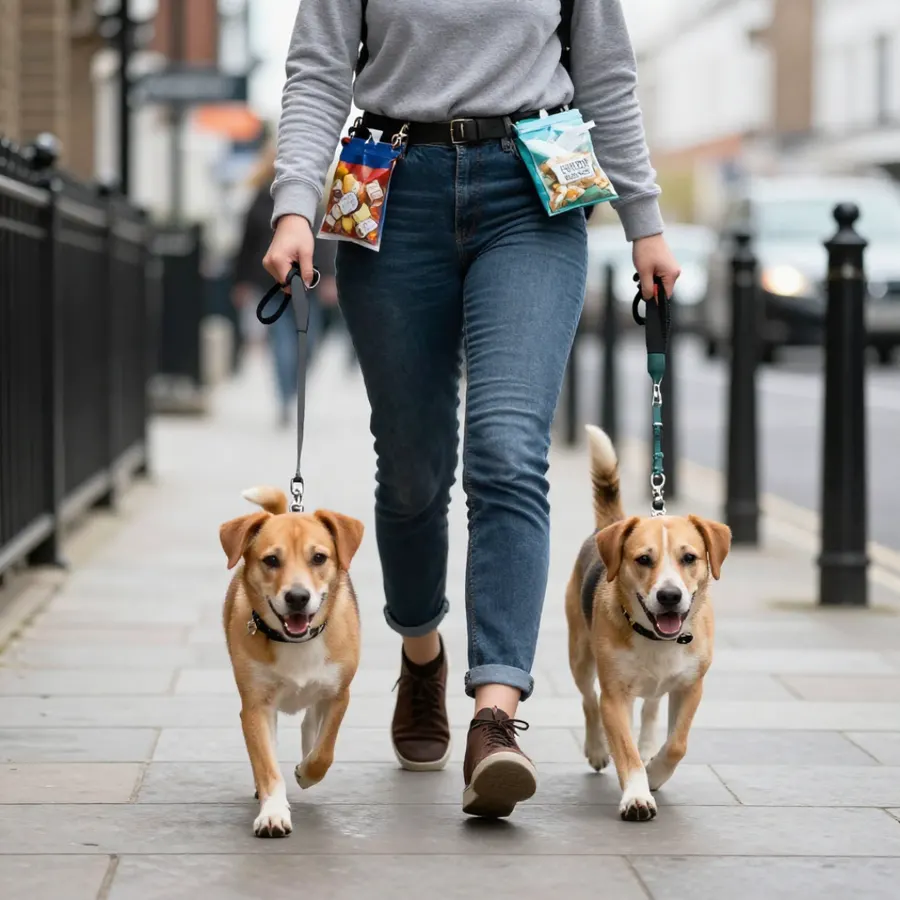 Out the door and ready for anything.
All dogs walking & training →Dog collars →Dog leashes →Retractable dog leashes →Dog muzzles →Dog vest harnesses →Cute dog collars →Tactical dog harnesses →Pooper scoopers →No pull dog harnesses →Personalized dog collars →Small dog harnesses →Cute dog harnesses →
↗Tracked US shippingEstimates on every item↶Returns & refundsHow it works♡Here to helpTalk to Giddy Pets
All dog harnesses
Little essentials. Lots of love.
Dog vest harnesses
Adjustable Nylon Dog Harness with Reflective Panels
- Options
- 20 to choose from
From $34.99

Tactical dog harnesses
1000D Nylon Dog Harness with Side Buckles and Two Handles
- Options
- 12 to choose from
From $25.99


Leather dog harnesses
Brown or Black Leather Dog Harness with Riveted Chest Panel
- Options
- 4 to choose from
From $57.99
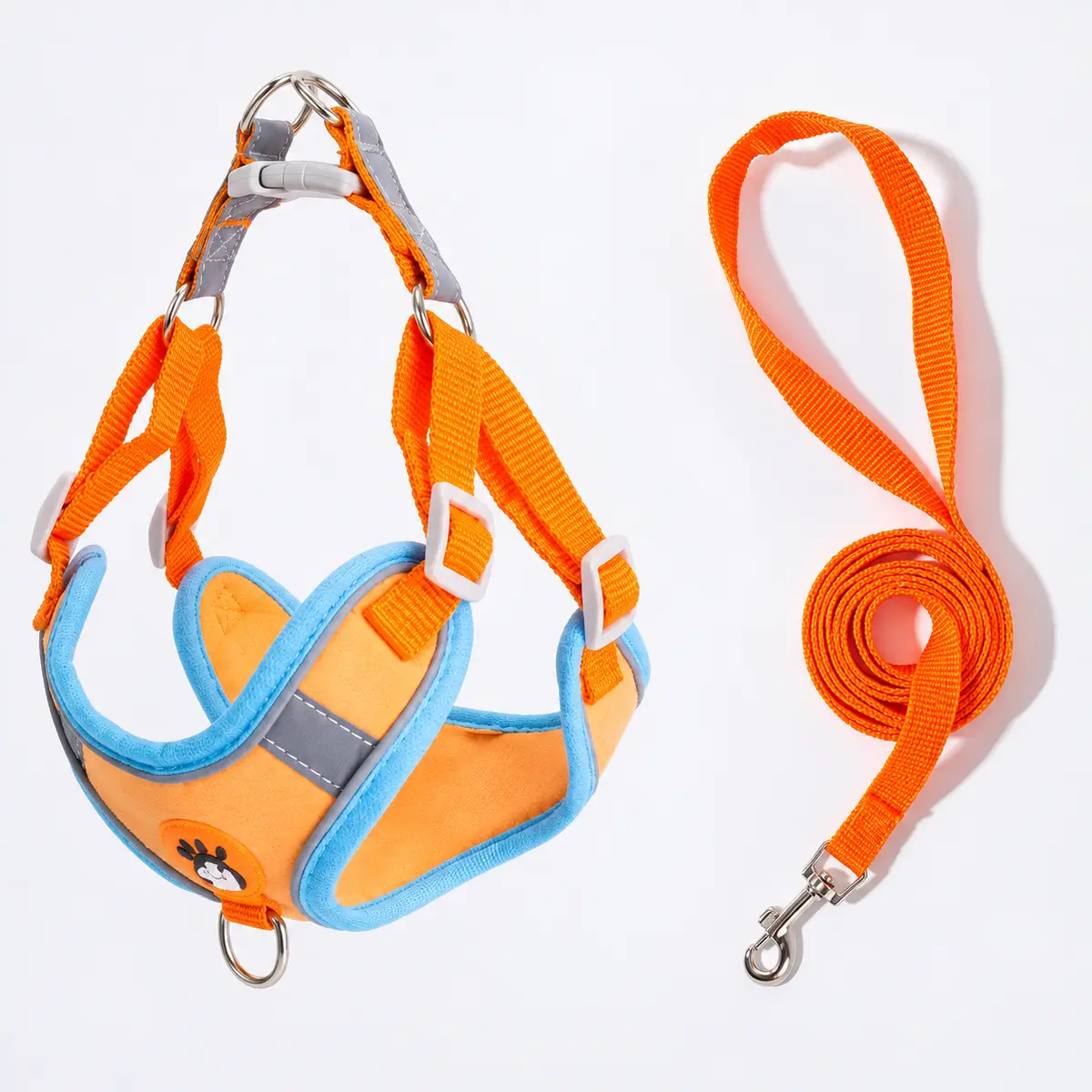


Dog harnesses with handle
Nylon Vest-Style Dog Harness with Back Handle
- Options
- 12 to choose from
From $31.99

Escape proof dog harnesses
Polyester Three-Band Dog Harness with Top Handle
- Options
- 18 to choose from
$21.99


Dog cooling vests
Rechargeable Cooling Fan Dog Harness with Lights and Leash
- Options
- 8 to choose from
From $28.99

Dog backpack carriers
Retro Streetwear Oxford Dog Backpack in Three Colors
- Options
- 3 to choose from
$19.99


Dog collars
Velvet Dog Collar, Leash and Harness Set with Gold Buckle
- Options
- 39 to choose from
From $13.99

Rope dog leashes
X-Front Dog Harness and Padded-Handle Rope Leash Set
- Options
- 16 to choose from
From $14.99

Dog harnesses
Adjustable Dog Harness and Leash Set with Padded Chest Strap
- Options
- 25 to choose from
From $20.99

Dog vest harnesses
Adjustable Polyester Mesh Dog Harness with Paw Badge
- Options
- 55 to choose from
From $15.99

Tactical dog harnesses
Adjustable Tactical Dog Harness Vest with Handle and Four Buckles
- Options
- 20 to choose from
From $29.99


A little guidance
Help choosing dog harnesses
Buying guides and care advice written for this range: what to measure, what matters and what to skip.
From our guides
- Best Dog Harness: How to Choose the Right Type and Fit →
- Best Harness for Medium Dogs: How to Choose One That Fits →
- How to Put On a Dog Harness →
- Best Puppy Harness: How to Choose One That Fits a Growing Dog →
- Best Harness for a Husky: What Actually Matters →
- Best Dog Car Seat or Seat Belt Harness: How to Choose →
This page brings together every dog harness in the range: no-pull harnesses with a front clip, padded and mesh vest harnesses, step-in styles, reflective and rechargeable light-up harnesses, tactical harnesses with a grab handle, a backpack harness with saddle bags, and fashion styles in leather-look, fleece-lined plaid and corduroy, many sold as sets with a leash. It is for any owner choosing a first harness or replacing one that rubs, slips or does not stop pulling.
Harness styles explained
A back-clip harness attaches the leash between the shoulder blades. It is easy to put on and comfortable for dogs that already walk nicely. A front-clip or no-pull harness has a ring on the chest, so when the dog pulls the harness turns it gently sideways rather than letting it lean its whole weight forward. Many harnesses here have both rings, which the American Kennel Club suggests is useful when teaching a dog to walk in a harness.
Step-in harnesses go on with the dog stepping its front legs through and fastening on the back, so nothing passes over the head, which suits head-shy dogs. Vest harnesses spread pressure across a wider panel of mesh or padding. Tactical harnesses are heavier nylon with a top handle and attachment loops for working, hiking or a dog you sometimes need to steady by hand.
How to measure your dog
You need two numbers. The American Kennel Club advises measuring the base of the neck where it meets the shoulders, and the widest part of the chest, usually just behind the front legs. Use a soft tape measure, or a piece of string laid against a ruler, with your dog standing square.
Compare both numbers with the size chart rather than going by weight alone, since a deep-chested dog and a stocky one of the same weight need different sizes. If your dog sits between two sizes, choose the larger one and tighten the straps. Weigh your dog too, because chest straps on small sizes are not built for a much heavier dog.
Checking the fit
A harness should be snug without pinching. A common check is that two fingers slide under each strap, and the American Kennel Club notes a veterinary view that they should squeeze under rather than slip easily, because a loose harness is the one a dog backs out of. Walk your dog in the yard and watch the shoulders: the straps should not cut across the front of the shoulder or rub behind the elbows.
Pull gently on the leash ring in a few directions and back your dog up a step. If the harness slides toward the ears, tighten the neck strap. Recheck the fit after a haircut, a change in weight, or for puppies every few weeks, and look for red patches or broken hair under the straps.
Harnesses for pulling, night walks and adventure
For a dog that pulls, start with the no-pull styles, used on the front ring with a standard 6-foot leash and reward-based training. A harness reduces the strain on the neck compared with a collar, but it is a tool, not a fix, and pulling still needs teaching.
For early mornings and evenings, reflective stitching and light-up harnesses make your dog visible to drivers. Tactical harnesses and the saddle bag backpack style suit hiking, though a backpack should be loaded lightly and only for healthy adult dogs. Waterproof harnesses dry quickly after rain or a swim.
Sets with a leash and collar
Many harnesses in the range come as a set with a matching leash, and a few include a collar. A set is convenient for a new dog, and the hardware is matched in weight. Check the leash length and clip size suit your dog; a small dog does not need a heavy clip pulling on its back.
Keep an ID tag on a collar or attached to the harness whenever you are out. A harness that comes off in a fright leaves a dog with no identification, so the tag matters as much as the fit.
Harness openings,panels and attachment positions
| Feature or layout | Physical distinction | What to inspect |
|---|---|---|
| Back clip | Leash ring on the upper body | Ring location and body fit |
| Front clip | Leash ring at the chest | Chest placement and strap route |
| Dual clip | Both attachment positions | Both ring connections |
| Step-in | Feet enter before fastening on the back | Leg openings and buckle placement |
| Vest | A broader panel of mesh or padding | Panel edges and leg clearance |
| Tactical-style | Heavier panel layout with handle or loops | Exact materials,adjustment and stated uses |
Is a harness better than a collar for walking?
For many dogs, yes. A harness spreads the pull across the chest instead of the throat, which suits small breeds, flat-faced breeds and dogs that pull. Keep an ID tag on either way.
How tight should a dog harness be?
Snug enough that two fingers squeeze under each strap and the harness cannot slide over the head when your dog backs up, but loose enough that the shoulders move freely.
What is the best harness for a dog that pulls?
A front-clip or dual-clip no-pull harness, used on the chest ring, steers the dog to the side when it pulls. Combine it with loose-leash training for lasting results.
Can a dog wear a harness all day?
It is better not to. Take the harness off at home so the coat and skin can breathe, and check for rubbing. Leaving it on also risks it catching on furniture or a crate.
What size harness for a 50 lb dog?
Most 50 lb dogs wear a medium or large, but go by chest girth and neck measurement, not weight, and compare both with the specific size chart.