







Dog vest harnesses
Adjustable Nylon Dog Harness with Reflective Panels
- Options
- 20 to choose from
From $34.99
Free US shipping over $49 · 30-day free returns · Happy pets, happy homes
Pet care guidesDogs
Better walks, every day.
52 items picked for everyday life with your pet, with shipping estimates on every item.
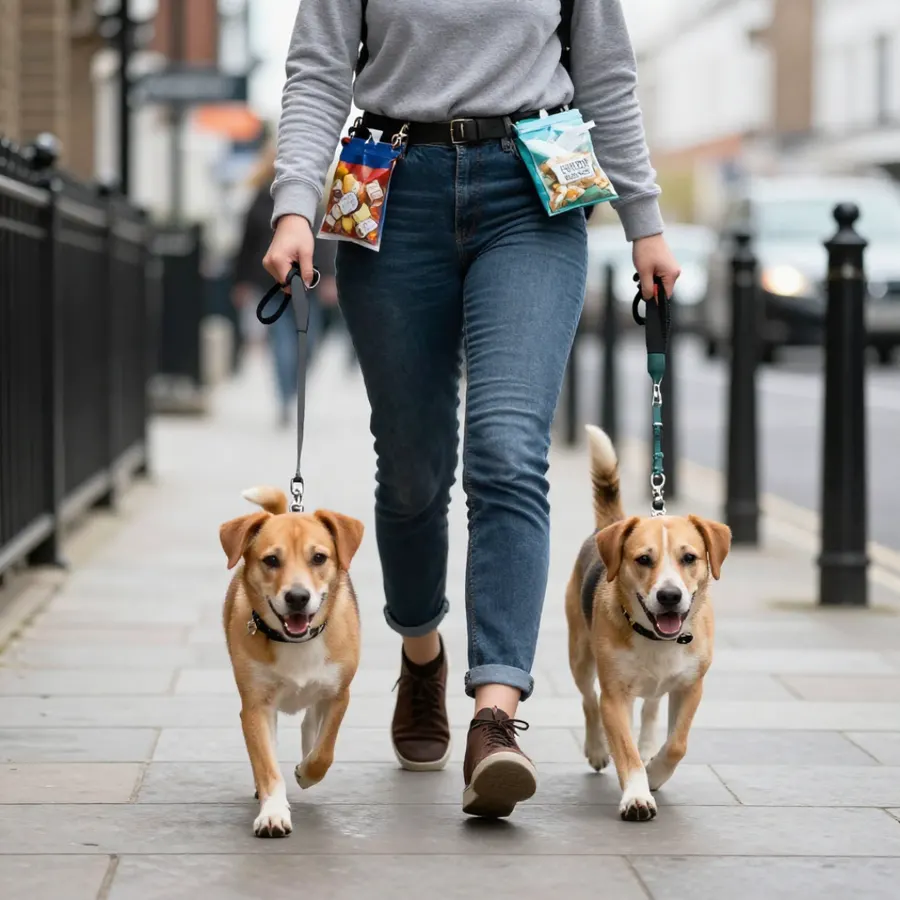 Out the door and ready for anything.
Dog vest harnesses
From $34.99


Tactical dog harnesses
$49.99

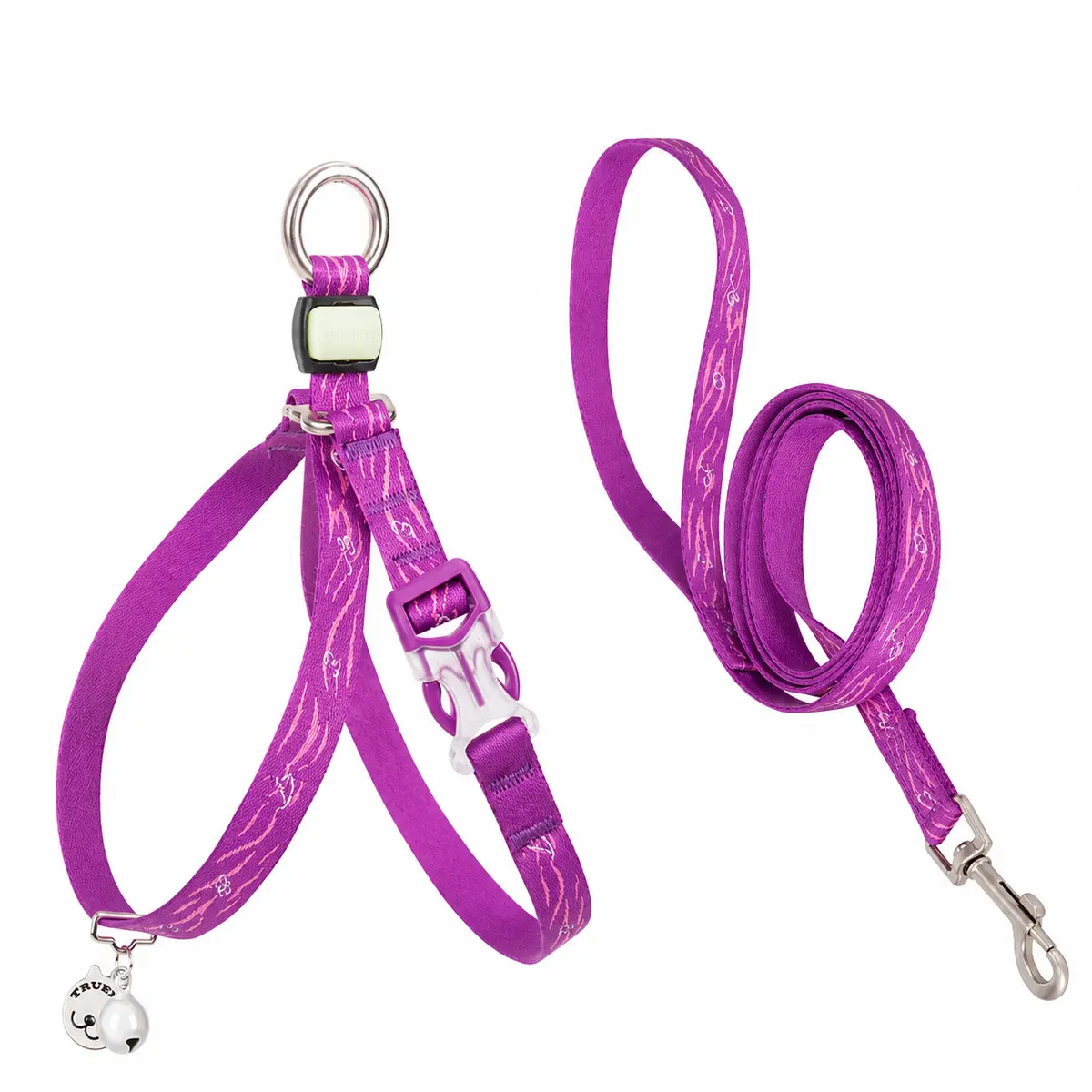
Cat harnesses
From $25.99


Dog harnesses with handle
From $31.99

Padded dog harnesses
From $19.99

Dog cooling vests
From $28.99

Dog leashes
From $20.99

No pull dog harnesses
From $28.99


Dog vest harnesses
From $15.99


Tactical dog harnesses
From $29.99

Cute dog harnesses
From $18.99


Small dog harnesses
From $15.99

Dog vest harnesses
$14.99

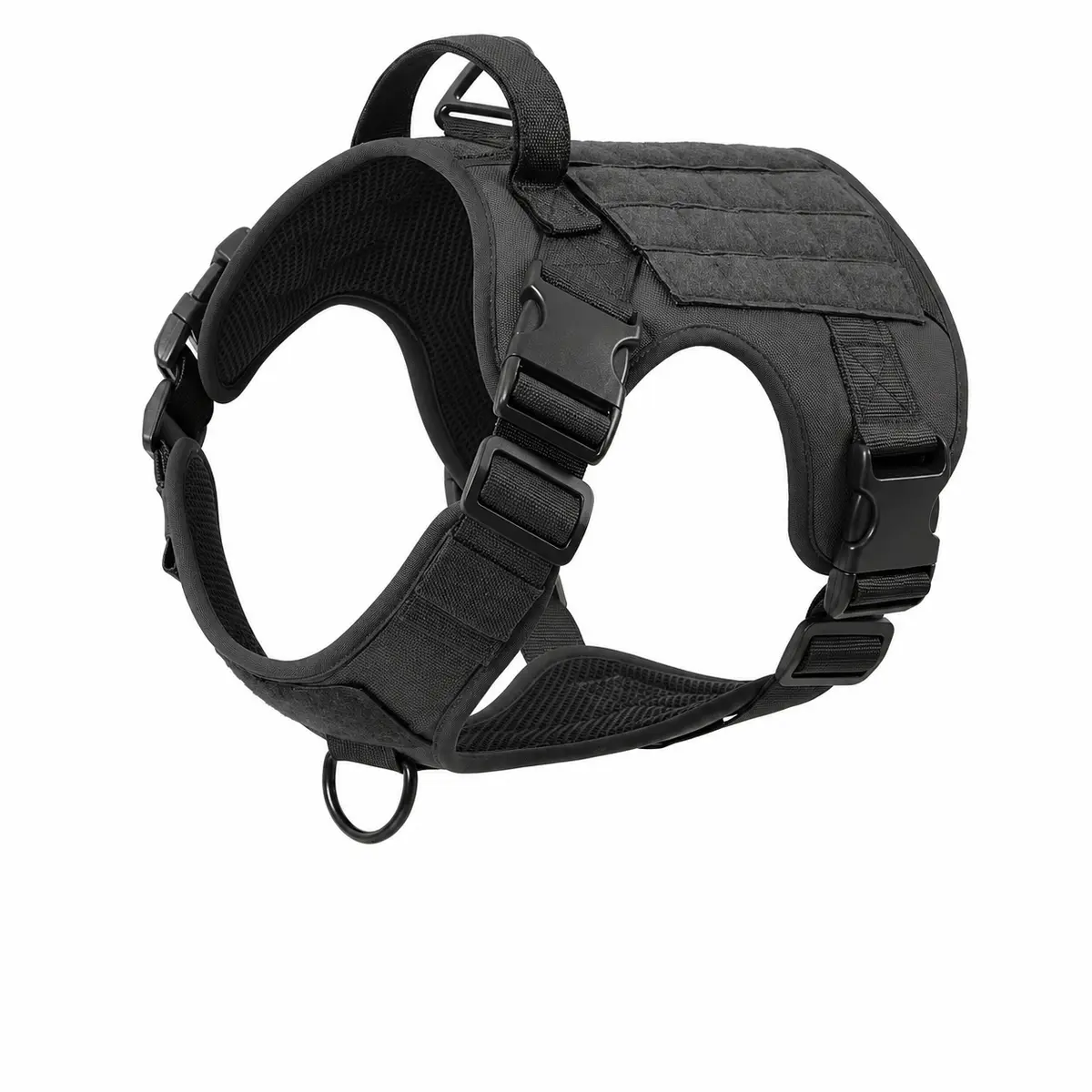
Tactical dog harnesses
From $33.99

Cute dog harnesses
$19.99

A little guidance
Buying guides and care advice written for this range: what to measure, what matters and what to skip.
Shop dog vest harnesses: breathable mesh vest harnesses with matching leads, padded no-pull vests, reflective harness and leash sets with poop bag holders, a dog backpack vest harness, tactical service-style vests with handles, and small-dog vest sets in sizes from XS. This page narrows our Dog Harnesses range to the vest style, which wraps more of the chest than a strap harness. Below is how a vest harness differs, how to measure, and how to check the fit.
A vest harness covers a wider panel of the chest and back than a strap harness. That spreads the pull of the leash over more of the body, which is why vest styles are popular for small dogs, short-necked breeds, puppies and dogs with neck or trachea sensitivities, for whom pressure on the throat should be avoided.
Most vests are padded or lined, so they are comfortable for long walks and less likely to rub. Many are easy to put on: step-in designs avoid going over the head, which the AKC notes helps dogs that dislike having things pulled over their ears.
Breathable mesh vests are light and cool, and suit small dogs and warm weather. Padded vests give more cushioning and structure and suit medium and larger dogs and longer walks. Reflective trim on many sets here helps drivers see your dog in low light.
Tactical service-style vests are heavier duty, with a grab handle on the back and attachment panels, and suit strong, active and outdoor dogs. The backpack vest adds small pockets your dog carries, useful for bags and treats on hikes once your dog is used to the weight.
Most vest harnesses clip the leash on the back, between the shoulders. The AKC suggests back-clip harnesses for dogs that already walk well. For dogs that pull, look for a vest with a front ring at the chest: a no-pull design tightens slightly and turns the dog toward you when it pulls.
Dual-clip vests have both rings, which gives you the choice, and the padded no-pull vests here are made for that. A harness reduces pressure on the neck but is not a substitute for loose-leash training.
The AKC recommends two measurements: around the base of the neck where it meets the shoulders, and around the widest part of the chest, usually just behind the front legs. Measure with your dog standing, using a soft tape, and choose by chest if your dog is between sizes.
Start with the straps looser and tighten until the vest is snug but not tight. You should be able to slide two fingers under the straps. Walk your dog, then back it up gently to check it cannot slip out, and look for rubbing behind the front legs after the first few walks.
Many vests here come with a matching lead, and some with a poop bag holder or a retractable lead. A matched set is convenient, but check the lead suits your dog's size and strength; retractable leads give less control near roads.
Recheck the fit after grooming, weight changes and as puppies grow, as the AKC advises. Hand wash or machine wash mesh and padded vests on gentle and air dry, and inspect buckles and D-rings regularly for wear.
| Feature | Physical construction | Check separately |
|---|---|---|
| Mesh | An open-weave panel or lining | Actual layers and edges |
| Padding | Additional material at contact areas | Placement and thickness |
| Tactical-style body | A broader vest with listed handles or panels | Closures and actual attachments |
| Pocket vest | Storage compartments on the body | Included pockets and load instructions |
| Reflective trim | Reflective sections or stitching | Location of the reflective material |
Yes. Vest harnesses spread leash pressure across the chest rather than the throat, which suits small and toy breeds, puppies and short-necked dogs. Choose a light, breathable mesh vest.
A back-clip vest does not stop pulling and can make some dogs pull more. A vest with a front chest ring works better for pullers, along with loose-leash training.
Snug but not tight, with two fingers sliding under the straps. Your dog should move freely at the shoulders and not be able to back out when you test it.
Measure around the base of the neck and around the widest part of the chest behind the front legs, with your dog standing. Choose by chest if your dog falls between sizes.
It is best removed at home, so the coat and skin can breathe and it cannot snag. Put it on for walks and outings, and check for rubbing regularly.