






Buying guides
Best Dog Vest Harness: What to Look For Before You Buy
The best dog vest harness is the one that fits your dog's chest without pressing on the throat or limiting the shoulders. Three things decide it: a padded or mesh panel that suits your climate, adjustable straps with two fingers of room, and a leash ring where your dog needs it. When you are ready to compare styles, browse our dog vest harnesses.
By Matt GarnettUpdated November 14, 20265 min read2 sources
What a vest harness is and who it suits
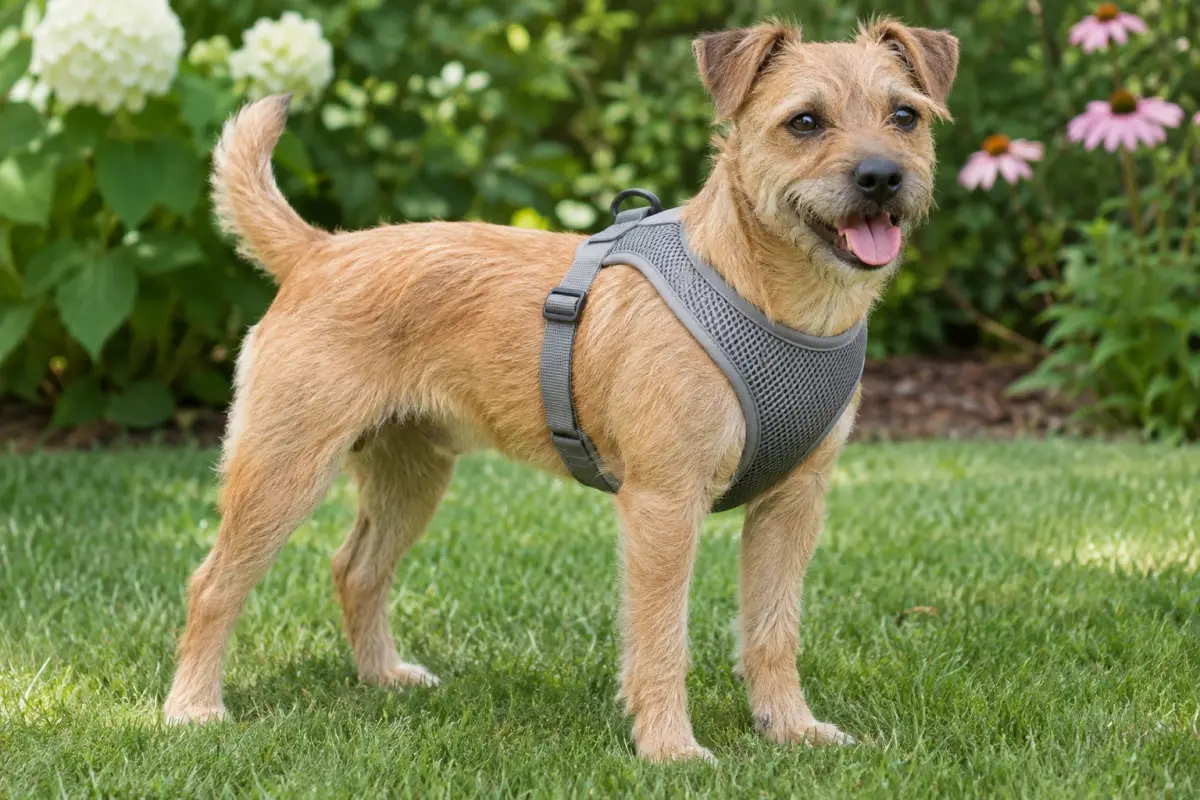
A vest harness covers the chest with a wider panel of fabric instead of thin straps alone. The panel is usually padded or made from open mesh, and it closes with buckles or hook-and-loop fasteners over the back. Because the load is spread across more of the chest, many owners reach for a vest on small dogs, on dogs with short coats that rub easily and on flat-faced breeds. The AKC notes that breeds whose heads are as wide as their necks, such as Bulldogs, Frenchies and Pugs, often do better in a harness than on a collar.
A vest is not automatically the right choice for every dog. A wide panel can run warm on a thick-coated dog in summer, and a loose vest can sit on the shoulders and slow the stride. Think about your dog's build, coat and the weather you walk in before you think about color. If you want a feel for the range, our dog vest harness and lead set shows what a basic vest-and-lead pairing looks like.
Mesh, padded or neoprene: choosing the panel
The panel material changes how a vest behaves more than any other feature. According to the AKC, mesh is breathable and lightweight, which suits warm weather, but it is less durable and less padded, so it can rub if it fits badly. Nylon is light and long-lasting but breathes less. Neoprene is comfortable with padding and handles swimming, although it can hold heat and moisture. A breathable mesh dog harness is the kind of design that suits hot-weather walks.
If your dog has a short or thin coat, a soft padded lining between the webbing and the skin matters more than anything else on the list. For a heavily coated dog, a thinner mesh vest avoids trapping heat. A padded plaid dog vest harness is an example of the cushioned style, which suits cooler weather and dogs that wear a harness for long walks.
Fit: measuring and the checks that matter
Measure two places with a soft tape while your dog is standing: the neck, at the base where it meets the shoulders, and the chest, at the widest point behind the front legs. The AKC says chest girth is usually the priority for a harness, and that if your dog falls between sizes you should size up and tighten the straps. Always check the maker's chart, because the same size label differs between makers.
Once the vest is on, slide two fingers under the straps. The AKC quotes a veterinary source who says two fingers may even be slightly generous, so start looser and tighten gradually. The girth strap should not sit behind the rib cage or press into the backs of the front elbows, and the neck opening should sit near the top of the breastbone rather than on the throat. Then watch your dog walk: the front legs should reach forward and swing out to the side freely.
Best type for each kind of dog
For a small dog or puppy, pick a light vest with adjustable straps and expect to recheck the size as your puppy grows, since the AKC advises regular adjustment or replacement for puppies. Our small dog harnesses cover the lighter end of the range. For a dog that pulls, look for a vest with a ring on the chest as well as the back, which lets you steer with the front ring while you train. A dog vest chest strap leash is a simple example of a vest built around a chest attachment.
For a dog that slips out of harnesses, choose a vest that closes with more than one strap and fits snugly at the girth, and run the backing-up test described below. For a senior dog or one with stiff joints, a vest with a top handle gives you something to hold when helping it up steps. For night walks, pick reflective trim, or browse reflective and waterproof dog harnesses for low-light and wet weather.
What to avoid
Avoid buying a size up and hoping your dog will grow into it, unless it is a puppy you will be adjusting often. A loose vest rides up onto the throat and lets a shoulder slip free. Avoid any vest where the straps cross over the point of the shoulder or squeeze behind the front legs, because the AKC lists restricted shoulder movement and rubbed skin among the signs of a poor fit.
Do not rely on a harness to fix pulling on its own. It gives you better control and takes pressure off the neck, but loose-leash manners come from training. Watch for rubbing, hair loss and a dog that suddenly dislikes the harness, which the AKC lists as warning signs. If your dog coughs, limps or flinches when you handle the neck or shoulders, speak to your vet.
Care, checks and when to replace it
Before each walk, run your hands over the buckles, stitching and hardware. The AKC advises checking for cracks, fraying, loose stitching and worn areas, and clearing trapped hair from hook-and-loop fasteners so they keep gripping. Tug the vest gently from several directions, then back your dog up a few steps to confirm it does not slide over the head.
Recheck the fit after grooming, after a coat change and after any weight gain or loss. Wash the vest by hand or in the machine as the label allows, and let it dry fully before the next walk so mesh does not hold damp against the skin. When the padding flattens, a buckle cracks or the webbing frays at a ring, retire it. If you are ready to replace one, browse our dog vest harnesses.
Common questions
What is the difference between a vest harness and a regular harness?
A vest harness uses a wider chest panel, often padded or mesh, instead of narrow straps alone. That spreads the load across more of the chest and suits small dogs and short coats, though the panel can run warmer.
How tight should a dog vest harness be?
Snug enough that it cannot slide over the head when your dog backs up, but loose enough that you can slip two fingers under the straps. Start slightly looser and tighten gradually, then recheck after grooming or weight changes.
Is a vest harness good for a dog that pulls?
A vest gives comfortable control, and a model with a front chest ring helps you steer a puller while you train. The harness helps, but loose-leash walking still comes from patient training with rewards.
Can a dog wear a vest harness all day?
It is better to put it on for walks and outings and take it off afterward, since straps and panels can rub skin and mat fur over long hours. Keep ID on a light collar at home.
Sources we checked
This guide is general information, not veterinary advice. If your pet is unwell or injured, contact your veterinarian.


