Buying guides
Are Retractable Leashes Bad for Dogs?
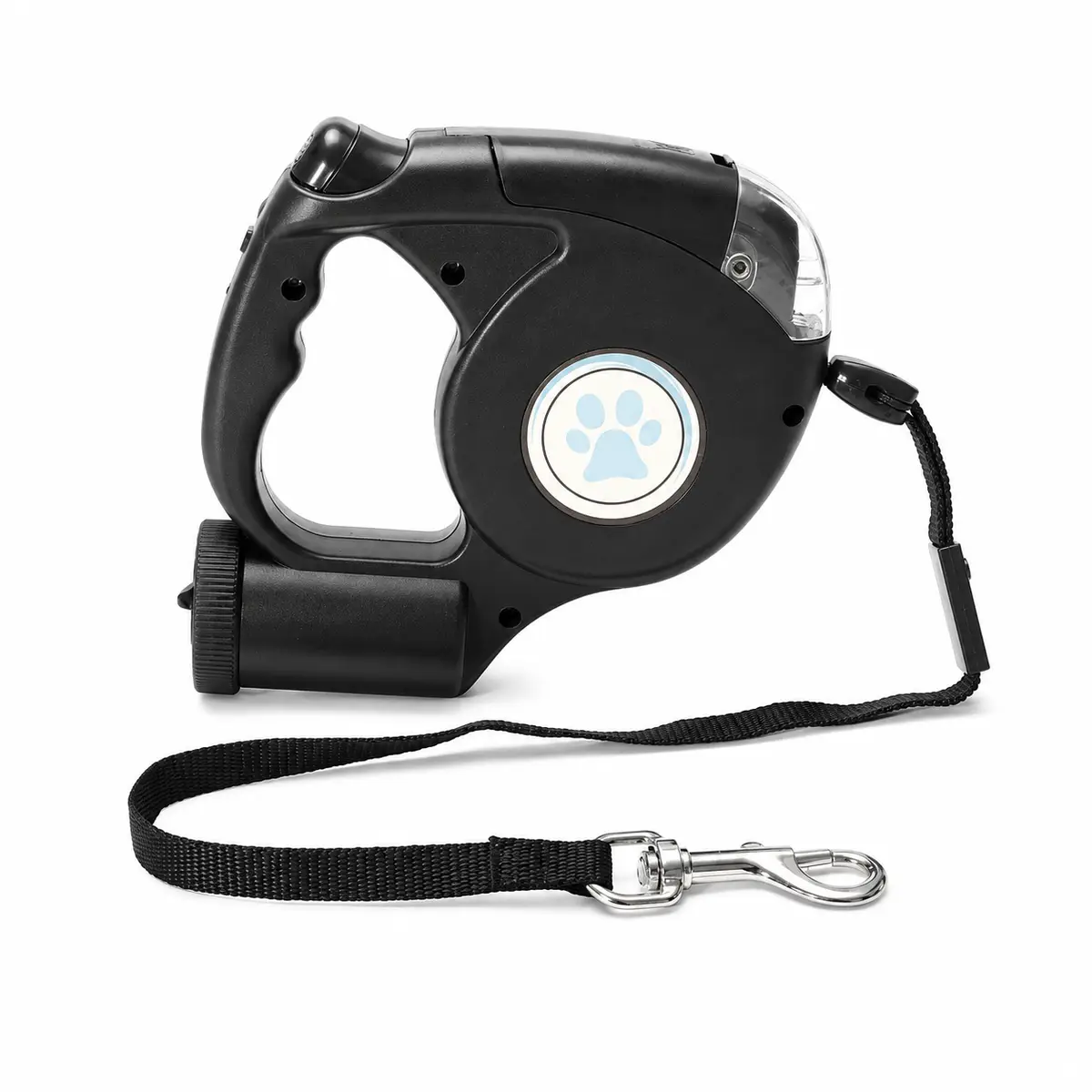
Retractable leashes are not bad in every situation, but they carry real risks and are a poor choice for most everyday walks. They reward pulling, give you little control near traffic, other dogs and people, and the thin cord can burn or cut skin. A standard 6-foot leash is safer on sidewalks and in crowds. A retractable can be reasonable for a leash-trained dog with a good recall in wide, open, quiet spaces.
By Matt GarnettUpdated November 9, 20263 min read2 sources
Why retractable leashes can be a problem
Every time your dog pulls, a retractable leash gives it more line, so it learns that pulling pays. That makes loose-leash training much harder, which is why a standard dog leash is the usual advice. With 16 to 26 feet of line, your dog can also reach the road, another dog or a stranger before you can react.
When a dog running at full speed hits the end of the line, the sudden stop can injure its neck, throat or spine, especially on a collar. If you drop the bulky handle, it can clatter after your dog and frighten it into running further.
Injuries to people and dogs
Thin cord-style retractable leashes are hard to see and can wrap around legs or fingers, causing burns, cuts and falls, for you, your dog or a passer-by. Grabbing a moving cord is a common way to get hurt. Two dogs on retractables can tangle in seconds.
The locking mechanism can also fail or the cord can snap, especially on older or cheaper leashes. On a sidewalk, the line can catch on trees, hydrants or bikes, and give your dog access to people who may not want to be approached.
When a standard leash is the better choice
Use a fixed 4- to 6-foot leash on sidewalks, near roads, in parking lots and crowds, at the vet's office and in stores that allow dogs, and anywhere you need your dog right beside you. It is also the right choice while teaching loose-leash walking, and for puppies, reactive dogs and strong pullers.
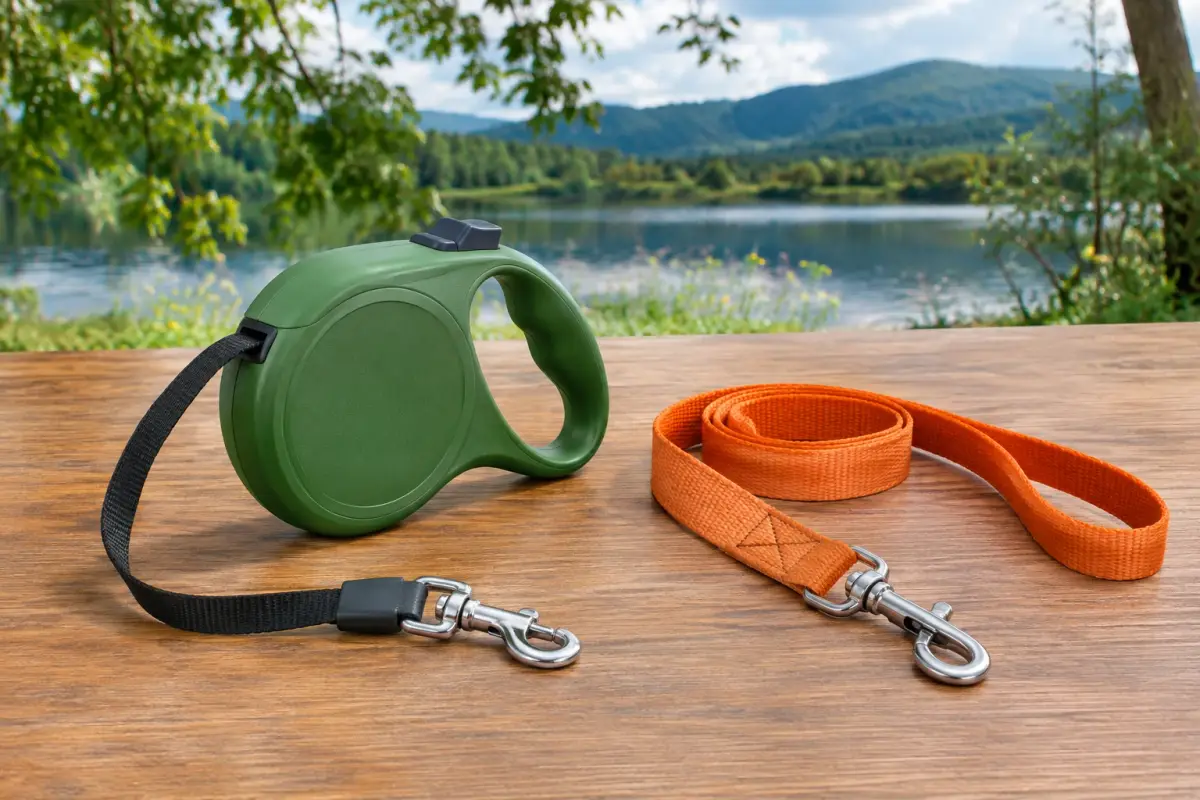
For more freedom in safe spaces, a long line of 15 to 30 feet made of flat webbing, attached to a harness, gives room to sniff and explore and is ideal for recall practice, without the spring-loaded handle encouraging pulling.
When a retractable can be reasonable
A retractable leash can work for a dog that already walks nicely on a leash, has a reliable recall and responds to 'leave it', in big open areas with no traffic, dogs or people nearby, such as an empty field or a quiet unfenced yard.
Even then, choose a tape-style leash rather than a thin cord, a length you can manage, a comfortable non-slip handle and bright or reflective colors. Clip it to a harness, not a collar, and lock it short whenever anyone approaches.
Safer habits if you use one
Let out only as much line as you need, and do not let your dog sprint to the end. Lock the leash short near roads, doors and other dogs. Never grab the cord or tape with your hand, and keep fingers out of the line. Check the leash regularly for fraying and test the lock, and replace a worn retractable leash instead of patching it.
If your dog has been injured by hitting the end of a leash, or starts coughing or seems sore in the neck after walks, see your vet. A harness and a fixed leash protect the neck while you sort out pulling with reward-based training.
This page is general information, not veterinary advice, and it cannot replace an examination by the vet who knows your pet.
Common questions
Do vets recommend retractable leashes?
Many vets and trainers advise against them for everyday walks because of injury risks and pulling. A fixed 4- to 6-foot leash is the usual recommendation, with a long line for open spaces.
Are retractable leashes good for training?
No. They reward pulling and make loose-leash walking harder to teach. Use a standard leash for training, and a flat long line for recall practice.
Is a tape or cord retractable leash safer?
Tape is more visible and less likely to cut or burn skin than a thin cord, so it is the safer of the two if you use a retractable at all.
What leash length is best for walking a dog?
A 4- to 6-foot leash gives good control for everyday walks. For more freedom in quiet open areas, use a 15- to 30-foot long line on a harness.
Sources we checked
This guide is general information, not veterinary advice. If your pet is unwell or injured, contact your veterinarian.