







Dogs
No pull dog harnesses
Better walks, every day.
44 items picked for everyday life with your pet, with shipping estimates on every item.
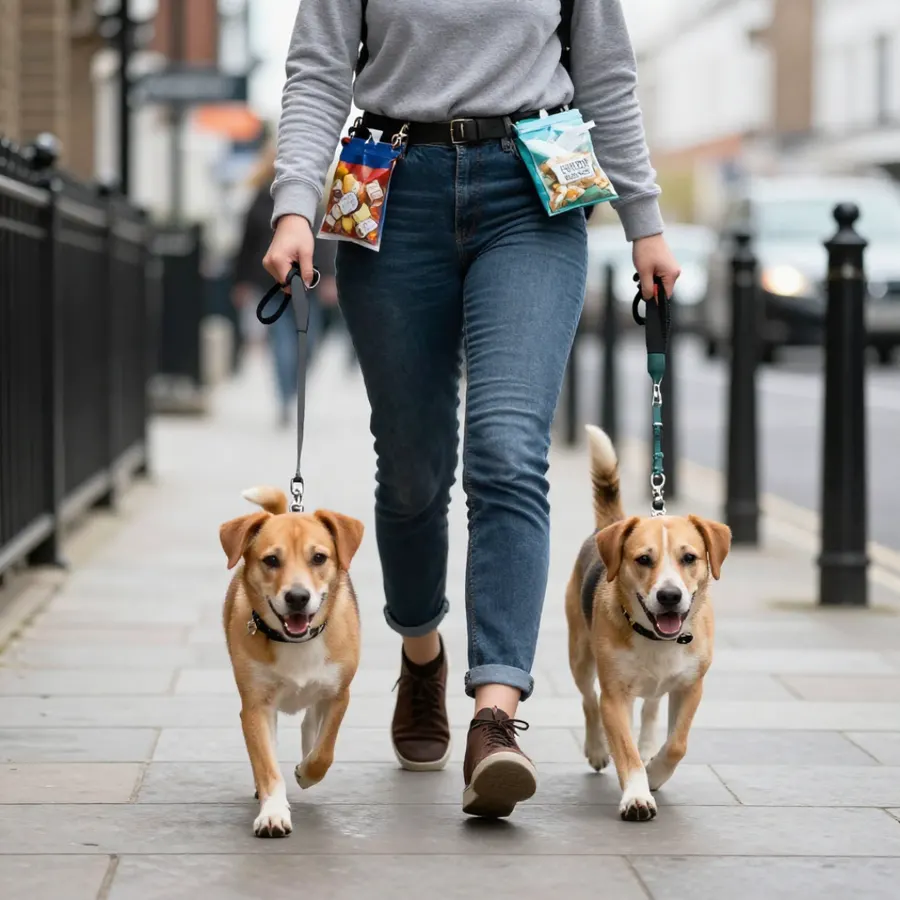 Out the door and ready for anything.
All dogs walking & training →Dog harnesses →Dog collars →Dog leashes →Retractable dog leashes →Dog muzzles →Dog vest harnesses →Cute dog collars →Tactical dog harnesses →Pooper scoopers →Personalized dog collars →Small dog harnesses →Cute dog harnesses →
↗Tracked US shippingEstimates on every item↶Returns & refundsHow it works♡Here to helpTalk to Giddy Pets
All no pull dog harnesses
Little essentials. Lots of love.

Tactical dog harnesses
1000D Nylon Dog Harness with Side Buckles and Two Handles
- Options
- 12 to choose from
From $25.99


Dog training
Nylon Dog Head Halter with Padded Nose Loop, Sizes S to XL
- Options
- 12 to choose from
$16.99

Escape proof dog harnesses
Polyester Three-Band Dog Harness with Top Handle
- Options
- 18 to choose from
$21.99

Dog harnesses with handle
Reflective Nylon Dog Harness in Four Colors, Sizes S to XL
- Options
- 16 to choose from
From $21.99


Tactical dog harnesses
Adjustable Tactical Dog Harness Vest with Handle and Four Buckles
- Options
- 20 to choose from
From $29.99


Dog harnesses
Adjustable Nylon Dog Chest Harness, Collar, Leash and Pouch
- Options
- 27 to choose from
From $19.99


Dog harnesses
Adjustable Nylon Dog Harness with Broad Band and Patch Panel
- Options
- 89 to choose from
From $19.99

No pull dog harnesses
Padded Neoprene No-Pull Dog Harness with Reflective Trim
- Options
- 35 to choose from
From $28.99
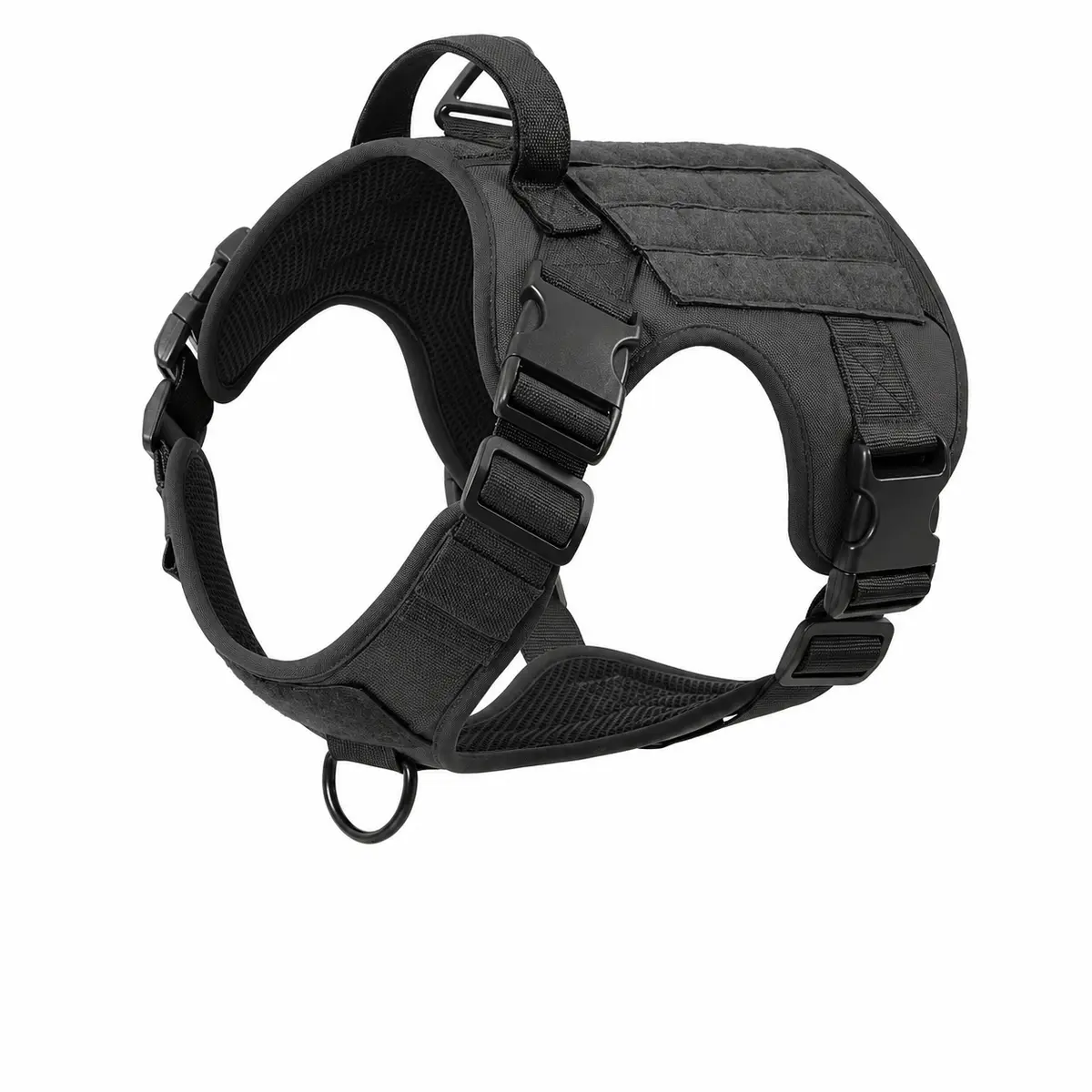
Tactical dog harnesses
Four Buckle Dog Harness with Front and Back Rings
- Options
- 16 to choose from
From $33.99


No pull dog harnesses
Padded No-Pull Dog Harness with Front and Back D-Rings
- Options
- 40 to choose from
From $20.99

Tactical dog harnesses
Polyester Panel Dog Harness with Handle and Side Webbing
- Options
- 16 to choose from
$64.99


No pull dog harnesses
Padded Reflective Dog Harness with Front and Back Rings
- Options
- 16 to choose from
From $19.99
A little guidance
Help choosing no pull dog harnesses
Buying guides and care advice written for this range: what to measure, what matters and what to skip.
From our guides
- Best No-Pull Dog Harness: How to Choose One That Works →
- Best No-Pull Harness for Large Dogs: How to Choose →
- Best No-Pull Harness for Small Dogs That Pull →
- Head Halter vs Harness: Which Is Better for a Dog That Pulls? →
- How to Stop a Dog Pulling on the Leash →
- Best Dog Harness With Handle: What to Check Before You Buy →
These harnesses are built for dogs that pull: front-clip and dual-clip no-pull designs, padded and mesh-lined vests, styles with a grab handle, anti-escape harnesses with an extra belly strap, and reflective harnesses for walking at dawn and dusk. Several come with a matching leash and collar. It is for anyone whose walks are a tug of war, from small terriers to large shepherds.
How a no-pull harness works
A no-pull harness has a leash ring on the chest. When the dog leans into the leash, pressure at the front turns its shoulders slightly toward you, so it cannot throw its full weight forward. The American Kennel Club describes front-clip and no-pull designs as tools aimed at strong pullers.
Many harnesses here also have a back ring. Clip to the front while you are teaching loose-leash walking, and move to the back clip once your dog walks nicely, or use both with a double-ended leash for extra control on a big dog.
Fit is what makes it work
Measure the base of the neck and the widest part of the chest behind the front legs, as the American Kennel Club recommends, and use the size chart for both. A no-pull harness that is too loose twists to one side and lets the dog pull anyway; one that is too tight rubs behind the legs.
The chest strap should sit on the breastbone, not low across the shoulders, so it does not restrict the front legs. Check by watching your dog walk: the stride should look natural. Snug the straps until two fingers squeeze under them, then test that the harness stays put when your dog backs up.
Padded, handle and anti-escape styles
Padded and mesh-lined harnesses spread pressure and help dogs with thin coats or sensitive skin. A top handle lets you steady a large dog at a curb, help an older dog over a step, or hold a reactive dog close when another dog passes.
Anti-escape styles add a second strap around the waist, which makes it very hard for a dog to reverse out of the harness. They are worth considering for nervous dogs, rescues in their first weeks and breeds with narrow heads such as greyhounds and whippets.
Training alongside the harness
A harness reduces pulling; it does not teach a dog not to pull. Stop when the leash goes tight, reward your dog for coming back to your side, and walk on only when the leash is slack. Short, frequent sessions in a quiet place work better than one long walk on a busy street.
Use a standard 6-foot leash while training rather than a retractable one, which rewards pulling with more length. If pulling comes with lunging, barking or fear, a qualified trainer can help, and your vet can rule out pain that makes some dogs reluctant or reactive.
Sizes from small dogs to large breeds
Small dogs pull too, and on a collar the pressure falls on a narrow neck, which is one reason small breeds and flat-faced breeds are often walked on a harness. The small sizes here use lighter webbing and smaller hardware so the harness does not weigh on a toy breed's back.
Large and strong dogs benefit most from padded chest panels, a handle and wider straps that do not cut in under load. Whatever the size, buy from the chest and neck measurements first and the weight range second, and recheck the fit after a few walks, because straps settle and loosen with use.
Harness features beyond leash rings
| Feature | Physical construction | Check separately |
|---|---|---|
| Padding or mesh lining | Extra layers at contact areas | Panel edges,lining and adjustment |
| Top handle | A handle attached to the back | Stitching and exact permitted use |
| Additional waist strap | A further strap behind the chest | Strap position and full adjustment range |
Do no-pull harnesses really work?
They reduce pulling for most dogs by turning the shoulders toward you when the dog leans forward. Combine one with loose-leash training and the improvement lasts.
Are no-pull harnesses bad for dogs?
A well-fitted front-clip harness is comfortable for most dogs. Problems come from poor fit, so check the chest strap does not sit across the shoulders or rub behind the legs.
Should I clip the leash to the front or back?
Use the front ring for dogs that pull and while you are training. Move to the back ring once your dog walks reliably on a loose leash.
What is the best no-pull harness for a large dog?
Choose a padded front-clip harness with a top handle and wide straps, fitted to chest and neck measurements. The handle helps you steady a big dog in tight spots.