






Buying guides
Best No-Pull Harness for Small Dogs That Pull
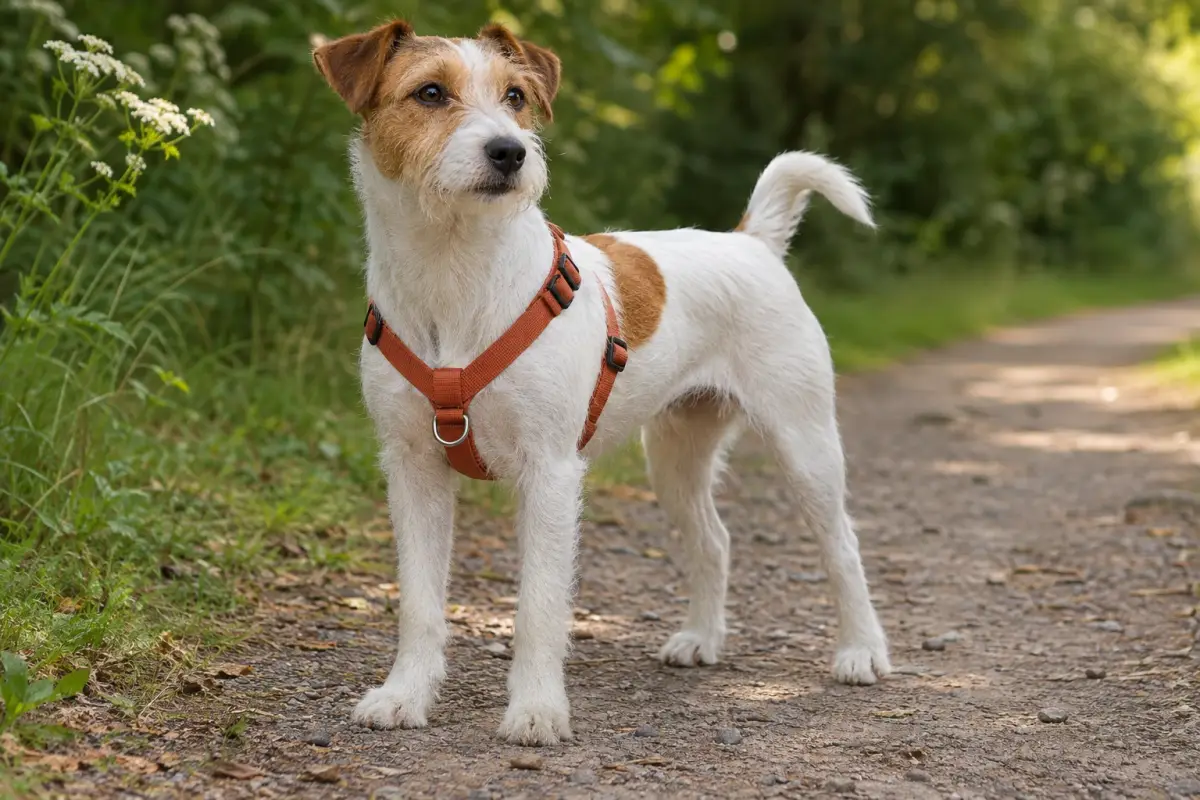
For a small dog that pulls, the best harness is a lightweight front-clip or dual-clip design with soft padding, a strap across the chest that sits below the throat, and adjustable girth for a snug fit on a tiny frame. The front ring turns a pulling dog sideways instead of letting it lean into the leash, and it keeps all pressure off a fragile neck. It works best alongside reward-based leash training.
By Matt GarnettUpdated November 10, 20264 min read2 sources
What matters most: front attachment, weight and fit
The AKC describes front-clip harnesses as helpful for dogs that tend to pull, and no-pull harnesses as having a front-mounted ring that tightens slightly when the dog pulls. On a small dog, that front ring is the key feature: when the dog pulls, the leash turns it gently toward you, so pulling stops getting it anywhere.
Weight and fit matter more on a small dog than on a large one. A heavy harness with bulky hardware drags on a toy breed and rubs. Look in no-pull harnesses for small dogs for light webbing or breathable mesh, small buckles and a girth strap that adjusts finely, so you can achieve the two-finger fit the AKC describes without the harness twisting.
Harness styles compared for small pullers
Front-clip harnesses have a ring at the chest and are the simplest no-pull option. Dual-clip harnesses add a back ring, so you can start on the front ring for control and switch to the back as manners improve, which the AKC suggests. Some use a double-ended leash on both rings for extra steering.
Soft vest harnesses spread pressure over a wide panel and feel secure, but many have only a back clip, which allows pulling. Step-in harnesses are easy to put on wriggly dogs and, the AKC notes, harder to escape when fitted well. Avoid any design that tightens hard around the chest or legs as a correction.
Best harness for each small dog
For toy breeds under about 10 pounds, choose the lightest front-clip or dual-clip harness you can find, with soft edges and small hardware. For terriers and other strong small pullers, a dual-clip harness with a handle on the back gives control and a way to lift your dog away from trouble.
For flat-faced small breeds such as Pugs and French Bulldogs, a front-clip harness with a wide chest strap that sits well below the throat protects the airway. For escape artists such as Italian Greyhounds, add a belly strap or choose a design that encloses the ribcage. For puppies, an adjustable mesh puppy harness you resize every couple of weeks.
Why the harness is only half the answer
A no-pull harness manages pulling; it does not teach your dog not to pull. Pair it with reward-based training: stop when the leash tightens, reward when your dog returns to your side, and walk on when the leash is loose. Use small, tasty treats, which suit small stomachs, and keep early sessions short in quiet places.
Small dogs often pull from excitement, fear or reactivity to other dogs. A trainer who uses positive methods can help with reactive pulling. If your dog pulls and coughs or honks, even in a harness, have your vet check its airway, since some small breeds have windpipe problems.
What to avoid
Avoid attaching a leash to the collar of a small dog that pulls, which puts pressure on the throat. Avoid harnesses that tighten severely, and any device designed to cause discomfort. Avoid oversized harnesses meant to allow for growth, since small dogs slip out of loose harnesses easily.
Avoid retractable leashes with small pullers; they reward pulling. Check under the straps after walks for rubbing, especially in the armpits, where small dogs often get sores from poorly fitted harnesses.
How to measure a small dog for a harness
Use a soft tape. Measure the neck where a collar sits and the chest at its widest point, just behind the front legs. Small dogs often fall between sizes; if adjustable, the smaller size usually fits more securely. Recheck after grooming, as the AKC advises, since a full coat changes the fit.
Fit the harness and slide two fingers under each strap. The chest ring should sit on the breastbone, not under the throat, and the side straps should sit clear of the armpits. Walk your dog around the house and check that it cannot back out of the harness. Measure first, then browse no-pull harnesses for small dogs or all small dog harnesses in the size that fits.
Small-dog harness layouts
| Layout | Visible fitting feature | Check before purchase |
|---|---|---|
| Front clip | A leash ring at the chest | Ring position and strap path |
| Dual clip | Front and back attachment rings | Which rings and leash configuration the maker permits |
| Vest | A broad fabric chest or body panel | Panel edges and adjustment range |
| Step-in | Leg openings entered before fastening | Opening dimensions and closure position |
Common questions
Do no-pull harnesses work on small dogs?
Front-clip and dual-clip harnesses reduce pulling by turning a small dog toward you, and they protect the neck. They work best with reward-based leash training.
Is a harness better than a collar for a small dog that pulls?
Yes. Small dogs have delicate necks and windpipes, so a harness keeps pressure off the throat. Keep a light collar for the ID tag. It also spreads the load if your dog lunges.
What is the best harness for a Chihuahua that pulls?
The lightest front-clip or dual-clip harness with soft edges and fine adjustment, fitted with two fingers of room. Bulky hardware drags on a tiny frame.
How do I stop my small dog pulling on the leash?
Stop when the leash tightens, reward when your dog comes back to your side and move on when the leash is loose. Practice in quiet places with tiny treats.
Sources we checked
This guide is general information, not veterinary advice. If your pet is unwell or injured, contact your veterinarian.


