








Cats
Cat trees
Stretch, climb, repeat.
220 items picked for everyday life with your pet, with shipping estimates on every item.
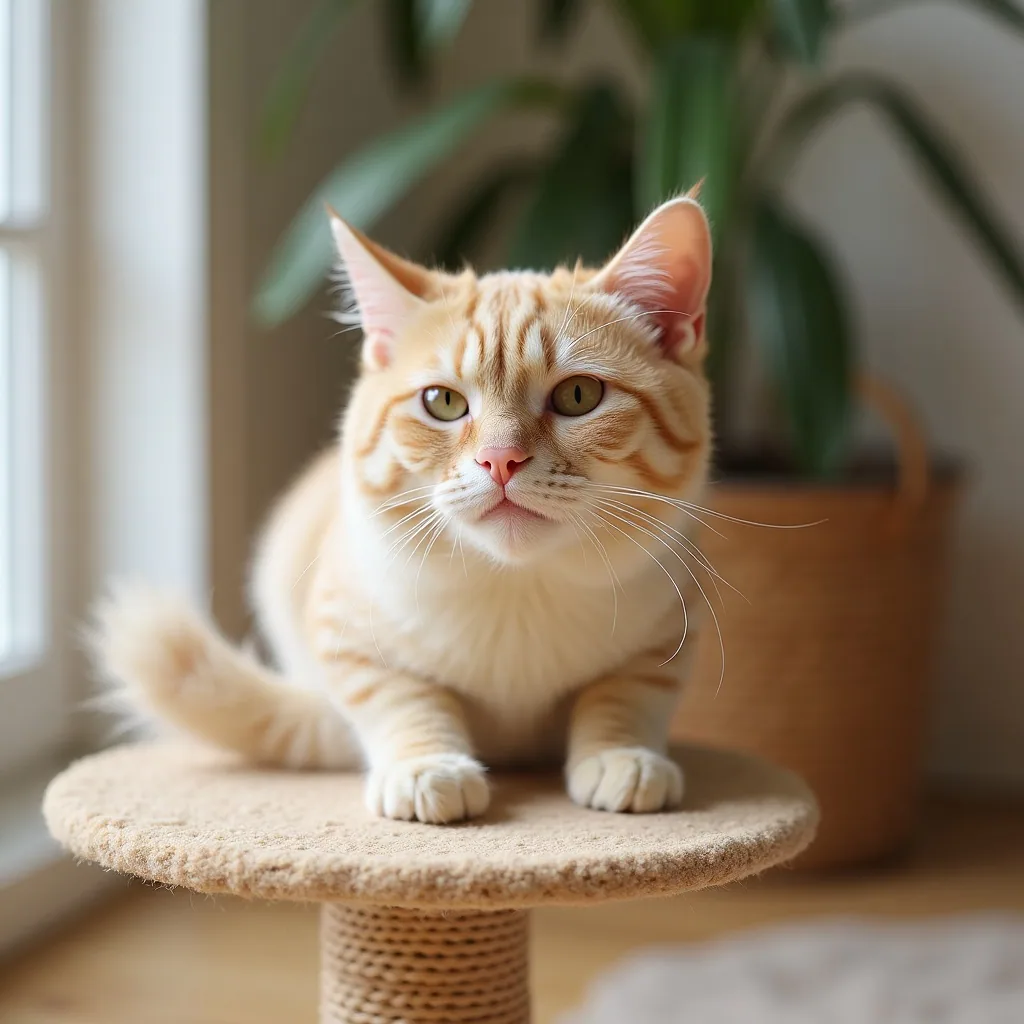 A place of their own to scratch and survey.
All cats beds & furniture →Cat cave beds →Cat beds →Outdoor cat houses →Cat hammocks →Cat window perches →Cat wall shelves →Elevated cat beds →Cat furniture →Cat houses →Heated cat beds →
↗Tracked US shippingEstimates on every item↶Returns & refundsHow it works♡Here to helpTalk to Giddy Pets
Find their favorites
Shop cat trees by type
Choose a section to narrow the range.
- Tall cat trees66 products
- Cat trees for small spaces48 products
- Novelty cat trees39 products
- Floor-to-ceiling cat trees35 products
- Wooden cat trees28 products
- Cat trees for multiple cats27 products
- Modern cat trees19 products
- Cat trees for kittens and senior cats16 products
- Cat trees for large cats9 products
All cat trees
Little essentials. Lots of love.


Cat scratching posts
Animal-Shaped Cat Scratching Post with Lounging Tunnel
- Options
- 5 to choose from
From $75.99


Cat scratching posts
Multi-Level Cat Tree with Sisal Scratching Posts and Soft Fabric
- Options
- 5 to choose from
From $128.99


A little guidance
Help choosing cat trees
Buying guides and care advice written for this range: what to measure, what matters and what to skip.
From our guides
- Best Cat Trees: How to Choose One That Is Tall, Stable and Used →
- How to Cat-Proof a Christmas Tree →
- How to Clean a Cat Tree: Carpet, Sisal and Fleas →
- Best Cat Tree for Kittens: What to Look For →
- Best Cat Tree for Multiple Cats: What Actually Matters →
- Best Cat Trees for Large Cats: What Actually Matters →
This page gathers our cat trees and cat towers: small two-level condos for kittens and apartments, mid-height trees with sisal posts and hammocks, tall multi-tier towers, floor-to-ceiling climbers and a few woven and natural-wood designs. It is for anyone giving an indoor cat somewhere to climb, scratch, nap and watch the room, and the notes below explain how to match height, stability and layout to your cat.
What a cat tree does for an indoor cat
Cats like to survey their territory from above, and an indoor cat has few places to do it besides the top of the refrigerator. A cat tree gives that height a safe home, and it bundles three daily needs into one footprint: a place to climb, a place to scratch, and a place to rest where nobody steps on them.
The Cornell Feline Health Center points out that perches, crawl spaces and scratching surfaces relieve boredom and give the urge to scratch an outlet that is not your couch. That is why most trees on this page combine sisal-wrapped posts with platforms, condos and at least one soft bed or hammock.
Choosing the right height
Height is the first decision, and the range here runs from under 30 inches to adjustable towers that brace against the ceiling. A compact tree around 28 to 35 inches suits kittens, seniors and small rooms, and it fits under a window. Mid-height towers in the 40 to 60 inch band are the all-rounders, tall enough to feel like a lookout without dominating a room.
Towers over five feet, and tension-mounted floor-to-ceiling designs, are for confident climbers and multi-cat homes. Measure your ceiling before choosing an adjustable model and check the height range in the listing, because a pole that cannot reach the ceiling cannot be braced.
Stability, base width and big cats
A tree that wobbles once is often a tree a cat never trusts again. Look at base width relative to height: the taller the tree, the wider and heavier the base should be. Cornell advises that scratching surfaces be sturdy enough not to tip while a cat uses them, and the same applies to every perch above them.
If your cat is large, or you have two cats who launch onto the top platform together, favor thicker posts, a broad base and platforms that sit directly over the center of the tree. Many tall towers include a wall anchor strap. Use it, especially on carpet, where a base can rock.
Materials: sisal, carpet, plush and wood
Most trees here wrap their posts in natural sisal rope, which the Humane Society recommends because cats can dig their claws into it and shred it satisfyingly. Platforms are usually covered in carpet or soft plush, which is comfortable to lie on but holds hair, so a lint roller or a quick vacuum keeps them fresh.
Some designs use natural pear wood with jute, hand-woven water hyacinth, or waterproof panels instead of fabric. These look more like furniture and wipe clean, though cats who love to scratch will still want a sisal post nearby. Worn sisal is a sign the tree is working, not that it needs replacing.
Layout: condos, hammocks and lookouts
Watch how your cat rests before choosing a layout. Cats who hide when visitors arrive appreciate an enclosed condo low on the tree. Cats who sprawl in sunbeams use open perches with a raised rim, and many will claim a hammock or basket over any other spot.
Dangling toys and pom-poms are a bonus for young cats, but they are usually the first part to come off, so check them often. Place the tree beside a window or in the room where your family spends evenings, since a tree in a spare room tends to be ignored.
Cat-tree surface materials
| Surface | Where it appears | What maintenance involves |
|---|---|---|
| Sisal rope | Wrapped scratching posts | Inspecting worn wraps and loose ends |
| Carpet or plush | Platforms and resting areas | Removing trapped hair |
| Wood with jute | Exposed frame and wrapped sections | Inspecting both the hard surface and wrapping |
| Water hyacinth | Woven furniture-style elements | Checking the weave and cleaning instructions |
| Waterproof panels | Smooth platform surfaces | Wiping accessible faces and checking joints |
What is the difference between a cat tree and a cat tower?
The terms are used interchangeably. Cat tower usually describes a taller, vertical design with several stacked levels, while cat tree is the broader term for any climbing structure with posts, platforms and beds.
How tall should a cat tree be?
Most adult cats are well served by a tree between 40 and 60 inches. Kittens and senior cats do better with lower steps, while active climbers and multi-cat homes enjoy towers over five feet.
How do I stop a cat tree from tipping over?
Choose a base that is wide for its height, put the tree on a firm floor or flat low-pile rug, and use the wall strap that many tall trees include. Tighten bolts again after a few weeks of use.
Where is the best place to put a cat tree?
Put it next to a window or in a room where people spend time. Cats like a view and company, and placing the tree near a spot they already scratch helps them adopt it quickly.