








Cat trees
44-Inch Cat Tree with Condo, Hammock and Sisal Scratching Posts
- Options
- 5 to choose from
From $61.99
Free US shipping over $49 · 30-day free returns · Happy pets, happy homes
Pet care guidesCats
Stretch, climb, repeat.
27 items picked for everyday life with your pet, with shipping estimates on every item.
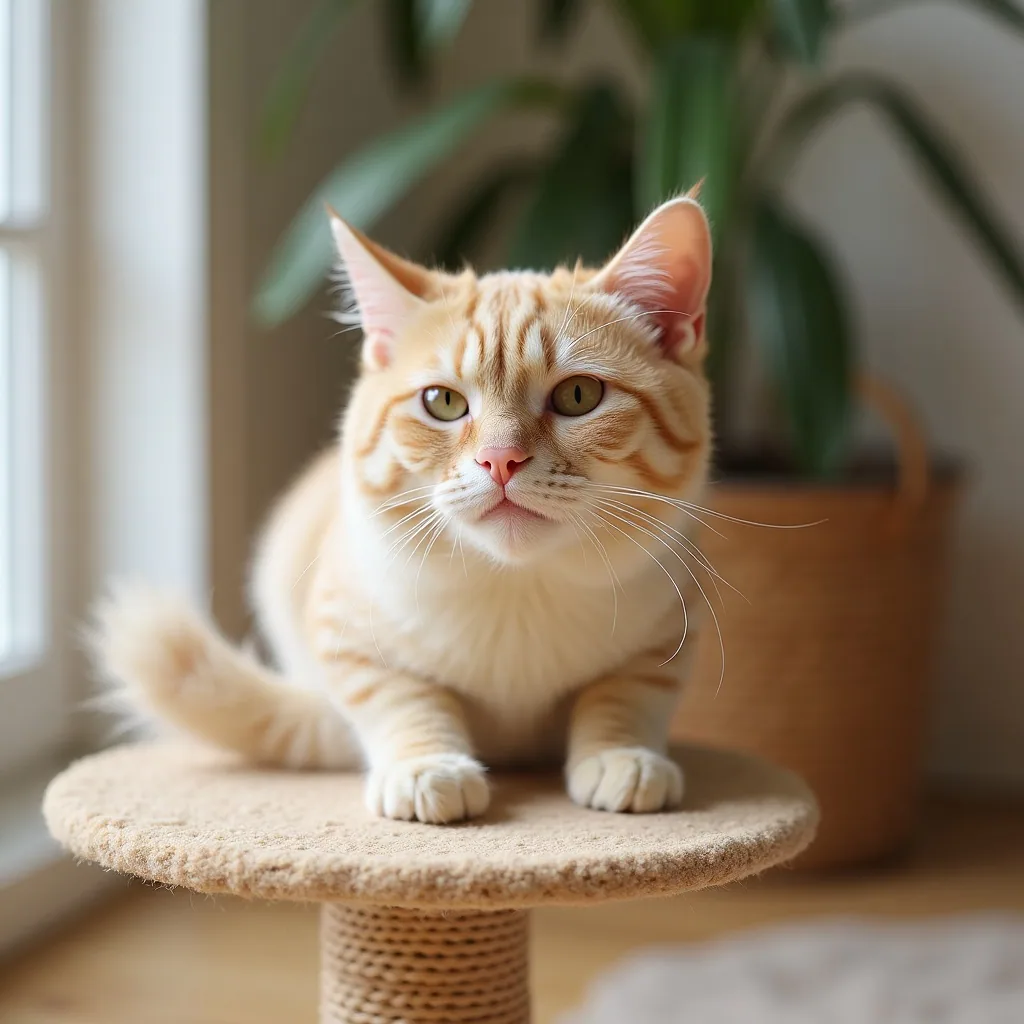 A place of their own to scratch and survey.
Find their favorites
Choose a section to narrow the range.
Cat trees
From $61.99


Cat trees
$86.99

Cat trees
$164.99


Cat trees
$102.99


A little guidance
Buying guides and care advice written for this range: what to measure, what matters and what to skip.
This page narrows our Cat Trees range to designs built for more than one cat: large multi-level towers with two or more condos, trees with spacious top perches, heavy-duty solid wood multi-story trees, extended climbing towers, and big trees up to about 81 inches with several beds, hammocks and scratching posts. They suit households with two, three or more cats who need to share vertical space without competing for it. The guide below covers layout, stability and avoiding squabbles.
Cats are territorial, and in a shared home they divide space vertically as well as by room. A tree with many levels lets cats spread out, rest near each other without touching, and choose to be higher or lower than a housemate. That can reduce tension between cats who tolerate each other rather than truly bond.
A tree with only one top perch and one condo can cause the opposite: one cat claims it and the others are pushed out. In multi-cat homes, the number of resting spots matters as much as the height of the tree.
Count the resting places. A good guide is at least one perch, bed or condo per cat, plus a spare, spread across different heights. Look for two or more condos, several open perches and a top platform wide enough for a large cat to lie fully stretched.
Multiple routes up and down matter too. If there is only one way to the top, one cat can block another. Trees with ladders, staggered perches and two separate climbing paths let cats pass each other without confrontation.
Two cats leaping onto a tree at once put far more force on it than one. Choose a broad, heavy base, thick posts and solid joints. Heavy-duty solid wood trees are especially stable. Cornell Feline Health Center advises that climbing and scratching structures be sturdy enough not to tip during use.
Use any wall anchor strap provided, place the tree against a wall on a firm floor and tighten bolts again after a few weeks. A tree that wobbles under one cat will not survive a chase between two.
Put the tree in a room your cats share and value, often beside a window. In homes with more than two or three cats, two trees in different rooms can work better than one huge tree, giving each cat a choice of territory.
Watch how your cats use the tree in the first weeks. If one cat guards it, add another tree or more perches elsewhere. Provide multiple scratching posts, food stations and litter boxes too, since competition over resources is a common cause of stress in multi-cat homes.
A tall, sturdy tree with several condos and perches at different heights, a wide top platform and more than one route up. Aim for at least one resting spot per cat.
Look for a tree with at least two condos or beds and several perches, typically 50 inches or taller. A wide, heavy base keeps it stable when both cats use it.
Many do, especially if there are enough perches and paths that they can avoid each other. If one cat guards the tree, add another tree or more perches elsewhere.
Choose a broad base and thick posts, place the tree against a wall, fit the wall anchor strap and tighten bolts regularly. Solid wood trees are especially stable.
For two cats, one large tree with enough perches often works. With three or more, two trees in different rooms gives cats more choice and reduces competition.