








Cats
Cat trees for large cats
Stretch, climb, repeat.
9 items picked for everyday life with your pet, with shipping estimates on every item.
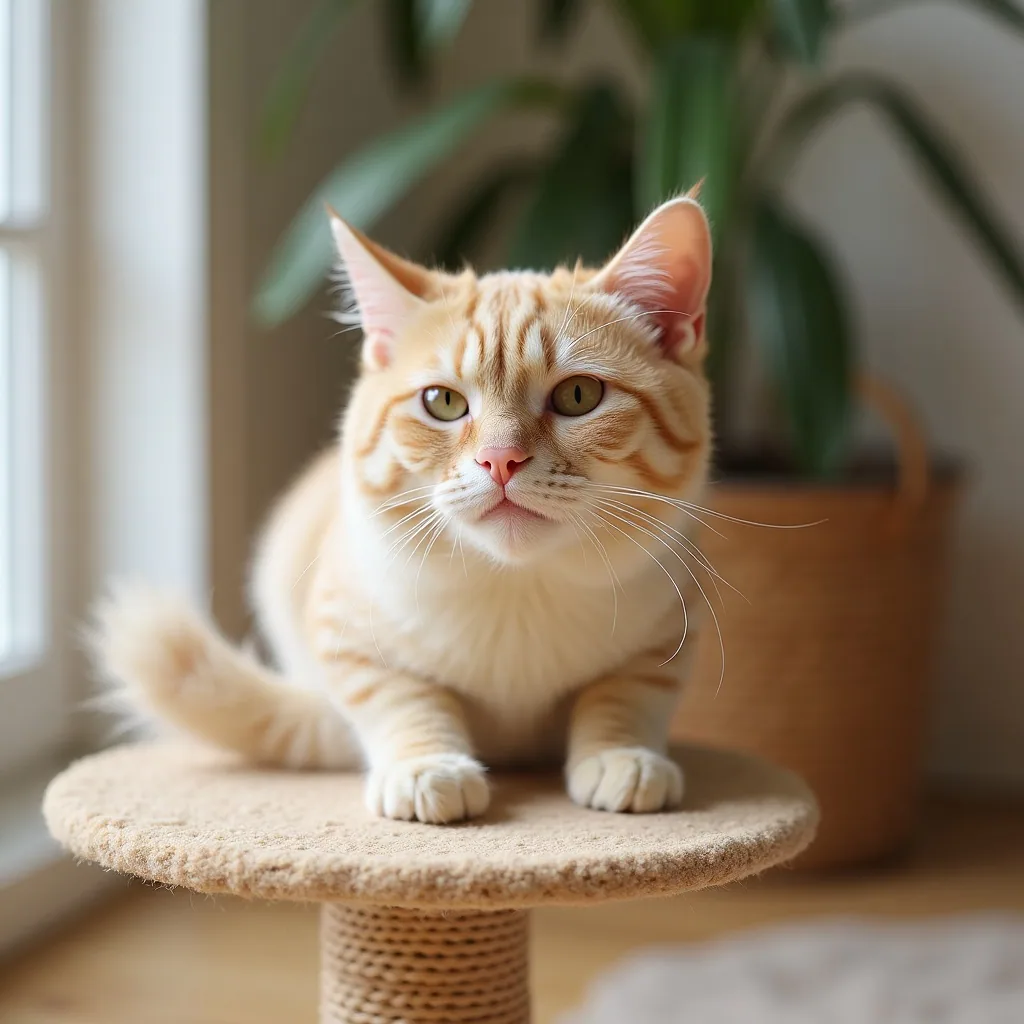 A place of their own to scratch and survey.
All cats beds & furniture →Cat cave beds →Cat beds →Outdoor cat houses →Cat hammocks →Cat window perches →Cat wall shelves →Elevated cat beds →Cat furniture →Cat houses →Heated cat beds →
↗Tracked US shippingEstimates on every item↶Returns & refundsHow it works♡Here to helpTalk to Giddy Pets
Find their favorites
Shop cat trees by type
Choose a section to narrow the range.
- All cat trees220 products
- Tall cat trees66 products
- Cat trees for small spaces48 products
- Novelty cat trees39 products
- Floor-to-ceiling cat trees35 products
- Wooden cat trees28 products
- Cat trees for multiple cats27 products
- Modern cat trees19 products
- Cat trees for kittens and senior cats16 products
- Cat trees for large cats9 products
All cat trees for large cats
Little essentials. Lots of love.


Cat trees
63-Inch Multi-Level Cat Tree with Condo, Hammock and Scratching Board
- Options
- 3 to choose from
From $80.99

Cat trees
66-Inch Multi-Cat Tree Tower with Two Condos, Hammock and Top Perch
- Options
- 3 to choose from
$86.99

Cat trees
68-Inch Multi-Level Cat Tree with Hammocks, Condos and Sisal Posts
- Options
- 2 to choose from
$164.99

Cat trees
71-Inch Multi-Level Cat Tree with Two Condos, Hammock and Basket
- Options
- 2 to choose from
$102.99


Cat trees
Heavy-Duty Cat Tree for Medium and Large Cats, 4 or 6 Tiers
- Options
- 8 to choose from
From $78.99
A little guidance
Help choosing cat trees for large cats
Buying guides and care advice written for this range: what to measure, what matters and what to skip.
From our guides
- Best Cat Trees for Large Cats: What Actually Matters →
- Best Cat Trees: How to Choose One That Is Tall, Stable and Used →
- How to Cat-Proof a Christmas Tree →
- How to Clean a Cat Tree: Carpet, Sisal and Fleas →
- Best Floor-to-Ceiling Cat Tree: How to Choose a Stable One →
- Best Cat Tree for Kittens: What to Look For →
These are the sturdiest towers from our Cat Trees range, chosen for big and heavy cats: tall multi-level towers from about 46 to 71 inches, solid wood and wood-metal designs with high per-level weight ratings, and multi-cat climbers with wide platforms. This page is for owners of Maine Coons, ragdolls, Norwegian Forest Cats and other large cats who have watched a standard tree wobble.
What makes a cat tree right for a big cat
A large cat puts a lot of force into a tree when it jumps on or launches off. The three things that matter are the base, the posts and the platforms. A wide, heavy base keeps the tower from tipping; thick posts resist flex; and platforms must be large enough for a big cat to lie on without hanging over the edge.
Height is the least important of the three. A tall tree on a narrow base is the one that rocks. Look for towers that widen at the bottom, or that can be anchored to a wall, and for platforms that are well supported rather than cantilevered far out from a single post.
Weight capacity and stability
Check the stated capacity per platform as well as the total. Some towers in this range give a per-layer rating, which is the more useful figure for a big cat that likes one favorite perch. Allow a margin: a jumping cat loads a platform with more than its resting weight.
Even a strong tree is safer secured. Use any wall strap supplied, especially on towers over 5 feet, and stand the tree on a hard floor or low carpet rather than a thick rug. Tighten the bolts after the first week, once the joints have settled, and check them every few months.
Perches, beds and condos for big breeds
Maine Coons and other large breeds are long cats, and many of them like to stretch out full length rather than curl up in a ball. Choose a tree whose top perch and condo openings suit your cat's size, and check the condo entrance is wide enough for a big cat to turn inside.
Hammocks and baskets on large-cat trees should be framed in metal or wood rather than hanging from fabric alone. Wide sisal posts give big cats room for a full-body scratch, which helps protect your furniture.
Placement and multi-cat homes
Put the tree by a window if you can; height plus a view is what most cats are after. Keep it away from shelves or furniture a cat might try to leap to from the top platform, and leave clear landing space around the base.
In a multi-cat home, a tree with several platforms at different heights lets cats share without competing for one spot. Large cats often claim the top level, so a tree with more than one high perch prevents squabbles.
What cat tree is best for a Maine Coon?
Choose a tree with a wide, heavy base, thick posts, large platforms and a high per-level weight rating, and anchor it to a wall if it is over 5 feet. Check condo openings suit a big cat.
How much weight can a cat tree hold?
It varies widely, so read the per-platform and total ratings. For a large cat, choose a rating comfortably above your cat's weight, since jumping loads a perch with more than resting weight.
Why does my cat tree wobble?
Usually a narrow base, loose bolts or thick carpet underneath. Tighten all fixings after the first week, move it to a firmer floor and use the wall anchor.
How tall should a cat tree be for a big cat?
Height matters less than stability. A 5 to 6 foot tree with a wide base is ideal for most large cats; taller towers should be secured to a wall.