








Cats
Cat trees for small spaces
Stretch, climb, repeat.
48 items picked for everyday life with your pet, with shipping estimates on every item.
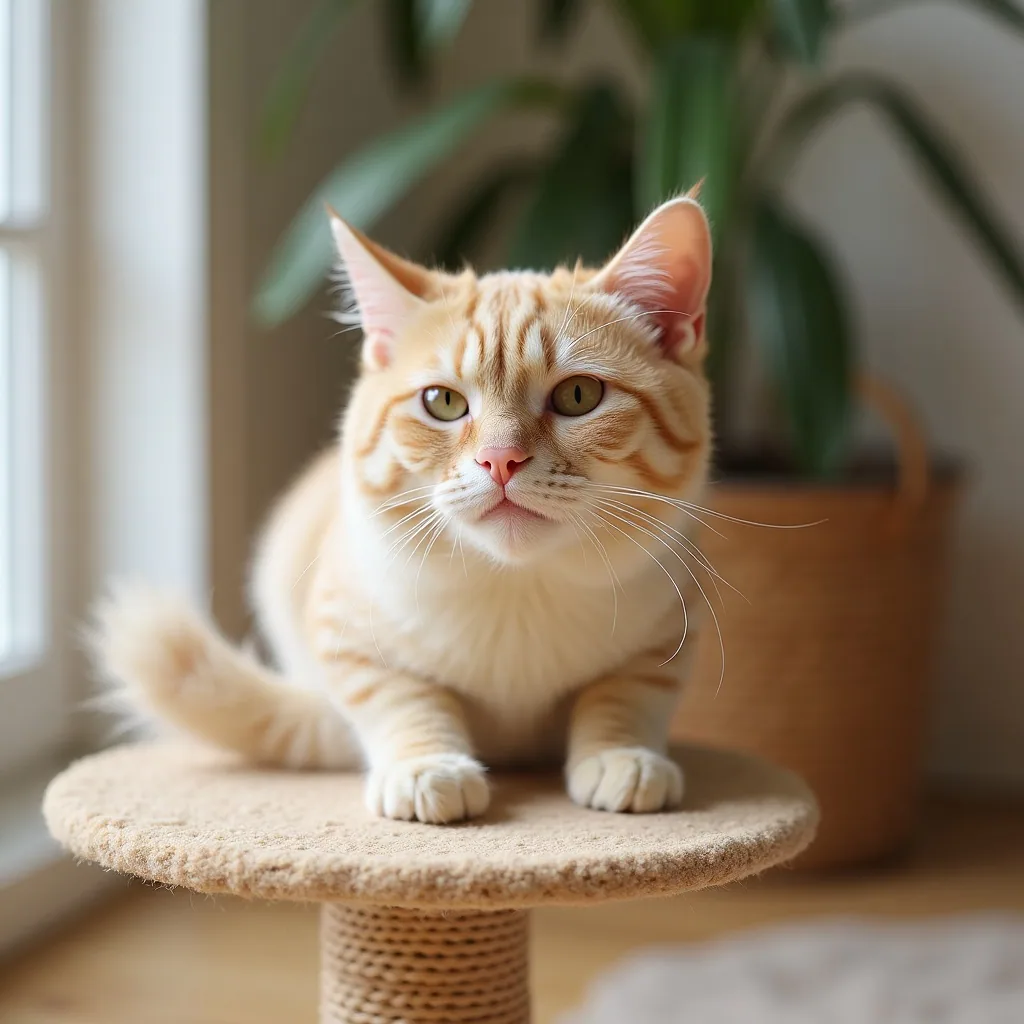 A place of their own to scratch and survey.
All cats beds & furniture →Cat cave beds →Cat beds →Outdoor cat houses →Cat hammocks →Cat window perches →Cat wall shelves →Elevated cat beds →Cat furniture →Cat houses →Heated cat beds →
↗Tracked US shippingEstimates on every item↶Returns & refundsHow it works♡Here to helpTalk to Giddy Pets
Find their favorites
Shop cat trees by type
Choose a section to narrow the range.
- All cat trees220 products
- Tall cat trees66 products
- Cat trees for small spaces48 products
- Novelty cat trees39 products
- Floor-to-ceiling cat trees35 products
- Wooden cat trees28 products
- Cat trees for multiple cats27 products
- Modern cat trees19 products
- Cat trees for kittens and senior cats16 products
- Cat trees for large cats9 products
All cat trees for small spaces
Little essentials. Lots of love.


A little guidance
Help choosing cat trees for small spaces
Buying guides and care advice written for this range: what to measure, what matters and what to skip.
From our guides
- Best Cat Trees: How to Choose One That Is Tall, Stable and Used →
- How to Cat-Proof a Christmas Tree →
- How to Clean a Cat Tree: Carpet, Sisal and Fleas →
- Best Floor-to-Ceiling Cat Tree: How to Choose a Stable One →
- Best Cat Tree for Kittens: What to Look For →
- Best Cat Tree for Multiple Cats: What Actually Matters →
This page narrows our cat trees down to compact designs for apartments, dorms and small rooms: small towers from about 19 to 40 inches tall, corner cat towers, a half tree that sits flat against a wall, a revolving stair tree, moon and star designs, multi-level trees with two-tier condos, and a door-hanging climber with four adjustable heights. It is for small homes, kittens, senior cats and anyone short on floor space.
Getting height without the footprint
Cats want height, and a small home has less of it to offer. The trick is to climb up rather than spread out. Corner towers tuck into the dead space where two walls meet. Half trees sit flat against a wall, giving perches and posts in a fraction of the floor area. A door-hanging climber uses the back of a door that would otherwise be wasted.
Short trees under about 30 inches also suit kittens and older cats, who are safer with lower jumps. Compared with the tall towers on our main cat trees page, these trade height for a footprint that fits a studio.
What to look for in a small tree
Check the base size first, then the height. A small base on a tall tree tips more easily, so a compact tree should be short or wide enough to stay steady when your cat lands on the top. Look for a sisal-wrapped scratching post, at least one perch big enough to lie on, and a condo or hidey hole if your cat likes to hide.
Measure the corner or wall before you buy. A corner tower needs a clear corner without a heating vent, outlet or door swing in the way.
Door-hanging and wall-saving designs
Over-the-door climbers hook over the top of a door and give a cat several levels on a surface you never use. Adjustable designs let you set the height of each step. Check the door thickness against the hook size and that the door closes properly with the climber in place.
Use these on interior doors that stay put, not doors that are opened and closed all the time while a cat is on them.
Placement in a small home
Put the tree by a window if you can. A small tree with a view is worth more to a cat than a big one in a dark corner. Placing it near where your cat sleeps also helps, since cats like to scratch and stretch on waking.
If you have more than one cat, two small trees in different spots often work better than one bigger tree, because each cat gets its own lookout without competition.
Size of your cat
A small tree is about the space it takes up, not the size of the cat. Large cats need wide platforms and a stable base even on a compact tree, so check perch dimensions and avoid very narrow tops for big breeds. Kittens outgrow tiny trees quickly but enjoy them while small.
Tighten bolts after a week and check them each month. A wobbly tree discourages climbing, and a cat that stops using its tree may need a steadier one, or may be sore; an older cat that stops jumping is worth mentioning to your vet.
What is the best cat tree for a small apartment?
A corner tower, a half tree against a wall or a door-hanging climber gives height without taking much floor space.
Are small cat trees stable?
Good ones are, if the base is wide for the height. Short trees are naturally more stable than tall, narrow ones.
Do door-hanging cat trees damage doors?
They hook over the top and rarely mark the door if fitted properly. Check the hook fits your door thickness.
Can large cats use small cat trees?
Yes, if platforms are wide enough to lie on and the base is steady. Avoid very narrow perches for big cats.
Where should I put a small cat tree?
By a window, or near where your cat sleeps. A tree with a view gets used far more than one in a dark corner.