







Dogs
Deshedding tools
More care. More cuddles.
37 items picked for everyday life with your pet, with shipping estimates on every item.
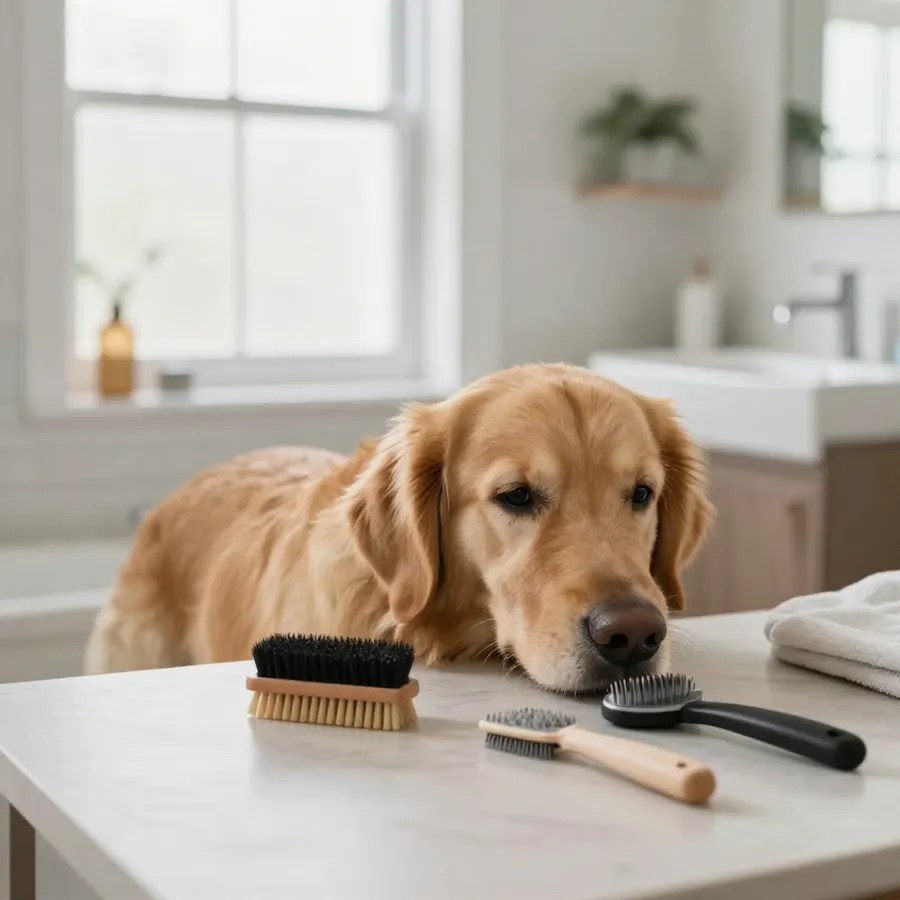 For the moments that bring you closer.
All dogs grooming & hygiene →Dog bath brushes →Dog nail clippers →Dog combs →Slicker brushes →Dog nail grinders →Dog paw balm →Dog paw cleaners →Dog brushes →Dog drying towels →Dog grooming tables →Puppy pads →Dematting combs & tools →
↗Tracked US shippingEstimates on every item↶Returns & refundsHow it works♡Here to helpTalk to Giddy Pets
All deshedding tools
Little essentials. Lots of love.


Dog bath brushes
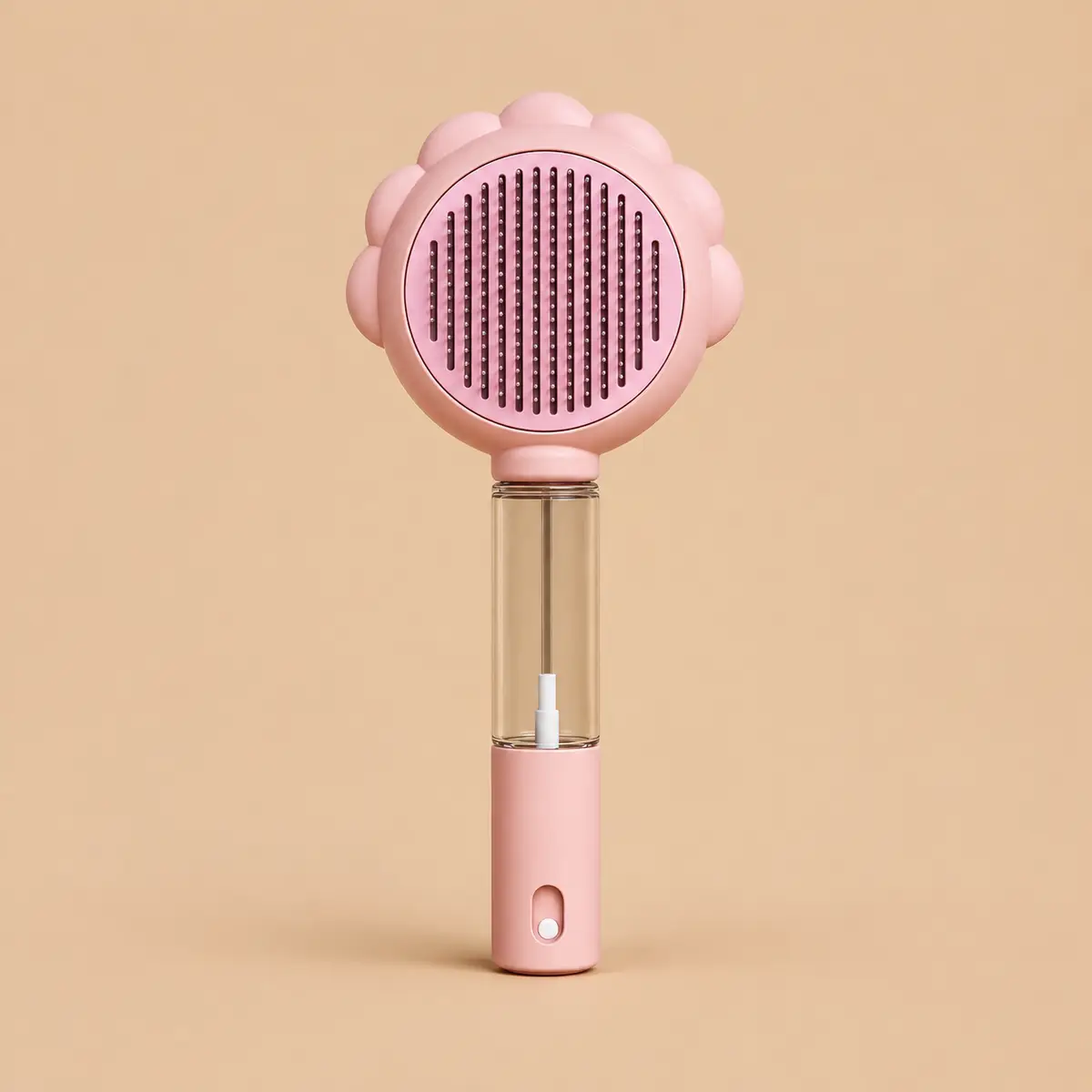
Green Pet Grooming Mitt with Brush-and-Comb Option
- Options
- 2 to choose from
From $14.99


Slicker brushes
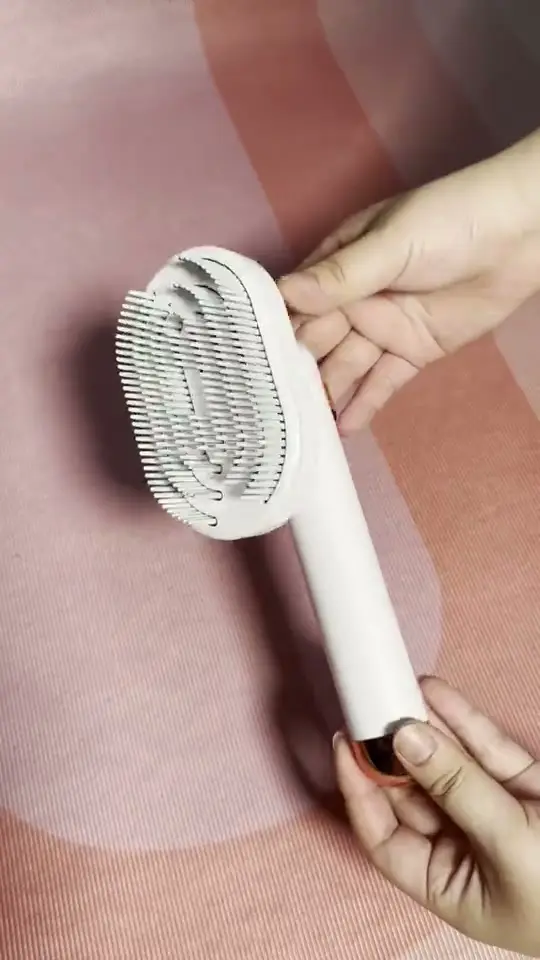
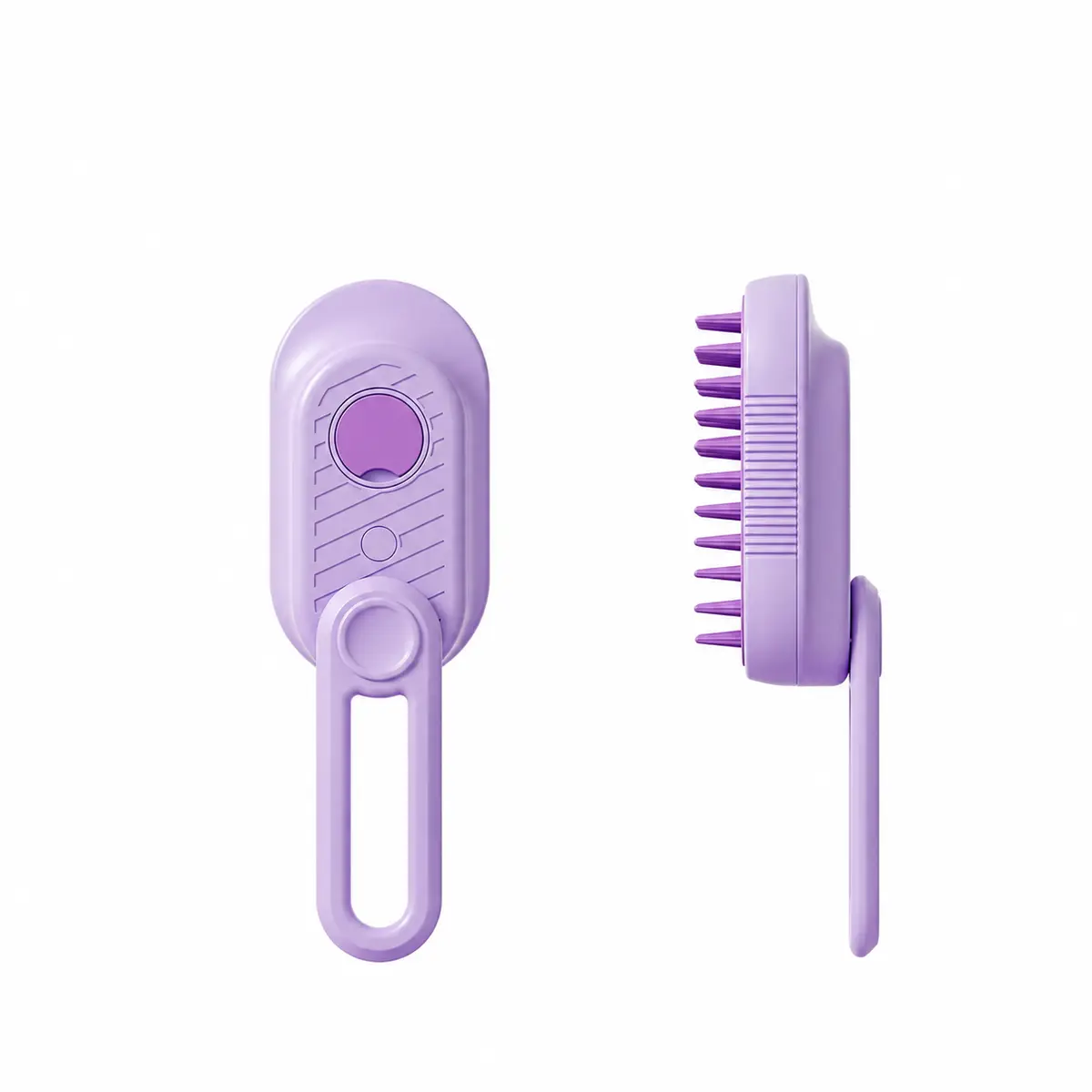
Rotating-Head Pet Grooming Brush with Hair-Release Slider
- Options
- 3 to choose from
$17.99






Dematting combs & tools
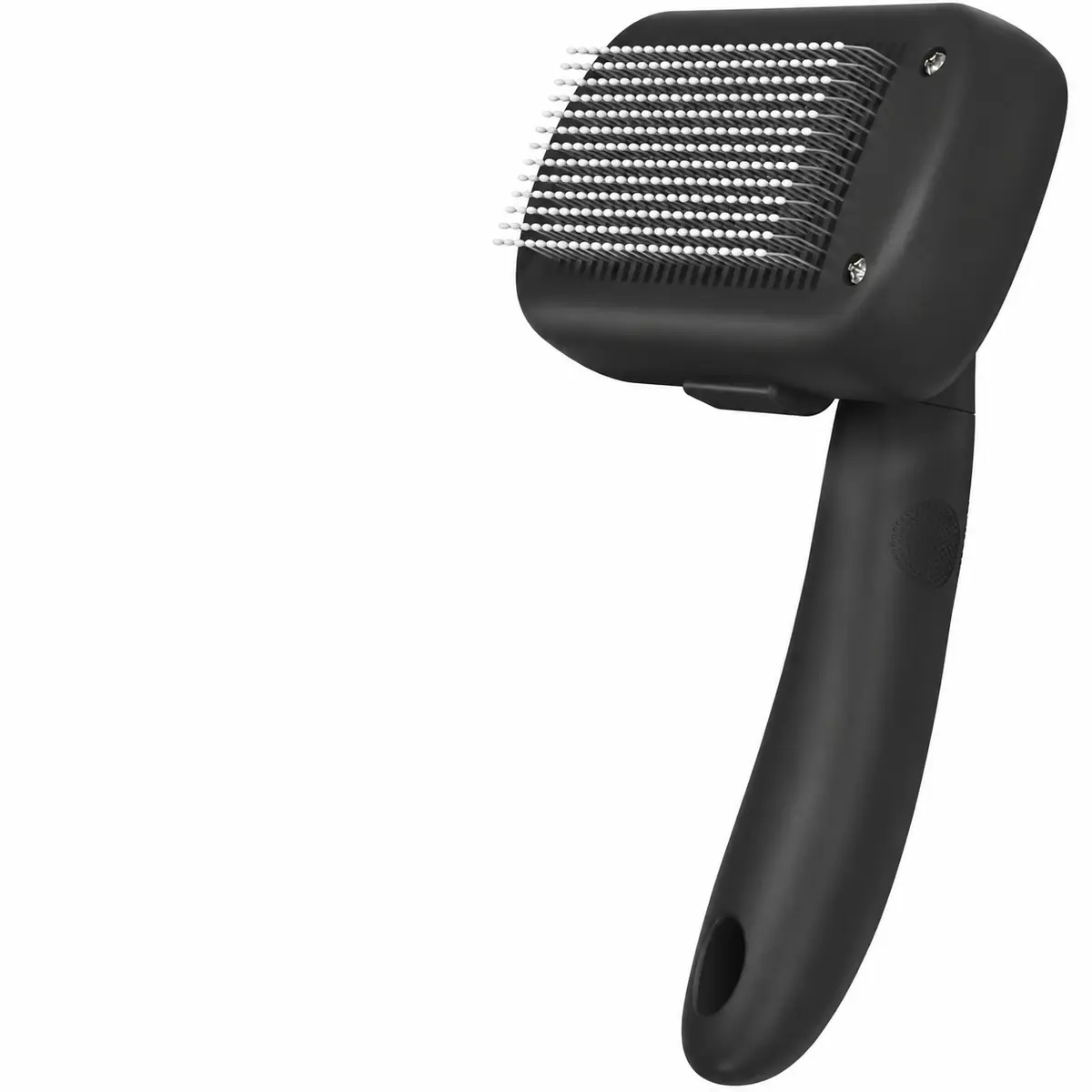
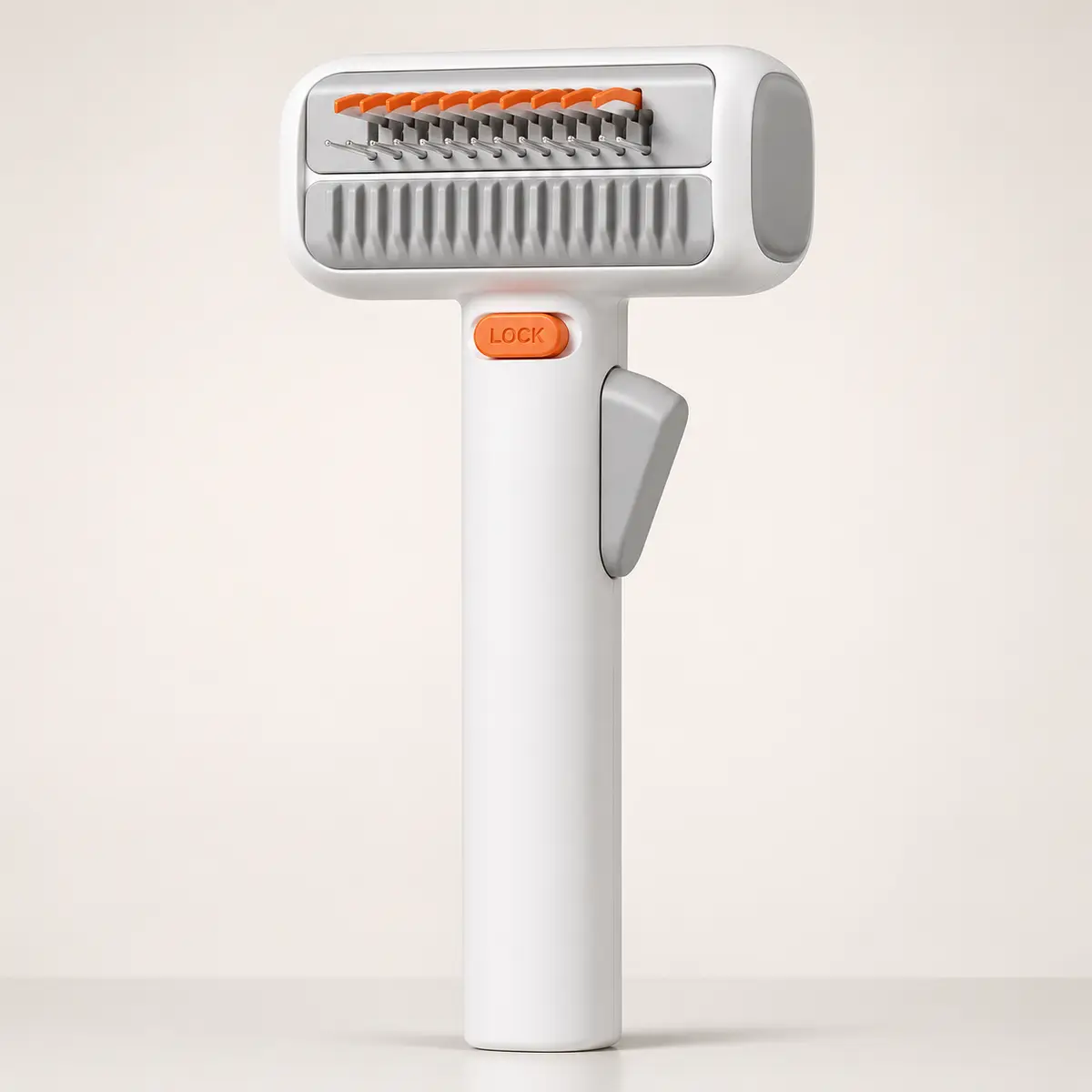
Double-Sided Pet Grooming Rake, 2.8 or 3.7 in Wide
- Options
- 14 to choose from
From $15.99
A little guidance
Help choosing deshedding tools
Buying guides and care advice written for this range: what to measure, what matters and what to skip.
From our guides
- Best Dog Brush for Shedding: How to Choose a Deshedding Tool →
- Deshedding Tool vs Undercoat Rake: Which Do You Need? →
- Best Deshedding Tool for Golden Retrievers: How to Choose →
- Best Shampoo for Huskies: What a Double Coat Needs →
- Do Corgis Shed? Yes, Every Day: What to Know →
- Do German Shepherds Shed? →
Shop dog brushes for shedding: self-cleaning slicker and deshedding brushes, ergonomic deshedding brushes, double-sided dematting and deshedding combs, handheld grooming combs, and two-sided grooming and hair removal gloves. Many also work on cats and rabbits. This page is for owners of double-coated and heavy-shedding dogs, and of short-coated dogs that leave hair everywhere. Below is which tool suits which coat, how often to brush and how to avoid damaging the coat.
Matching the tool to the coat
Double-coated breeds such as Huskies, German Shepherds, Golden Retrievers and Corgis have a soft, dense undercoat that sheds heavily, especially in spring and fall. Deshedding brushes and combs reach through the top coat to lift that loose undercoat out before it lands on your floor.
Short, smooth coats, such as Labradors, Beagles and Pugs, shed constantly in short hairs. Grooming gloves and rubber-style brushes work well on them, and most dogs enjoy the massage. Long or silky coats need a slicker brush and comb to keep tangles out, used gently.
Slicker brushes and self-cleaning brushes
A slicker brush has fine, bent wire pins that remove loose hair and small tangles. Self-cleaning versions, which make up a good part of this range, retract the pins at the push of a button so the hair slides off in one sheet, which makes a long grooming session much faster.
The AKC recommends brushing a double-coated dog with a slicker brush followed by a comb at least once a week, brushing the hair itself rather than the skin. Choose a softer slicker for puppies and sensitive dogs, and never press hard enough to scratch.
Deshedding and dematting combs
Deshedding combs have closely spaced teeth that pull out the dead undercoat in heavy shedding season. Double-sided dematting and deshedding combs pair those fine teeth with wider, sharp-edged teeth that cut through small mats, which is useful behind the ears and under the legs.
These tools are effective, so use them with a light touch and short strokes in the direction the hair grows. Over-working one spot can thin or irritate the coat. For big, tight mats, a professional groomer or vet can remove them safely.
Grooming gloves
Grooming gloves have soft rubber or silicone nubs on the palm. You stroke your dog as if petting it, and the loose hair sticks to the glove. They suit short-coated dogs, nervous dogs that dislike brushes, and quick daily sessions on the couch.
Double-sided gloves add a smoother side for finishing or for lifting hair off furniture. They are less effective on thick undercoats than a deshedding comb, so owners of double-coated dogs often use a glove for daily touch-ups and a comb for weekly sessions.
How often to brush, and what not to do
Brush most double-coated dogs at least weekly, and every day or two during spring and fall coat blows. Short-coated dogs benefit from a quick session a few times a week. Brush outside or on an old sheet to contain the hair.
The AKC advises against shaving a double coat to stop shedding: it does not stop it, damages the insulating undercoat and can raise the risk of sunburn and skin problems. Bathe only when your dog is dirty, and dry the coat fully before brushing. If shedding suddenly increases or you see bald patches, ask your vet.
What is the best brush for a dog that sheds a lot?
For double-coated dogs, a deshedding brush or comb plus a slicker brush removes the loose undercoat best. For short coats, a grooming glove or rubber brush works well. Match the tool to the coat.
How often should I brush a shedding dog?
At least once a week for most double-coated dogs, and daily during heavy seasonal shedding. Short-coated dogs benefit from a few quick sessions a week.
Can deshedding tools hurt my dog?
Used gently, no. Pressing hard or brushing one area too long can irritate skin or thin the coat. Use short strokes in the direction of hair growth and stop if your dog seems uncomfortable.
Should I shave my double-coated dog to stop shedding?
No. Shaving does not stop shedding, damages the undercoat that insulates your dog in heat and cold, and can make the coat grow back poorly. Regular brushing is the better answer.
Do these brushes work on cats?
Several brushes and gloves here are designed for cats and dogs, and some for rabbits too. Use a soft touch on cats and keep sessions short, since cats have thinner skin.