







Dogs
Dog brushes
More care. More cuddles.
87 items picked for everyday life with your pet, with shipping estimates on every item.
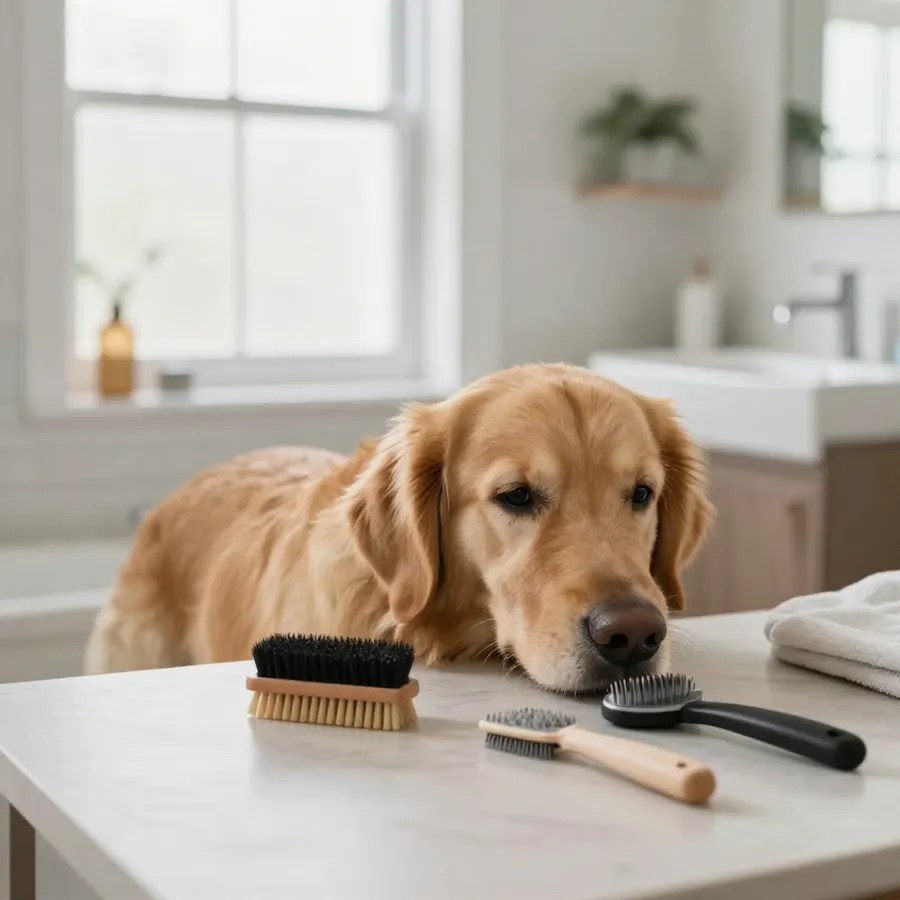 For the moments that bring you closer.
All dogs grooming & hygiene →Dog bath brushes →Dog nail clippers →Dog combs →Slicker brushes →Dog nail grinders →Dog paw balm →Dog paw cleaners →Dog drying towels →Dog grooming tables →Deshedding tools →Puppy pads →Dematting combs & tools →
↗Tracked US shippingEstimates on every item↶Returns & refundsHow it works♡Here to helpTalk to Giddy Pets
All dog brushes
Little essentials. Lots of love.

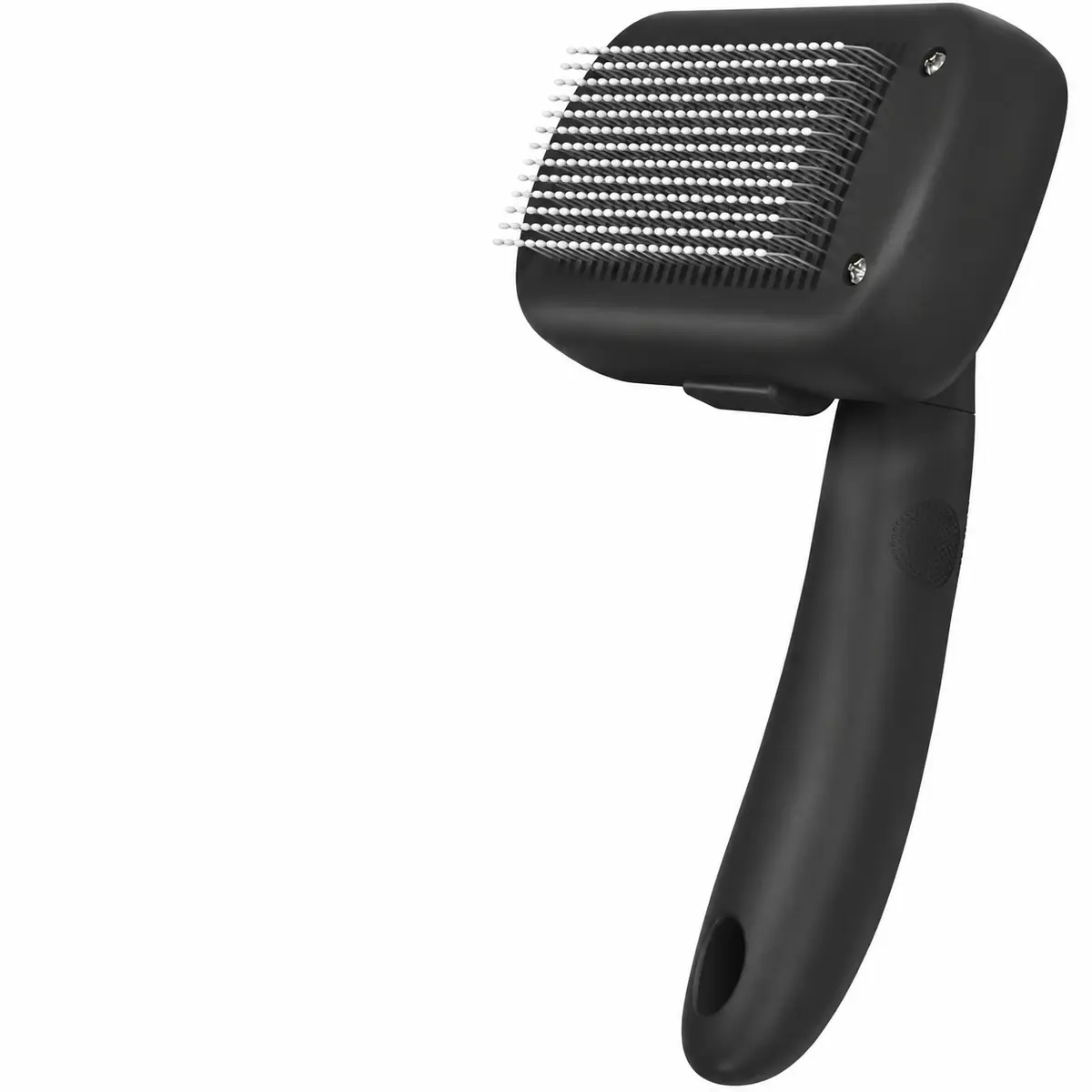


Dog nail grinders
Rechargeable Pet Grooming Comb with Electric Nail Polisher Handle
- Options
- 2 to choose from
$22.99


Dematting combs & tools
Double-Sided Pet Grooming Rake, 2.8 or 3.7 in Wide
- Options
- 14 to choose from
From $15.99


A little guidance
Help choosing dog brushes
Buying guides and care advice written for this range: what to measure, what matters and what to skip.
From our guides
- Best Dog Brushes: How to Choose One for Your Dog's Coat →
- How Often Should You Brush Your Dog? →
- Yorkshire Terrier Grooming: Brushing, Baths and Trims →
- Best Brush for Huskies: How to Choose Tools for a Double Coat →
- Best Dog Brush for Shedding: How to Choose a Deshedding Tool →
- Best Brush for Doodles: How to Keep a Curly Coat Mat-Free →
This page covers brushes and grooming tools for dogs (and many suit cats too): self-cleaning slicker brushes, deshedding brushes and combs, wooden pin and bristle brushes, double-sided grooming gloves and mitts, and steam brushes that mist the coat as you brush. It is for owners of shedding dogs, doodles and long-coated breeds, and anyone who wants less hair on the sofa.
Match the brush to the coat
The American Kennel Club matches brushes to coat types. Slicker brushes, with fine wire pins packed close together, work on medium, long, wire and curly coats to lift loose hair and head off mats. Bristle brushes suit short coats and make a good finishing brush for shine. Pin brushes, with rubber-tipped pins, smooth long coats.
Undercoat rakes and deshedding tools reach the dense undercoat of double-coated breeds such as Huskies, shepherds and retrievers, where most shedding comes from; the American Kennel Club notes the pin length should match the coat length. Rubber brushes and grooming mitts suit short coats, massage the skin and work wet or dry.
Brushes for heavy shedders
Double-coated dogs blow their undercoat, usually in spring and fall, and need more brushing then. A slicker followed by a deshedding brush removes far more hair than a slicker alone. Work in sections, brushing in the direction the hair grows, and do not press down hard.
Shaving a double-coated dog is not a shortcut to less hair on the floor, and it removes the coat that insulates the dog from heat and cold. Regular brushing is the real answer. Self-cleaning brushes, which push the collected hair off the pins at the press of a button, make long sessions much quicker.
Brushes for doodles and curly coats
Curly and wavy coats, including Poodles and doodle crosses, mat easily, especially behind the ears, under the legs and around the collar. A slicker brush used with a light touch, followed by a metal comb to check you have reached the skin, is the standard routine.
If a comb cannot pass through, there is a mat. Work small mats out with your fingers and the slicker, holding the hair at the base so you do not pull the skin. Tight mats close to the skin are best left to a groomer, since cutting them out with scissors is a common cause of injury.
Grooming gloves and steam brushes
Grooming gloves and mitts let you brush while you pet, which helps with dogs that dislike a brush. They suit short coats and finishing work and pick up loose hair from the surface rather than the deep undercoat.
Steam brushes release a fine water mist as you brush, which helps loose hair cling to the brush rather than float into the air. Use only plain water unless the instructions say otherwise, and dry the tank after use.
Making brushing easier
Start young if you can, with a soft brush and short sessions; the American Kennel Club recommends introducing puppies to brushing early. For adult dogs, brush for a few minutes, reward, and stop before your dog gets fidgety.
Check the skin as you go. Redness, scabs, lumps, fleas or bald patches are worth showing to your vet. Clean brushes after each use, and replace a slicker once its pins bend, since bent pins scratch.
What brush is best for a dog that sheds a lot?
For double-coated breeds, use a slicker brush followed by a deshedding brush or undercoat rake to reach the dense undercoat. For short coats, a rubber brush or grooming mitt works well.
What brush should I use on a Goldendoodle?
A slicker brush with a light touch, followed by a metal comb to the skin, prevents mats in curly and wavy coats. Brush several times a week, focusing on ears, legs and collar area.
What is the best brush for a Husky?
Huskies have a thick double coat. An undercoat rake or deshedding brush with pins suited to the coat length, plus a slicker, handles shedding season best.
Do grooming gloves work on dogs?
They work well on short coats and for dogs that dislike brushes, removing loose surface hair as you pet. They do not reach the undercoat of long or double coats.
How often should I brush my dog?
It depends on the coat. Short coats manage with a weekly brush, while long, curly and double coats need several sessions a week and daily brushing during shedding season to prevent mats.