







Dogs
Dematting combs & tools
More care. More cuddles.
22 items picked for everyday life with your pet, with shipping estimates on every item.
 For the moments that bring you closer.
All dogs grooming & hygiene →Dog bath brushes →Dog nail clippers →Dog combs →Slicker brushes →Dog nail grinders →Dog paw balm →Dog paw cleaners →Dog brushes →Dog drying towels →Dog grooming tables →Deshedding tools →Puppy pads →
↗Tracked US shippingEstimates on every item↶Returns & refundsHow it works♡Here to helpTalk to Giddy Pets
All dematting combs & tools
Little essentials. Lots of love.


Dematting combs & tools
Dematting Comb and Undercoat Rake, Single or Double Sided
- Options
- 10 to choose from
From $15.99

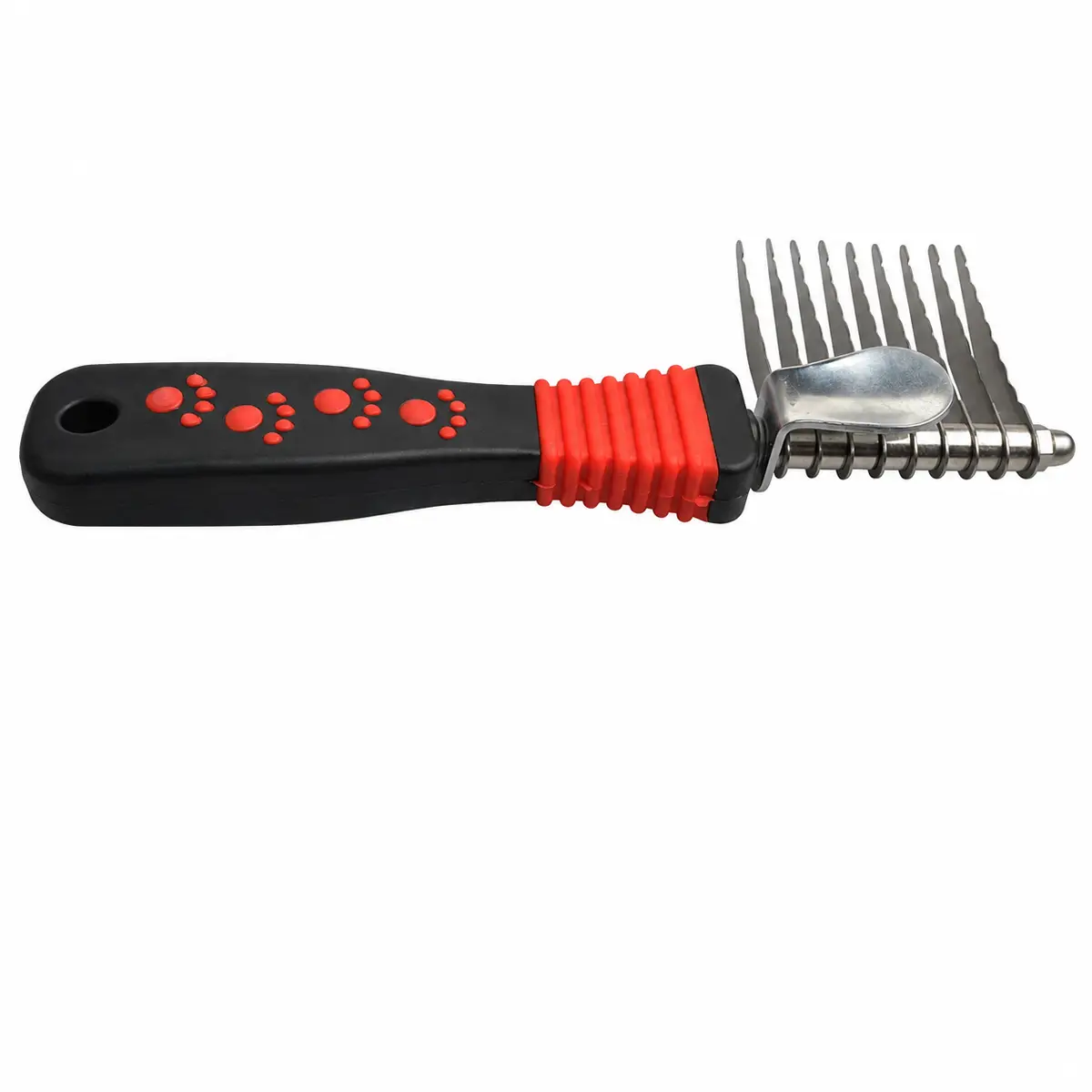


Undercoat rakes
Stainless Steel Undercoat Dematting Rake for Dogs and Cats
- Options
- 2 to choose from
$19.99


Dematting combs & tools
Double-Sided Dematting and Undercoat Comb for Cats and Dogs
- Options
- 2 to choose from
$18.99

Dematting combs & tools
Double-Sided Pet Detangling Comb with 19 + 19 Teeth
- Options
- 2 to choose from
$16.99

Dematting combs & tools
Double-Sided Pet Grooming Rake, 2.8 or 3.7 in Wide
- Options
- 14 to choose from
From $15.99

Dematting combs & tools
Folding Pet Grooming Comb with Two Metal Comb Sections
- Options
- 3 to choose from
$18.99

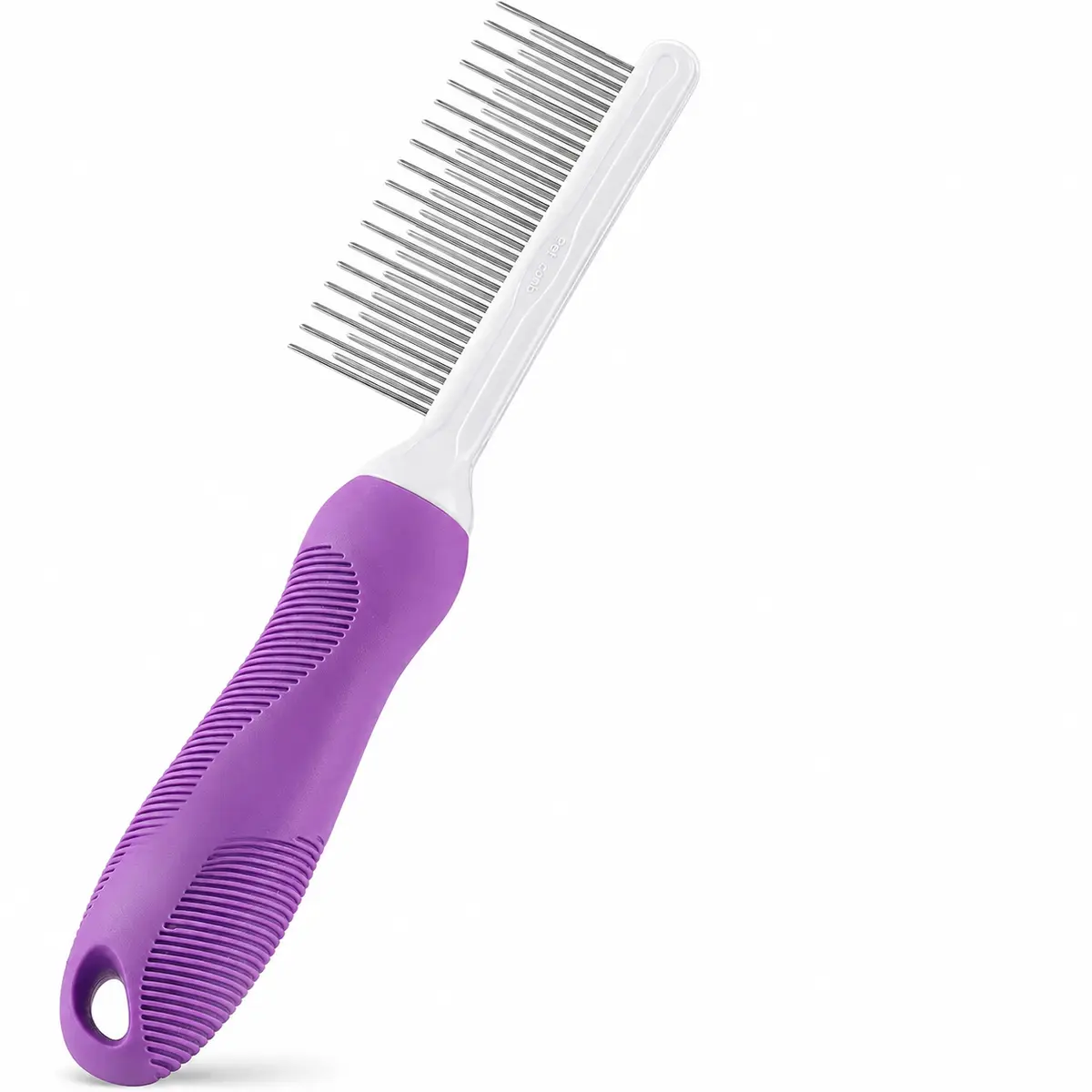

Dematting combs & tools
Two Sided Pet Grooming Rake with Fine Tooth Comb
- Options
- 6 to choose from
From $19.99

Dematting combs & tools
Yellow Pet Grooming Comb with Hair Release Button
- Options
- 3 to choose from
From $18.99
A little guidance
Help choosing dematting combs & tools
Buying guides and care advice written for this range: what to measure, what matters and what to skip.
From our guides
- Best Dematting Tool for Dogs: How to Remove Mats Safely →
- Best Brush for Huskies: How to Choose Tools for a Double Coat →
- Best Cat Grooming Tools: What You Actually Need →
- Best Dog Brush for Shedding: How to Choose a Deshedding Tool →
- Deshedding Tool vs Undercoat Rake: Which Do You Need? →
- Best Brush for Corgis: Tools for a Heavy-Shedding Double Coat →
This page narrows our dog grooming range down to tools for mats and tangles: double-sided dematting combs and undercoat rakes, curved-blade dematting and deshedding combs, double-row and stainless steel undercoat rakes, ergonomic dematting combs, a large self-cleaning slicker brush for mats, a complete deshedding and dematting set, and tangle removal sprays and hair care liquids. It is for long-coated and double-coated dogs that knot up, and owners working through tangles at home.
Why mats form and why they matter
Mats form when loose hair tangles with the coat and compacts, especially behind the ears, under the collar, in the armpits, on the belly and around the tail. Doodles, Poodles, Shih Tzus, Cocker Spaniels, Collies and other long or curly coats are most prone.
Mats are not just cosmetic. They pull on the skin, trap moisture and dirt, and can hide skin infections and parasites underneath. Large mats are painful, so it pays to deal with tangles while they are small.
Dematting combs and rakes
A dematting comb has sharpened, curved blades that cut through a mat as you comb, splitting it into pieces that can be brushed out. A double-sided comb usually pairs fewer teeth for heavy mats with more teeth for finishing.
An undercoat rake has long teeth that reach through the topcoat to pull loose undercoat out before it mats, which suits double-coated breeds such as Huskies, shepherds and retrievers. The AKC advises against shaving double coats, so regular raking is the better approach.
How to work out a mat
Spray a detangling product into the mat to add slip. Hold the hair at the base, between the mat and the skin, so you do not tug the skin. Work the dematting comb from the outer edge of the mat inward in short strokes, splitting it into smaller sections, then brush each out with a slicker.
Go slowly and take breaks. Never cut a mat out with scissors; mats sit close to the skin and cuts are common and easy to miss.
When to stop and get help
If a mat is tight against the skin, very large, covers a large area or your dog is in pain, stop. A groomer can clip it out safely with clippers. Severely matted dogs sometimes need to be shaved down by a professional and then kept on a regular grooming schedule.
Check the skin under any mat you remove. Redness, sores, smell or swelling should be shown to your vet.
Preventing mats
Brush long and curly coats several times a week, and daily during shedding. Pay attention to friction spots: behind the ears, the collar line and under the legs. Brush down to the skin, then check with a comb; if the comb glides through, you are done.
Brush before baths, since water tightens mats, and dry the coat fully after bathing or swimming. A regular professional trim keeps long coats manageable.
Choosing the right tool
For a long or curly coat with occasional knots, a dematting comb plus a large slicker brush covers most needs. For heavy shedders, add an undercoat rake. A complete deshedding and dematting set gives you each tool together.
Ergonomic handles help on large dogs where grooming takes longer, and stainless steel blades and teeth resist rust from detangling sprays.
How do I get mats out of my dog's hair?
Spray detangler, hold the hair at the base, split the mat with a dematting comb from the edge inward, then brush out each piece.
Is a dematting comb safe for dogs?
Yes, used gently with the hair held at the base. Avoid pressing blades into the skin, and stop if your dog is in pain.
What is the difference between a dematting comb and an undercoat rake?
A dematting comb cuts through mats; an undercoat rake removes loose undercoat before it mats.
Should I cut mats out with scissors?
No. Mats sit close to the skin and it is easy to cut your dog. Use a dematting comb or ask a groomer.
How often should I brush to prevent mats?
Several times a week for long and curly coats, and daily during shedding.