Buying guides
Best Brush for Corgis: Tools for a Heavy-Shedding Double Coat
The best brush kit for a Corgi is an undercoat rake to pull out loose undercoat, a slicker brush to tidy the outer coat and feathering, and a metal comb to check you have reached the skin. Corgis shed year-round and heavily twice a year, so a rake does the heavy lifting. Brush several times a week, daily during a blowout, and never shave the coat.
By Matt GarnettUpdated November 10, 20264 min read3 sources
What matters most for a Corgi's coat
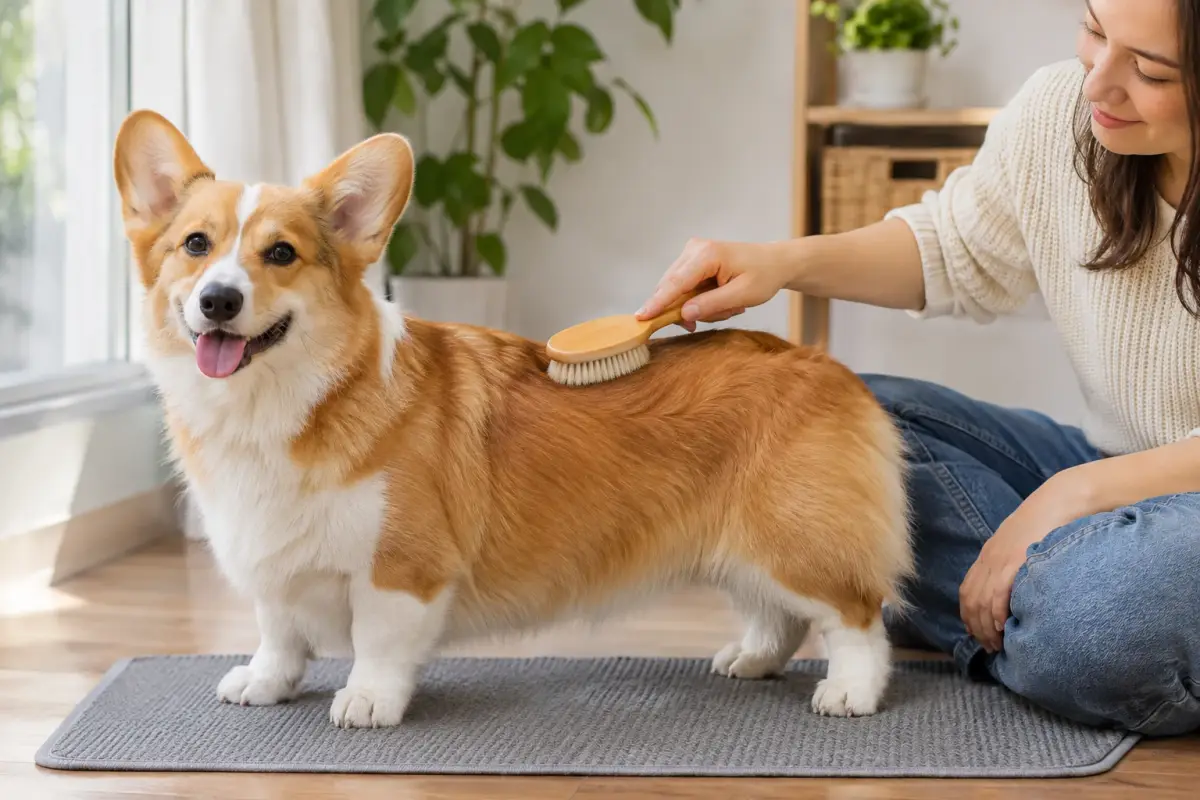
Corgis have a double coat: a weather-resistant outer coat over a thick, soft undercoat. The AKC lists the Pembroke at 10 to 12 inches tall and up to about 30 pounds, a small dog with a lot of hair. The undercoat sheds constantly and blows out in spring and fall, and loose undercoat left in the coat mats behind the ears, on the britches and under the legs.
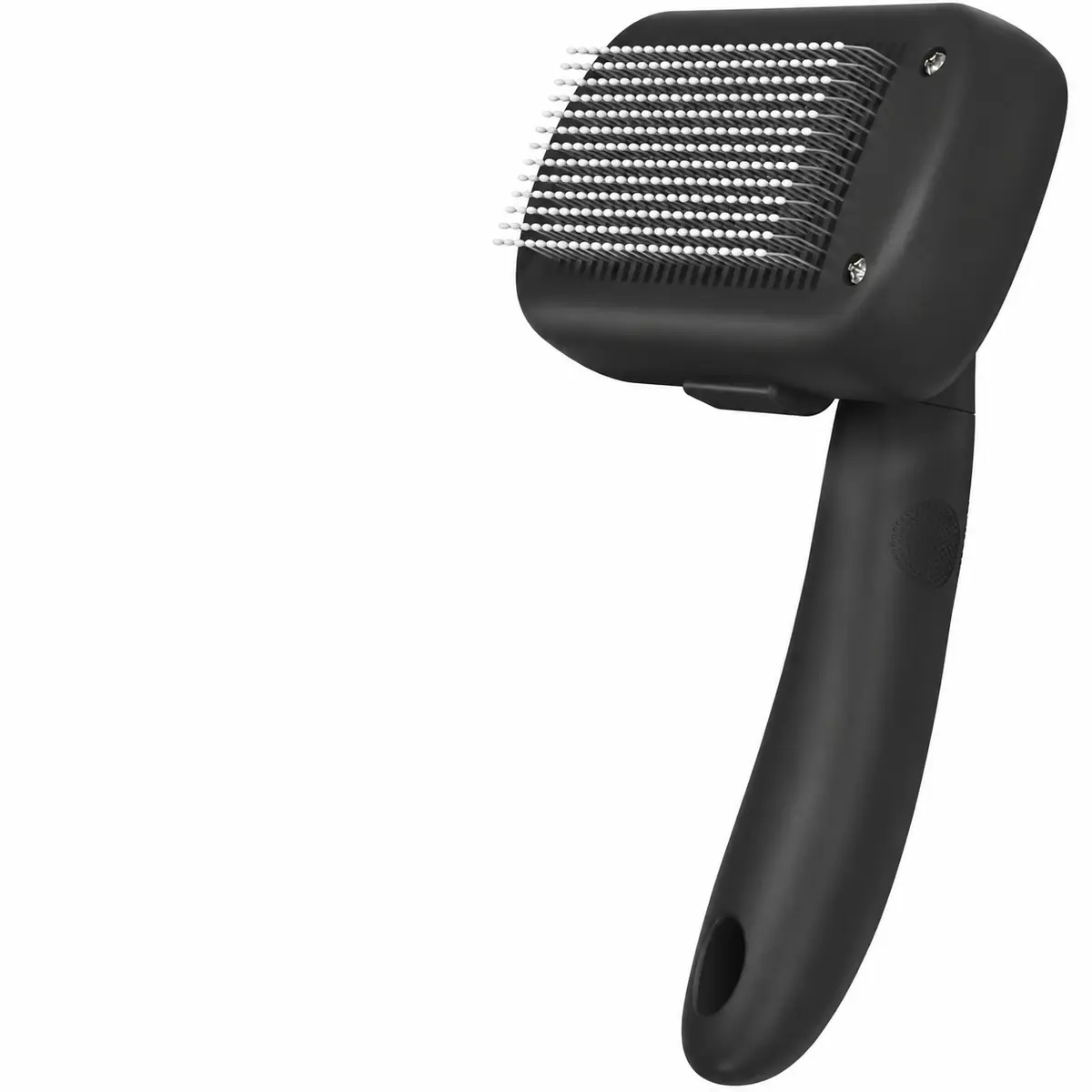
So the key tool is one that reaches the undercoat; deshedding tools are the place to start. The AKC's brush guide describes undercoat rakes as having one or two rows of metal pins that reach the undercoat to remove loose fur and prevent mats, and says to match pin length to the coat. A slicker finishes the job on the outer coat.
Undercoat rake, slicker, deshedding tool and comb compared
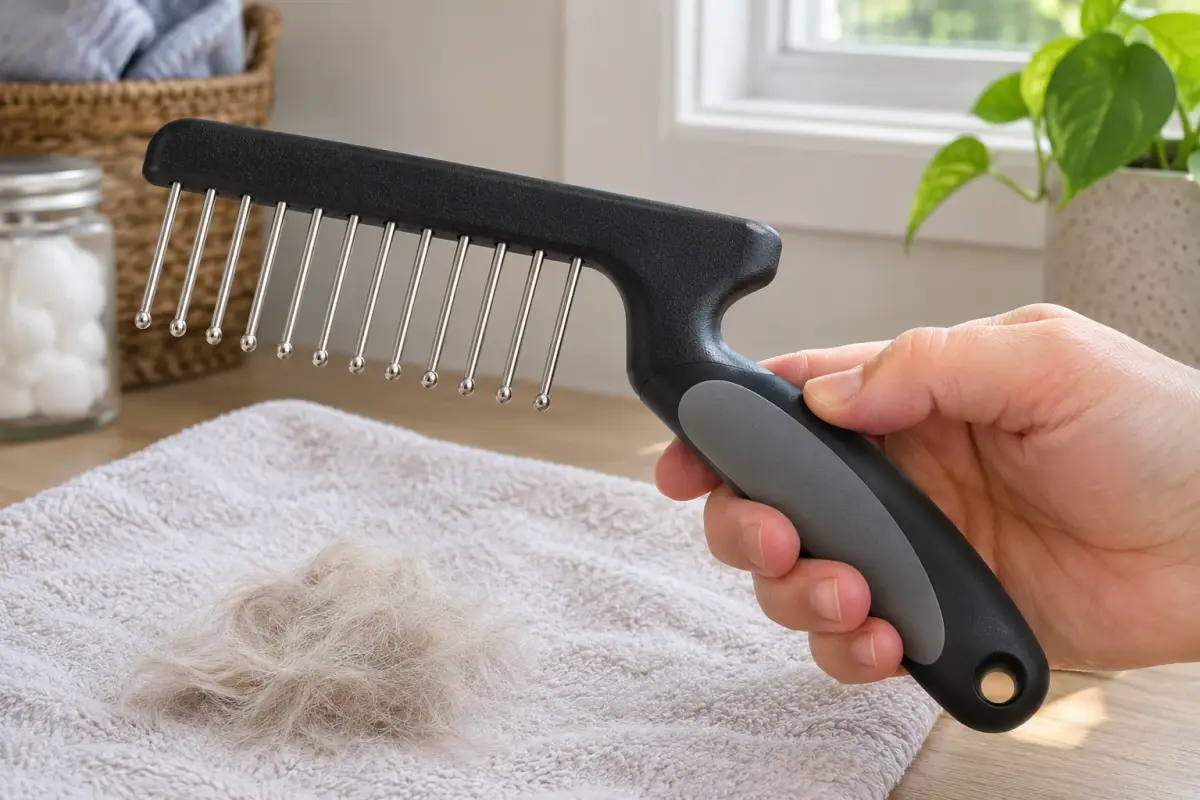
Undercoat rakes with rounded pins about half an inch to an inch long suit most Corgis. They pull loose undercoat without cutting the outer coat. Slicker brushes, with fine bent wires, remove loose hair from the surface and tidy the feathering on the chest, legs and rear. A medium-tooth metal comb checks for tangles.
Bladed deshedding tools remove a lot of undercoat fast, but they can cut and thin the outer guard hairs if used too often or pressed hard, so many groomers use them sparingly on Corgis. Rubber curry brushes and grooming gloves are gentle for short sessions and for dogs that dislike metal tools.
Best tools for each Corgi
For a typical adult Corgi, a medium undercoat rake, a slicker and a grooming comb cover everything. For a fluffy Corgi, which has a longer coat, add a wide-tooth comb and brush more often, since fluffy coats mat more readily. For a puppy, a soft slicker and short, positive sessions build tolerance.
For a Cardigan Corgi, slightly larger, the same tools apply. For a senior Corgi with sensitive skin, a rake with rounded pins and a soft slicker, used gently, are kindest. During blowout, a high-velocity dryer after a bath loosens huge amounts of undercoat, as the AKC notes for dense coats.
What to avoid
Avoid shaving a Corgi to reduce shedding. The AKC's double-coat guidance says shaving does not eliminate shedding, damages the coat and can increase skin issues and sunburn. Avoid pressing hard with a rake or deshedding tool, and avoid brushing a dry, dirty coat roughly, which breaks hair.
Avoid ignoring mats behind the ears and on the rear; they pull at the skin. If you find hot spots, sores, bald patches or flaky, red skin while brushing, have your vet check them, since those are not normal shedding.
How to brush a Corgi
Work in sections. Use the rake in the direction of hair growth, pulling out loose undercoat with short strokes and lifting the tool away, as the AKC describes. Then use the slicker on the outer coat and feathering. Finish with the comb, which should pass through to the skin without catching.
Pay attention to the britches, the ruff around the neck, behind the ears and the belly. A light mist of water or a grooming spray reduces static and breakage. Keep sessions short and reward your dog; many Corgis learn to enjoy brushing as one-on-one time.
How often to brush, and tool care
Brush two or three times a week most of the year, and daily during a blowout, which can last two to three weeks. The AKC notes combing a few times a week helps prevent mats. Regular brushing also keeps hair off your floors and furniture.
Pull hair from tools after each session, and wash them occasionally. Replace a slicker when pins bend out of line and a rake when pins loosen or bend. Good tools last years and make each session quicker, so it pays to compare dog brushes and deshedding tools before you buy.
Brush and comb working surfaces
| Tool | Physical construction | Check before use |
|---|---|---|
| Undercoat rake | Longer spaced teeth | Rounded ends and spacing |
| Slicker | Fine bent wires | Pin condition and pressure |
| Metal comb | A row of teeth | Spacing and catching |
| Bladed tool | An edged working surface | Exact instructions and coat-care guidance |
| Rubber curry | A molded rubber working face | Surface condition and cleaning |
Common questions
What is the best deshedding brush for a Corgi?
An undercoat rake with rounded pins is the main tool. Bladed deshedding tools remove a lot of hair but can cut guard hairs, so use them sparingly and gently.
How often should I brush my Corgi?
Two or three times a week, and daily during the spring and fall blowouts. Regular brushing prevents mats and reduces hair around the house. A few minutes at a time is enough.
Can I shave my Corgi to stop shedding?
No. Shaving does not stop shedding and can damage the double coat and expose the skin to sunburn. Brush and bathe instead. A groomer can help during a heavy blowout instead.
Do Corgis need professional grooming?
Not usually, if you brush regularly. Many owners use a groomer during heavy shedding for a bath and blow-out, which removes large amounts of undercoat.
Sources we checked
This guide is general information, not veterinary advice. If your pet is unwell or injured, contact your veterinarian.