Care & how-to
Do Corgis Shed? Yes, Every Day: What to Know
Yes, Corgis shed a lot for their size. Both Pembroke and Cardigan Welsh Corgis have short, thick, weatherproof double coats that shed daily, with heavier shedding during seasonal coat changes, often late spring into early summer. The AKC suggests a daily once-over with a comb and slicker brush for Pembrokes. Corgis are not a good fit if you want a low-shedding dog.
By Matt GarnettUpdated November 9, 20264 min read3 sources
How much Corgis shed
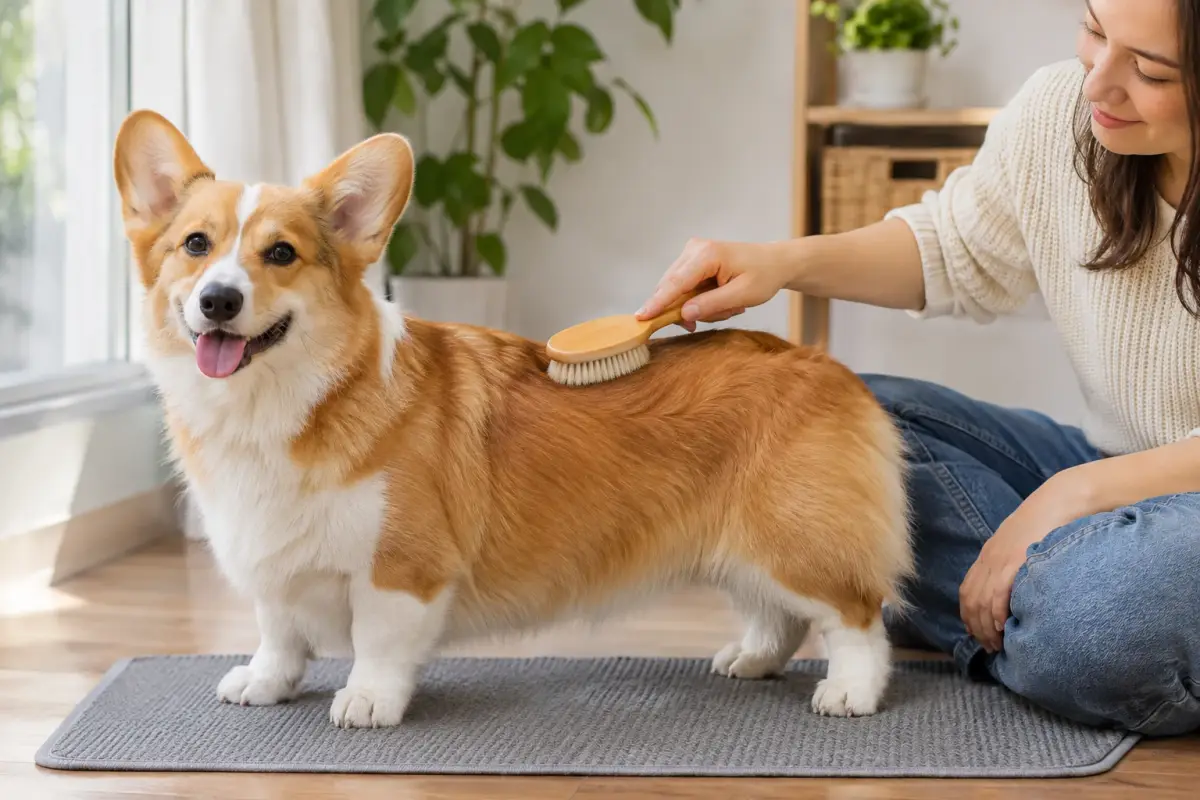
Corgis may be small, standing about 10 to 12 inches tall and weighing around 30 pounds for a Pembroke, but their coat is built for herding cattle in wet, cold weather. It is a short to medium, thick double coat: a weatherproof outer layer over a dense, soft undercoat. The AKC describes Pembrokes as shedding a fair amount daily, with heavier shedding at the end of spring or in early summer.
Cardigans, the slightly larger Corgi with a long tail, have a similar coat and also shed year-round with seasonal peaks. Owners of both breeds often say the amount of hair is out of proportion to the size of the dog, because a low-slung Corgi sheds right at floor level. A good deshedding tool is one of the first things most Corgi owners end up reaching for.
When Corgis shed most
Corgis blow their undercoat during seasonal changes, most noticeably in late spring and early summer as they lose their winter coat, and often again in fall. During a blow, soft undercoat comes out in clumps and tufts. Indoor dogs may shed more evenly through the year.
Spayed or neutered Corgis sometimes grow a fuller, fluffier coat. Some Corgis carry a fluffy coat gene, which gives a longer, silkier coat; fluffies need more brushing to avoid tangles but still shed.
A brushing routine for Corgis
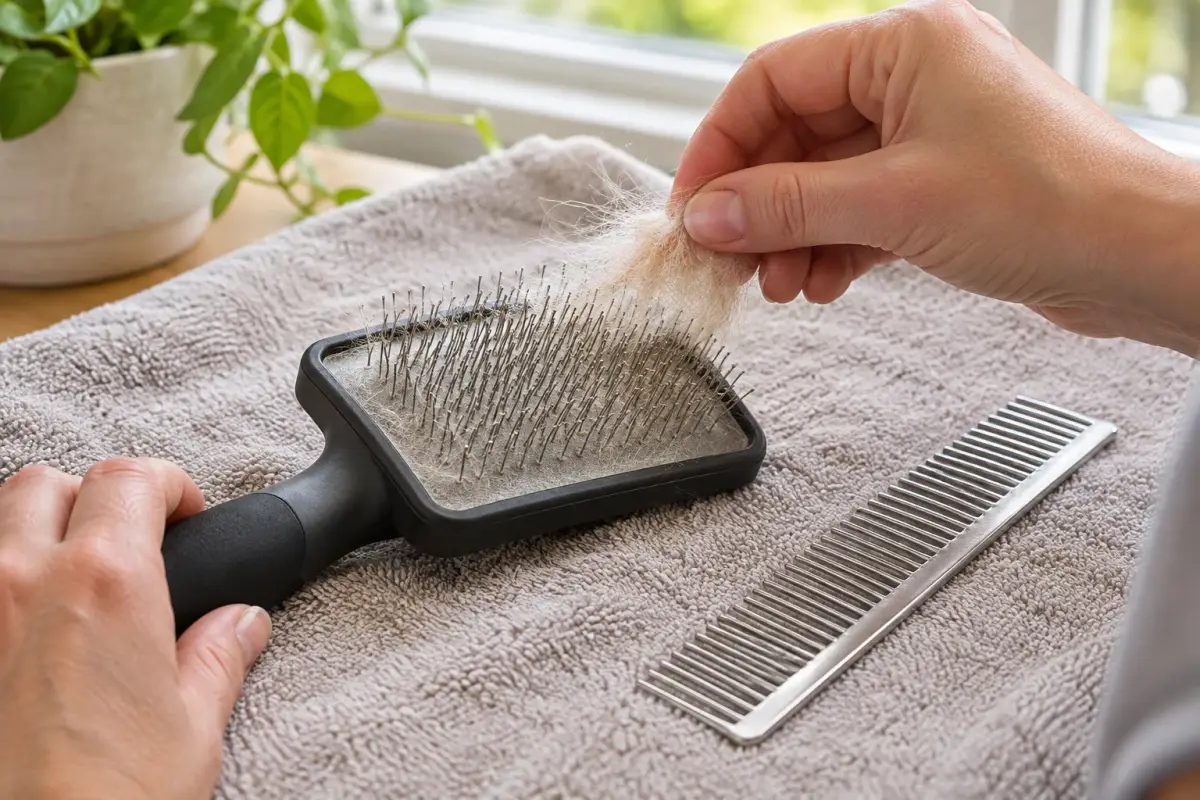
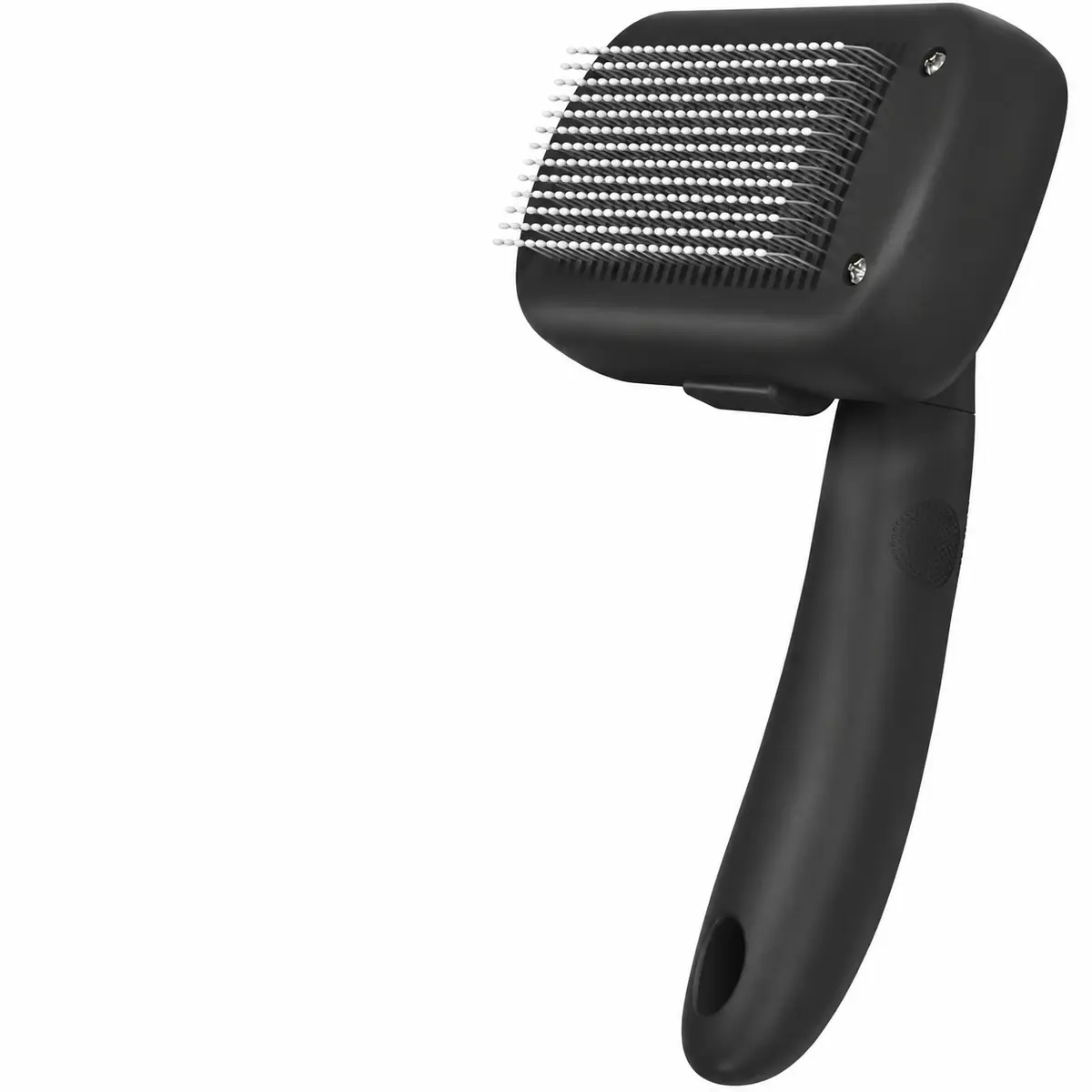
The AKC recommends a daily once-over with a comb and slicker brush for Pembrokes to keep loose hair under control. For Cardigans, at least weekly brushing with a shedding blade, slicker brush or fine pin brush is the baseline. During a coat blow, an undercoat rake or deshedding tool pulls out loose undercoat far faster than a brush alone.
Brush in the direction of growth, paying attention to the thick ruff around the neck, the pants on the back legs and the base of the tail. Short daily sessions are easier on your dog and you than a long weekly battle. Start handling and brushing your puppy early so grooming becomes routine.
Baths, trimming and shaving
Corgis do not need frequent baths; every couple of months, or when dirty, with a gentle dog shampoo is usually enough. The AKC notes a shedding-control shampoo can help loosen hair, especially with a thorough dry and brush afterward. Trim the hair between the paw pads and keep nails short, since the AKC also recommends regular nail trims and ear checks for Pembrokes.
Corgis do not need haircuts, and shaving a double coat is not recommended. It can leave the coat patchy as it regrows and removes protection from sun and weather, and it does not stop shedding.
Keeping Corgi hair under control at home
Because Corgis are low to the ground, their hair collects on floors, rugs and the lower edges of furniture rather than on the couch cushions. A robot or stick vacuum run every day or two during shedding season saves a lot of work, and washable rugs are easier than wall-to-wall carpet. A rubber glove or damp rubber broom pulls short undercoat out of fabric and carpet quickly.
Brushing your Corgi outdoors with a deshedding tool keeps most of the loose undercoat out of the house, and wiping it down with a damp cloth after brushing picks up the last stray hairs. Wash its bedding weekly. If anyone at home has allergies, keep the Corgi out of the bedroom and consider a HEPA air purifier in the main living area.
When to check with your vet
Normal Corgi shedding leaves healthy skin underneath. Call your vet if you see bald patches, thinning fur, red, flaky or scabby skin, a bad smell, constant scratching or licking, or a sudden change in shedding outside the usual seasons. Allergies, fleas, skin infections and hormonal conditions can all cause excessive hair loss.
Corgis also tend to gain weight easily, and an overweight dog may struggle to groom itself and develop skin problems in its folds. Keeping your Corgi lean helps its back, joints and coat.
This page is general information, not veterinary advice, and it cannot replace an examination by the vet who knows your pet.
Common questions
Do Pembroke or Cardigan Corgis shed more?
Both shed heavily, with daily shedding and seasonal peaks. Cardigans are slightly larger, so there is a little more coat, but the difference is small. Plan on frequent brushing with either breed.
Can you shave a Corgi in summer?
It is not recommended. The double coat helps protect against heat and sun, and shaving can damage how it grows back. Keep your Corgi cool with shade, water and brushing out the loose undercoat instead.
Are Corgis good for people with allergies?
Usually not. Corgis shed heavily and produce allergens in dander and saliva like all dogs. Spend time with Corgis before committing if anyone in the household has dog allergies.
Sources we checked
This guide is general information, not veterinary advice. If your pet is unwell or injured, contact your veterinarian.