







Dogs
Slicker brushes
More care. More cuddles.
34 items picked for everyday life with your pet, with shipping estimates on every item.
 For the moments that bring you closer.
All dogs grooming & hygiene →Dog bath brushes →Dog nail clippers →Dog combs →Dog nail grinders →Dog paw balm →Dog paw cleaners →Dog brushes →Dog drying towels →Dog grooming tables →Deshedding tools →Puppy pads →Dematting combs & tools →
↗Tracked US shippingEstimates on every item↶Returns & refundsHow it works♡Here to helpTalk to Giddy Pets
All slicker brushes
Little essentials. Lots of love.


Cat brushes
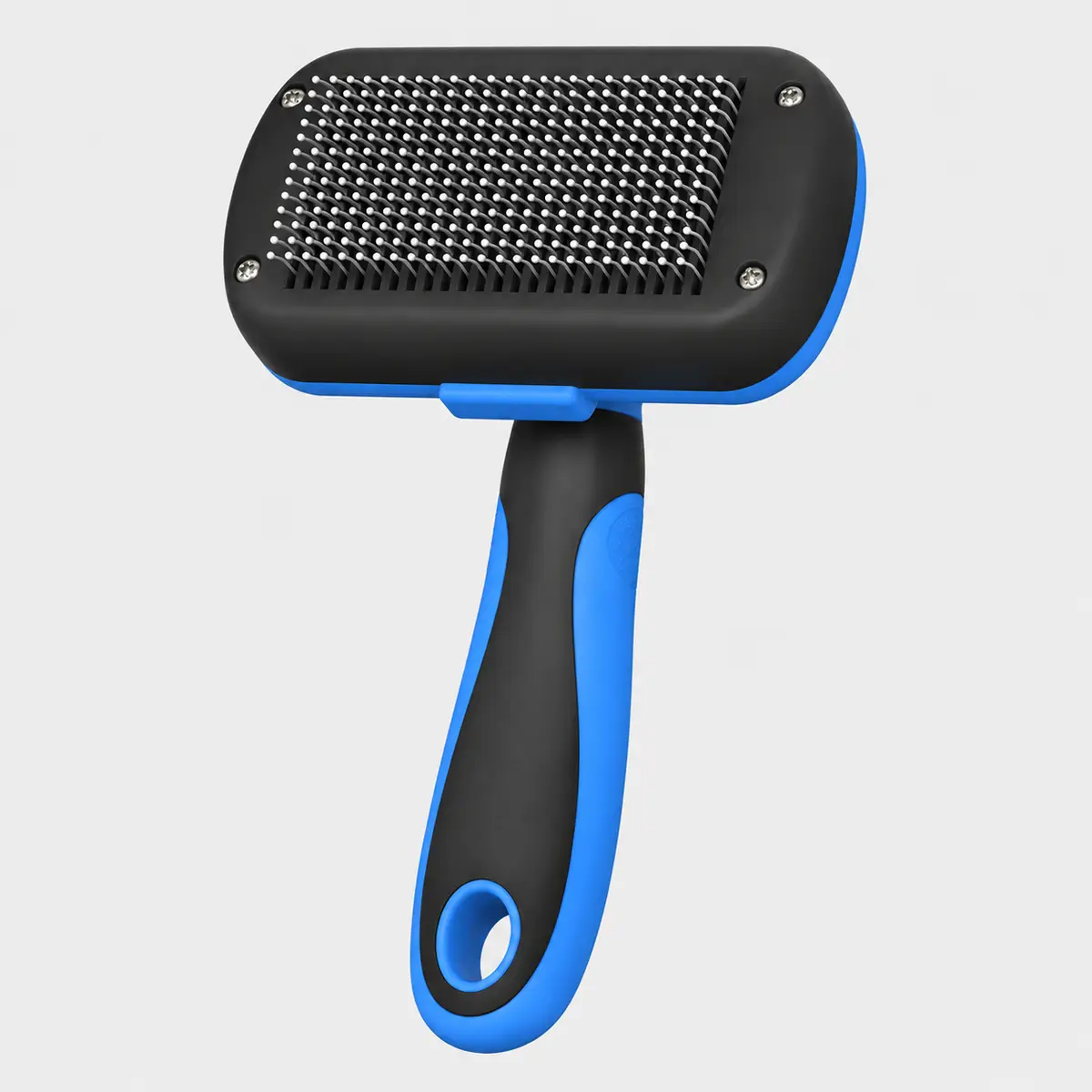
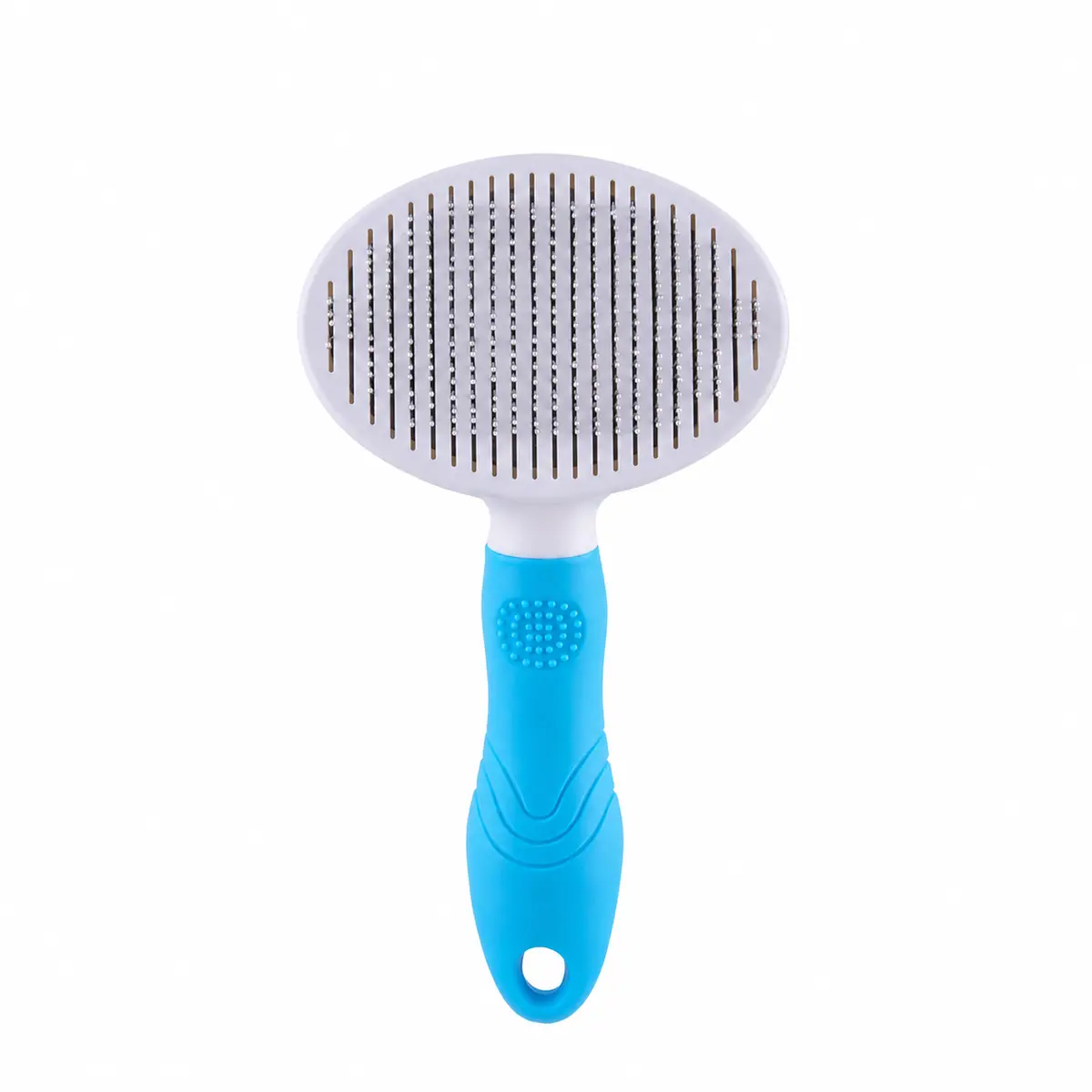
Self-Cleaning Pet Slicker Brush with Stainless Steel Pins
- Options
- 18 to choose from
From $14.99


Slicker brushes
Rectangular Pet Grooming Brush with Lift-Up Cleaning Plate
- Options
- 2 to choose from
$18.99
Slicker brushes
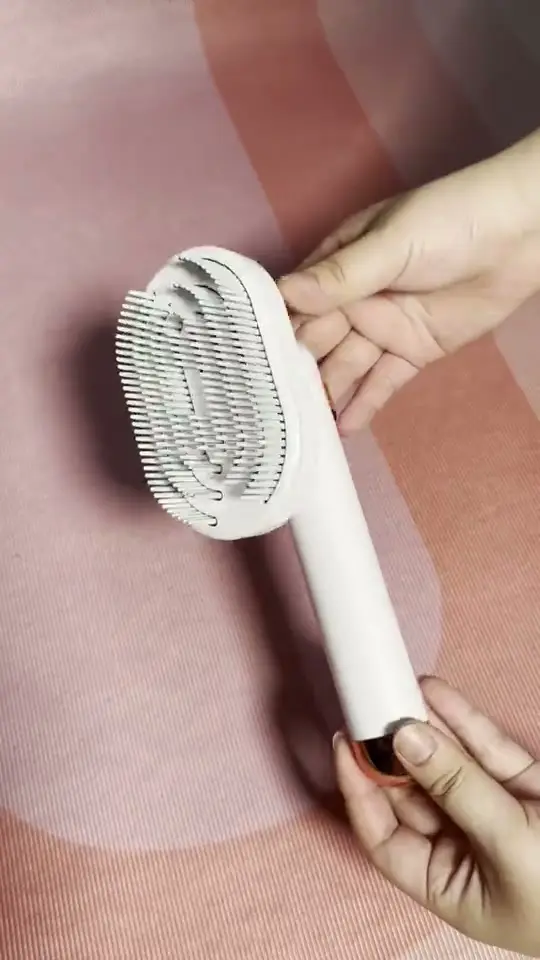
Rotating-Head Pet Grooming Brush with Hair-Release Slider
- Options
- 3 to choose from
$17.99


A little guidance
Help choosing slicker brushes
Buying guides and care advice written for this range: what to measure, what matters and what to skip.
From our guides
- Best Brush for Doodles: How to Keep a Curly Coat Mat-Free →
- Do Poodles Shed? Very Little, but There's a Catch →
- Best Brush for Labradoodles: Keeping a Doodle Coat Mat-Free →
- Best Dog Brush for Shedding: How to Choose a Deshedding Tool →
- Best Dog Brushes: How to Choose One for Your Dog's Coat →
- Best Brush for Huskies: How to Choose Tools for a Double Coat →
This page focuses on slicker brushes: self-cleaning slickers with retractable pins that release fur at the press of a button, skin-friendly deshedding slickers, slicker grooming brushes for dogs and cats, and pet hair dryers with a slicker brush head for drying and fluffing at once. It is for owners of medium and long-coated dogs and cats who tangle. For combs, rakes and other tools, see our dog grooming pages, including Undercoat Rakes and Dog Combs.
What a slicker brush does
A slicker brush has a flat or slightly curved pad covered in fine, short wire pins, often bent at the tips. Those pins catch loose hair, small tangles and debris from the top layers of the coat, leaving it smooth. It is the everyday brush for many breeds that have medium, long, curly or wiry coats.
Slickers suit doodles, poodles, Yorkies, shih tzus, golden retrievers and long-haired cats in particular. On a short, smooth coat such as a Boxer's, a rubber curry brush or grooming mitt is usually more comfortable and more useful.
Self-cleaning slickers
The self-cleaning design is the main reason slickers are popular. After brushing, you press a button and the pins retract, so the collected hair slides off the pad in one sheet. That saves the fiddly job of picking fur out of the pins and makes it more likely you will brush often.
Look for pins with rounded or coated tips, described as skin-friendly, and a comfortable grip. A larger pad covers big dogs faster, while a small pad is easier to use around the face, legs and on cats.
How to brush without scratching the skin
Fine pins can scratch if pressed down hard, which is called brush burn. Hold the slicker lightly, let the pins glide through the coat rather than digging in, and work in short strokes in the direction of hair growth. Brush a small section at a time, lifting the hair with your other hand.
For thick or long coats, use the line-brushing method: part the hair, brush the layer below the part, then move the part a little further along. Follow up with a comb to check you have reached the skin, because a slicker can smooth the surface while mats hide underneath.
Slicker dryers and mats
Pet hair dryers with a slicker head blow warm air through the coat as you brush, which helps fluff and straighten curly or long coats after a bath. Keep the heat low and the brush moving, and test the air on the inside of your wrist first.
Slickers work well on small tangles, but tight mats close to the skin need more care. Do not drag a slicker through a solid mat; it hurts and can damage skin. Use a dematting comb, work in from the ends, or ask a groomer to clip it out safely.
What is a slicker brush used for?
A slicker brush removes loose hair, small tangles and debris from medium, long, curly and wiry coats. It smooths the coat and is often the main everyday brush for doodles, poodles and long-haired cats.
Can a slicker brush hurt my dog?
It can scratch if pressed too hard. Use light pressure, choose pins with protective tips, and brush in the direction the hair grows. Never drag a slicker through a tight mat.
How often should I use a slicker brush?
Long and curly coats often benefit from brushing several times a week or daily. Medium coats may need it weekly. More frequent, short sessions prevent tangles from turning into mats.
Can I use a slicker brush on a cat?
Yes, on medium and long-haired cats, with a gentle touch. Choose a small pad and skin-friendly pins, and stop if your cat becomes restless. Short-haired cats may prefer a rubber brush.