







Dogs
Dog paw balm
Little things. Happy tails.
21 items picked for everyday life with your pet, with shipping estimates on every item.
 A happy life, one little thing at a time.
All dogs grooming & hygiene →Dog bath brushes →Dog nail clippers →Dog combs →Slicker brushes →Dog nail grinders →Dog paw cleaners →Dog brushes →Dog drying towels →Dog grooming tables →Deshedding tools →Puppy pads →Dematting combs & tools →
↗Tracked US shippingEstimates on every item↶Returns & refundsHow it works♡Here to helpTalk to Giddy Pets
All dog paw balm
Little essentials. Lots of love.




A little guidance
Help choosing dog paw balm
Buying guides and care advice written for this range: what to measure, what matters and what to skip.
From our guides
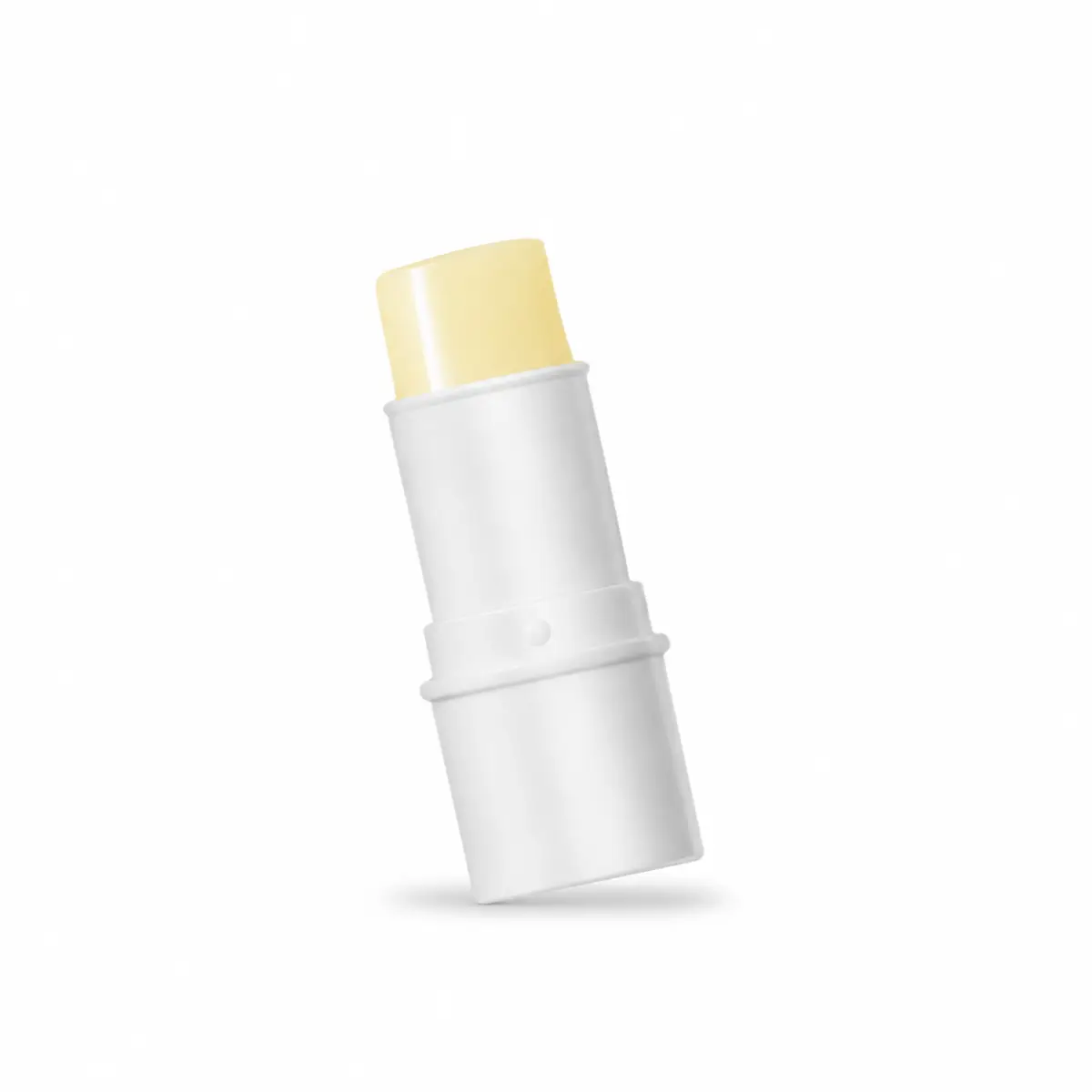
This page brings together paw care for dogs and cats: moisturizing paw balms and creams, anti-crack paw care cream, paw wax that forms a barrier on winter walks, convenient ointment sticks, coconut oil paw and nose balms, paw and nose lotions, and nail and paw moisturizers. They are for dogs who walk on salted sidewalks, hot pavement or rough trails, and for dry, cracked pads in any season. The guide below covers using balm well.
Why paws need care
Paw pads are tough, but they are not invulnerable. Winter brings ice, snow and deicing salt, which can dry and crack pads and irritate the skin between the toes. Summer brings hot pavement and sand. Hiking dogs face rough rock and gravel. Indoors, dry heated air can leave pads rough too.
A paw balm or wax does two jobs. Applied before a walk, it adds a light protective barrier. Applied after a walk or at bedtime, it moisturizes and helps soften dry, rough pads. Nose balms work the same way for dry, crusty noses.
Winter walks, salt and ice melt
The ASPCA recommends massaging petroleum jelly or a paw protectant into the pads before going outside to help protect them from salt and chemical agents, and wiping paws after every walk. Paw wax works the same way and is the reason many owners keep a tin by the door from November to March.
Most salt and ice melt products can irritate paw pads and can make a dog sick if licked off the feet. Rinse or wipe paws with warm water after walks, dry them well, and check between the toes for redness and cracks. Booties give the most complete protection for dogs who accept them.
How to apply paw balm
Apply a thin layer to clean, dry pads and massage it in. Ointment sticks are quick and tidy; creams and waxes are applied with a fingertip. Distract your dog for a minute or two with a treat or a game, so the balm absorbs rather than being licked straight off.
Use balm a few times a week for maintenance, or daily on dry pads in winter. A light coat is enough; too much makes paws slippery on hard floors. Trimming the hair between the toes also helps prevent ice balls forming on winter walks.
When to see a vet
Balm helps dry, rough pads, but it does not heal wounds. See your vet if a pad is deeply cracked, bleeding, swollen or ulcerated, if your dog limps or licks one paw constantly, or if the skin between the toes is red, hot or oozing. These can be signs of injury, infection or allergies.
Check that any balm is labeled for pets, since dogs lick their paws. If your dog has a reaction after a new product, such as redness or itching, stop using it.
This page is general information, not veterinary advice, and it cannot replace an examination by the vet who knows your pet.
Is paw balm good for dogs?
Yes. Paw balm moisturizes dry pads and can add a protective barrier against salt, ice and rough surfaces. Choose a product made for pets, since dogs lick their paws.
How often should I put balm on my dog's paws?
A few times a week for maintenance, and daily for dry or cracked pads in winter. Apply before walks for protection and after walks or at bedtime to moisturize.
What is the difference between paw wax and paw balm?
Paw wax is usually thicker and sits on the pad as a barrier before walks. Paw balm and cream soak in more to moisturize. Many products do a bit of both.
Can I use paw balm on my cat?
Many paw balms on this page are labeled for dogs and cats. Check the label before using any product on a cat, and apply only a thin layer, since cats groom their paws.
Does paw balm help with salt on sidewalks?
A balm or wax applied before a walk adds a barrier against salt and ice melt. Wipe or rinse paws afterward to remove residue, since salt can irritate pads and is harmful if licked.