Care & how-to
Dog Paw Burns and Summer Heat Safety
Hot pavement can burn a dog’s paws, and a hot outing can also lead to dangerous overheating. Check the surface as well as the weather, choose cooler times and routes, and shorten the plan when conditions are unsuitable. Limping or damaged pads need veterinary advice; difficulty breathing, confusion, or collapse requires immediate veterinary care.
By Matt GarnettUpdated November 10, 20264 min read4 sources
Assess the surface rather than the forecast alone
The AKC warns that asphalt, concrete, sand, metal, and artificial turf may become hot enough to harm paw pads. The air temperature does not tell you exactly how a particular surface feels. Check the ground along the intended route, including exposed sections between patches of shade.
The AKC suggests testing the pavement with your hand before walking. If it is too hot to keep your hand comfortably on it, choose another surface or wait. Do not use the test as a promise of safety for every dog; keep watching the animal and conditions throughout the outing.
Change when and where you walk
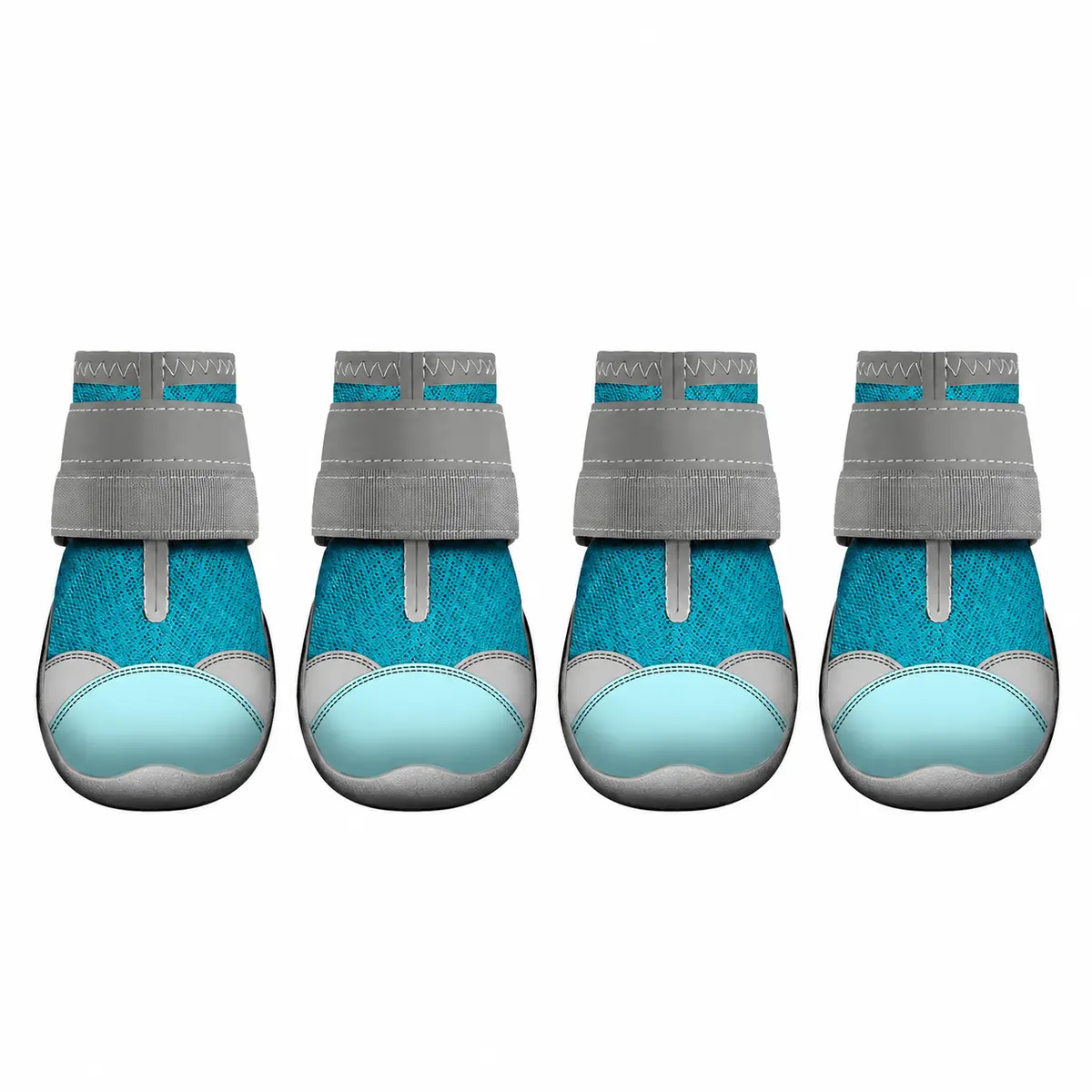
Choose cooler morning or evening outings and seek suitable shaded or grassy areas. A routine that worked in mild weather may need to become shorter, slower, or different during a hot spell. On unavoidable stretches of hot ground some owners try dog boots for hot pavement, and a travel water bottle for dogs keeps a drink available at each stop, but neither replaces checking the surface first. There is no benefit in completing a planned distance when the route is making the dog uncomfortable.
Pay attention to the whole journey, not only the main walk. Parking lots, event entrances, and stops during car travel can expose paws to hot ground too. Plan where the dog can stand comfortably before opening the vehicle or joining a queue in an exposed area.
Treat paw discomfort as a reason to stop
If your dog starts limping, becomes reluctant to walk, or appears to have painful or damaged pads after crossing a hot surface, stop the outing and move to a safe, cooler place. Arrange veterinary advice rather than trying to finish the route and inspect the feet later.
Merck notes that burns can be difficult to evaluate and that severe pain or large or deep burns need immediate care. Do not judge seriousness only by the size of the mark you can see. Tell the clinic what surface was involved, when it happened, and whether the dog can bear weight.
Watch panting in the context of the whole dog
VCA explains that dogs rely heavily on panting to release heat. Excessive panting and distress during heat deserve attention, especially in short-nosed dogs or those with medical conditions. Stop activity and move out of the heat rather than using a dog’s willingness to keep following you as reassurance.
Weakness, confusion, loss of coordination, collapse, or difficulty breathing needs urgent veterinary care. Call your veterinarian or the nearest emergency clinic immediately. Do not wait to obtain a temperature reading or prove that heatstroke is the diagnosis before seeking help.
Keep parked cars out of the plan
The AKC warns that cracking windows does not prevent dangerous heating in a parked vehicle. Never leave your dog alone in the car while you run an errand. Plan stops and destinations so a responsible person stays with the animal or the dog can safely remain with you.
Restraint matters while driving as well. Keep the dog secured away from the driver, and check the ground before letting it out at a stop. The route should provide somewhere safe for the animal, not merely a convenient parking place for the people.
Prepare for help instead of improvising treatment

Have your veterinarian’s contact details and an emergency clinic option available before a summer outing. Pack water for the trip, and plan a cool place to rest afterward, such as a dog cooling mat at home or a travel water bottle for dogs in the car. Merck recommends calling ahead during an emergency so the clinic can advise on first aid and safe transport. Describe breathing, alertness, movement, and the exposure clearly.
For suspected heat illness, remove the dog from the heat while arranging immediate veterinary care and follow the clinic’s cooling instructions. Do not give human pain medicines for sore paws or assume a dog that seems brighter after resting no longer needs the advice you were given.
This page is general information, not veterinary advice, and it cannot replace an examination by the vet who knows your pet.
Common questions
How hot is too hot to walk a dog?
Consider the ground, humidity, the dog’s health, and how it is responding rather than relying on one air temperature. Check surfaces, choose cooler times, and change the outing when conditions are unsuitable.
Can grass or shade make a hot walk safe?
A suitable shaded or grassy route may reduce exposure to hot pavement, but it does not remove heat risk. Continue watching breathing, comfort, and behavior, and provide a cooler alternative when needed.
Is heavy panting in the heat an emergency?
Excessive panting with distress, weakness, confusion, poor coordination, collapse, or breathing difficulty needs immediate veterinary attention. Move the dog out of the heat and call rather than attempting to establish a diagnosis first.
Can I leave my dog in a car with the windows cracked?
No. The AKC warns that opening windows does not prevent dangerous temperature increases. Arrange errands and rest stops so your dog is supervised and has a safe place to remain with a responsible person.
Sources we checked
This guide is general information, not veterinary advice. If your pet is unwell or injured, contact your veterinarian.