







Dog shoes & boots
Breathable Dog Boots with Hook-and-Loop Straps and Non-Slip Soles
- Options
- 6 to choose from
From $29.99
Free US shipping over $49 · 30-day free returns · Happy pets, happy homes
Pet care guidesDogs
Ready for any weather.
7 items picked for everyday life with your pet, with shipping estimates on every item.
 Snug, dry and looking the part.
Dog shoes & boots
From $29.99
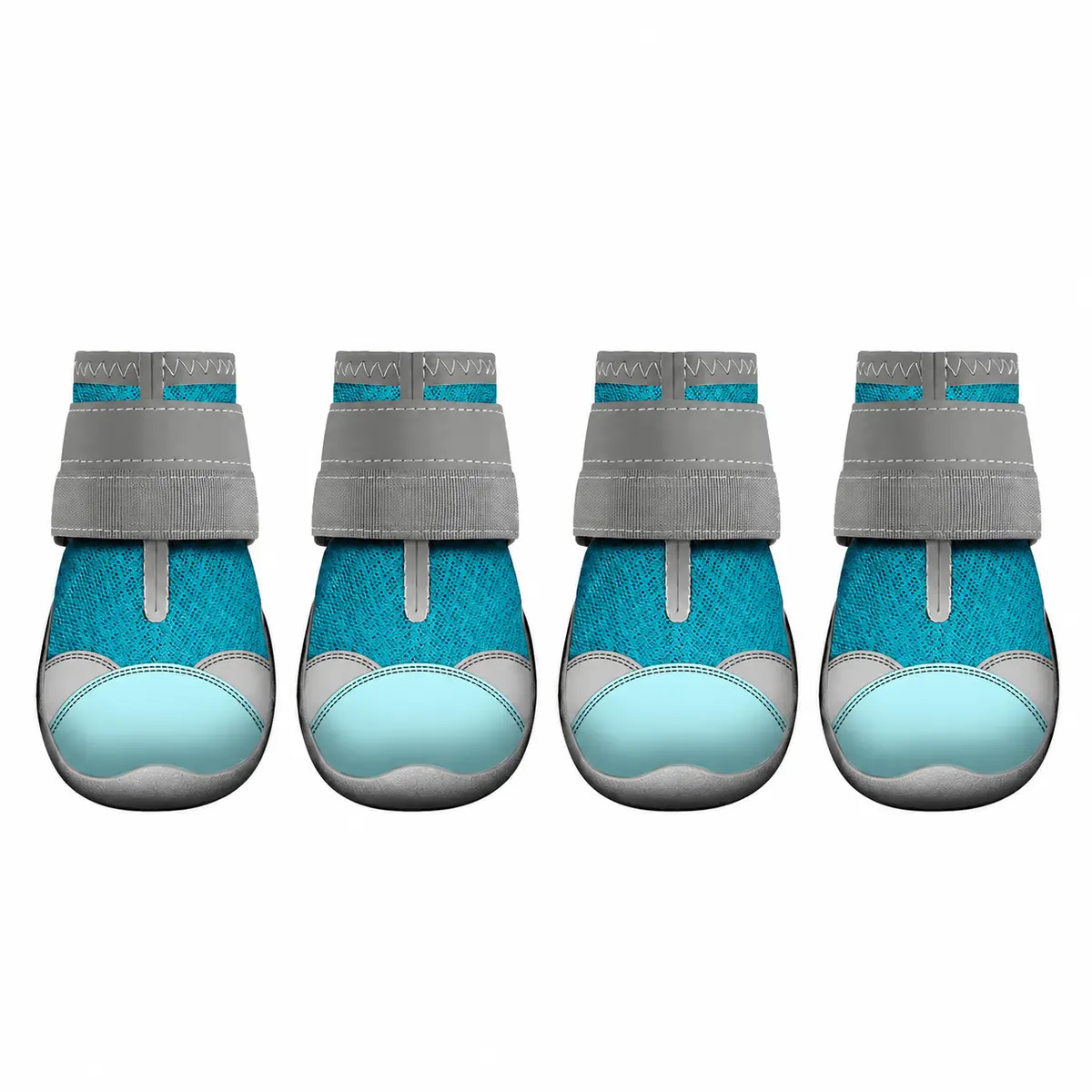


Dog boots for hot pavement
$14.99

Dog shoes & boots
From $29.99


A little guidance
Buying guides and care advice written for this range: what to measure, what matters and what to skip.
Shop dog paw protection for hot pavement: breathable mesh dog boots with zips, mesh boots with reflective straps, summer boots sold as sets of four, and lightweight breathable EVA boots. This page narrows our Dog Boots range to warm-weather footwear that shields pads from hot asphalt, sidewalks, sand and decking without trapping heat. Below is how to tell when pavement is too hot, how to measure paws, and how to get a dog walking normally in boots.
Asphalt and concrete soak up sun and stay hot long after the air cools. The AKC notes that at an air temperature of 86 degrees Fahrenheit, asphalt can reach about 135 degrees, and that pavement can become dangerously hot from around 85 degrees, especially if it has had no chance to cool. Paw pads can blister in that heat.
The AKC's simple test is to press the back of your hand on the pavement for ten seconds. If it is too hot for your hand, it is too hot for your dog's paws. Do the test before every summer walk, not just on the obviously hot days.
Summer boots have to protect the pad from heat while letting the foot breathe. The mesh uppers on most boots here allow airflow, and EVA boots are light and flexible. The AKC recommends lightweight, breathable boots for hot pavement, and warns against materials that trap moisture between the toes, which can lead to yeast infections.
Dogs sweat through their paw pads, so a heavy winter boot in summer can overheat the foot. Keep insulated, waterproof boots for snow and salted roads, and use these lighter boots from late spring to early fall.
Stand your dog on a sheet of paper, with weight on the paw, and trace around the foot including the nails. Measure the widest part and the length, then compare with the size chart, adding a little room. The AKC suggests this tracing method for shopping online.
Front paws are often larger than back paws, so measure both. If your dog is between sizes, choose the size that fits the wider measurement. A boot that is too big will twist and slip; one that is too tight will rub.
Look for closures that wrap snugly above the paw. The AKC advises wrap-around closures with full-foot grip soles. Zip-up mesh boots open wide for easy fitting, and reflective hook-and-loop straps hold the boot firmly while helping drivers see your dog on evening walks.
Tighten the strap just above the wrist or hock, snug enough that it does not slide down but loose enough to slip a finger under. Check after the first few minutes of walking, since boots often settle and need a quick readjustment.
Most dogs walk oddly in boots at first, lifting their feet high. Put one boot on indoors, reward, then add the rest over several short sessions. Let your dog walk around the house before going outside.
Boots help, but timing helps more. Walk early in the morning or in the evening, choose grassy or shaded routes, and keep midday outings short. Watch for limping, licking the paws or reluctance to walk, and check pads after walks. Blistered, red or peeling pads should be seen by a vet.
On hot days, boots protect paw pads from burns. The best protection is walking early or late on grass, but boots help when you must walk midday on asphalt, sidewalks or hot sand.
Pavement can be dangerously hot from around 85 degrees Fahrenheit air temperature. Press your hand on it for ten seconds; if you cannot keep it there, it is too hot for paws.
Trace your dog's paw on paper while it stands with weight on the foot, then measure the widest part and length. Measure front and back paws, as they often differ.
Boots change how the paw feels the ground, so dogs lift their feet high at first. Short, rewarded practice sessions indoors help most dogs walk normally within a few days.
Choose the right size, fasten the strap snugly above the paw, and check the fit after a few minutes of walking. Boots with zips and wrap-around straps stay on best.