







Dogs
Dog shoes & boots
Ready for any weather.
40 items picked for everyday life with your pet, with shipping estimates on every item.
 Snug, dry and looking the part.
All dogs clothing & boots →Dog winter coats →Dog sweaters →Dog clothes →Dog bandanas →Dog hoodies →Dog raincoats →Dog shirts →Funny dog costumes →Dog bathrobes & drying coats →Dog dresses →Waterproof dog boots →Waterproof dog coats →
↗Tracked US shippingEstimates on every item↶Returns & refundsHow it works♡Here to helpTalk to Giddy Pets
All dog shoes & boots
Little essentials. Lots of love.
Waterproof dog boots
Four Silicone Dog Rain Boots with Wrap Straps
- Options
- 12 to choose from
From $18.99

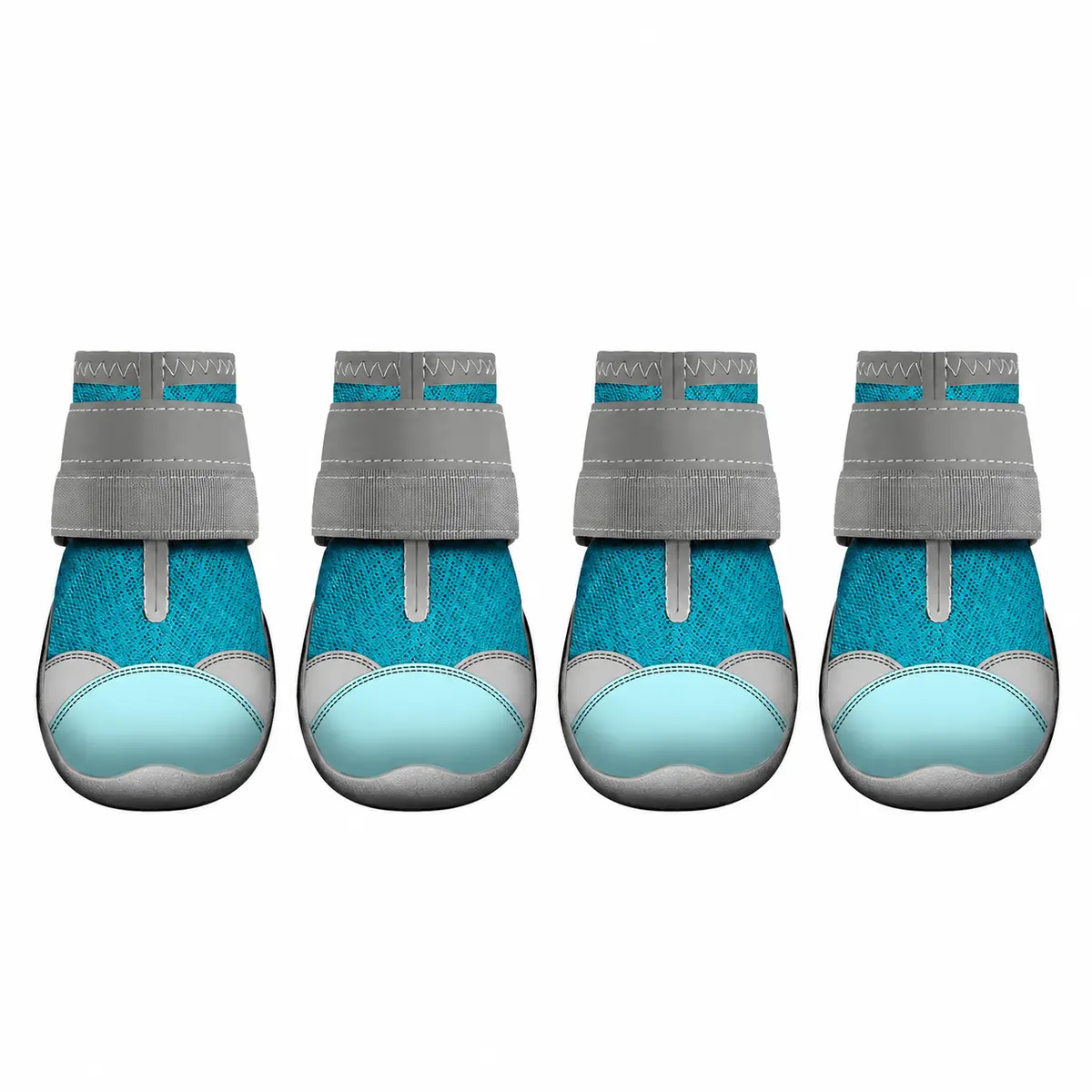
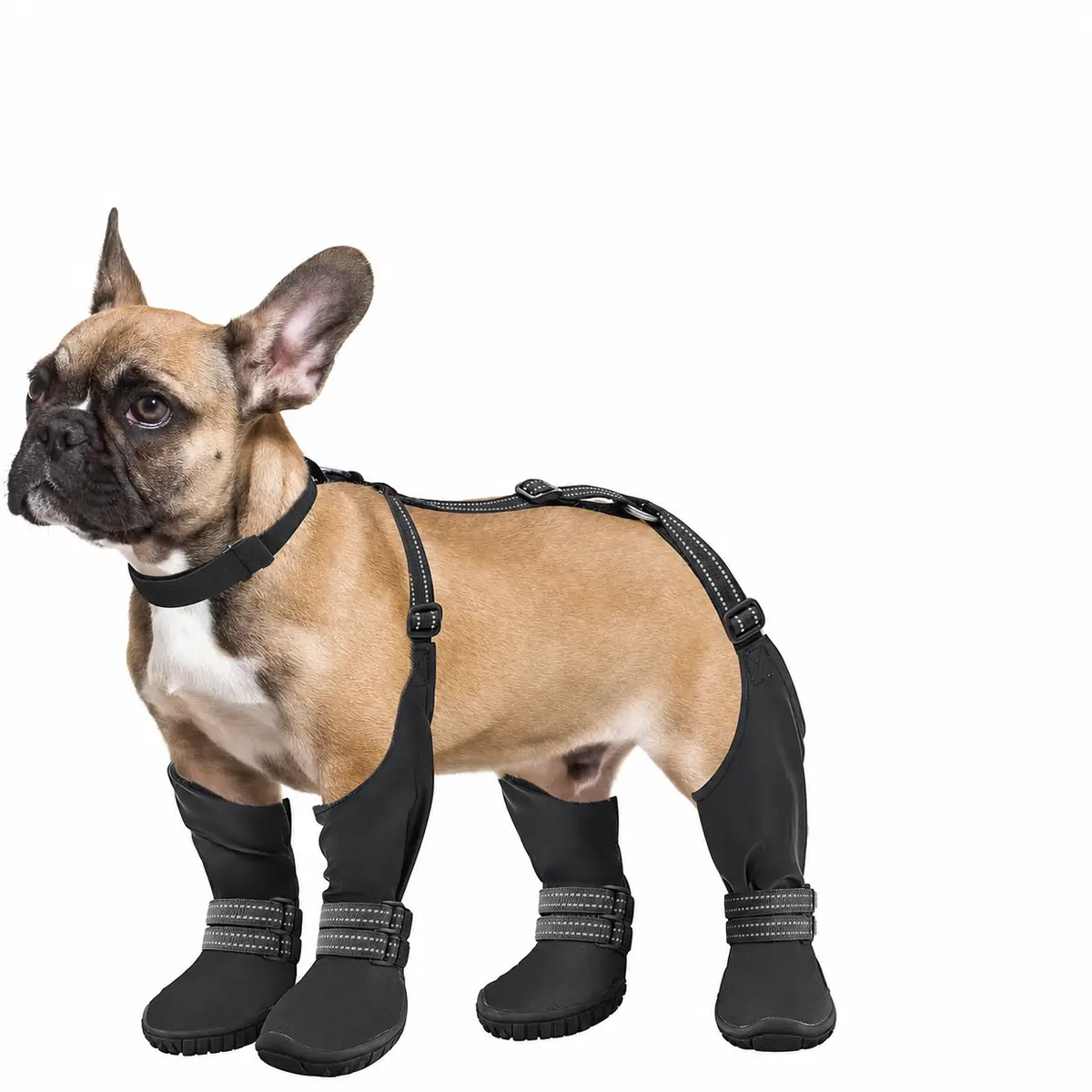


Waterproof dog boots
PU Dog Rain Boots with Ankle Straps and Textured Soles, Set of Four
- Options
- 10 to choose from
$21.99


Dog boots for hot pavement
Breathable Mesh Summer Dog Boots with Reflective Straps
- Options
- 16 to choose from
$14.99

Dog shoes & boots
Black Dog Paw Boot with Strap Closure and Non-Slip Sole
- Options
- 4 to choose from
From $16.99

Waterproof dog boots
Rubber Dog Boots, Set of 4, Waterproof or Breathable
- Options
- 32 to choose from
From $30.99

Dog boots for snow
Plush-Lined Anti-Slip Winter Dog Boots for Small Dogs
- Options
- 24 to choose from
From $16.99


Waterproof dog boots
Silicone Dog Rain Boots with Wide Cuff Straps, One Pair
- Options
- 7 to choose from
From $15.99

Dog boots for snow
Plush-Lined Winter Dog Snow Boots with Anti-Slip Soles
- Options
- 15 to choose from
$26.99

Dog shoes & boots
Breathable Dog Boots with Hook-and-Loop Straps and Non-Slip Soles
- Options
- 6 to choose from
From $29.99

Waterproof dog boots
Waterproof Anti-Slip Dog Boots for Medium and Large Dogs
- Options
- 64 to choose from
From $24.99


Dog boots for snow
Waterproof Anti-Slip Winter Dog Boots with Soft Lining
- Options
- 16 to choose from
$27.99

Dog shoes & boots
Breathable Non-Slip Dog Shoes with Hook-and-Loop Strap, Sizes 1-8
- Options
- 32 to choose from
From $29.99


A little guidance
Help choosing dog shoes & boots
Buying guides and care advice written for this range: what to measure, what matters and what to skip.
From our guides
- Best Dog Boots for Hot Pavement: What Protects Paws →
- Best Dog Boots for Winter and Snow: What to Look For →
- Best Dog Boots: How to Choose a Pair That Fits and Stays On →
- Best Dog Hiking Boots: What Matters on the Trail →
- Do Dogs Need Boots in the Snow? Plus How to Size Dog Boots →
- Best Dog Crocs: Choosing Clog-Style Dog Shoes That Stay On →
Here you will find footwear for dogs: fleece-lined winter and snow boots, waterproof silicone rain boots, reflective anti-slip boots, rubber-soled shoes, breathable canvas shoes, and anti-slip knitted and waterproof socks for indoor grip. Most come as a set of four. The page is for owners facing icy, salted sidewalks, wet walks, hot pavement in summer, or a senior dog sliding on hardwood floors.
Why dogs wear boots
The American Kennel Club lists the reasons: protection from frostbite and ice, from toxic deicers and road salt, from cuts on rough ground, and from heat blisters on hot pavement, plus extra cushioning and insulation. In much of the country that means boots earn their keep in winter, and in the South and Southwest on summer sidewalks.
Indoors, anti-slip socks with rubber grips help older dogs and dogs with weak hind legs keep their footing on tile and hardwood. They are not for outdoor walking, but they can make a real difference to a dog that has started to splay or slip at home.
How to measure your dog's paws
The American Kennel Club method is simple: stand your dog on a sheet of paper so the paw spreads as it would when walking, trace around it, then measure the width at the widest point. Measure a front and a back paw, since front paws are often larger, and use the bigger number against the size chart.
If your dog falls between sizes, go by width and try them indoors first. A boot should close snugly above the paw without pinching, and your dog's toes should not reach the very front. A loose boot twists or flies off; a tight one rubs.
Winter, rain and summer boots
Winter boots are fleece or faux-fur lined, with grippy rubber soles and a closure that keeps snow out, such as a strap or a twist dial. They suit icy, salted streets and hiking in snow. Waterproof rain boots and silicone boots keep feet dry and mud out of the house and wipe clean easily.
For hot weather, the American Kennel Club suggests lightweight boots that conform to the foot, often with breathable mesh. Remember that boots protect the pads, not the dog: on very hot days, walk early or late and keep the walk short whatever your dog wears.
Getting your dog used to boots
Almost every dog walks strangely the first time it wears boots, lifting its feet high. The American Kennel Club advice is to let your dog sniff them first with praise and treats, start with one boot, then add the rest, and wear them indoors for short periods before going outside.
Keep the first outdoor walks short and fun, and take the boots off afterward to check for rubbing between the toes or above the pad. If your dog still refuses after patient practice, a paw balm and wiping feet after every walk is the fallback.
Caring for paws in winter
Even with boots, check paws after winter walks. Road salt and grit collect between the toes and irritate the skin, so wipe or rinse your dog's feet when you come in and dry between the toes. Keep fur between the pads trimmed so ice balls do not build up.
Cracked, bleeding or very red pads, or a dog that keeps licking its feet after walks, are worth showing to your vet. Wash boots and socks regularly so salt and grit do not build up inside them.
Do dogs really need boots?
Not every dog, but boots help on salted or icy streets, rough trails and hot pavement, and for dogs with sensitive or injured paws. Many dogs manage with paw checks and wiping after walks instead.
How do I measure my dog for boots?
Stand your dog on paper, trace the paw, and measure the widest point. Measure front and back paws and use the larger measurement against the size chart.
Why does my dog walk funny in boots?
It is a normal reaction to a new feeling. Short indoor sessions with treats, starting with one boot, help most dogs walk normally within a few days.
Are dog socks good for slippery floors?
Yes. Anti-slip socks with rubber grips help older and unsteady dogs on hardwood and tile. Check them often, since they can twist, and use them indoors only.
Should my dog wear boots in summer?
Lightweight boots protect pads from hot pavement, but they do not prevent overheating. Walk in the cooler parts of the day and keep summer walks short.