







Dogs
Dog raincoats
Ready for any weather.
23 items picked for everyday life with your pet, with shipping estimates on every item.
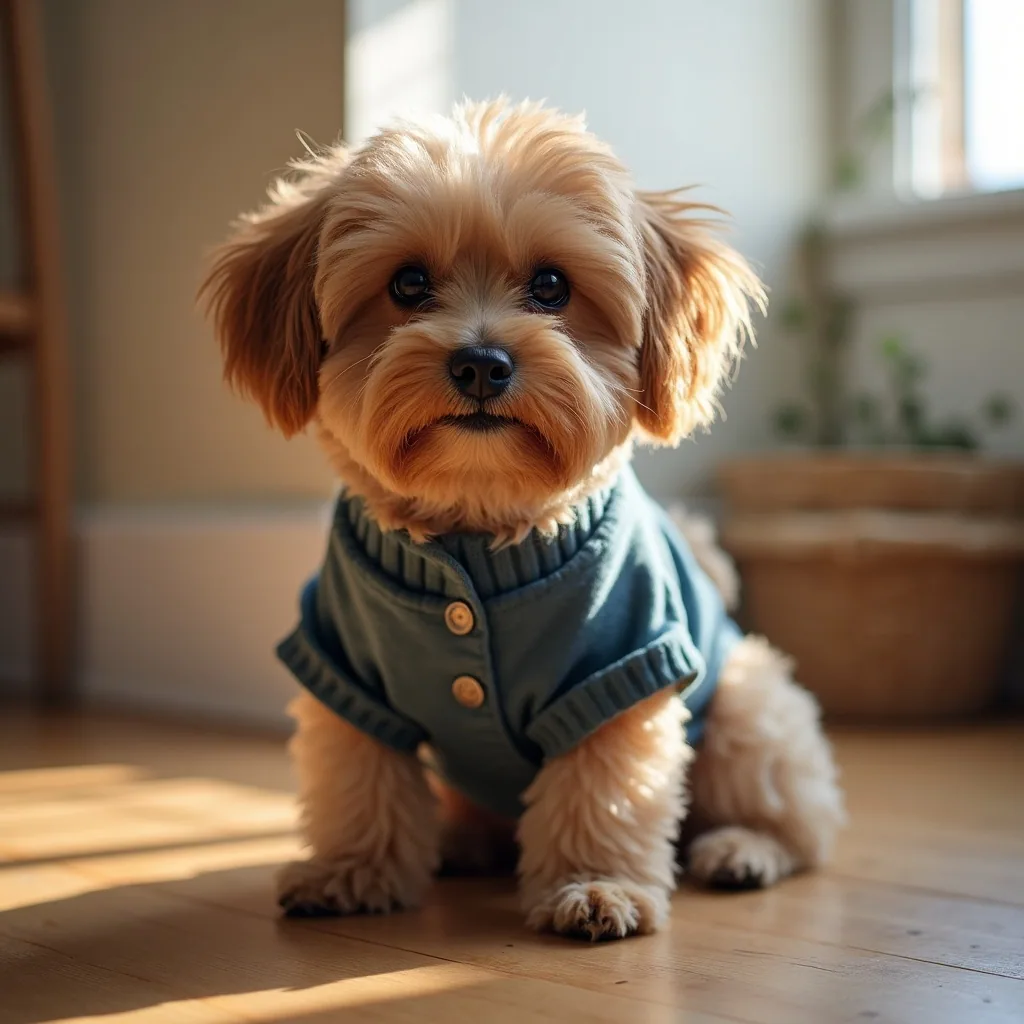 Snug, dry and looking the part.
All dogs clothing & boots →Dog winter coats →Dog sweaters →Dog clothes →Dog bandanas →Dog shoes & boots →Dog hoodies →Dog shirts →Funny dog costumes →Dog bathrobes & drying coats →Dog dresses →Waterproof dog boots →Waterproof dog coats →
↗Tracked US shippingEstimates on every item↶Returns & refundsHow it works♡Here to helpTalk to Giddy Pets
All dog raincoats
Little essentials. Lots of love.

Raincoats for small dogs
Clear Hooded Dog Raincoat with Colored Edge Trim
- Options
- 20 to choose from
From $15.99

Waterproof dog coats
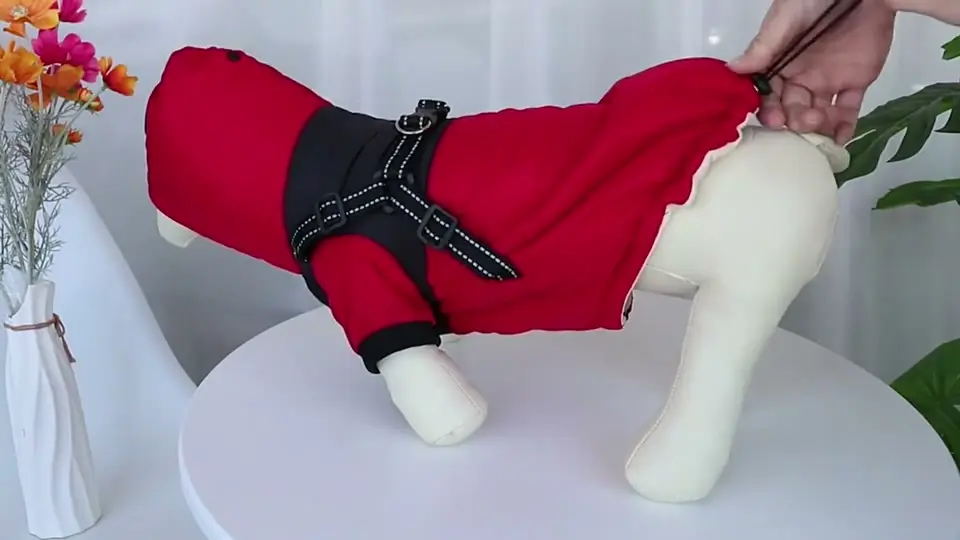
Hooded Dog Coat with Quilted Back and Adjustable Straps
- Options
- 20 to choose from
$23.99

Raincoats for small dogs
Hooded Polyester Dog Coat with Contrast Inner Panels
- Options
- 24 to choose from
From $16.99


Waterproof dog coats
Waterproof Dog Shell Jacket with Fleece-Lined Options
- Options
- 30 to choose from
From $20.99

Dog raincoats
Full-Coverage Hooded Dog Raincoat for Small and Medium Dogs
- Options
- 6 to choose from
From $29.99

Waterproof dog coats
Waterproof Windproof Polyester Dog Coat for Small and Medium Dogs
- Options
- 20 to choose from
From $21.99


Dog raincoats
Hooded Dog Raincoat with Reflective Strips and Pocket
- Options
- 33 to choose from
From $18.99


Dog raincoats
Hooded Waterproof Dog Raincoat in Yellow with Striped Lining
- Options
- 14 to choose from
From $24.99

Dog raincoats
Water- and Wind-Resistant Dog Jacket with Hook-and-Loop Closures
- Options
- 30 to choose from
From $18.99


Dog raincoats
Waterproof Rain Cape with Attached Feet for Small and Medium Dogs
- Options
- 33 to choose from
$23.99

Dog raincoats
Waterproof Windproof Dog Raincoat with High Neck, Yellow or Orange
- Options
- 14 to choose from
From $43.99

Dog raincoats
Yellow Hooded Dog Rain Slicker with Reflective Stripe
- Options
- 6 to choose from
From $20.99
A little guidance
Help choosing dog raincoats
Buying guides and care advice written for this range: what to measure, what matters and what to skip.
From our guides
This page holds raincoats and rain gear for dogs: hooded raincoats with reflective strips, full-body raincoats and jumpsuits that cover the legs, a rain suit with foot covers, ponchos, high-neck raincoats, water-repellent softshell and mesh-lined shell jackets, a four-legged jumpsuit with a harness, and a raincoat sold with a towel. It is for dogs who still need walks when it pours, and owners tired of drying a soaked dog.
Which dogs need a raincoat
Any dog can wear one, but some benefit more. The AKC points to hairless and nearly hairless dogs, whose skin stays damp; seniors and lean sighthounds, which carry little body fat and chill quickly in cold rain; and floppy-eared dogs, for whom a hood keeps water out of the ears. Even thick-coated dogs come home cleaner in a raincoat.
Small dogs and dogs with long coats that trail on wet ground also do well in coverage that includes the legs, because it saves a full bath after every walk.
Raincoat styles in this range
Hooded raincoats cover the back and chest and are the quickest to put on. Ponchos slip over the head with a simple strap. Full-body raincoats and jumpsuits cover all four legs, which keeps mud off the belly and legs, and a rain suit with foot covers goes further still.
High-neck raincoats stop water running down the collar. Softshell and mesh-lined shell jackets are lighter, water repellent and breathable, good for showers and cool, damp days. A four-legged jumpsuit with a built-in harness opening lets you clip a leash through the coat.
Features that matter
A hood keeps rain off the head and ears; the AKC suggests a detachable one, so you can remove it in light rain. Reflective strips or trim make your dog visible to drivers in the gray light of a rainy morning or evening, which is when many walks happen.
Look for a harness or leash opening on the back, a lining that dries quickly, and fasteners that suit your dog. Hook-and-loop closures are fast; buckles hold tighter on a dog that pulls or shakes.
How to measure for a raincoat
Measure your dog's neck, the widest part of the chest just behind the front legs, and the back length from the base of the neck to the base of the tail. Chest girth usually decides the size. Some raincoats are sized by weight, but the AKC cautions that weight alone is unreliable because dogs of the same weight can be built very differently.
For full-body suits, also measure leg length and the distance between the front and back legs. If your dog falls between sizes, choose the larger one.
Checking the fit
Put the coat on and slide your fingers under the straps. The AKC's test is that two fingers should fit; if you cannot fit two, it is too tight, and if more than three fit, it is too loose. The coat should not rub under the front legs or press on the throat.
Watch your dog walk, sit and squat. A good raincoat lets them move freely and go to the bathroom without soiling the coat. Male dogs need a belly panel cut back far enough.
Care and getting your dog used to it
Rinse off mud after walks and hang the coat to dry away from direct heat. Wash according to the label; heat can damage waterproof coatings and reflective trim.
Introduce the coat indoors with treats before the first rainy walk. Most dogs adjust within a few outings, especially once they learn the coat means a walk. If your dog freezes or tries to bite the coat, take it off and try again for shorter periods.
Raincoat coverage and access features
| Style or feature | Coverage arrangement | Fitting check |
|---|---|---|
| Hooded coat | Back,chest and a head section | Hood position relative to eyes |
| Poncho | Over-head shell with a body strap | Neck opening and strap placement |
| Four-leg suit | Body with four leg sections | Each opening and normal movement |
| High neck | An extended collar section | Neck clearance |
| Mesh-lined shell | An inner mesh layer | Lining folds and care instructions |
| Harness opening | Access through the outer garment | Alignment with the actual attachment ring |
Do dogs really need raincoats?
Not all dogs need one, but hairless, short-coated, senior and lean dogs benefit most, and a raincoat keeps any dog cleaner and drier on wet walks.
What is the best raincoat for a small dog?
A lightweight hooded raincoat or a full-body suit that covers the legs works well, since small dogs pick up the most splash from wet ground.
How should a dog raincoat fit?
Snug but not tight. You should fit two fingers under the straps but not more than three, and your dog should move, sit and squat freely.
Should a dog raincoat have legs?
Leg coverage keeps mud off the belly and legs, which helps long-coated and small dogs. A coat without legs is easier to put on and suits light rain.
Can dogs wear raincoats with a harness?
Yes. Choose a raincoat with a harness or leash opening, or a jumpsuit with a built-in harness, so the coat sits smoothly.