







Dogs
Waterproof dog coats
Ready for any weather.
33 items picked for everyday life with your pet, with shipping estimates on every item.
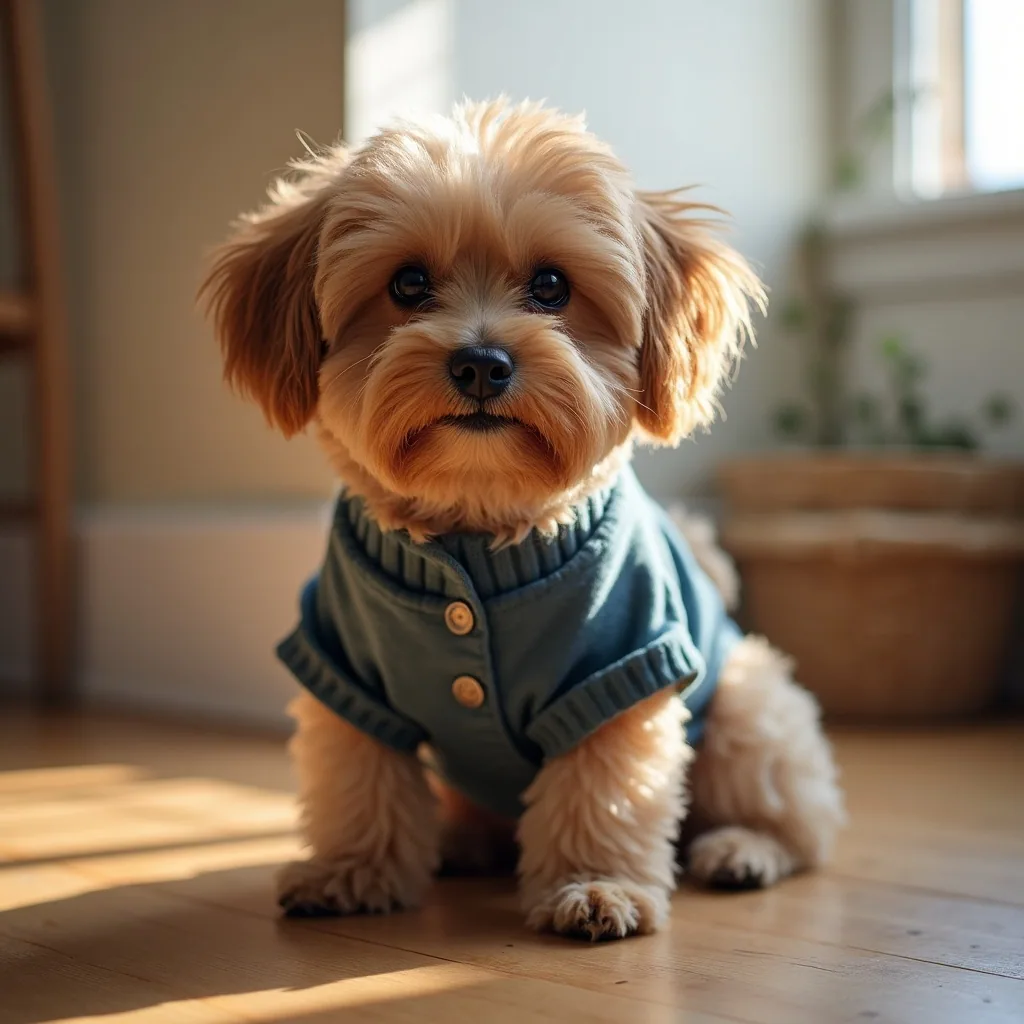 Snug, dry and looking the part.
All dogs clothing & boots →Dog winter coats →Dog sweaters →Dog clothes →Dog bandanas →Dog shoes & boots →Dog hoodies →Dog raincoats →Dog shirts →Funny dog costumes →Dog bathrobes & drying coats →Dog dresses →Waterproof dog boots →
↗Tracked US shippingEstimates on every item↶Returns & refundsHow it works♡Here to helpTalk to Giddy Pets
All waterproof dog coats
Little essentials. Lots of love.


Dog puffer jackets
Color-Block Hooded Dog Jacket with Front Sleeves
- Options
- 45 to choose from
From $18.99

Winter coats for large dogs
Nylon Wrap Dog Coat with Adjustable Neck and Rear Hem
- Options
- 8 to choose from
From $23.99

Dog coats with harness hole
Zippered Panel Dog Coat with Integrated Buckled Straps
- Options
- 53 to choose from
From $23.99


Dog winter coats
Cotton-Padded Warm Dog Coat for Autumn and Winter
- Options
- 18 to choose from
From $23.99


Dog winter coats
Padded Four-Leg Dog Winter Suit in Camo and Solid Colors
- Options
- 87 to choose from
From $22.99


Dog winter coats
Padded High-Collar Winter Dog Coat for Medium and Large Dogs
- Options
- 24 to choose from
From $26.99

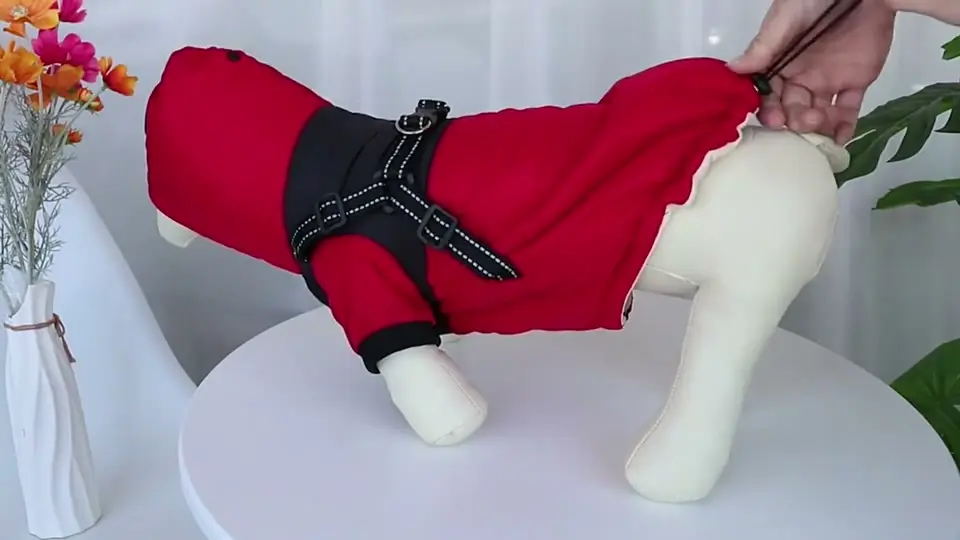
Waterproof dog coats
Hooded Dog Coat with Quilted Back and Adjustable Straps
- Options
- 20 to choose from
$23.99


Dog raincoats
Hooded Dog Raincoat with Reflective Strips and Pocket
- Options
- 33 to choose from
From $18.99

Waterproof dog coats
Waterproof Dog Shell Jacket with Fleece-Lined Options
- Options
- 30 to choose from
From $20.99
A little guidance
Help choosing waterproof dog coats
Buying guides and care advice written for this range: what to measure, what matters and what to skip.
From our guides
- Best Brush for Doodles: How to Keep a Curly Coat Mat-Free →
- Best Brush for Huskies: How to Choose Tools for a Double Coat →
- Best Dog Blankets: Fleece, Waterproof and Calming Compared →
- Best Dog Brushes: How to Choose One for Your Dog's Coat →
- Best Dog Clippers: How to Choose for Your Dog's Coat →
- Best Dog Coat With a Harness Hole: What Actually Matters →
This page narrows our dog coats down to waterproof ones: quilted waterproof coats, insulated winter jackets with waterproof polyester shells, warm waterproof coats for small dogs, water-repellent softshell jackets, mesh-lined shell jackets, reflective waterproof coats and full-body waterproof jumpsuits, one with a built-in harness. It is for dogs who need to stay dry and warm in cold rain, sleet and wet snow, not just a summer shower.
Waterproof coat or raincoat
A raincoat is a thin shell for wet weather. A waterproof coat combines a waterproof outer with warmth: quilting, insulation or a fleece lining. That makes it the better choice for cold, wet days in late fall and winter, while our dog raincoats page covers lighter rain gear for mild weather.
Softshell and shell jackets sit in between, with a water-repellent outer that sheds light rain and breathes better than a fully waterproof coat on active walks.
Which dogs need one
The AKC lists the dogs most likely to need a coat: small and toy breeds, dogs with short or clipped coats such as Poodles and Vizslas, lean breeds like Greyhounds and Whippets, puppies, seniors, dogs with conditions like arthritis, hairless breeds and low-slung dogs such as Dachshunds and Bassets. Wet fur loses its insulation, so cold rain chills these dogs much faster than dry cold.
Thick double-coated breeds rarely need warmth, but a waterproof shell still saves a muddy, soaked coat after walks.
Features to look for
A waterproof shell with sealed or well-stitched seams keeps rain out. A high collar stops water running down the neck. Reflective trim matters on dark winter afternoons. A harness opening lets you clip on without the coat bunching, and the AKC also points to machine-washable materials and sanitary cut-outs as useful features.
Full-body waterproof jumpsuits cover the legs and belly, which helps low-slung and long-coated dogs that pick up wet and mud from the ground.
Measuring and fit
Measure back length from the base of the neck to the base of the tail and chest girth at the widest point, as the AKC recommends, and follow each coat's size chart. A coat should cover from the neck to the tail base and wrap under the chest.
Your dog should walk, run and play comfortably, and the AKC warns against a coat so loose that a dog could get tangled. Check for rubbing under the front legs after the first few walks.
Care and comfort
Hang coats to dry after walks, away from direct heat, and wash according to the label; high heat can damage waterproof coatings. Brush mud off once dry rather than scrubbing when wet.
Take the coat off indoors so your dog does not overheat. If your dog shivers, lifts paws or slows down on cold walks even in a coat, shorten walks, and see your vet if a senior dog seems unusually stiff or sore in cold weather.
What is the difference between a waterproof dog coat and a raincoat?
A raincoat is a thin shell; a waterproof coat adds warmth with quilting, insulation or fleece, for cold, wet days.
Do dogs need waterproof coats?
Small, short-coated, lean, senior and hairless dogs benefit most, because wet fur loses its warmth quickly.
How do I measure my dog for a waterproof coat?
Measure back length from neck to tail base and chest girth at the widest point, then follow the size chart.
Can I wash a waterproof dog coat?
Yes, follow the label. Avoid high heat, which can damage the waterproof coating, and air dry.
Should a dog coat have legs?
Full-body coats keep the legs and belly dry and clean, which helps low-slung and long-coated dogs. Coats without legs are quicker to put on.