Buying guides
Best Dog Clippers: How to Choose for Your Dog's Coat
The right dog clippers have a motor strong enough for your dog's coat, detachable blades in the lengths you need, and a body that stays cool and quiet through a full groom. Thick, curly coats such as poodles and doodles need more power than a short-haired dog's touch-ups. Just as important: double-coated breeds generally should not be clipped short at all.
By Matt GarnettUpdated November 13, 20264 min read2 sources
What matters most: power, blades and heat
Motor power decides whether the clipper glides through the coat or pulls it. For small dogs and quick tidies of feet and faces, a light trimmer is enough. For full-body clips on curly or dense coats, look for a stronger motor, often described by strokes per minute, ideally with two speeds so you can slow down around faces.
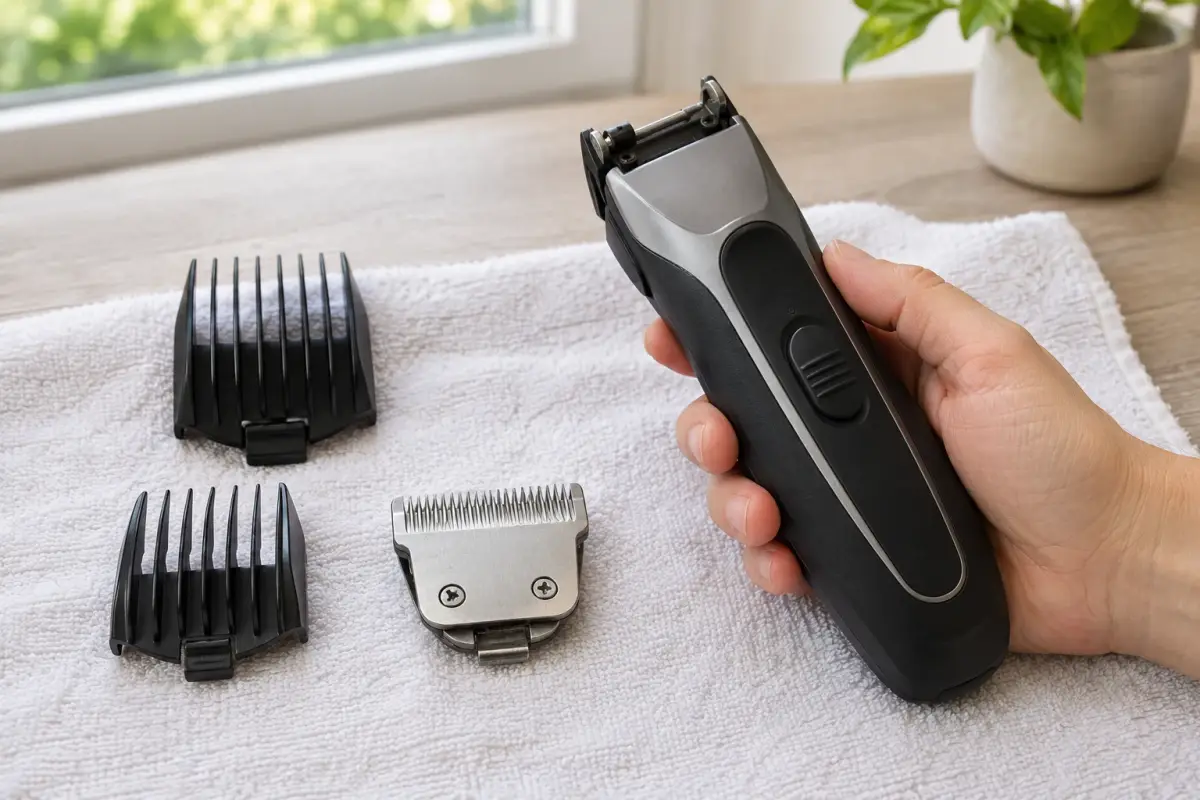
Blades decide the finish. Detachable blades are numbered, and the higher the number, the shorter the cut. Attachment combs that clip over a blade let you leave more length. Blades heat up as they work, so a clipper that runs cool, or that lets you swap blades quickly, protects your dog's skin. Browse our dog grooming clippers and check blade options against that list.
The main types compared
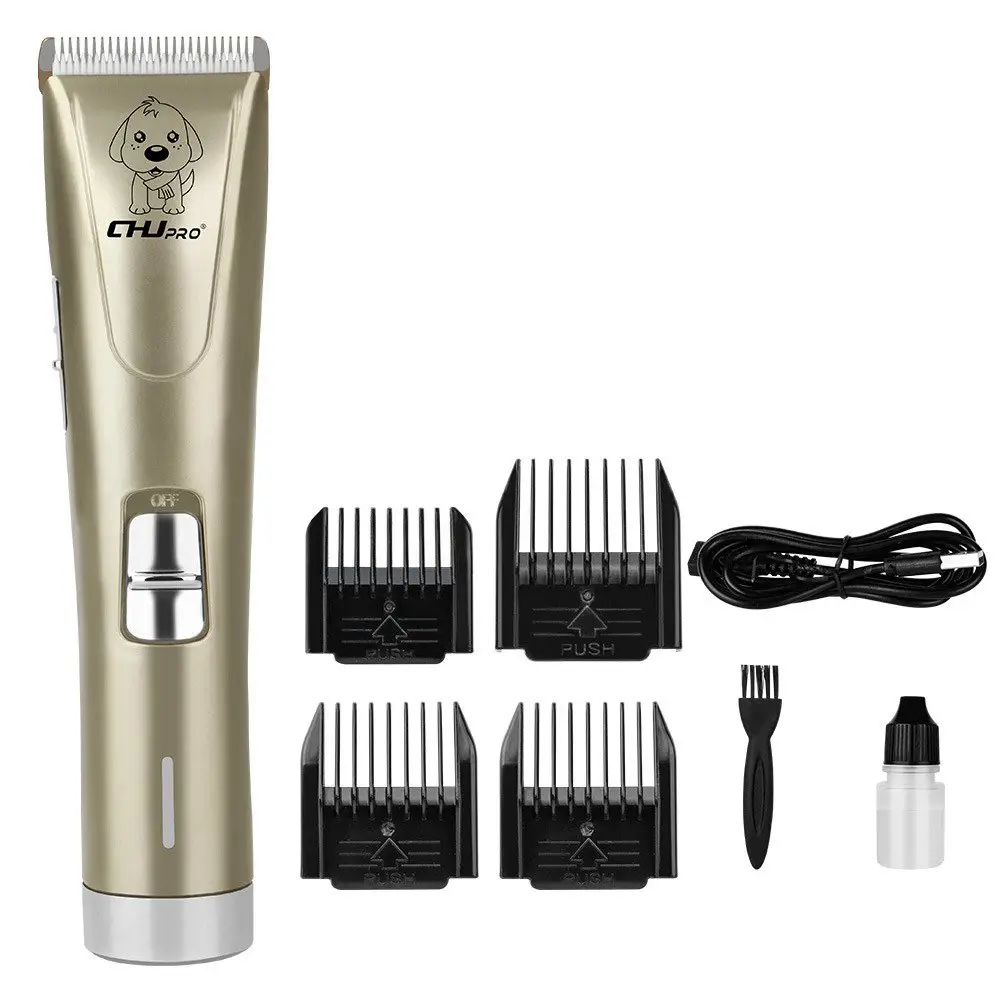
Cordless clippers are easy to maneuver and quiet, which suits nervous dogs and small breeds, but batteries run down on a long groom of a large dog. Corded clippers keep full power for as long as you need and suit big, thick-coated dogs. Many owners pair a cordless trimmer for feet and faces with a corded clipper for the body.
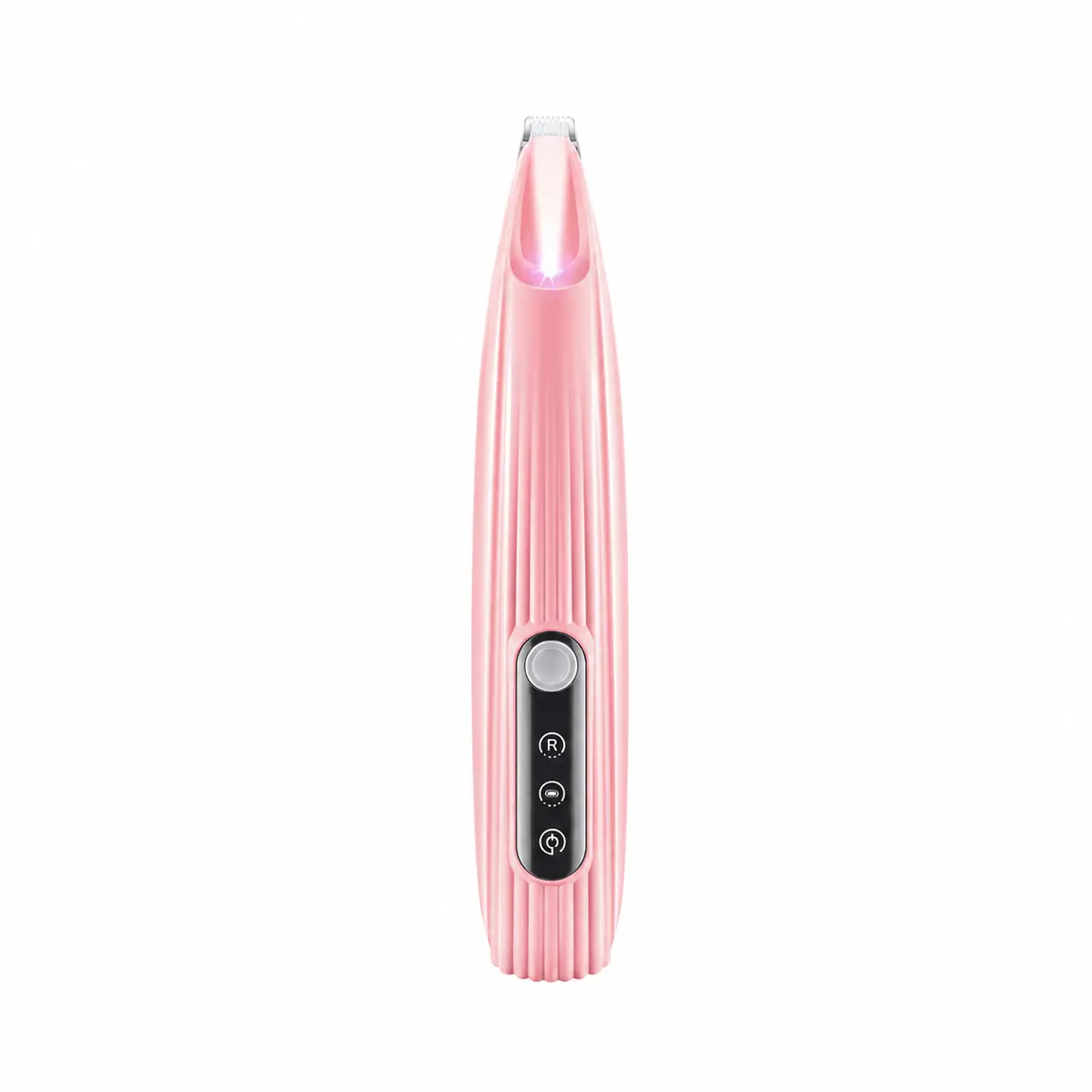
Professional detachable-blade clippers accept a range of standard blades and combs, last for years and can be serviced. Fixed-blade household kits are cheaper but less powerful and harder to keep sharp. Small trimmers and palm clippers are for paw pads, sanitary areas and around eyes. Check each listing for blade type, power source and battery details before choosing between an electric pet grooming clipper, a dog hair clipper or a small electric trimmer.
Best type for each coat
For poodles and doodles, choose a powerful detachable-blade clipper with a set of comb attachments, because these coats grow continuously and mat if not maintained. The AKC's poodle grooming guidance stresses brushing right down to the skin before any trim. For terriers and other wiry coats, a clipper keeps them tidy, though hand-stripping preserves texture in show coats.
For short, smooth coats, clippers are rarely needed beyond tidying. For double-coated breeds such as golden retrievers, huskies and German shepherds, the AKC warns that shaving can damage the coat's growth and remove the insulation that helps keep them cool, so use clippers only for feet, sanitary areas and light tidying.
Matted hair: what clippers can and cannot do
Mats sit tight against the skin, and clipping through them takes a short blade, a steady hand and a powerful motor. Never cut mats out with scissors; it is very easy to cut the skin hidden under them. Work the clipper under the mat, against the skin, with the blade flat, and check its temperature often.
If the coat is matted all over, or the skin beneath is red, sore or smelly, take the dog to a groomer or your vet. Severe matting can hide skin infections and wounds, and removing it can be painful enough that some dogs need sedation.
What to avoid
Avoid human hair clippers; they are not built for dense dog coats and tend to pull. Avoid clipping a dirty coat, as grit dulls blades fast; bathe and fully dry first. Avoid clipping any coat shorter than about an inch in summer: the AKC advises leaving at least one inch to protect against sunburn and insect bites.
Avoid long sessions with a hot blade. Touch the blade to your wrist every few minutes, and swap or cool it if it feels warm. Avoid the eyes, ears and genitals with a full-size blade; use a small trimmer there, or leave those areas to a professional.
Care and lifespan
Brush hair out of the blade after every use, oil it as the manual directs, and use a blade cooling spray during long grooms. A dull blade pulls hair and causes clipper rash. Detachable blades can be professionally sharpened several times before they need replacing. A dog brush or dematting tool before each session keeps tangled hair from jamming the blades.
A good clipper body lasts many years, which is why it pays to compare dog grooming clippers on build rather than speed alone. Replace the blade drive or have the clipper serviced if it starts to rattle or slow under load. If your dog develops redness, bumps or scabs after clipping, keep it from scratching and ask your vet to take a look.
This page is general information, not veterinary advice, and it cannot replace an examination by the vet who knows your pet.
Clipper power and blade configurations
| Configuration | Physical difference | Verify on the exact kit |
|---|---|---|
| Cordless | Motor powered by a battery | Charging input,runtime and supplied charger |
| Corded | Motor supplied through a power cable | US electrical input and cable arrangement |
| Detachable blade | A removable blade assembly | Compatible blades and combs |
| Fixed blade | An integral or limited-adjustment cutting head | Cleaning access and adjustment range |
| Small trimmer | A narrower cutting head | Intended areas and exact directions |
Common questions
What are the best dog clippers for doodles?
A powerful detachable-blade clipper with two speeds and a set of guard combs suits doodle coats, which are thick and prone to matting. Brush and comb out fully before clipping, because clippers jam in tangled hair.
What are the best clippers for matted dog hair?
A strong corded or high-power clipper with a short blade, used flat against the skin with frequent temperature checks. Widespread matting is often best left to a groomer or your vet, as it can hide sore skin underneath.
Are cordless dog clippers good?
They are excellent for small dogs, touch-ups, faces and feet, and for nervous dogs, as they tend to be quieter. For a full clip of a large, thick-coated dog, a corded clipper keeps full power longer.
Can I use clippers on a double-coated dog?
Only for light tidying of feet, sanitary areas and stray hair. The AKC warns that shaving a double coat can change how it regrows and remove the insulation that helps protect the dog from heat and sun.
Sources we checked
This guide is general information, not veterinary advice. If your pet is unwell or injured, contact your veterinarian.