






Buying guides
Best Brush for Huskies: How to Choose Tools for a Double Coat
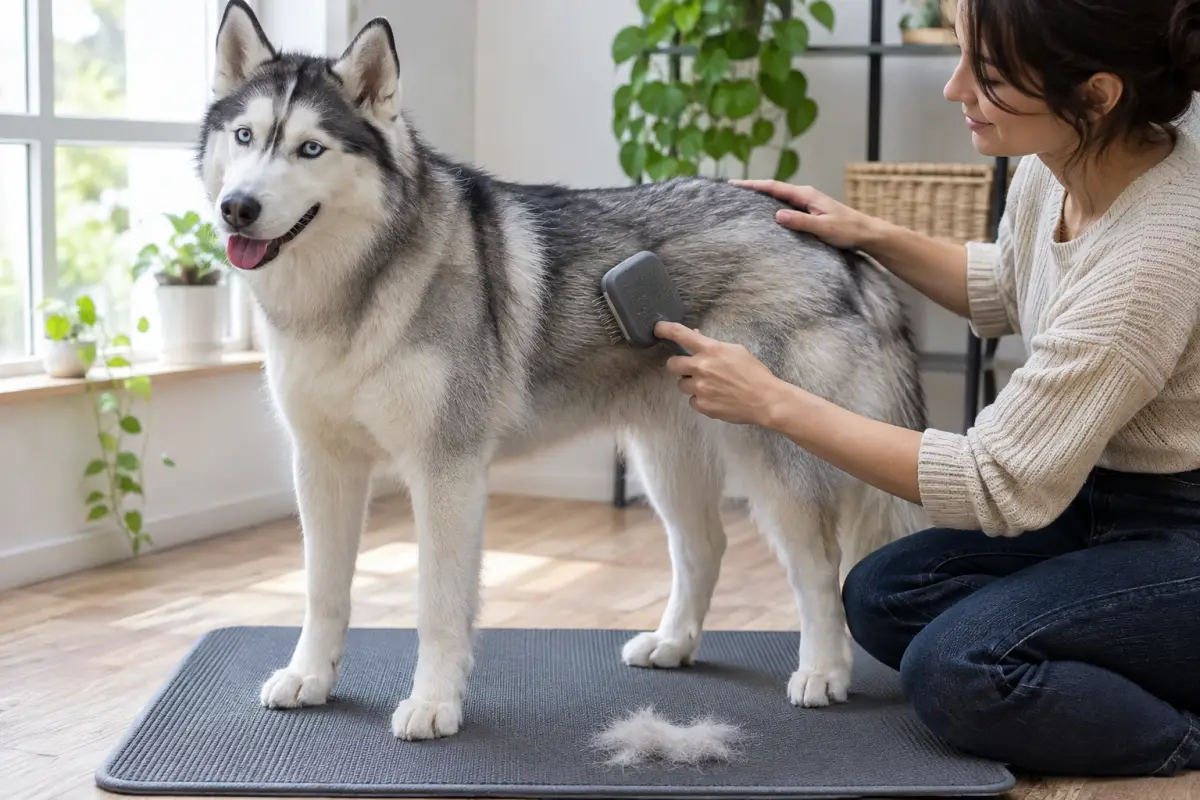
A husky's coat needs an undercoat rake, a slicker brush and a metal comb. The rake pulls out the dense undercoat, the slicker lifts loose hair from the outer coat, and the comb checks you have reached the skin. The AKC says huskies shed heavily twice a year and their whole soft undercoat comes out, so plan for daily brushing then and weekly brushing the rest of the year.
By Matt GarnettUpdated November 10, 20264 min read2 sources
How a husky coat works
Siberian huskies have a thick, soft undercoat beneath straight guard hairs. The AKC describes the breed as shedding more than many dogs, with heavier periods twice a year when it sheds its entire undercoat, and recommends weekly brushing to keep coat and skin healthy. Our undercoat rakes and deshedding tools are the place to start for this coat.
The coat insulates against both cold and heat. That is why the AKC also warns against shaving double-coated breeds: the undercoat helps regulate temperature and the guard hairs protect the skin from sunburn and insect bites.
The tools compared
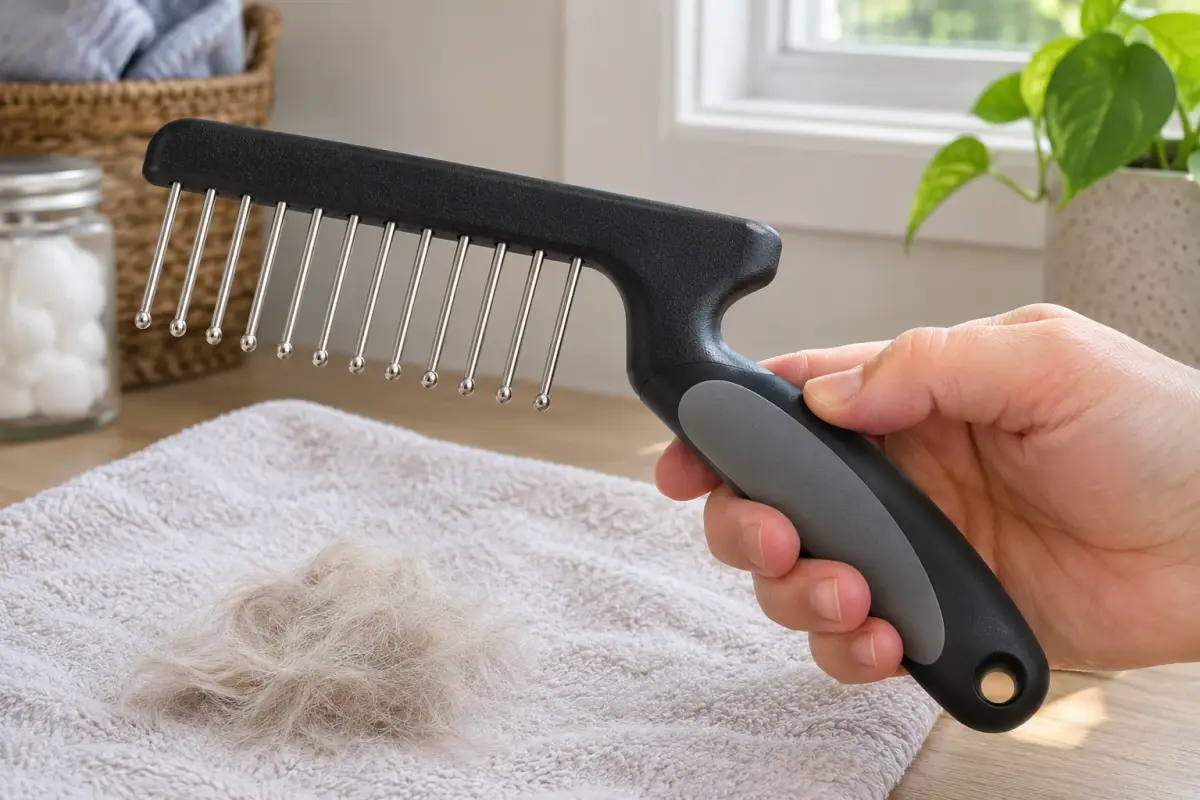
An undercoat rake with long teeth, ideally rotating pins, is the most useful single tool. It reaches through the guard hairs and pulls loose undercoat with little pulling on the dog. A slicker brush with firm pins lifts the loosened hair and smooths the outer coat. A sturdy metal comb finds any remaining tangles, especially behind the ears and on the britches. Lighter-touch options for finishing include a handheld deshedding comb, a double-sided deshedding comb or a hair removal glove.
Bladed deshedding tools remove a lot of undercoat fast during a coat blow but should be used gently and not every day. Pin brushes are pleasant for finishing. A high-velocity dryer, used by groomers, blows out loose undercoat after a bath and saves a lot of brushing, though some dogs dislike the noise.
Handling the coat blow
When the coat blows, hair comes out in tufts. Brush daily: rake in sections from the neck back, then slicker, then comb. Many owners find a bath with a dog shampoo followed by a thorough dry loosens the most hair, after which a long brushing session clears it.
Expect it to last two to three weeks. Brushing outdoors and using a strong vacuum indoors, as the AKC suggests, keeps the house manageable. Huskies are naturally clean dogs that need bathing only a few times a year, so do not bathe weekly just to control shedding.
Best tools for each situation
For routine weekly grooming, a rake and slicker. For a husky puppy, a soft slicker and short, rewarding sessions to build tolerance. For a dog with sensitive skin, a rake with rounded, rotating teeth and a slicker with coated tips.
For multi-husky homes, a high-velocity dryer and a grooming table save hours over a year. For seniors, shorter, gentler sessions with a pin brush, plus attention to any lumps or sore spots found while brushing.
What to avoid
Avoid shaving or clipping the body coat; the AKC warns it can damage regrowth and remove protection from heat and sun. Avoid pressing hard with blades or using deshedders on irritated skin. Avoid soft bristle brushes as your only tool, since they never reach the undercoat.
Avoid assuming every bit of hair loss is normal. Patchy bald spots, crusting, redness, a dull coat or shedding that never stops can indicate skin or hormonal problems; ask your vet.
Care and lifespan
Pull hair from brushes after each use and wash them every few weeks. Keep metal tools dry. Replace slickers when pins bend and blades when they dull.
Brushing time is also a health check. Run your hands over the whole body as you go, and note any lumps, ticks, sore spots or hair loss, so you can mention them to your vet early rather than after a coat blow hides them.
Quality rakes and combs last many years and are worth the small extra cost for a breed that sheds this much. Browse undercoat rakes and dog brushes when it is time to replace one.
This page is general information, not veterinary advice, and it cannot replace an examination by the vet who knows your pet.
Coat-tool working surfaces
| Tool | Physical working area | Check before use |
|---|---|---|
| Undercoat rake | Long spaced teeth | Tooth ends,spacing and condition |
| Slicker | An array of fine pins | Bent pins and applied pressure |
| Metal comb | Rows of teeth | Spacing and whether teeth catch |
| Pin brush | Separated pins on a brush head | Pin ends and condition |
| Bladed tool | An edged working surface | Exact directions and professional guidance |
| Dryer | Air directed from an outlet | Controls and exact pet-use instructions |
Common questions
What is the best deshedding tool for a husky?
An undercoat rake is the best everyday tool, and a bladed deshedder used gently helps during the coat blow. Follow with a slicker and comb. A high-velocity dryer after bathing also removes a lot of undercoat.
How often should I brush my husky?
The AKC suggests weekly brushing most of the year. During the twice-yearly coat blow, brush daily until the undercoat has come out, usually for two to three weeks.
Should I shave my husky in summer?
No. The AKC warns that a husky's coat insulates against heat as well as cold and protects the skin. Shaving can increase heat risk and damage how the coat grows back.
Do huskies need baths to control shedding?
Only a few times a year. The AKC describes huskies as naturally clean with little odor. A bath during the coat blow helps loosen undercoat, but frequent bathing can dry the skin.
Sources we checked
This guide is general information, not veterinary advice. If your pet is unwell or injured, contact your veterinarian.


