






Care & how-to
Do Huskies Shed? Yes, Their Whole Undercoat, Twice a Year
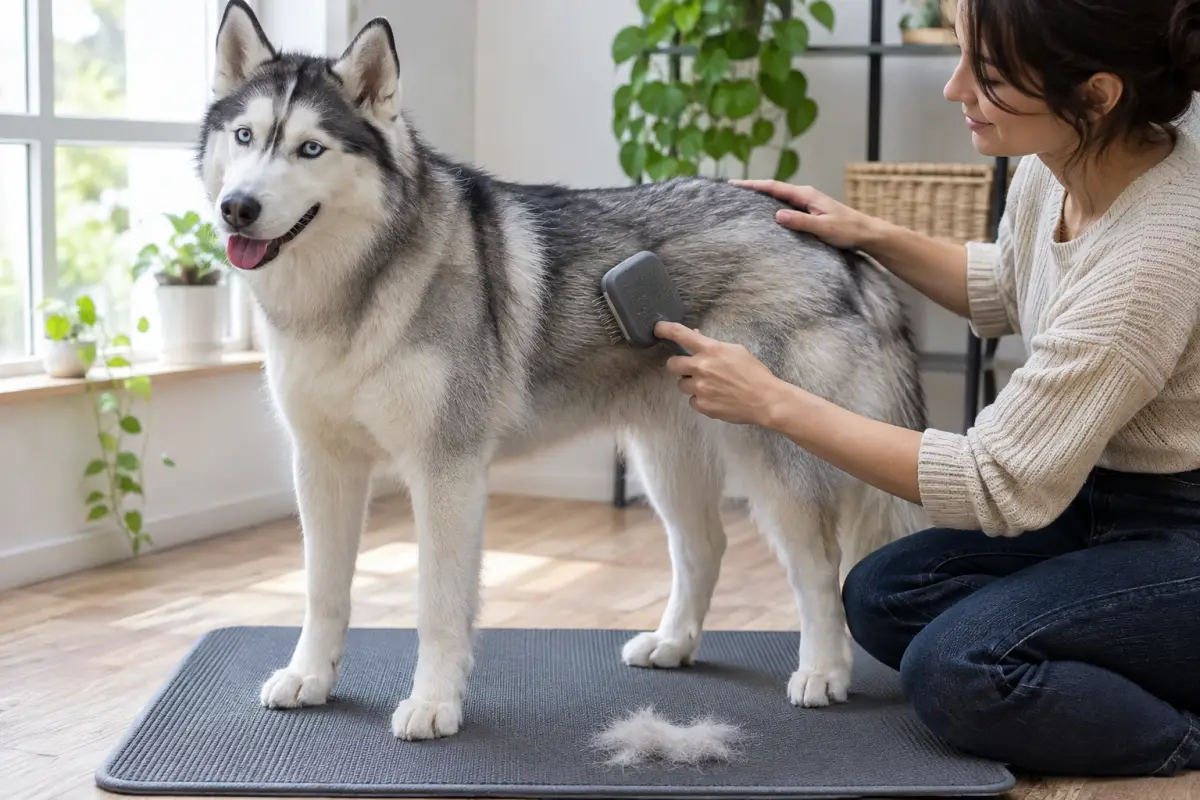
Yes, Huskies shed a lot. The AKC notes Siberian Huskies shed more than many dogs, with two heavy periods a year when they lose their entire soft undercoat, often called blowing coat. Between blows they shed moderately and need only weekly brushing. During a blow, daily sessions with an undercoat rake and a powerful vacuum are the answer. Never shave a Husky.
By Matt GarnettUpdated November 14, 20264 min read3 sources
How much Huskies shed
Siberian Huskies are medium-sized dogs, about 20 to 23.5 inches tall and 35 to 60 pounds, with a thick double coat made for sledding in Arctic cold: straight guard hairs over a dense, soft, woolly undercoat. That undercoat is the source of the famous Husky fluff. The AKC describes Huskies as shedding more than many dogs and recommends a powerful vacuum.
Interestingly, Huskies are naturally clean, keep themselves groomed, have little odor and need only a few baths a year, according to the AKC. Most of the year their shedding is moderate. It is the two seasonal blows that earn their reputation.
What blowing coat looks like
About twice a year, typically spring and fall, a Husky sheds its whole undercoat over a few weeks. The AKC notes it is natural for them to lose the entire soft undercoat, and the breed standard says its absence during the shedding season is normal. You will see tufts poking out of the coat and coming away in handfuls, often patchily, which can look alarming.
Huskies kept in warmer climates or mostly indoors may shed more steadily, with less dramatic blows. Spayed or neutered dogs sometimes grow a fuller coat.
Brushing through a coat blow
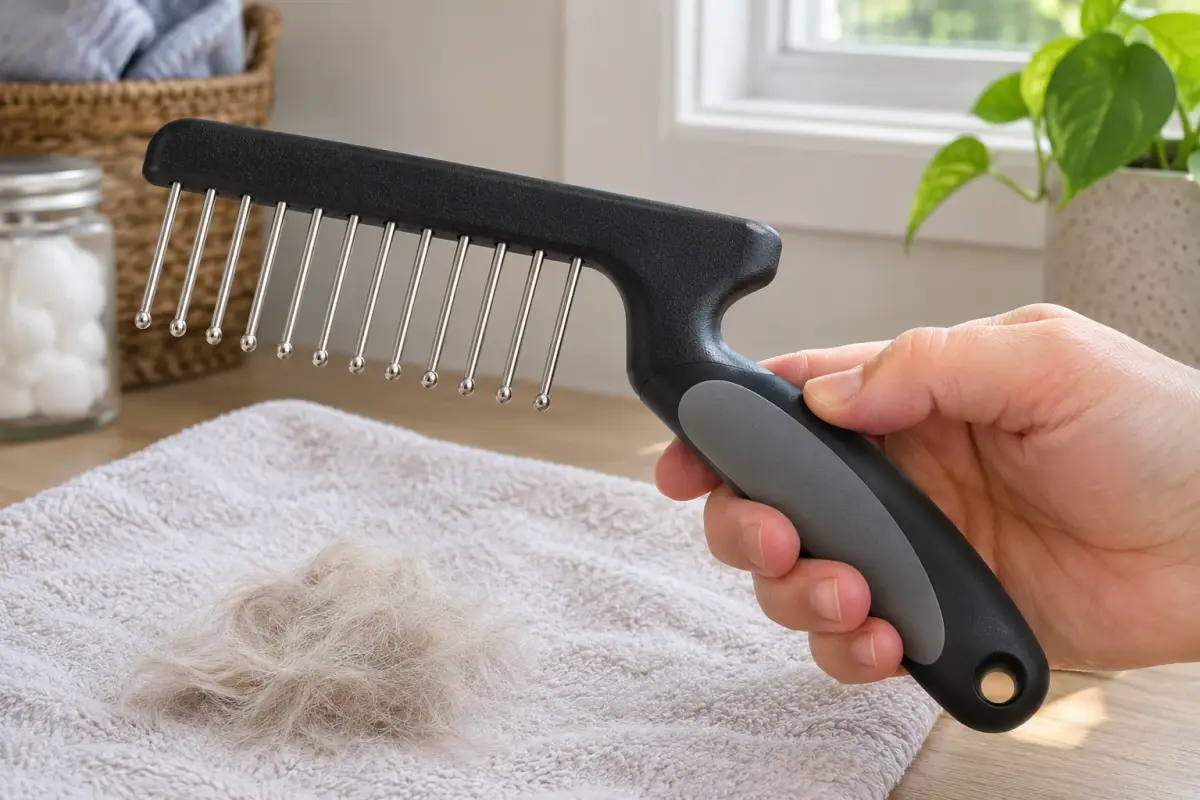
The AKC recommends weekly brushing as a baseline and a tool designed to remove loose undercoat, such as an undercoat rake or deshedding brush, during a blow. Daily sessions of 10 to 20 minutes during the shed remove far more than occasional marathon sessions. Work outdoors in sections, in the direction of hair growth, then go over the coat with a slicker brush and finish with a wide-toothed comb.
A warm bath with a gentle dog shampoo, followed by a pet dryer on a cool setting, helps release dead undercoat; the AKC notes a blower combined with very warm water can help remove it. Make sure the coat dries all the way to the skin.
A double-sided undercoat rake and large deshedding rake are examples of the tool format; compare their teeth with your Husky's coat and use a gentle technique.
Why you should never shave a Husky
The AKC warns that shaving a double coat removes insulation, raises the risk of heat stroke, can damage the hair follicles and leaves skin exposed to sunburn. The coat may regrow patchy or woolly, and the Husky breed standard allows trimming only of whiskers and the fur between the toes and around the feet.
To help a Husky in summer, keep the undercoat brushed out so air can move through the coat, provide shade, water and air conditioning, and exercise early or late in the day. Watch closely for heavy panting or sluggishness on hot days.
Husky hair at home and in warm climates
During a coat blow, soft undercoat drifts into corners and sticks to fabric, so plan on vacuuming daily for a few weeks and washing your Husky's bed often. Brushing outdoors, or on a sheet you can shake out, keeps most of it out of the house. Many owners set aside the clumps of undercoat for birds to use as nesting material in spring.
Huskies in warm states such as Texas, Florida or Arizona often shed more evenly through the year and may have less dramatic blows. They still need their undercoat brushed out regularly so air can circulate, plus shade, water, air conditioning and exercise in the early morning or evening. Watch for heavy panting, drooling or sluggishness, which are signs your dog is getting too hot.
Our dog brush guide compares coat-specific tools within dog brushes.
When shedding is not normal
Blown coat leaves healthy skin underneath. See your vet if your Husky has bald patches that do not regrow, red, flaky or crusty skin, especially on the nose and around the eyes, constant itching, a dull, dry coat, or hair loss outside the normal seasons. Huskies can be affected by certain skin conditions, including a zinc-related skin disorder, and hormonal problems such as hypothyroidism can change the coat.
Your vet can examine the skin, run tests if needed, and recommend treatment. Do not give supplements without asking first.
This page is general information, not veterinary advice, and it cannot replace an examination by the vet who knows your pet.
Common questions
How long does a Husky shed its coat?
A coat blow usually lasts around two to four weeks, sometimes longer. Daily brushing with an undercoat rake speeds it up and keeps hair from spreading through the house.
Do Huskies shed more than German Shepherds?
Shepherds shed more steadily all year, while Huskies shed moderately and then very heavily during two seasonal blows. Both breeds produce a lot of hair overall.
Are Huskies good for people with allergies?
Generally not, because they shed heavily, even though they have little odor. All dogs produce allergens in dander and saliva, so allergy sufferers should spend time with a Husky first.
Sources we checked
This guide is general information, not veterinary advice. If your pet is unwell or injured, contact your veterinarian.


