







Dogs
Dog nail clippers
More care. More cuddles.
42 items picked for everyday life with your pet, with shipping estimates on every item.
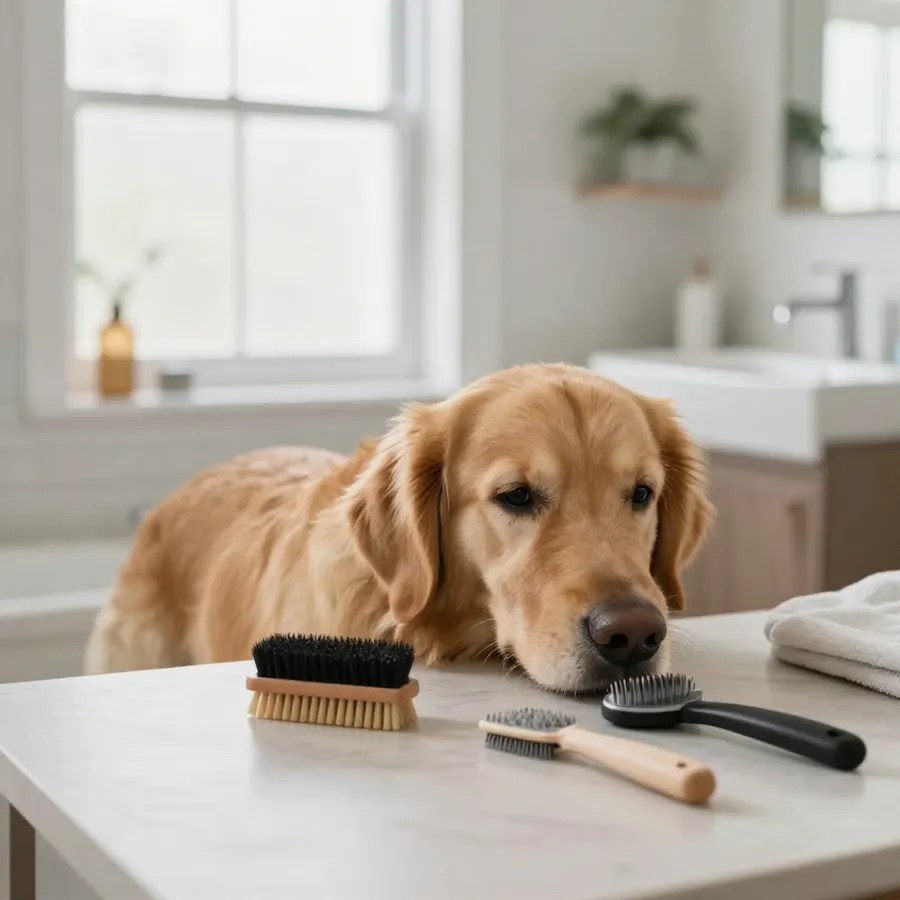 For the moments that bring you closer.
All dogs grooming & hygiene →Dog bath brushes →Dog combs →Slicker brushes →Dog nail grinders →Dog paw balm →Dog paw cleaners →Dog brushes →Dog drying towels →Dog grooming tables →Deshedding tools →Puppy pads →Dematting combs & tools →
↗Tracked US shippingEstimates on every item↶Returns & refundsHow it works♡Here to helpTalk to Giddy Pets
All dog nail clippers
Little essentials. Lots of love.
Dog nail grinders
Blue Pet Nail Grinder, Clippers and File Grooming Set
- Options
- 3 to choose from
From $12.99


Cat grooming supplies
Hanging Grooming Hammock for Dogs and Cats with Leg Openings
- Options
- 9 to choose from
From $15.99

Dog nail clippers
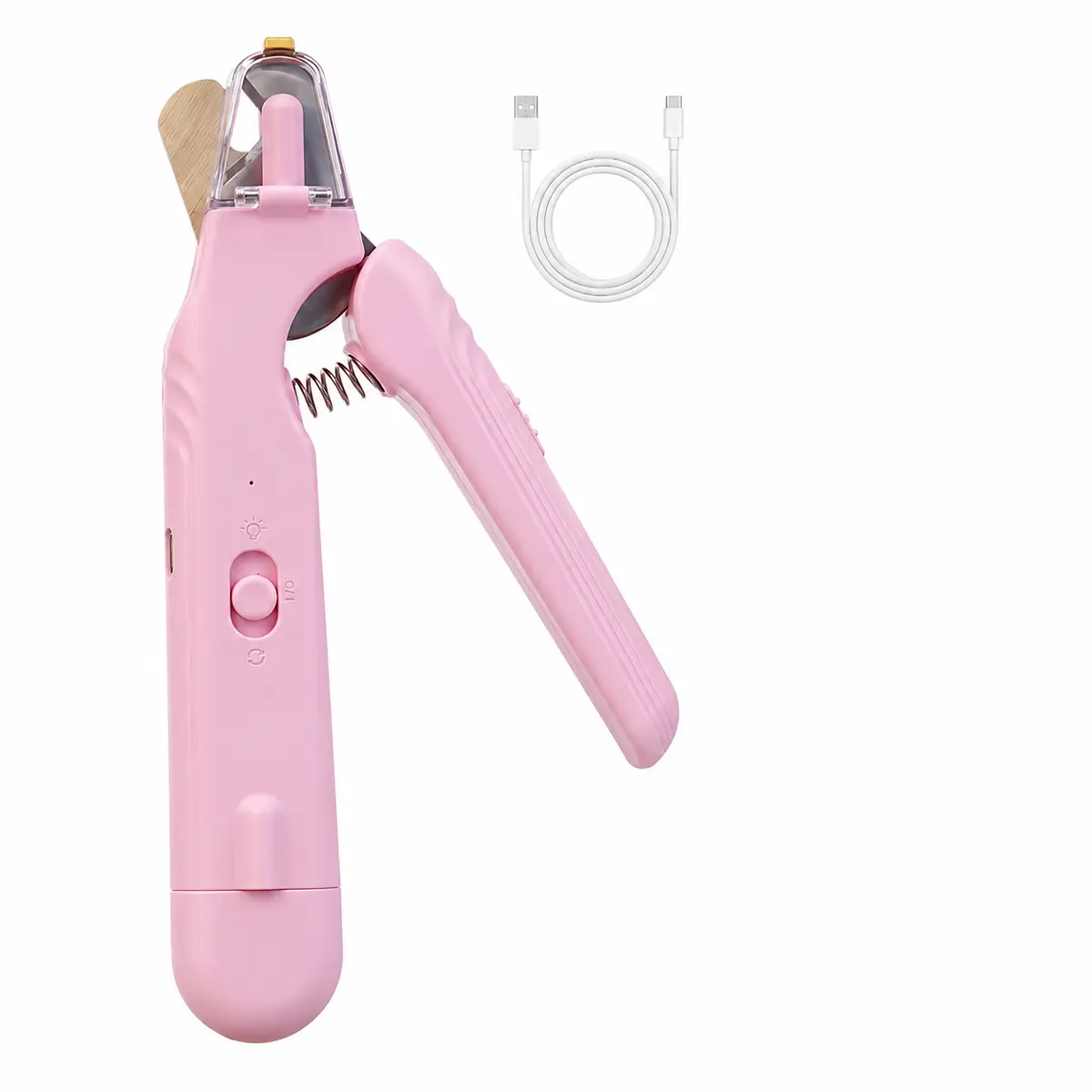
2-in-1 Pet Nail Clipper and Grinder with LED Lights
- Options
- 18 to choose from
From $10.99

Dog nail grinders
Cordless Dog Nail Grinder with 5 Speeds, 3 Ports and LED Light
- Options
- 8 to choose from
From $11.99

Cat nail clippers
LED Nail Clipper for Dogs and Cats with Built-In Light
- Options
- 2 to choose from
$18.99

Dog grooming kits
Soft Flannel Pet Grooming Hammock for Dogs and Cats
- Options
- 9 to choose from
From $16.99

Cat grooming supplies
Pet Grooming Hammock with Leg Holes and Metal S-Hooks
- Options
- 16 to choose from
From $21.99

Dog nail clippers
Compact Pet Nail Clippers with Stainless Steel Blade
- Options
- 8 to choose from
From $10.99


Cat nail clippers
Pet Nail Clippers with Clear Splash Guard and Built-In File
- Options
- 2 to choose from
$14.99

Dog nail clippers
Dog and Cat Nail Clippers in LED, File and Scissor Styles
- Options
- 17 to choose from
From $14.99


Dog nail grinders
Rechargeable Pet Grooming Comb with Electric Nail Polisher Handle
- Options
- 2 to choose from
$22.99

Dog nail grinders
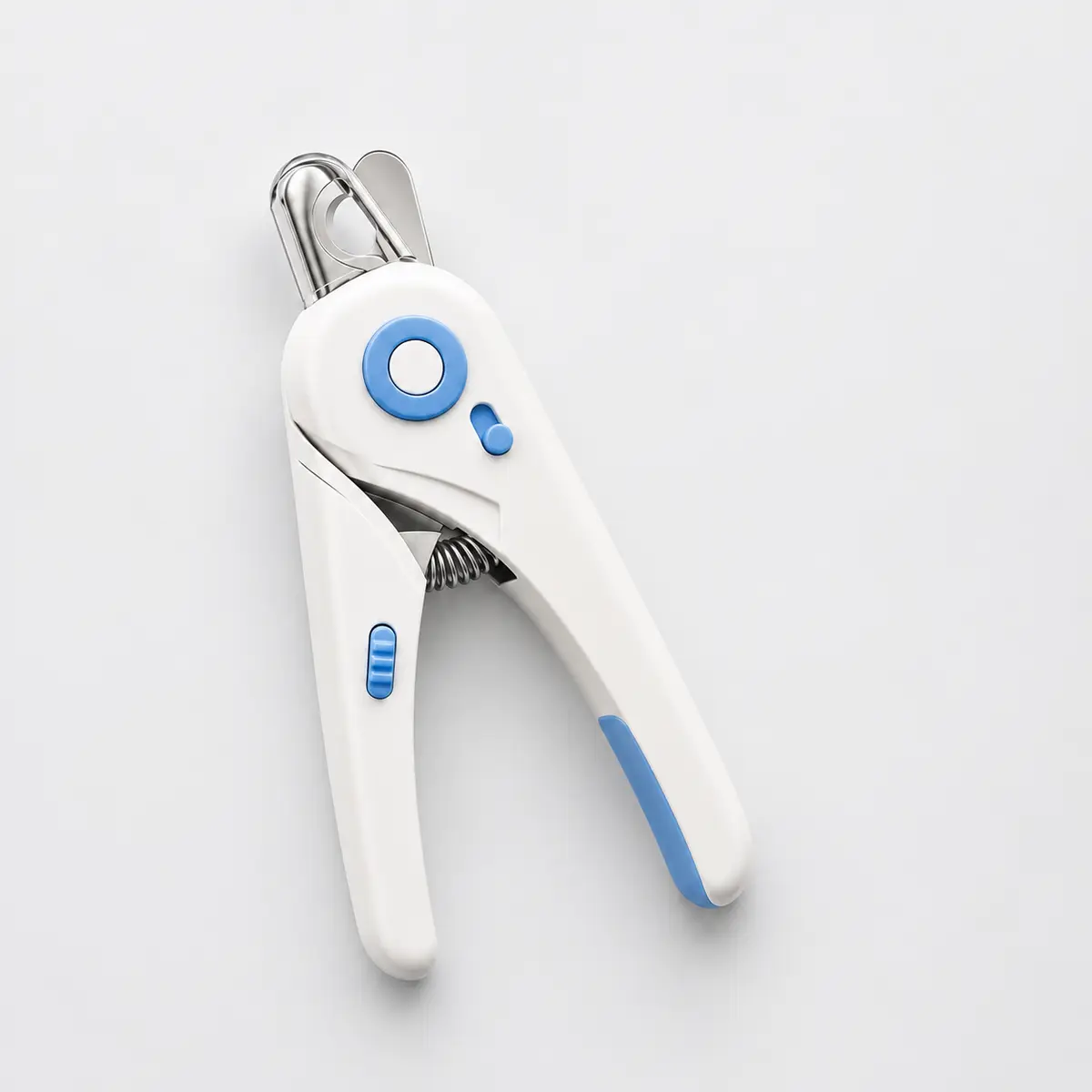
Rechargeable Pet Nail Grinder with Replaceable Grinding Head
- Options
- 20 to choose from
From $11.99

Dog nail clippers
LED Nail Clipper with Steel Blade for Cats and Small Dogs
- Options
- 3 to choose from
$20.99

Dog nail grinders
Wooden Dog Nail Scratch Board with Sandpaper and Treat Compartment
- Options
- 5 to choose from
From $43.99

A little guidance
Help choosing dog nail clippers
Buying guides and care advice written for this range: what to measure, what matters and what to skip.
From our guides
- Best Dog Nail Clippers: Choosing the Right Type for Your Dog →
- How to Grind Dog Nails (and Grinder vs Clippers) →
- How Often Should You Trim Your Dog's Nails, and How Short? →
- How to Trim Dog Nails at Home →
- How to Trim Puppy Nails: A Gentle First-Week Plan →
- Best Dog Nail Grinder: How to Choose One for Your Dog →
This page collects dog nail clippers and trimmers for home grooming: scissor-style clippers with safety guards and locks, clippers with a built-in LED light to show the quick, rechargeable grinders, and two-in-one clipper and grinder sets. It is for owners who want to trim between groomer visits, whether you have a small dog with fine nails or a large dog with thick, dark ones.
What is in this range
Most of the range is scissor-style clippers, the type with two curved blades that close around the nail. Several add a safety guard, a small plate that stops the nail from going too far into the jaws, and a lock that keeps the blades shut in a drawer. A few models carry a small LED near the blades so you can see the pink quick on pale nails before you cut.
Alongside them are electric grinders and combined sets that pair a clipper with a grinder. There is also a paw balm set and a grooming hammock with leg holes, which holds a small pet still while you work. That hammock is rated for pets up to 12 lb, so it suits toy breeds and cats rather than larger dogs.
Clippers or a grinder
Both work, and the AKC notes that some dogs tolerate grinders better while others prefer clippers. Clippers are fast and quiet, which matters for a dog who hates noise. A grinder sands the nail down a little at a time, which makes it harder to hit the quick and leaves a smooth edge that will not snag carpet or skin.
Many owners use both: clip off the tip, then grind the rough edge. If your dog is nervous, run the grinder near them for a few seconds over several days, with treats, before it ever touches a nail. Short sessions beat one long struggle every time.
Choosing the right size
Match the clipper to the nail, not the dog's age. Small clippers give better control on toy breeds, cats and puppies, where the nail is thin and the quick sits close to the tip. Larger dogs, roughly 50 lb and up, usually have thick nails that need a bigger clipper with longer handles for leverage, so you cut in one clean squeeze instead of crushing the nail.
If you have one small and one large dog, a medium clipper plus a grinder covers both. Check that the handles fit your hand and that the spring opens the blades fully without effort.
How to trim without hitting the quick
The quick is the living core of the nail, with blood vessels and nerves. On pale nails it shows as a pink area; the AKC advises clipping only the tip, straight across, and staying in front of the curve. On dark nails, take thin slices and stop when you see a chalky white ring or a dark dot in the center of the cut surface.
Do not forget the dewclaws, which never touch the ground and can curl into the pad. Keep styptic powder within reach before you start, because even careful owners nick a quick now and then, and a small bleed stops quickly with pressure and powder.
How often to trim
Most dogs need a trim every three to four weeks, according to the AKC, but active dogs who walk on pavement wear nails down and need it less often. A simple test: if you hear clicking on a hard floor, the nails are long enough to trim.
Regular small trims also make the quick recede over time, which is how a long-neglected nail is brought back to a healthy length. Trying to shorten an overgrown nail in one go usually means cutting into the quick, so take a little every week until you reach the length you want.
Getting a reluctant dog used to it
Start by handling the paws during calm moments, touching each toe and rewarding. Then show the clipper, touch it to a nail without cutting, and reward again. Trim one or two nails per session if that is all your dog will accept; there is no rule that all four feet must be done at once.
If your dog panics, struggles hard or has a split, bleeding or infected nail, stop and ask your vet or a groomer to do it. Many vet clinics offer quick nail trims, and they can show you the right angle for your dog's nails.
Are LED dog nail clippers worth it?
An LED helps most on pale or clear nails, where it makes the pink quick easier to see. On very dark nails the light helps less, so trim in thin slices and look for the white ring regardless of the clipper.
What size nail clippers does a large dog need?
Large dogs usually need a larger scissor-style clipper with long handles, so you can cut a thick nail in one squeeze. A small clipper tends to crush thick nails, which is uncomfortable for the dog.
Is an electric nail trimmer better for dogs?
An electric grinder removes the nail gradually, so it is less likely to reach the quick and it leaves a smooth edge. It is louder and slower than a clipper, so some dogs need time to get used to the noise.
What do I do if I cut the quick?
Stay calm, press styptic powder into the tip and hold light pressure for a minute or two. If you have none, cornstarch works. If the bleeding has not stopped after several minutes, call your vet.
Can I use the same clippers for puppies?
Yes, a small clipper suits puppies well, and starting young makes nail care routine. Take only the sharp tip, because a puppy's quick is close to the end of the nail.