Care & how-to
How to Trim Dog Nails at Home
To trim your dog's nails, hold the paw gently, push the toe forward to extend the nail, and clip just the tip straight across, a little at a time, staying well short of the pink quick. Do the dewclaws too. Most dogs need a trim every three to four weeks. Keep styptic powder handy, go slowly, and reward your dog throughout.
By Matt GarnettUpdated November 13, 20264 min read3 sources
What you need before you start
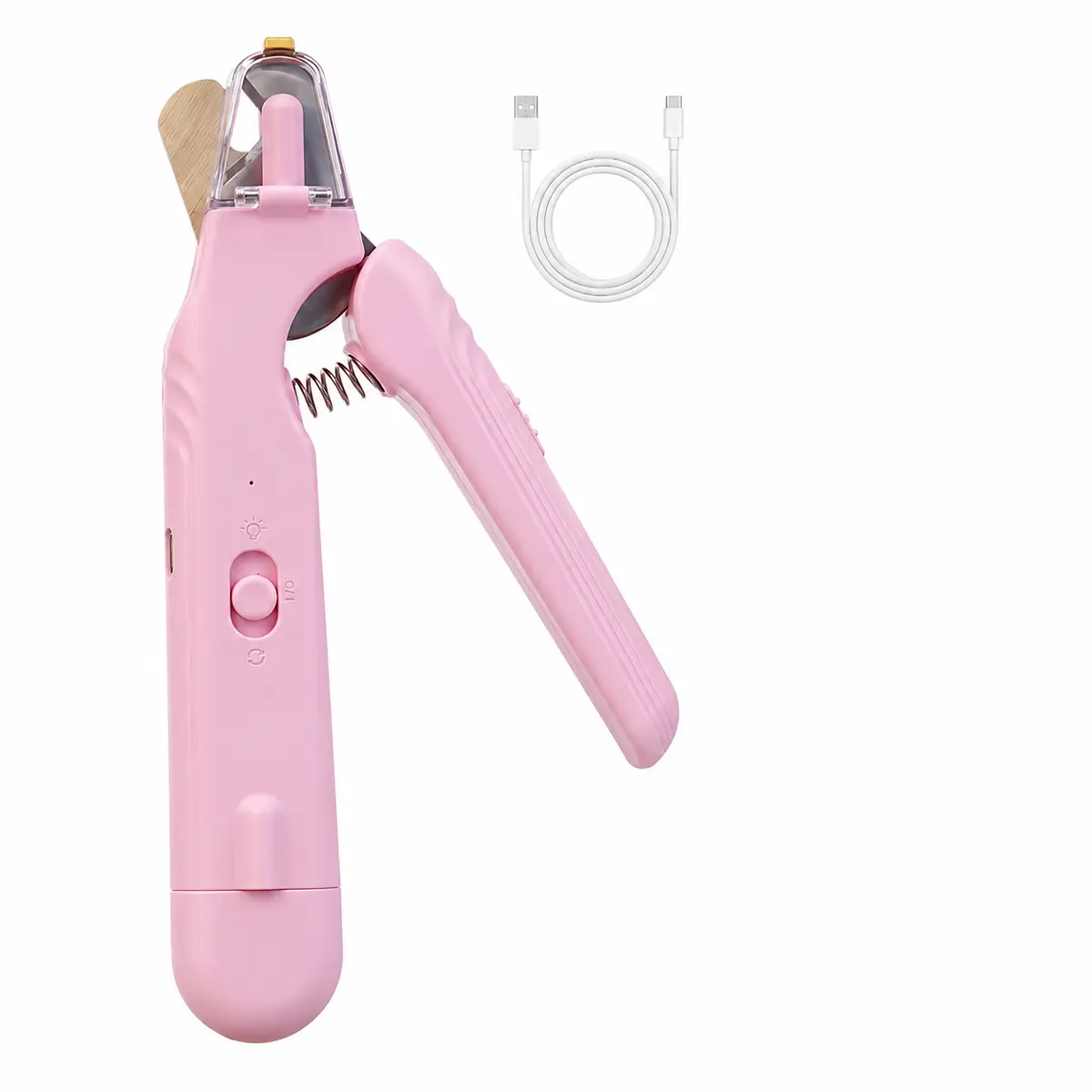
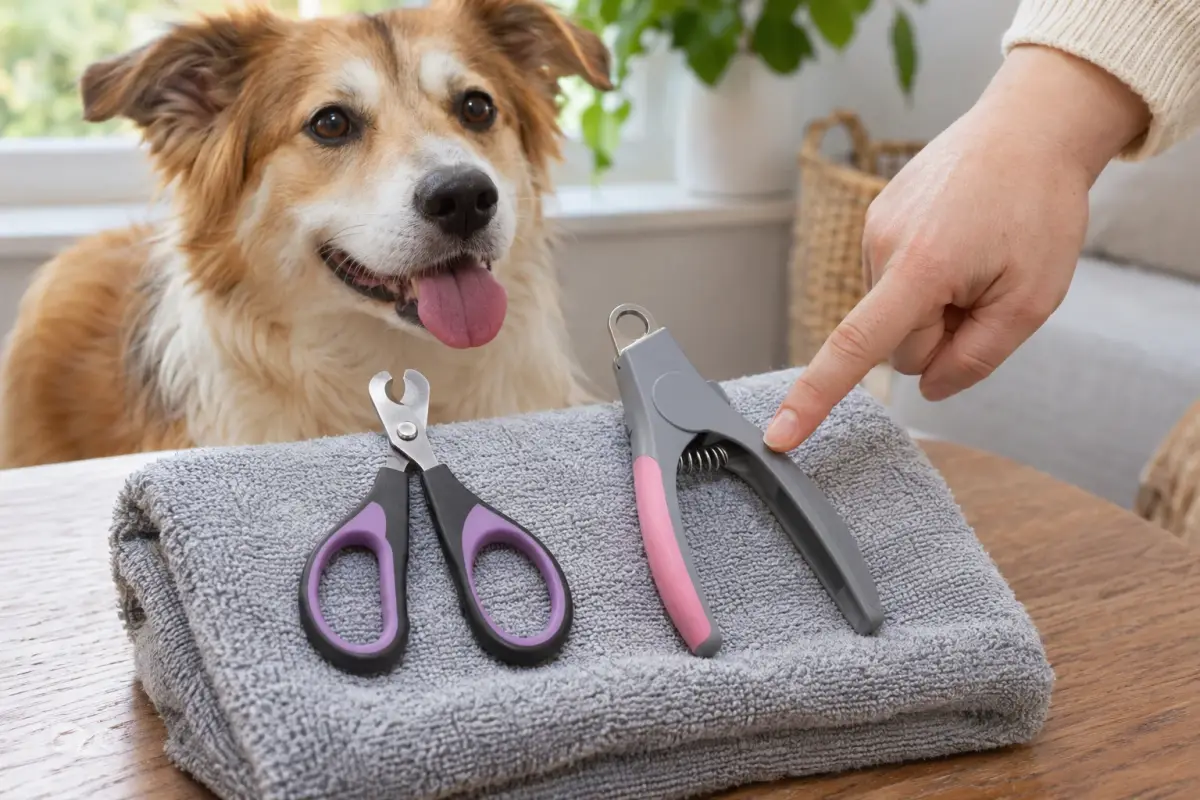
Use nail clippers made for dogs. VCA Animal Hospitals prefers scissor or plier-style clippers, where two blades cross, because guillotine-style clippers with a single blade can crush the nail. A nail grinder, such as a quiet rechargeable dog nail grinder, is an alternative for dogs that dislike clipping. Have styptic powder ready to stop bleeding; flour or cornstarch works in a pinch. Add a towel, good light and plenty of small, tasty treats.
Choose a calm moment, perhaps after a walk when your dog is tired. A non-slip surface helps: a bath mat on the floor for large dogs, or a towel on your lap or a table for small ones. If your dog is nervous about paws being handled, spend a few days practicing handling first, rewarding each touch, before you trim anything.
Know the quick
Inside each nail is the quick, a core of blood vessels and nerves. Cutting into it hurts and bleeds. On light-colored nails you can see it as a pink area; VCA advises stopping a short distance before it, a small margin of about a sixteenth of an inch. On dark nails the quick is hidden, so take tiny slivers and look at the cut surface each time.
When you are getting close on a dark nail, the AKC says the cut end shows a chalky white ring and then a dark dot in the center. Stop there. If your dog's nails are long, the quick has grown long with them; trimming a little every week or two lets it recede gradually so the nails can be kept shorter over time.
Step-by-step: how to clip
Step 1: Hold the paw firmly but gently, thumb on the pad and forefinger on top of the toe above the nail. Push fur out of the way. Step 2: Press lightly on the pad while pushing the toe forward, which extends the nail. Step 3: Position the clippers so you cut straight across the tip, below the curve, angled slightly so the cut follows the shape of the nail. Clip a small amount.
Step 4: Check the cut surface. On a light nail, you should see no pink; on a dark nail, stop when you see the chalky ring or a dark dot. Step 5: Move to the next nail, and reward your dog every nail or two. Step 6: Do not forget the dewclaws on the inside of the legs, which never touch the ground and can curl into the skin if ignored. Back nails are often shorter and need less off.
If you cut the quick
It happens to everyone eventually. Stay calm, because your dog will pick up on your stress. Press styptic powder firmly onto the end of the nail for a minute or so; cornstarch or flour can be used if you have no powder. Most bleeding stops within a few minutes. Give your dog a treat and a break, and finish the other nails another day if it is upset.
If the bleeding does not stop after several minutes of firm pressure, or the nail is split or torn, call your vet. Keep the paw clean for the next day or two and watch for limping, swelling or licking, which can signal infection.
Uncooperative dogs and when to get help
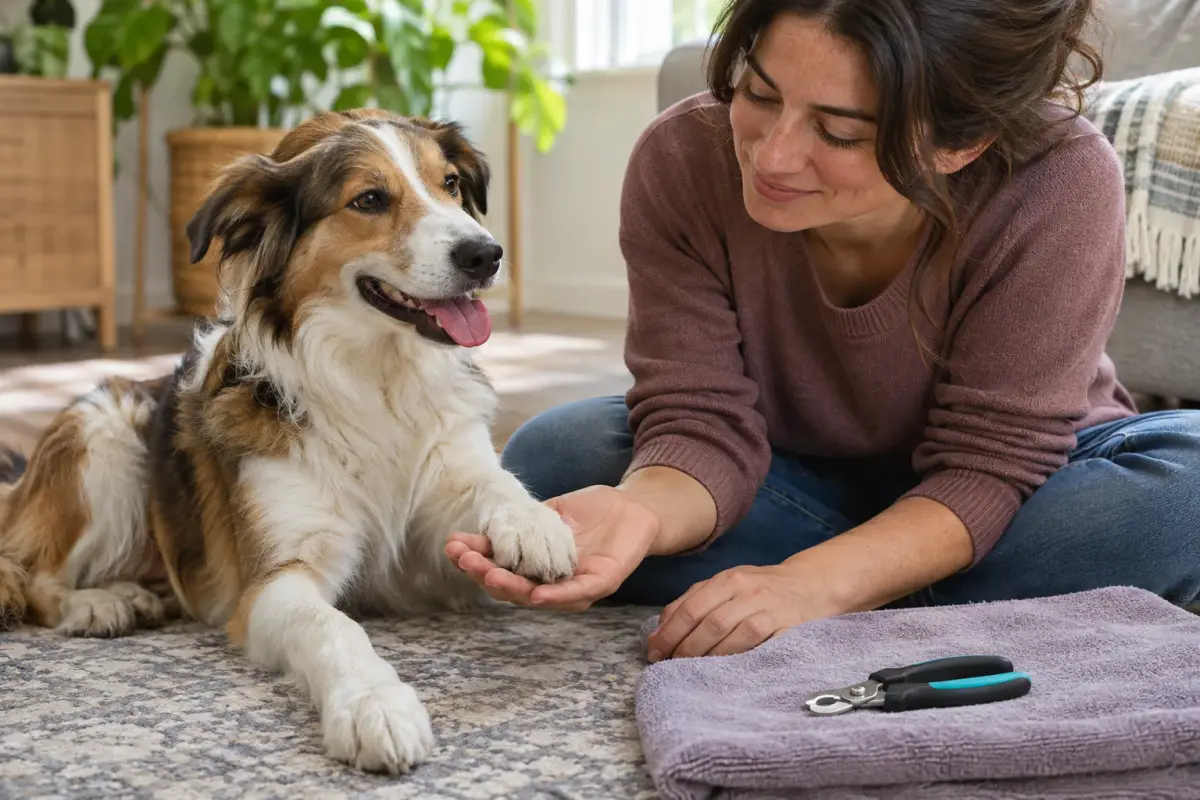
For dogs that struggle, go slowly and do one paw, or even one nail, a day. A silicone lick mat spread with a little dog-safe spread can keep some dogs busy, and a helper can hold and reward while you trim. VCA warns that physically forcing a frightened dog usually makes fear worse, and recommends short, frequent sessions that pair each small step with a treat.
Some dogs that fight clippers accept a cordless nail grinder better once it is introduced slowly. If your dog trembles, pants heavily, growls or snaps, stop. Your vet or a groomer can trim the nails while you work on training at home, and your vet can talk to you about options for very fearful dogs. Ask your vet or vet tech to show you the technique at your next visit; a quick demonstration on your own dog is worth a lot.
This page is general information, not veterinary advice, and it cannot replace an examination by the vet who knows your pet.
Common questions
How do I know if my dog's nails are too long?
If you hear clicking on hard floors, or the nails touch the ground when your dog stands, they are too long. Long nails push the toes sideways and can change how your dog walks.
Should I cut my dog's nails straight across or at an angle?
Cut straight across the tip, with a slight angle that follows the natural curve of the nail. Take small amounts and stop before the quick, rather than trying to shape the nail in one cut.
How do you cut an uncooperative dog's nails?
Break it into tiny steps: handle paws with treats, show the clippers, then trim one nail at a time over several days. Avoid forcing your dog, and ask your vet or groomer for help if it is very fearful.
Can I use human nail clippers on my dog?
Small human clippers can work on very small puppies, but they tend to crush thicker dog nails. Dog-specific scissor or plier nail clippers give a cleaner cut and more control.
Sources we checked
This guide is general information, not veterinary advice. If your pet is unwell or injured, contact your veterinarian.