







Dogs
Dog combs
More care. More cuddles.
58 items picked for everyday life with your pet, with shipping estimates on every item.
 For the moments that bring you closer.
All dogs grooming & hygiene →Dog bath brushes →Dog nail clippers →Slicker brushes →Dog nail grinders →Dog paw balm →Dog paw cleaners →Dog brushes →Dog drying towels →Dog grooming tables →Deshedding tools →Puppy pads →Dematting combs & tools →
↗Tracked US shippingEstimates on every item↶Returns & refundsHow it works♡Here to helpTalk to Giddy Pets
All dog combs
Little essentials. Lots of love.




Dematting combs & tools
Dematting Comb and Undercoat Rake, Single or Double Sided
- Options
- 10 to choose from
From $15.99


A little guidance
Help choosing dog combs
Buying guides and care advice written for this range: what to measure, what matters and what to skip.
From our guides
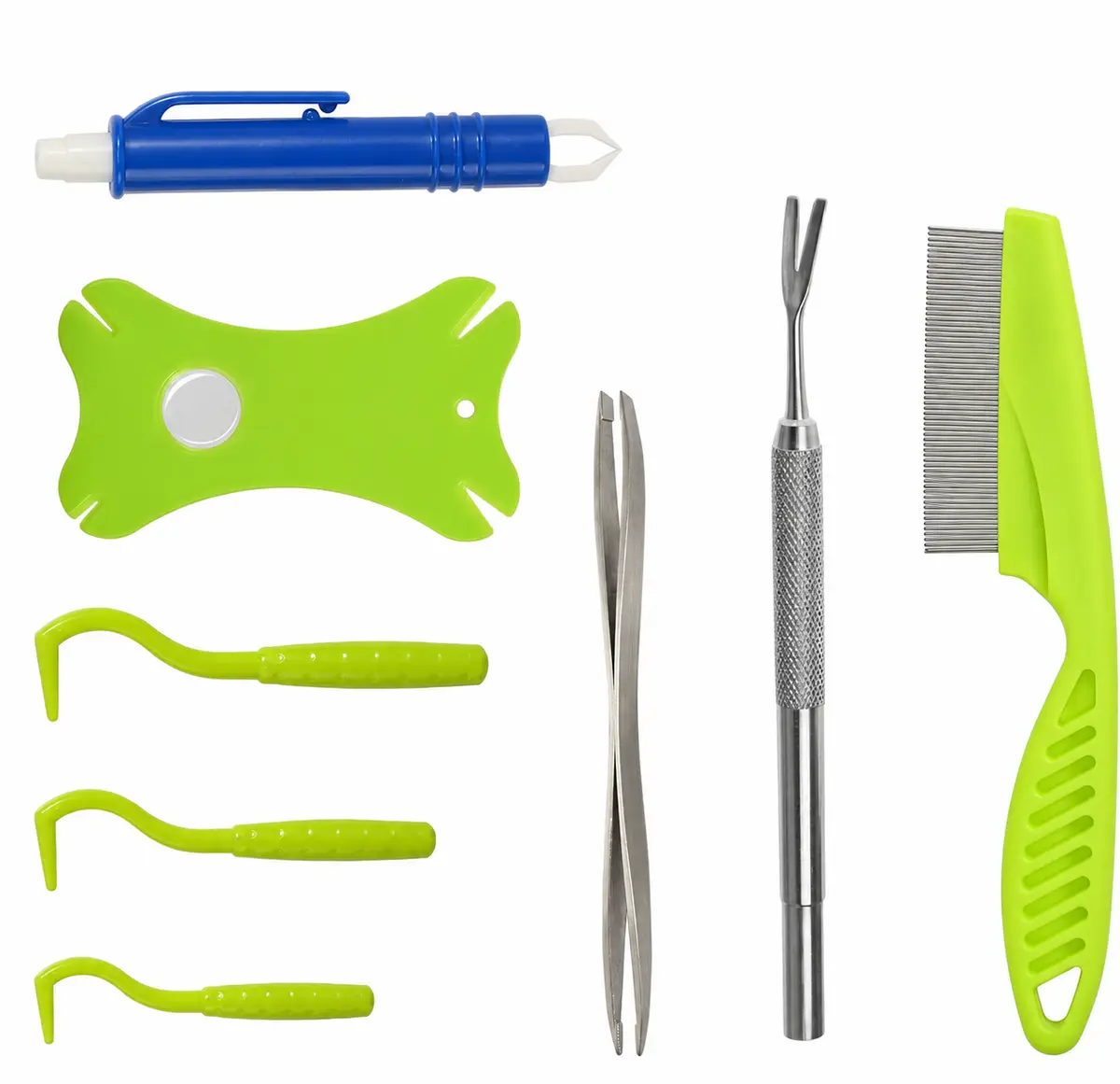
This page narrows our grooming tools to combs: stainless steel grooming and rake combs, dematting and deshedding combs, double-sided combs that pair coarse and fine teeth, flea combs and an eight-piece tick and flea removal kit, small-dog comb kits for tear stains, round-handle passage combs, and combs with long and short stainless teeth. They are for finishing a groom, checking for mats and fleas, and working on the face and paws. The guide below explains which comb does which job.
Why every grooming kit needs a comb
Brushes smooth the surface of the coat, but a comb tells you what is happening underneath. Running a comb through to the skin after brushing shows whether you have reached every layer. If the comb catches, there is a tangle or mat a brush has skimmed over.
That check is especially important for long, curly and double coats, such as doodles, poodles, Shih Tzus and collies, where mats can form close to the skin and stay hidden. Combs are also the best tool for small areas such as the face, ears, feet and tail.
Types of comb on this page
Stainless steel grooming combs with wide and narrow teeth handle most finishing work: wide teeth for the body, narrow teeth for the face and feet. Double-sided dematting and deshedding combs have sharper or longer teeth to pull out tangles and loose undercoat.
Flea combs have very fine, closely spaced teeth that catch fleas, flea dirt and eggs. The tick removal kit includes tools for lifting ticks out cleanly. Small comb kits suit tear stain areas around the eyes of small breeds, where gentle combing lifts crust.
How to comb properly
Brush first, then comb. Hold the hair close to the skin with one hand to avoid pulling, and comb from the skin outward in small sections. Work out tangles from the ends toward the skin rather than dragging the comb through from the root.
For a flea check, comb along the back, the base of the tail and the belly over a white paper towel. Tiny dark specks that turn reddish when dampened are flea dirt. If you find fleas, ask your vet about safe treatment for your dog and any other pets in the home.
Mats, ticks and when to get help
Never cut a mat out with scissors, because it is easy to cut the skin hidden underneath. Small mats can be worked loose with a dematting comb and patience. Large or tight mats are best clipped out by a groomer or vet.
When removing a tick, grasp it as close to the skin as possible and pull steadily, without twisting or squeezing the body. Clean the area afterward. If the bite stays red and swollen, or your dog seems unwell in the following weeks, see your vet.
Comb teeth and separate removal tools
| Tool | Working form | What to inspect |
|---|---|---|
| Finishing comb | Wide and narrow tooth sections | Tooth spacing and smooth tips |
| Dematting or deshedding comb | Longer or sharper working teeth | Exact edges and operating directions |
| Flea comb | Very closely spaced teeth | Tooth condition and cleaning access |
| Tick-removal tool | A separate lifting tool rather than ordinary comb teeth | The exact tool and instructions |
| Small comb | A compact head | Actual size and the intended area |
Do I need a comb if I already have a dog brush?
Yes. A comb reaches through to the skin and shows whether any tangles or mats remain after brushing. It also works better on the face, ears and feet.
What is a flea comb used for?
A flea comb has very fine teeth that catch fleas, flea dirt and eggs. Comb over a white paper towel to spot specks, and talk to your vet about treatment if you find fleas.
What comb is best for removing mats?
A dematting comb with sharpened or longer teeth works through small mats. Work from the ends toward the skin, holding the hair. Large or tight mats are best handled by a groomer.
Can dog combs be used on cats?
Yes, many combs on this page suit cats too, especially for long-haired breeds. Use a gentle touch, comb in short sessions and stop if your cat becomes restless.
How do I clean a dog comb?
Remove hair after each use, then wash the comb in warm soapy water, rinse and dry it fully. Stainless steel combs resist rust but last longer if kept dry.