







Dogs
Puppy pads
Big welcomes for small paws.
29 items picked for everyday life with your pet, with shipping estimates on every item.
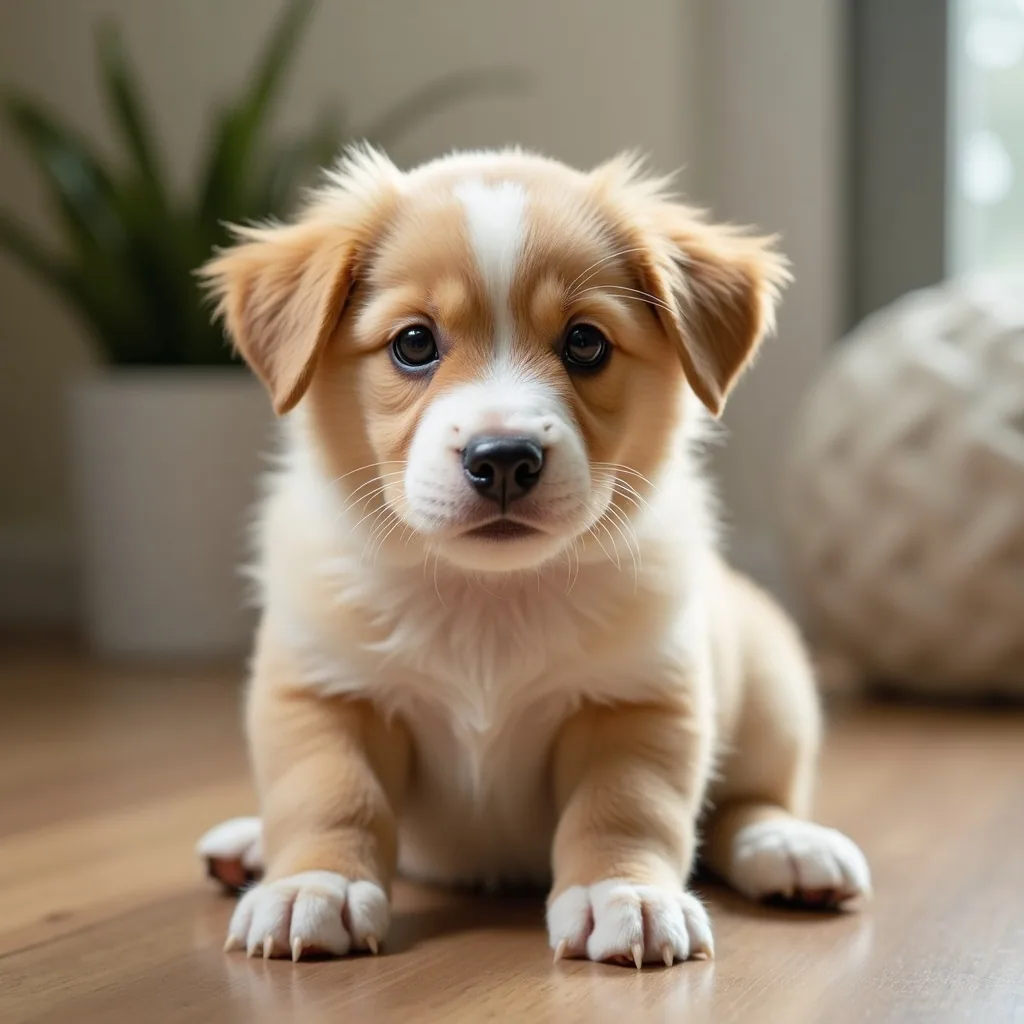 Everything for their first few weeks.
All dogs grooming & hygiene →Dog bath brushes →Dog nail clippers →Dog combs →Slicker brushes →Dog nail grinders →Dog paw balm →Dog paw cleaners →Dog brushes →Dog drying towels →Dog grooming tables →Deshedding tools →Dematting combs & tools →
↗Tracked US shippingEstimates on every item↶Returns & refundsHow it works♡Here to helpTalk to Giddy Pets
All puppy pads
Little essentials. Lots of love.


Puppy pads
Blue-Bordered Disposable Puppy Pads with Five Pack Options
- Options
- 5 to choose from
From $18.99


Puppy pads
Disposable Puppy Training Pads in Blue, 50 or 100 Count Packs
- Options
- 2 to choose from
$51.99

Grass pee pads
Paw-Print Artificial Grass Training Mat in Three Sizes
- Options
- 3 to choose from
From $17.99

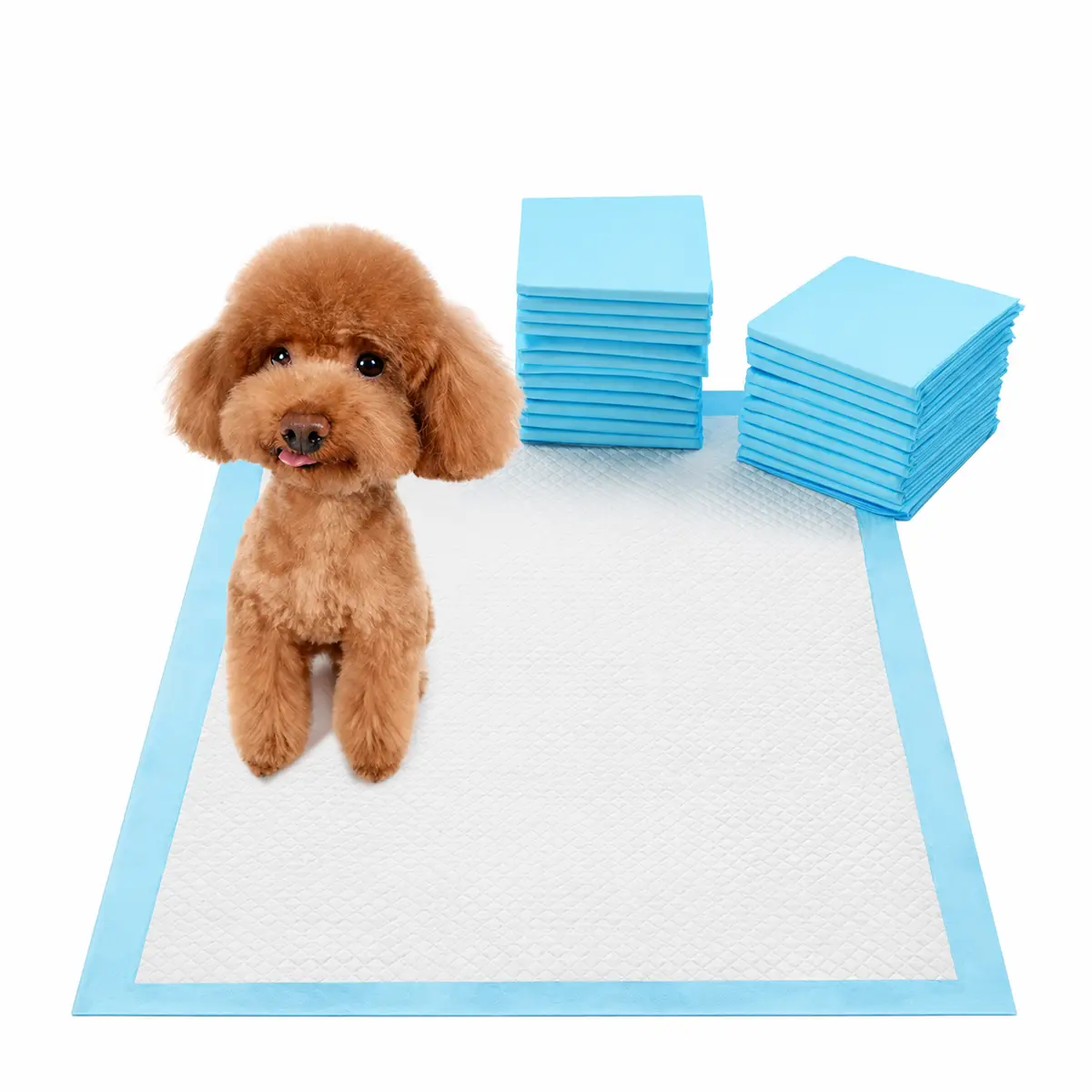


Puppy pads
Dog Potty Tray with Grid and Optional Upright Splash Panel
- Options
- 8 to choose from
From $41.99


A little guidance
Help choosing puppy pads
Buying guides and care advice written for this range: what to measure, what matters and what to skip.
From our guides
Find puppy pads and potty training supplies here: super-absorbent disposable pads, deodorizing and activated charcoal pads, lavender-scented pads, washable reusable pee pads, artificial grass potty mats, leak-proof pad holders and toilet trays with grates, and potty training sprays. They are for new puppy owners, apartment dwellers and senior dogs who need an indoor option. The guide below covers choosing a type and moving your puppy outdoors when ready.
When puppy pads make sense
Pads are useful when a puppy cannot get outside often enough: in high-rise apartments, during long workdays, in bad weather, or before a puppy has finished its vaccinations and you want to limit contact with public potty spots. They also help senior dogs and dogs with mobility problems.
The AKC notes that pad training can make the later move to outdoor toileting take longer, so decide early whether pads are a bridge to the yard or a permanent indoor spot. Either is fine, but consistency is what makes potty training work.
Disposable, washable or grass
Disposable pads are the simplest: lay one down, roll it up when soiled. Activated charcoal pads help control odor, and scented pads are designed to attract a puppy to the right spot. Super-absorbent layers with a leak-proof backing protect floors best.
Washable reusable pee pads cut down on waste and are cheaper over time, though they need regular laundering. Artificial grass mats feel more like the outdoors underfoot, which can make the transition to real grass easier later. A pad holder or tray with a grate stops puppies shredding or dragging pads.
How to pad train a puppy
Pick one spot and keep it there. Take your puppy to the pad after waking, after meals, after play and every couple of hours, use a cue word such as go potty, and reward immediately when they go on the pad. Clean accidents elsewhere with an enzyme cleaner so the smell does not draw them back.
Keep the pad area small and close to where the puppy spends time. A pen with a bed at one end and a pad at the other is a common setup. Puppies naturally avoid soiling their bed, so the pad becomes the obvious place to go.
Moving from pads to outdoors
The AKC suggests moving the pad gradually toward the door, then just outside, then to the final outdoor spot, and shrinking it over time until your puppy uses the ground alone. Taking a soiled pad outside the first few times helps because it carries the familiar scent.
Go out at the same times you used to take your puppy to the pad, use the same cue, and reward generously outdoors. Some puppies take a few weeks to switch completely, and that is normal. If accidents suddenly increase after progress, ask your vet whether a urinary problem could be the reason.
Training sprays and keeping things clean
Potty training sprays are applied to a pad or chosen spot to encourage a puppy to go there. They can help some puppies but are not a substitute for regular trips and rewards. Use them alongside a schedule, not instead of one.
Change disposable pads as soon as they are soiled, since many puppies refuse a dirty pad. Wash reusable pads on a hot cycle without fabric softener, which can reduce absorbency. Rinse artificial grass weekly so odors do not build up.
Are puppy pads a good idea?
They are helpful for apartments, long days and very young puppies, but they can slow the move to outdoor potty habits. Use them consistently in one spot and plan the transition outside if that is your goal.
How many times a day should a puppy use a pad?
Young puppies need to go very often, typically after waking, eating, drinking and playing, and every couple of hours in between. Expect a pad change several times a day in the early weeks.
Are washable pee pads better than disposable?
Washable pads create less waste and cost less over time, but need frequent laundering. Disposable pads are more convenient. Many owners keep both, using disposables for travel and washable pads at home.
How do I stop my puppy from chewing pee pads?
Use a pad holder or tray that clips the edges down, redirect chewing to a toy, and supervise. Removing the pad promptly after use also gives the puppy less chance to shred it.