






Buying guides
Best Cat Grooming Tools: What You Actually Need
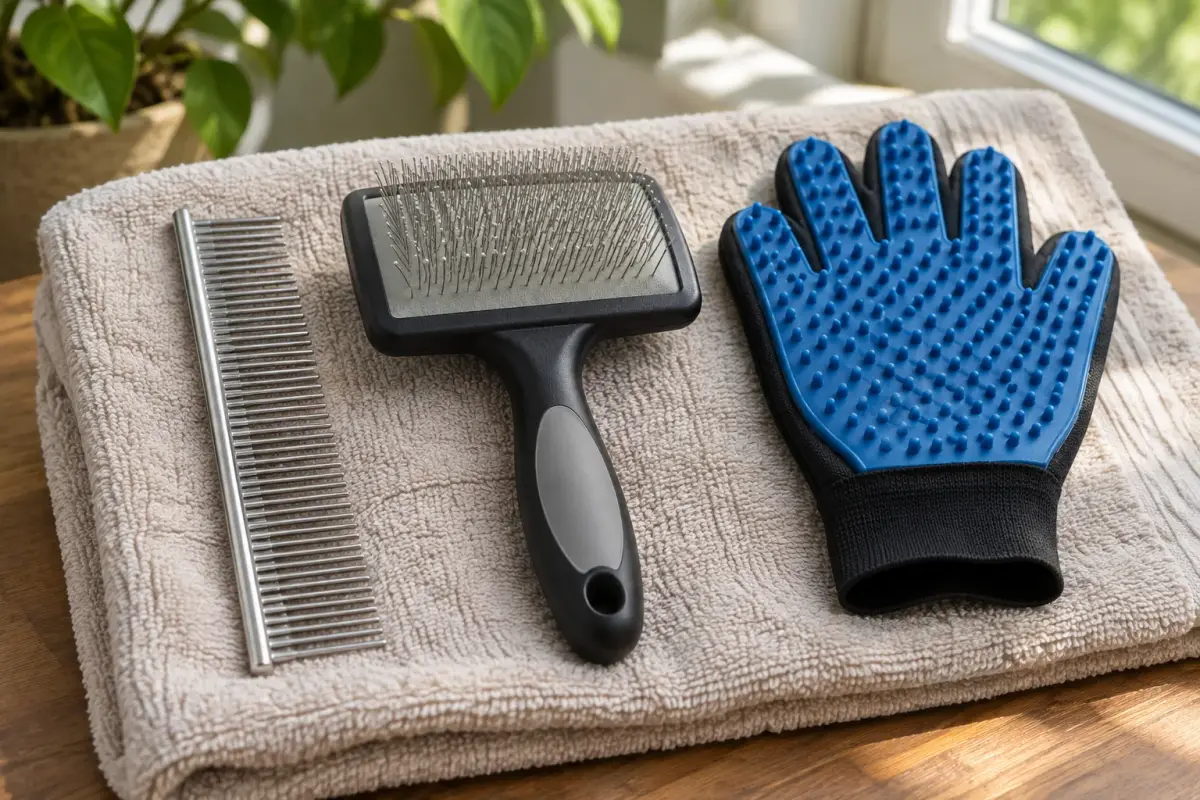
A cat grooming kit needs fewer tools than most sets include. For a short-haired cat: a metal comb, a rubber brush and nail clippers. For a long-haired cat: add a wide-tooth comb and a mat splitter, and brush every few days. Keep styptic powder with the clippers, and a cat-specific shampoo for the rare bath when it is really needed.
By Matt GarnettUpdated November 14, 20263 min read2 sources
What matters most: tools that match the coat
The ASPCA's method for short-haired cats is a metal comb first, then a rubber brush, which works well on dead hair, brushing with the direction of growth. Once or twice a week keeps most coats healthy. A rubber brush or grooming mitt also suits cats that dislike combs, because it feels like petting.
Long-haired cats need more. The ASPCA says they should be groomed every few days to remove dead hair and prevent tangles, using a comb and teasing knots apart by hand, with a mat splitter for knots that will not come out. A wide-tooth comb is the everyday tool, and a fine comb finishes around the face and paws. Browse our cat grooming supplies for a starter kit.
Nail tools
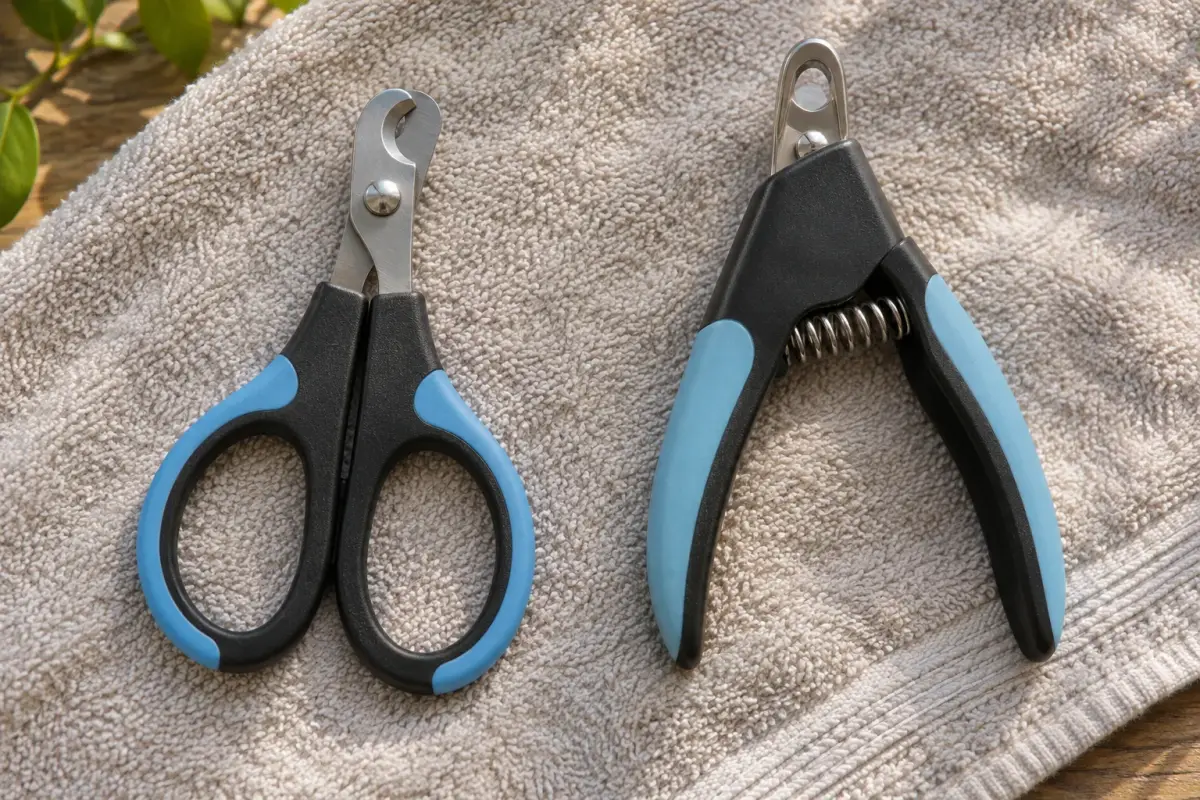
VCA describes both scissor-style and guillotine clippers as safe for cats, and notes many people prefer small scissor-style clippers made for cats. VCA suggests trimming indoor cats every two to four weeks; the ASPCA suggests every 10 days to two weeks, a few claws per session.
Keep styptic powder in the kit. If you cut into the pink quick, VCA advises styptic powder, or flour or cornstarch if you have none. Treats belong in the kit too: the ASPCA stresses staying calm and never punishing or trimming when either of you is upset.
Shampoo and bath supplies
Most cats rarely need a bath. The ASPCA suggests bathing only when a cat is very dirty or has got into something sticky or smelly, using a cat shampoo diluted one part shampoo to five parts water, 3 to 4 inches of lukewarm water, and keeping the face, ears and eyes dry.
A cat-specific shampoo, a towel and a quiet, warm room are all you need. Waterless cat foams and grooming wipes help with spot cleaning for senior or overweight cats that struggle to groom their back end. Never use dog flea products on a cat; some are toxic to cats.
Best kit for each cat
For a short-haired cat: a metal comb, rubber brush, scissor-style nail clippers and styptic powder. For a long-haired cat such as a Persian or Maine Coon: add a wide-tooth comb, a mat splitter and a fine comb for the face, and plan grooming every few days. Our range includes a cat detangler and grooming spray and no-bath gloves.
For senior or arthritic cats that groom less, a soft brush and wipes, and more frequent nail checks, because older cats can develop overgrown nails that curl into the pads. For kittens, a soft brush and short, happy sessions build lifelong tolerance. Whatever the coat, keep the kit in one box near where you groom, so a five-minute session is easy to start when your cat is relaxed.
What to avoid and care
Avoid scissors on mats near the skin, which is thin and easily cut, and avoid dog deshedding blades on cats. Avoid human shampoos and anything scented. The ASPCA notes mats can be painful and lead to skin problems; if a cat resists or mats are close to the skin, see a groomer or your vet.
Clean combs and brushes after each use and wipe clippers with alcohol. Grooming is also a weekly health check: lumps, scabs, fleas, a greasy or unkempt coat, or a cat that has stopped grooming itself are reasons to call your vet. Browse our cat grooming supplies when it is time to restock.
Common questions
What grooming tools does a cat need?
A metal comb, a rubber brush, cat nail clippers and styptic powder. Long-haired cats also need a wide-tooth comb and a mat splitter. Add a cat shampoo for the rare bath.
How often should I groom my cat?
Once or twice a week for most short-haired cats, according to the ASPCA, and every few days for long-haired cats to prevent tangles. Short sessions with treats work best.
What is the best tool for cat mats?
A mat splitter for small knots, after working them loose by hand. Mats close to the skin are best handled by a groomer or vet.
Do cats need to be bathed?
Rarely. The ASPCA suggests bathing only when a cat is very dirty, using diluted cat shampoo and lukewarm water while keeping the face dry. Dry the cat in a warm room.
Sources we checked
This guide is general information, not veterinary advice. If your pet is unwell or injured, contact your veterinarian.


